

Pacific-slope Flycatcher
Empidonax difficilis
A yellowish-toned Empidonax flycatcher of western forests, showing a somewhat teardrop-shaped eye-ring and warm buffy wing bars.
- Feather type
- Contour, body plumage
- Colours
- Olive-brown upperparts, yellowish underparts, teardrop-shaped pale eye-ring, buffy wing bars
- Bird size
- Sparrow-sized, ~14 cm
Found a feather like this?
Identify any feather from a photo, free.
Overview
Overview
The Pacific-slope Flycatcher is a small flycatcher of shaded forest habitats along the Pacific coast and interior mountain ranges of western North America, closely resembling several other Empidonax species and until relatively recently classified together with a similar interior species as a single taxon. As with other members of the genus, subtle plumage details combined with range and voice are needed for confident identification.
Plumage shows olive-brown upperparts and yellowish underparts, generally appearing warmer-toned than many eastern Empidonax species, along with a distinctive pale eye-ring that often has a slightly pointed or teardrop shape at the rear rather than being perfectly round.
Identifying the Feather
Feather ID Notes
Pacific-slope Flycatcher feathers show olive-brown upperparts and a yellowish wash across the throat, breast, and belly, generally warmer than many Empidonax species found farther east. The eye-ring is pale and often shows a subtle teardrop or almond shape, wider toward the rear of the eye, and the wing bars are buffy rather than stark white.
- Head/back feathers: olive-brown, moderately warm-toned
- Underpart feathers: yellowish, especially on the belly
- Eye-ring: pale, often teardrop or almond-shaped rather than perfectly round
- Wing feathers: dark with buffy wing bars The warmer yellowish tones and teardrop-shaped eye-ring provide some help distinguishing this species from grayer Empidonax relatives, though it remains extremely similar to Cordilleran Flycatcher, with voice and range typically needed for certainty.
Plumage & Molt
Plumage Details
Sexes look alike in this species, sharing the same olive-brown and yellowish pattern. Juveniles show buffier wing bars and slightly warmer overall tones that shift toward the adult pattern after their first molt. There is no strong seasonal plumage variation, though fresh feathers after molt can appear more richly colored than worn ones.
Habitat & Range
Habitat & Range
This species breeds in shaded forest habitats along the Pacific coast and adjacent mountain ranges of western North America, including coastal forest, canyons, and riparian corridors with substantial canopy cover. It is a migratory species, wintering primarily in Mexico, with populations generally vacating the breeding range in the colder months.
Behavior & Field Notes
Behavior & Field Notes
Pacific-slope Flycatchers forage by sallying from a perch within shaded forest to catch flying insects, typically remaining within or near the canopy rather than open habitat. Diet is primarily flying insects. Nests are small cups often placed in a natural cavity, crevice, or on a ledge, sometimes on human structures near forest habitat. The call is a soft, upslurred "tsweet," differing from the calls of the closely related Cordilleran Flycatcher, which is important for distinguishing the two where their ranges approach one another.
Frequently asked questions
What feather feature is distinctive on Pacific-slope Flycatcher?
A pale, often teardrop-shaped eye-ring combined with yellowish underparts and buffy wing bars.
How does this species compare to Cordilleran Flycatcher?
The two are extremely similar in plumage; voice and range are typically needed to separate them confidently.
What habitat does it prefer?
Shaded forest along the Pacific coast and adjacent mountain ranges, including canyons and riparian corridors.
Where does it nest?
Often in a natural cavity, crevice, or ledge, sometimes on human structures near forest habitat.
Pacific-slope Flycatcher guides
In-depth guides for identifying and understanding Pacific-slope Flycatcher.

Other feathers you may enjoy

Yellow-breasted Bunting
Contour and flight feathers, chestnut-and-yellow breeding pattern
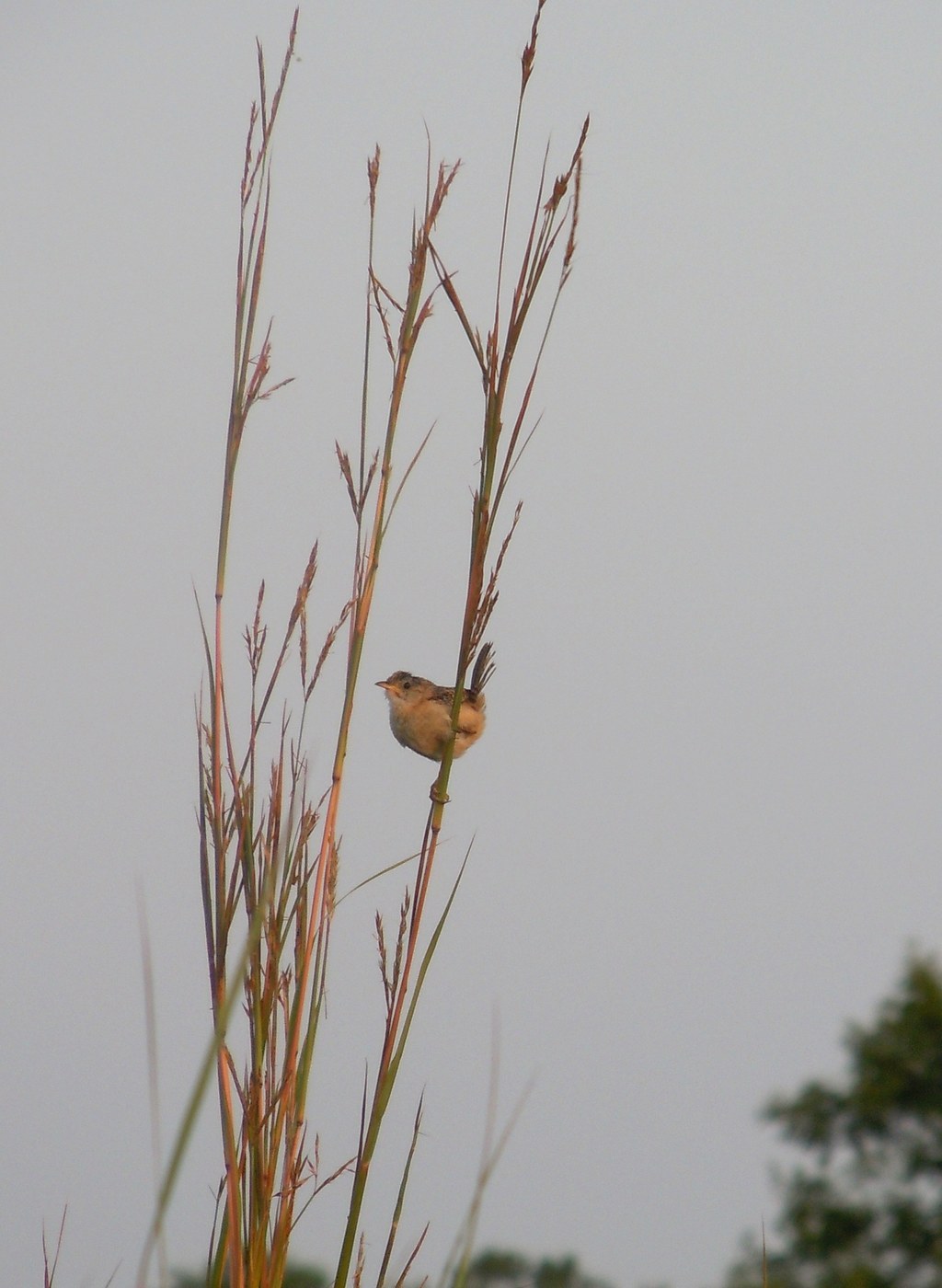
Sedge Wren
Tiny streaked crown and back feathers

Yellow-winged Cacique
Glossy black body feathers, yellow wing patch, shaggy crest

Yellow Warbler
Small contour and flight feathers
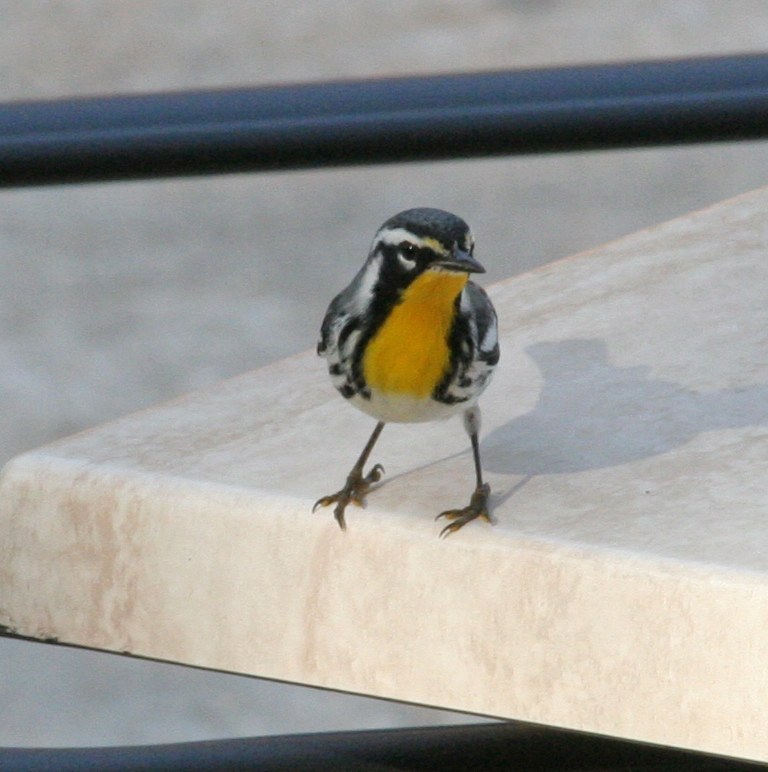
Yellow-throated Warbler
Small contour and flight feathers
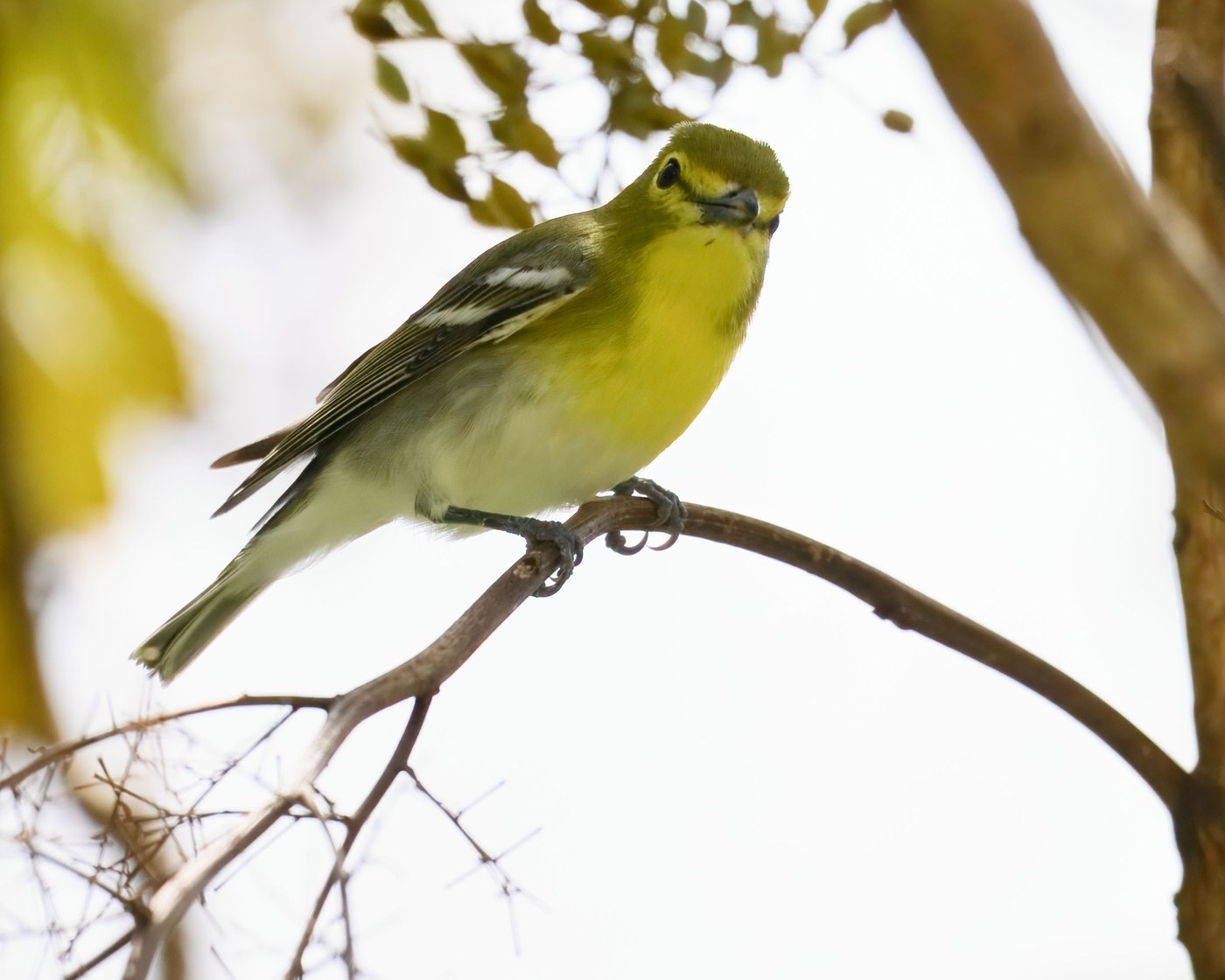
Yellow-throated Vireo
Bright yellow throat and spectacle feathers; olive-green back feathers; two white wing-bar feathers

Yellow-rumped Warbler
Small contour and flight feathers
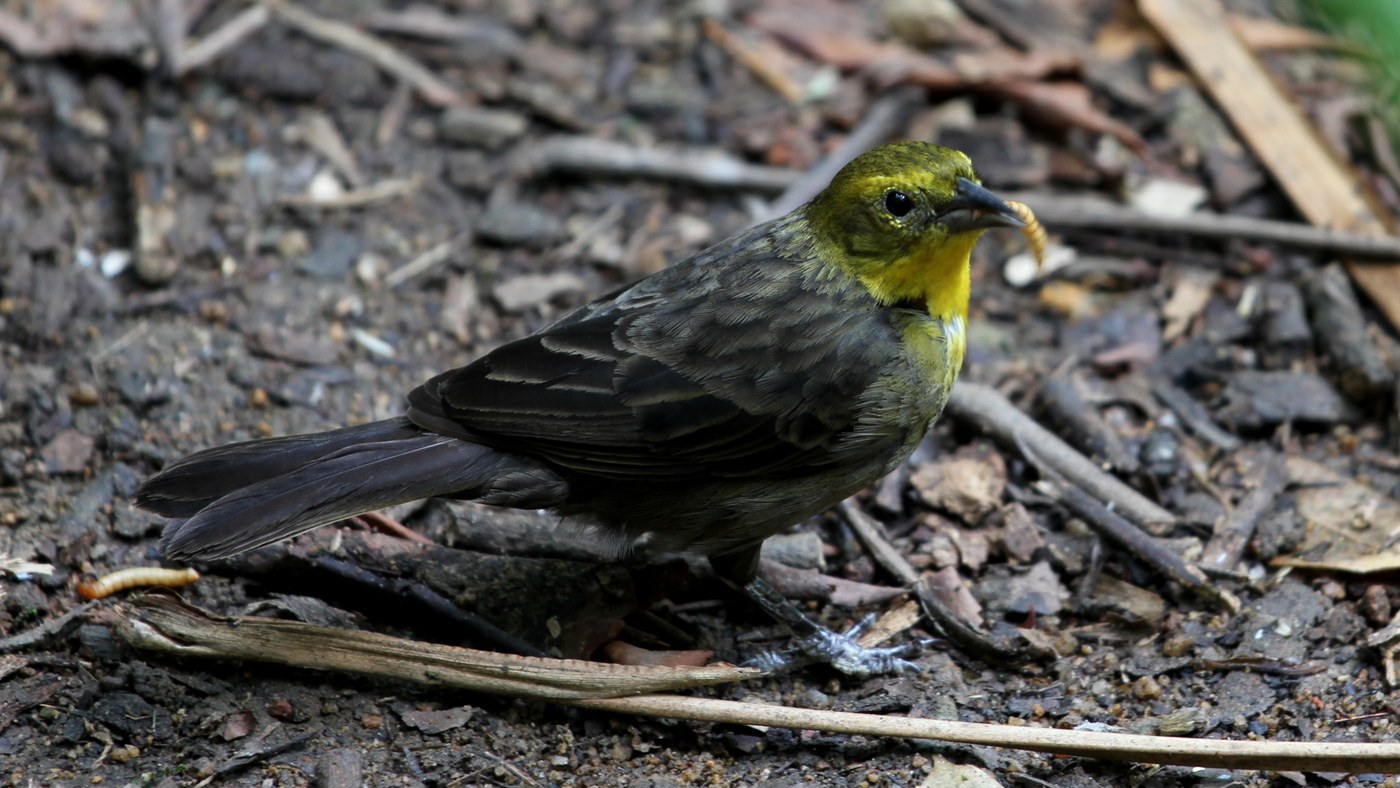
Yellow-hooded Blackbird
Contrasting hood and body feathers
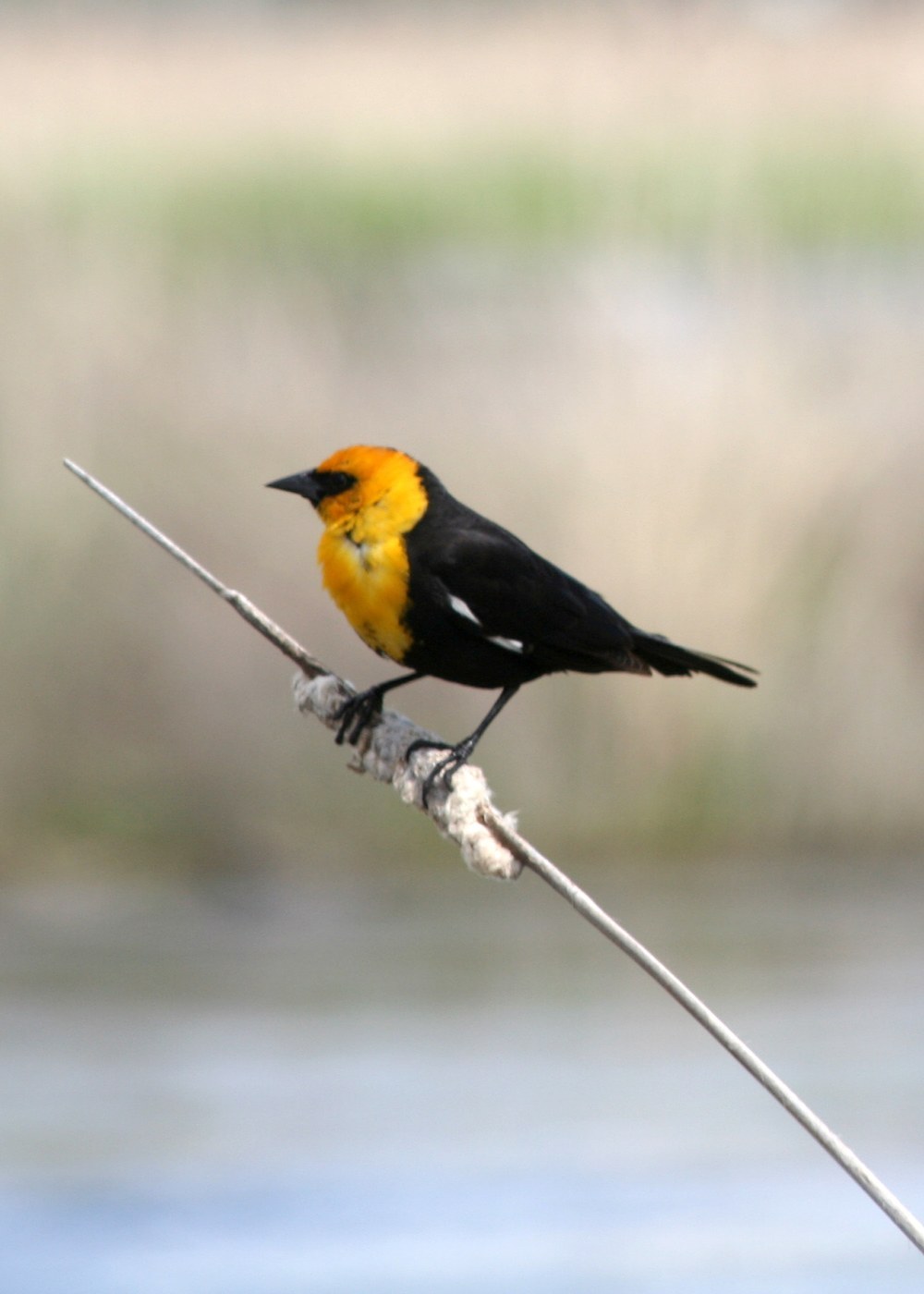
Yellow-headed Blackbird
Glossy black body plumage with a bright yellow head and breast

Yellow-eyed Junco
Contour and flight feathers

Yellow-fronted Canary
Small, smooth body plumage

Yellow-breasted Greenfinch
Compact, smooth body plumage