

Orange-crowned Warbler
Leiothlypis celata
An overall dull olive-yellow warbler with faint, blurry underpart streaking and a mostly concealed orange crown patch rarely visible in the field.
- Feather type
- Small, soft contour feathers; faint blurry underpart streaking
- Colours
- Dull olive-yellow overall, faint concealed orange crown patch
- Bird size
- Kinglet-sized, ~13 cm
Found a feather like this?
Identify any feather from a photo, free.
Overview
Overview
The Orange-crowned Warbler is a plainly plumaged, widespread warbler breeding across much of Canada, Alaska, and the western United States, typically in shrubby thickets, forest edges, and riparian brush. Its overall dull olive to olive-yellow coloring and lack of strong facial or wing pattern make it a somewhat nondescript species, often identified as much by exclusion of other patterned warblers as by any single bold feature.
The orange crown patch for which the species is named is usually concealed beneath overlying olive feathers and is only occasionally visible, typically when the bird is excited or the crown feathers are disturbed.
Identifying the Feather
Feather Identification
- Overall coloring: Body feathers are dull olive to olive-yellow overall, without the cleaner gray head of the Tennessee or Nashville Warblers.
- Underparts: Breast and flank feathers often show faint, blurry, indistinct dusky streaking, a useful feature distinguishing this species from other plain olive warblers with unstreaked underparts.
- Crown patch: An orange to orange-rufous patch is present on the crown but is usually concealed by overlying olive feathers, becoming visible only when the crown is raised.
- Face: A faint, indistinct pale eyebrow stripe and a thin, broken eye-ring are present but far less bold than in related species.
- Wings: Wings are plain olive without wing bars.
- Undertail coverts: These feathers are yellowish, generally the brightest yellow area on an otherwise dull-toned bird.
Plumage & Molt
Plumage Details
Adult males average slightly brighter and show a somewhat more developed orange crown patch than females, though the difference is subtle and the patch is concealed in both sexes much of the time. Immatures in fall are notably duller and grayer overall, with the faint underpart streaking sometimes even less apparent, adding to the identification challenge posed by this already subtly marked species.
A complete molt occurs on the breeding grounds in late summer, and there are several recognized geographically variable populations differing somewhat in overall brightness, from duller, grayer eastern and boreal birds to brighter, more yellow-toned Pacific coast populations.
Habitat & Range
Habitat & Range
Orange-crowned Warblers breed across a very broad range including much of Alaska, Canada, and the western United States, favoring shrubby thickets, riparian brush, and forest edge habitats, from boreal regions to chaparral and montane shrub in the West.
This species is a short- to medium-distance migrant compared to many warblers, wintering across the southern United States, Mexico, and Central America, with some populations remaining as far north as the southern and coastal United States through winter.
Behavior & Field Notes
Behavior & Field Notes
Orange-crowned Warblers forage low to mid-level in shrubs and thickets, gleaning insects from leaves and twigs and sometimes probing into curled dead leaves or other debris for hidden invertebrates. They can be somewhat deliberate foragers compared to some more frenetic warbler species.
The nest is built on or near the ground, typically well concealed in dense shrub or grassy cover. The song is a fairly flat, slightly musical trill, often changing pitch partway through, generally less structured or dynamic than the songs of many other warblers. Because of its subtle plumage, careful attention to faint underpart streaking, overall dull olive tone, and habitat can help confirm identification.
Frequently asked questions
Can you usually see the orange crown patch on this species?
Rarely; the orange crown patch is typically concealed beneath overlying olive feathers and only becomes visible when the crown feathers are raised or disturbed.
What feather feature helps separate this from other plain olive warblers?
Faint, blurry, indistinct streaking on the breast and flanks is a useful feature, since many similarly plain warblers lack any underpart streaking.
Do Orange-crowned Warbler populations vary in color?
Yes, populations vary geographically, with duller, grayer birds in boreal and eastern regions and brighter, more yellow-toned birds along the Pacific coast.
Does this species have wing bars?
No, its wings are plain olive without wing bars, consistent with its generally subdued, unpatterned appearance.
Orange-crowned Warbler guides
In-depth guides for identifying and understanding Orange-crowned Warbler.

Other feathers you may enjoy

Yellow-breasted Bunting
Contour and flight feathers, chestnut-and-yellow breeding pattern
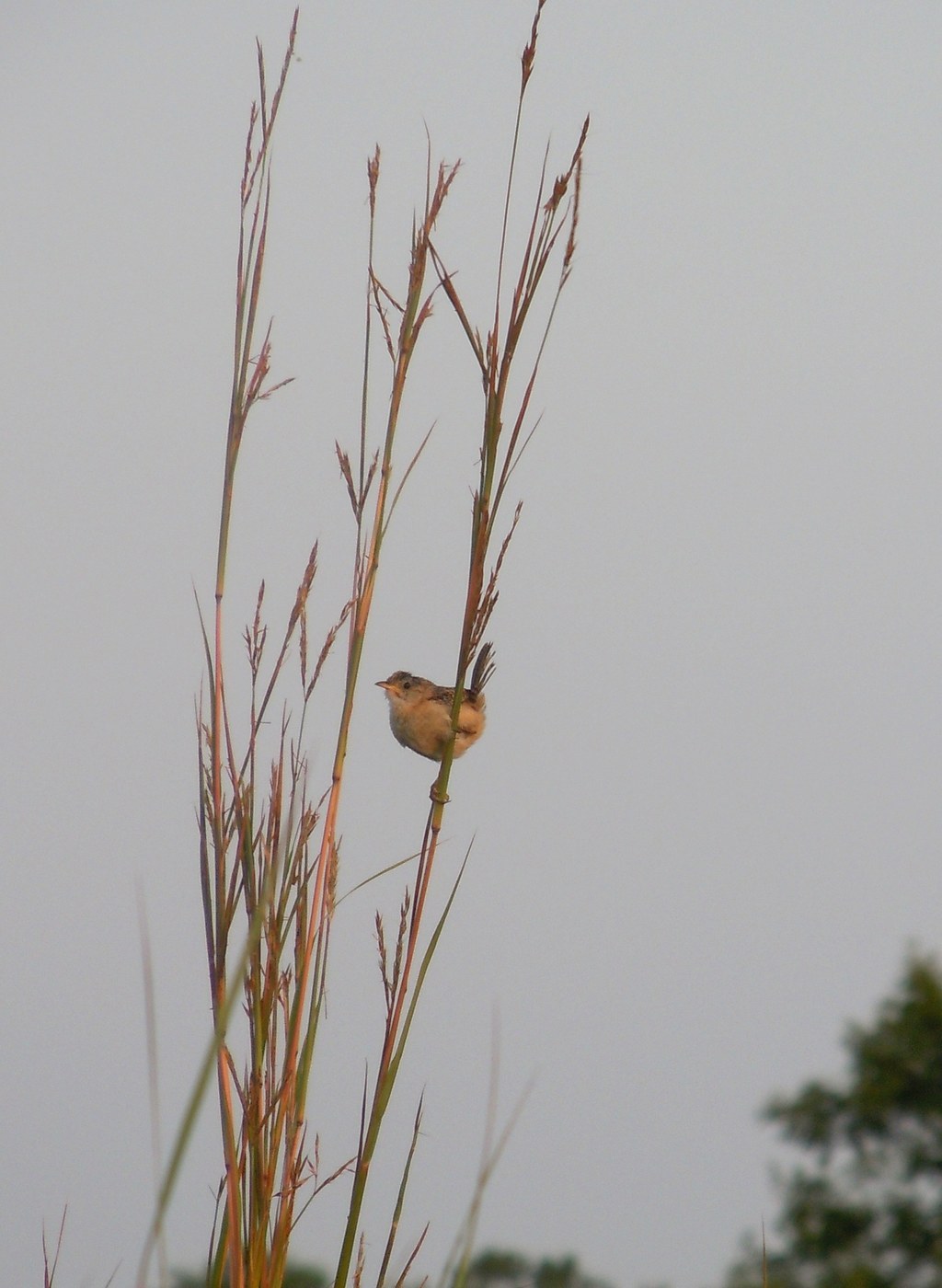
Sedge Wren
Tiny streaked crown and back feathers

Yellow-winged Cacique
Glossy black body feathers, yellow wing patch, shaggy crest

Yellow Warbler
Small contour and flight feathers
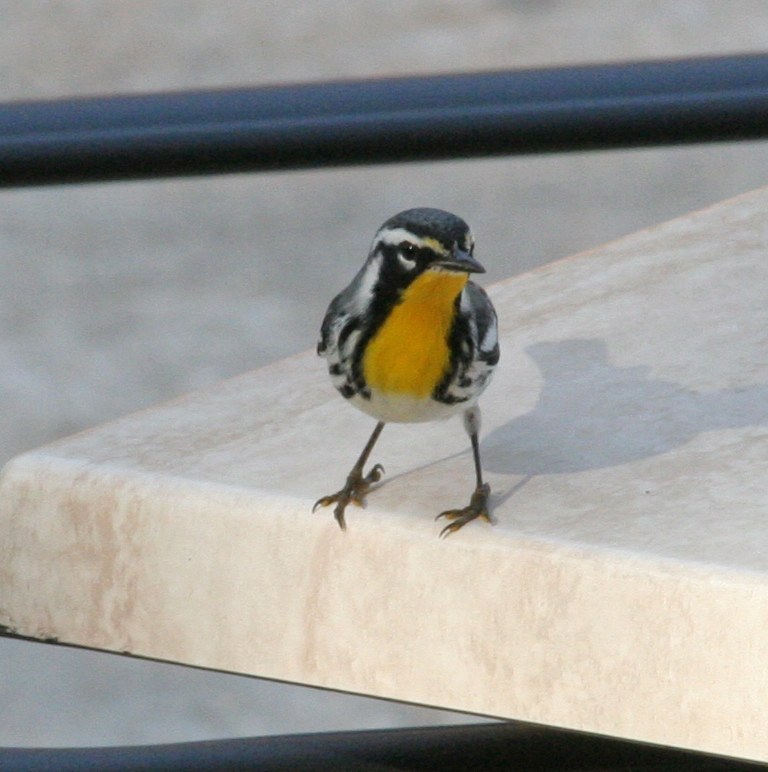
Yellow-throated Warbler
Small contour and flight feathers
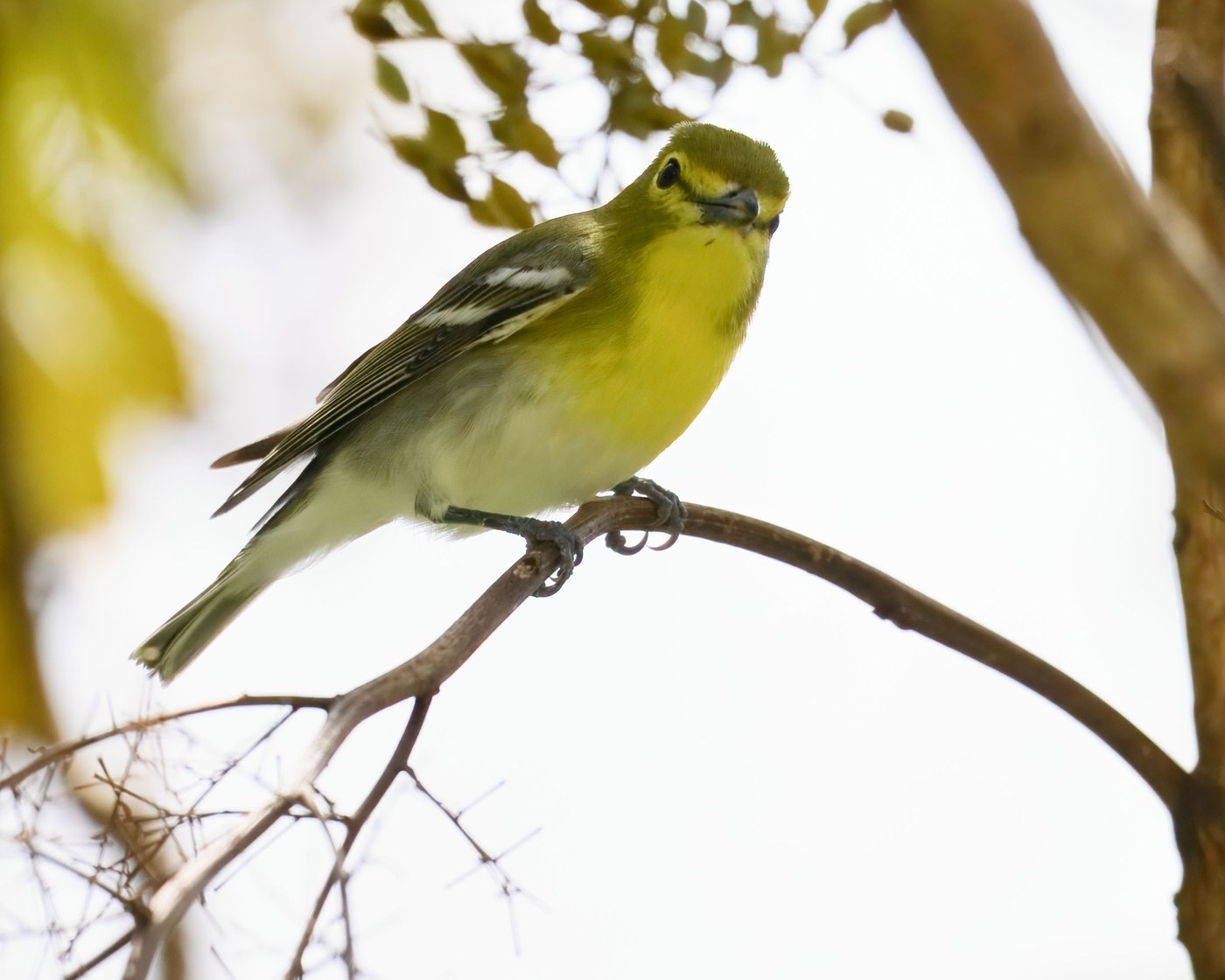
Yellow-throated Vireo
Bright yellow throat and spectacle feathers; olive-green back feathers; two white wing-bar feathers

Yellow-rumped Warbler
Small contour and flight feathers
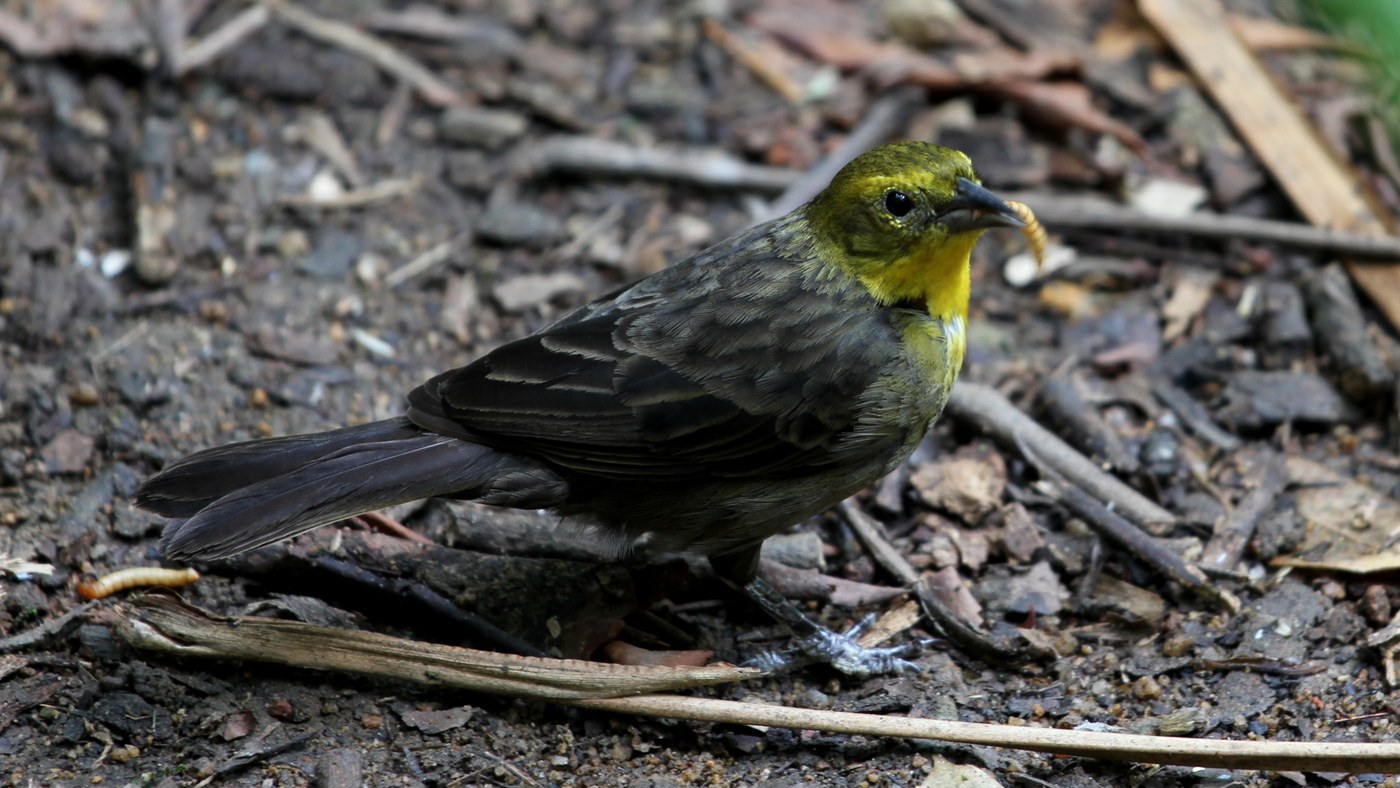
Yellow-hooded Blackbird
Contrasting hood and body feathers
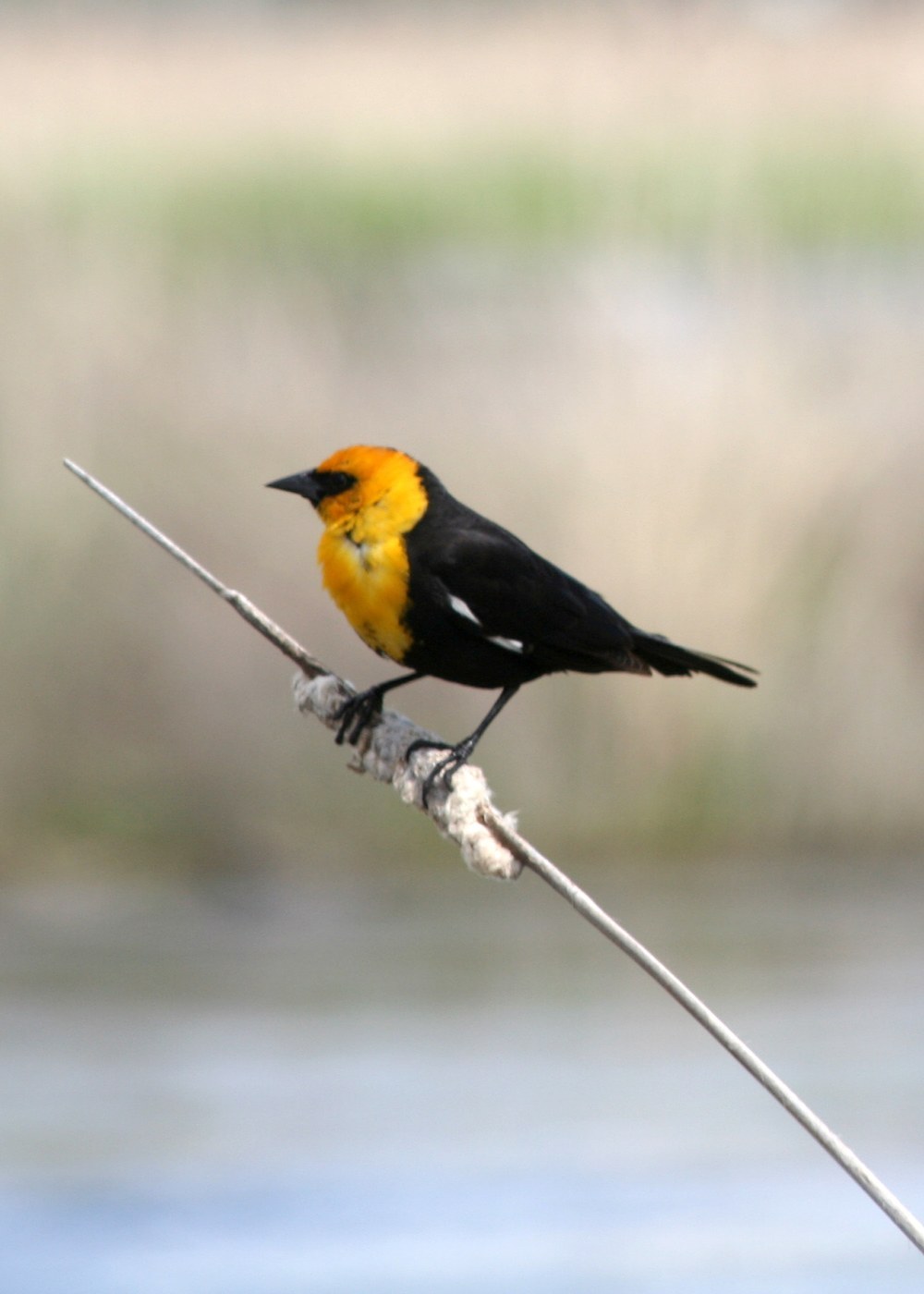
Yellow-headed Blackbird
Glossy black body plumage with a bright yellow head and breast

Yellow-eyed Junco
Contour and flight feathers

Yellow-fronted Canary
Small, smooth body plumage

Yellow-breasted Greenfinch
Compact, smooth body plumage