

Northern Pygmy-Owl
Glaucidium gnoma
A tiny, fierce diurnal owl of western mountain forests, notable for the false 'eyespots' on the back of its head. Its feathers show heavy white spotting on a rufous or gray-brown ground color.
- Feather type
- Short rounded flight feathers; long barred tail; dense spotted body feathers
- Colours
- Rufous-brown to gray-brown with bold white spotting and a whitish, dark-barred tail
- Bird size
- Sparrow-sized, ~17 cm
Found a feather like this?
Identify any feather from a photo, free.
Overview
The Northern Pygmy-Owl is one of the smallest owls in North America, barely larger than a sparrow, yet it hunts small birds and mammals with disproportionate boldness. It occurs in two color forms, rufous-brown and gray-brown, across coniferous and mixed forests from Alaska south through the western United States into Mexico and Central America.
Unlike most owls, it is frequently active by day, perching in the open on treetops where it can be located by mobbing songbirds. Its small size and diurnal habits make encounters with molted feathers relatively common along mountain trails and forest edges.
The species is best known for the pair of black-and-white false eye markings on the nape, which are thought to discourage attacks from behind. This 'occipital face' pattern is echoed in some of its smaller wing coverts as bold white spotting.
Identifying the Feather
Size and shape
Feathers are small and compact, matching a bird only about 17 cm long. Flight feathers are short and rounded rather than long and pointed, an adaptation for maneuvering through dense branches rather than sustained flight.
Color and pattern
- Ground color ranges from rufous-brown to grayish-brown depending on individual color morph.
- Upperwing coverts and back feathers show bold, rounded white spots, larger and more contrasting than in many similarly sized owls.
- The tail is proportionally long for the bird's size, dark brown to blackish with 4-6 narrow whitish bars, often appearing squared-off.
- Underparts feathers are whitish with coarse brown streaking rather than fine barring.
- Shafts are pale brown to whitish.
Distinguishing from similar species
Compared to the Northern Saw-whet Owl, pygmy-owl feathers are smaller and show bolder, rounder white spots rather than fine streaking, and the tail barring is more distinct. Compared to other Glaucidium pygmy-owls, range is the best clue, though Northern Pygmy-Owl tends to show slightly grayer tones than the more rufous Ferruginous Pygmy-Owl.
Plumage & Molt
Adults show two color morphs, one warm rufous-brown and one cooler grayish-brown, both marked with white spotting on the crown, nape, and wings. The underparts are whitish with heavy brown streaking. A pair of black, white-ringed spots on the back of the head mimics eyes, a key field mark. Sexes look alike, though females average slightly larger. Juveniles resemble adults but have less distinct spotting and a plainer crown. Molt occurs gradually after breeding in a single annual cycle typical of small owls, with flight feathers replaced sequentially over an extended period.
Habitat & Range
This species favors open coniferous and mixed montane forest, forest edges, and burned or logged areas with scattered snags, from sea level in the north to high elevations farther south. Its range extends from southeast Alaska and western Canada through the mountain ranges of the western United States, Mexico, and into Central America. Most populations are resident, though some high-elevation birds shift to lower elevations in winter.
Behavior & Field Notes
Northern Pygmy-Owls are notably diurnal and crepuscular, often hunting in daylight from an open perch. They take small birds, large insects, and small mammals, striking suddenly from a still hunting post. Small songbirds frequently mob a perched pygmy-owl, and this commotion is often the best clue to the owl's presence. The nest is placed in an old woodpecker cavity, and the birds do not add nesting material. The call is a repeated, evenly spaced series of low, whistled toots. When examining a found feather, note the small size, rounded shape, bold white spotting, and relatively long, distinctly barred tail feathers.
Frequently asked questions
How can I tell a Northern Pygmy-Owl feather from a songbird feather?
Pygmy-owl feathers, though small, have the soft, slightly fuzzy-edged texture typical of owls (for quiet flight) and bold rounded white spotting, unlike the crisper vane structure of most songbird feathers.
Why does this owl have marks that look like eyes on the back of its head?
The false eyespots on the nape are thought to deter mobbing songbirds or predators from attacking from behind, since the owl appears to be watching in two directions at once.
Is the Northern Pygmy-Owl active at night like other owls?
No, it is unusually diurnal and crepuscular for an owl, frequently hunting in full daylight, which is why it is sometimes seen and heard by day.
What color is the tail of a Northern Pygmy-Owl feather?
The tail feathers are dark brown to blackish with several narrow whitish bars, and are proportionally long compared to the bird's small body size.
Northern Pygmy-Owl guides
In-depth guides for identifying and understanding Northern Pygmy-Owl.

Other feathers you may enjoy

Tawny Owl
Wing (flight) and body (contour) feathers
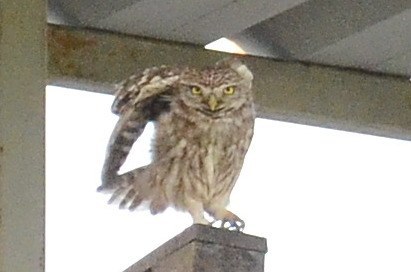
Little Owl
Wing and body feathers

Balsas Screech-Owl
Small ear-tuft feathers; soft, finely vermiculated body feathers

Blakiston's Fish Owl
Massive flight feathers with looser structure; shaggy body plumage; prominent ear-tuft feathers

Barn Owl
Wing and facial-disc feathers
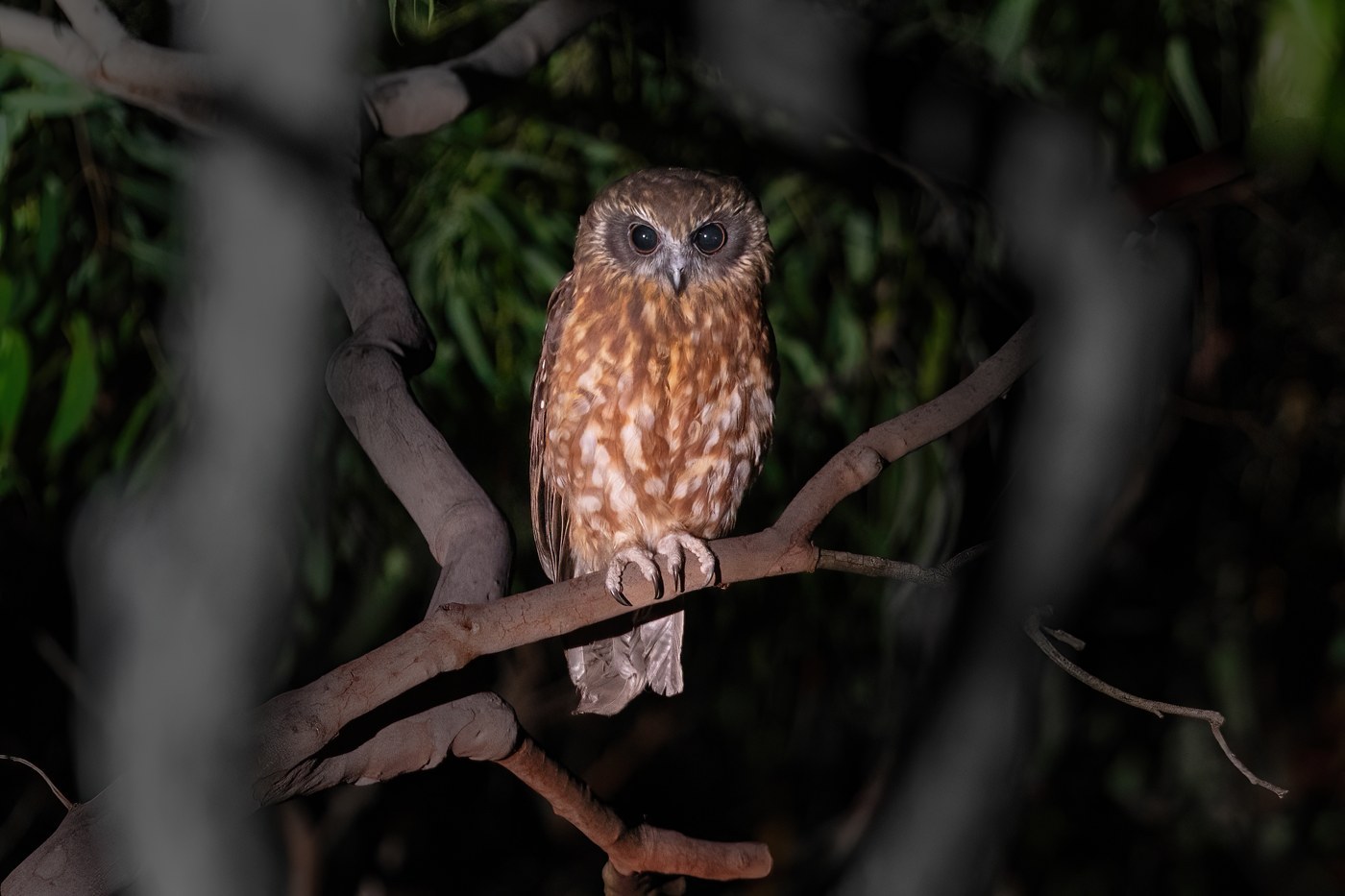
Southern Boobook
Rounded flight feathers; banded tail; spotted body plumage

Sooty Owl
Broad soft-edged flight feathers; heart-shaped facial disc feathers; finely speckled body plumage

Short-eared Owl
Broad soft-fringed flight feathers; streaked body feathers; tiny, rarely visible ear tufts

Stygian Owl
Dark, mottled flight and body feathers with long, closely-set ear tufts
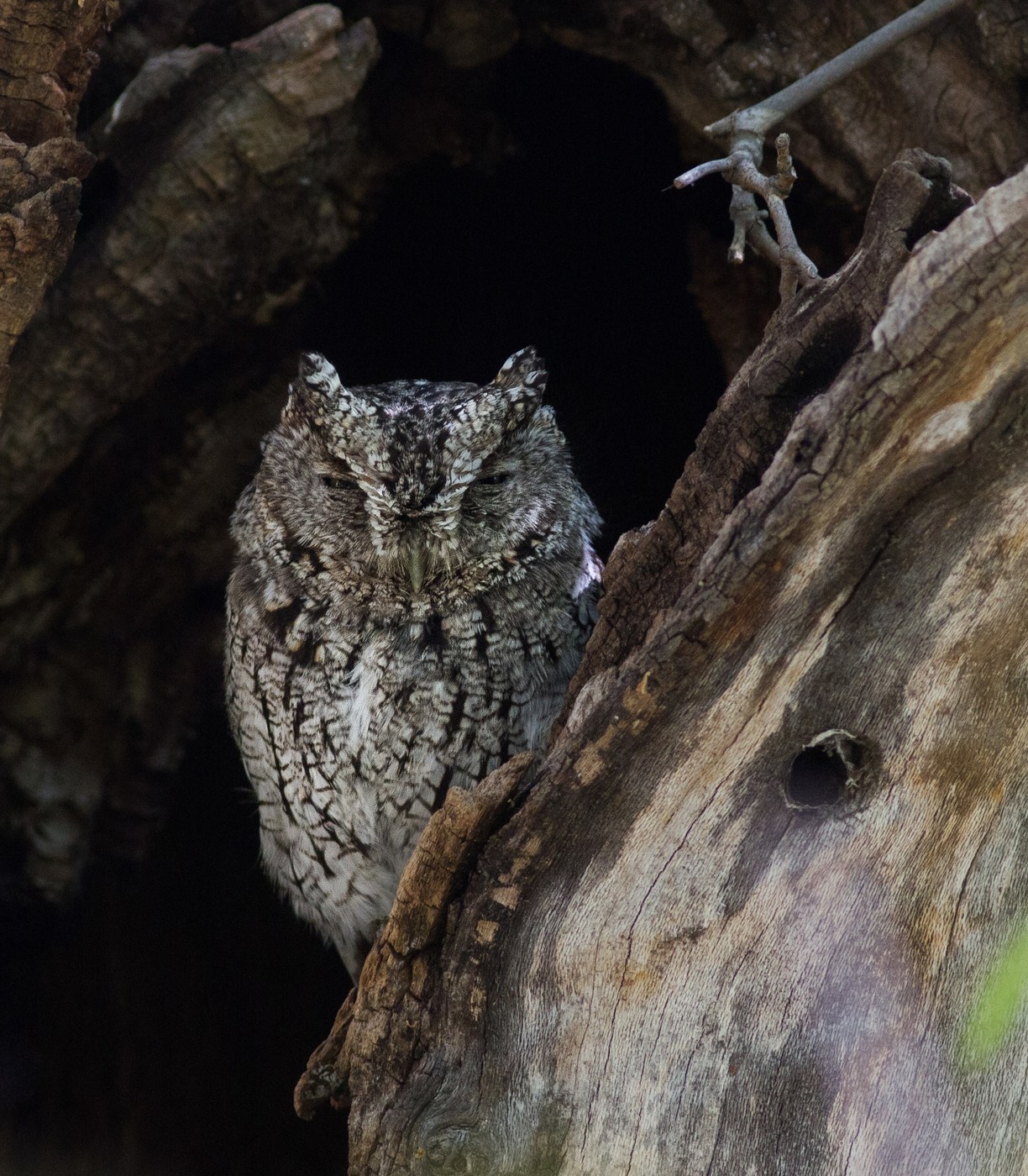
Whiskered Screech-Owl
Small soft-fringed flight feathers; finely mottled body feathers; short ear tufts
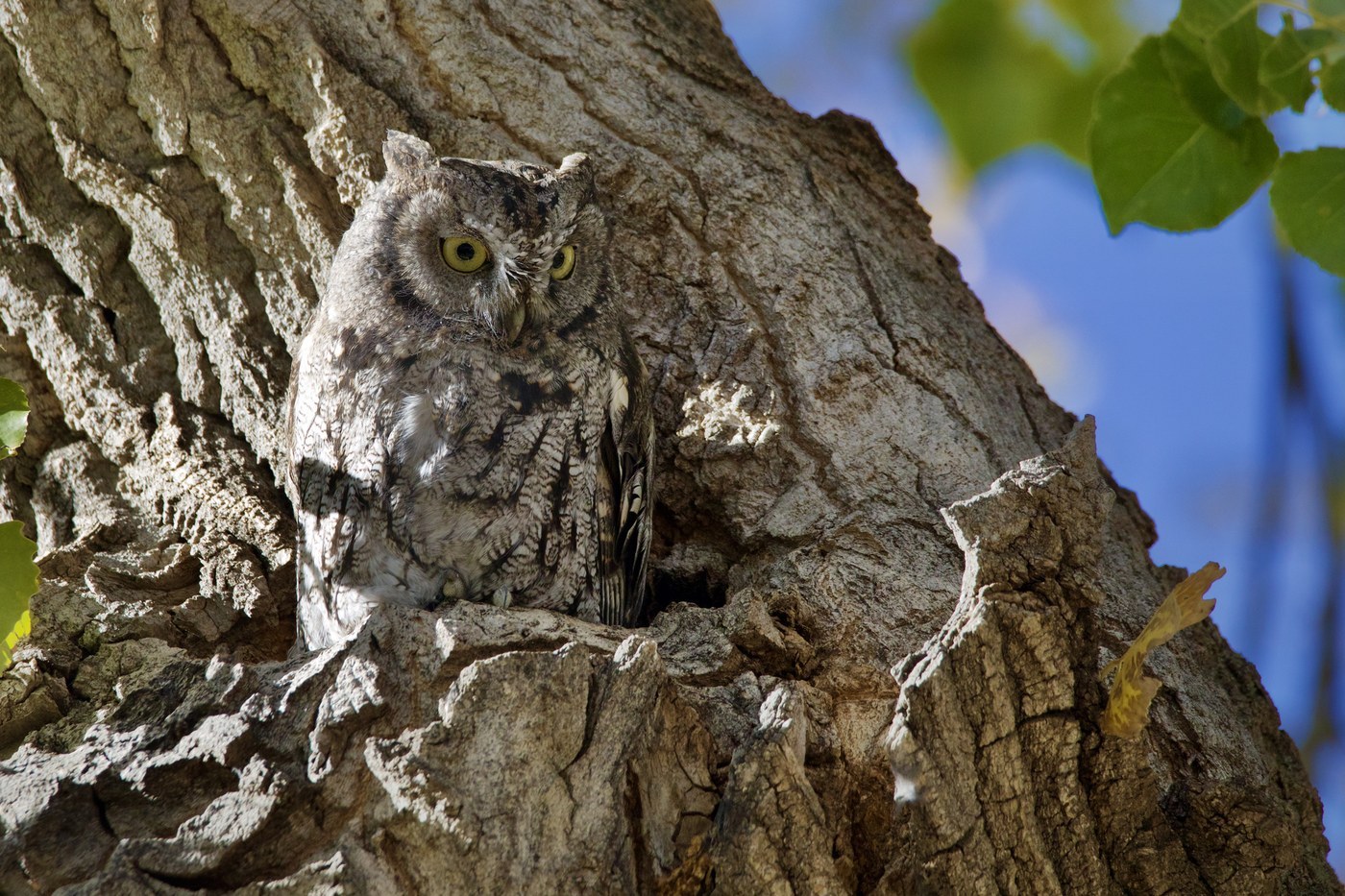
Western Screech-Owl
Small soft-fringed flight feathers; cryptic mottled/streaked body feathers; short ear tufts

White-faced Scops Owl
Small to medium flight feathers with a distinctive whitish facial disc and long ear-tuft plumes