

Northern Mockingbird
Mimus polyglottos
A slim gray songbird famous for its vocal mimicry, identifiable by the bold white patches on its wings and the white outer edges of its long tail.
- Feather type
- Long, graduated tail feathers with white outer edges; plain gray contour feathers; large white patches on the primary flight feathers
- Colours
- Overall gray above, pale gray-white below, bold white wing patches, white outer tail feathers
- Bird size
- Medium-slim songbird, ~21-26 cm, with a long tail
Found a feather like this?
Identify any feather from a photo, free.
Overview
The Northern Mockingbird is a familiar songbird across much of North America, well known for its extraordinary ability to mimic the songs and calls of other birds, as well as mechanical sounds. It is a common resident of suburban yards, hedgerows, and open scrub.
Its plumage is understated overall, a plain gray above and paler gray-white below, but this simplicity is broken by bold white patches on the wings and white outer tail feathers, both of which flash conspicuously during flight and display.
Feathers from this species are recognizable by their plain gray tone paired with these bright white highlights, a combination not matched by most other gray songbirds in its range.
Identifying the Feather
Size and Shape
Slim body feathers and a notably long, graduated tail relative to body size.
Color and Pattern
- Body and back feathers are plain gray, without streaking.
- Underside feathers are pale gray to whitish.
- Primary flight feathers show large white patches, very conspicuous in flight and wing-flashing displays.
- Outer tail feathers are white, contrasting with the darker gray central tail feathers.
Comparisons
The combination of plain gray body feathers with bold white wing patches separates this species from other mimids like the Gray Catbird (uniform slate-gray, no white wing patches) and the Brown Thrasher (rufous-brown, heavily streaked). Shrikes show a similar white wing patch but have a black facial mask and hooked bill not reflected in feather pattern alone.
Plumage & Molt
Sexes look alike. Juveniles show faint spotting on the breast that fades with maturity. One complete molt occurs annually after breeding.
Habitat & Range
Northern Mockingbirds are found across much of the southern, central, and increasingly northern United States, as well as Mexico and parts of the Caribbean, in open scrub, suburban yards, and hedgerows. Most populations are non-migratory residents.
Behavior & Field Notes
This species is renowned for mimicking the songs of other birds and even mechanical sounds, often singing extended repertoires from a prominent perch, sometimes at night. It performs a wing-flashing display while foraging, exposing the white wing patches, possibly to startle insects. It defends territory and nests aggressively, and feeds on both insects and fruit. A plain gray feather with a bold white patch or white-edged tail is a good match for this species.
Frequently asked questions
What is the best feather clue for identifying a Northern Mockingbird?
Plain gray body feathers combined with bold white patches on the primary flight feathers and white outer tail feathers.
How does this species' feathers differ from a Gray Catbird's?
Northern Mockingbird feathers show bold white wing patches and white outer tail feathers, while Gray Catbird feathers are uniformly slate-gray without white wing markings.
Do juvenile Northern Mockingbird feathers look different from adults?
Juveniles show faint breast spotting that fades as they mature into the plain gray adult plumage.
Why does this species flash white in its wings?
It performs a wing-flashing display while foraging, possibly to startle insects into moving, which also makes the white wing patches useful for feather identification.
Northern Mockingbird guides
In-depth guides for identifying and understanding Northern Mockingbird.

Northern Mockingbird identified by the community
Real feathers identified with Feather Identifier.


Other feathers you may enjoy

Yellow-breasted Bunting
Contour and flight feathers, chestnut-and-yellow breeding pattern
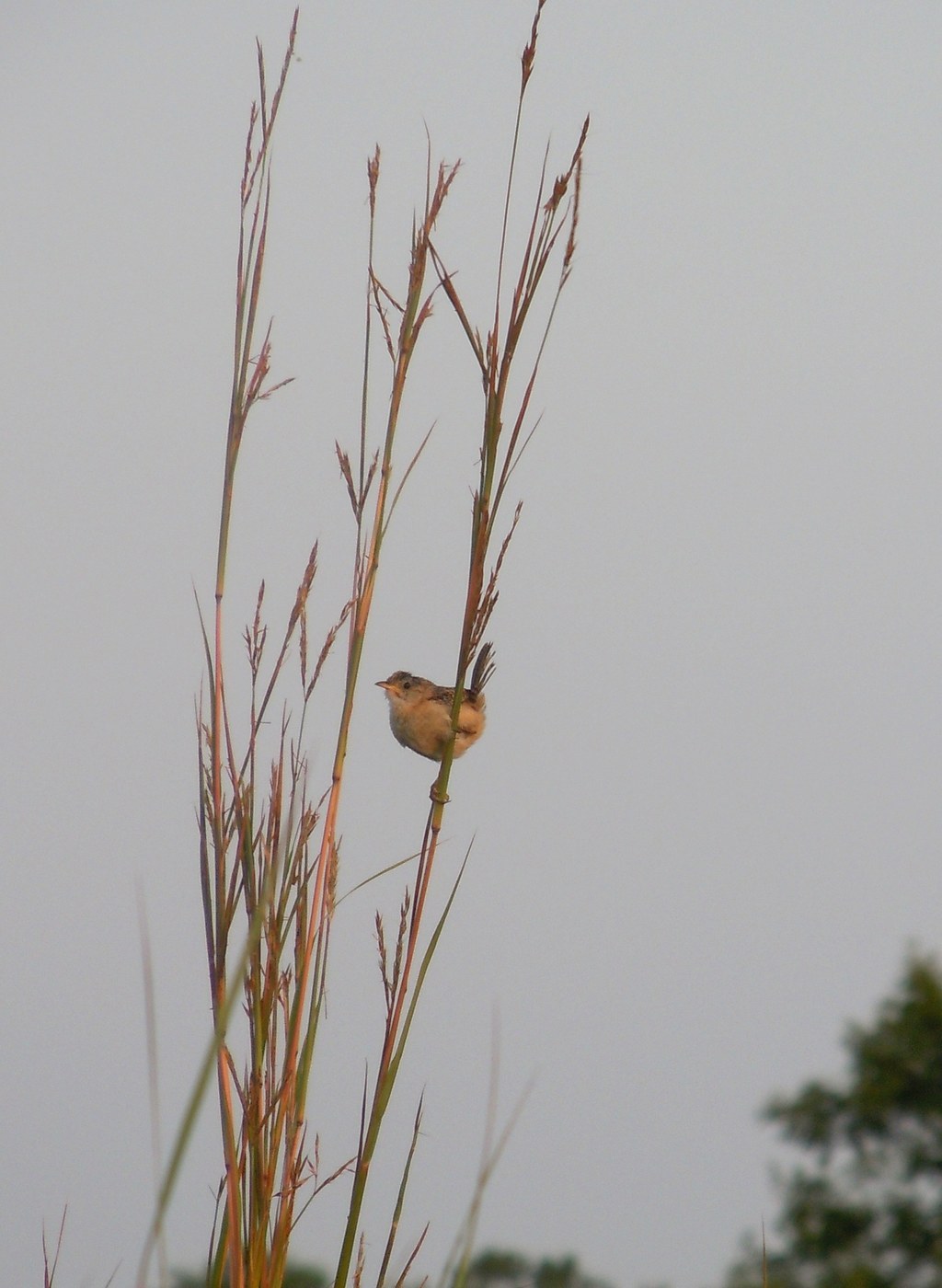
Sedge Wren
Tiny streaked crown and back feathers

Yellow-winged Cacique
Glossy black body feathers, yellow wing patch, shaggy crest

Yellow Warbler
Small contour and flight feathers
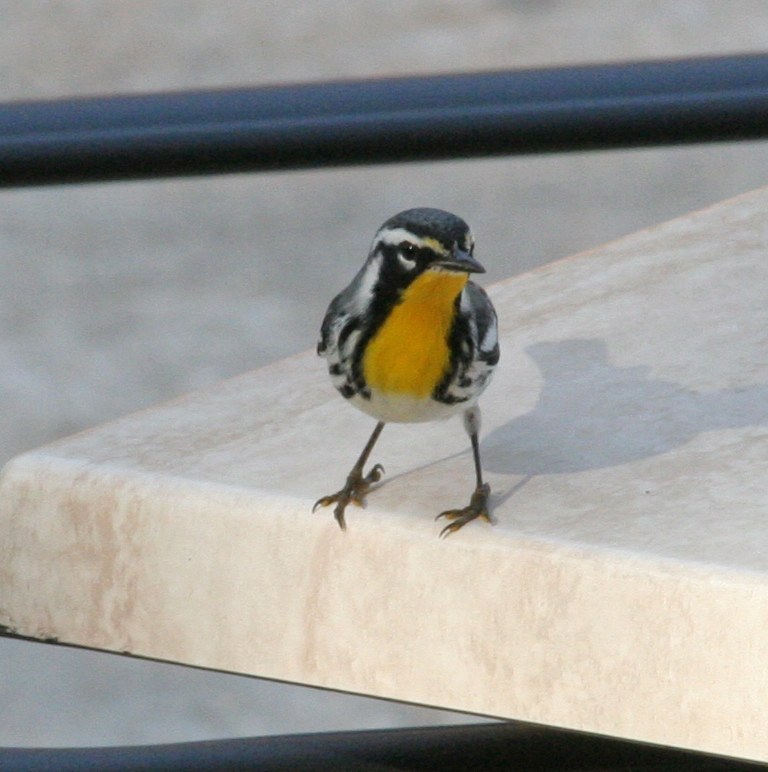
Yellow-throated Warbler
Small contour and flight feathers
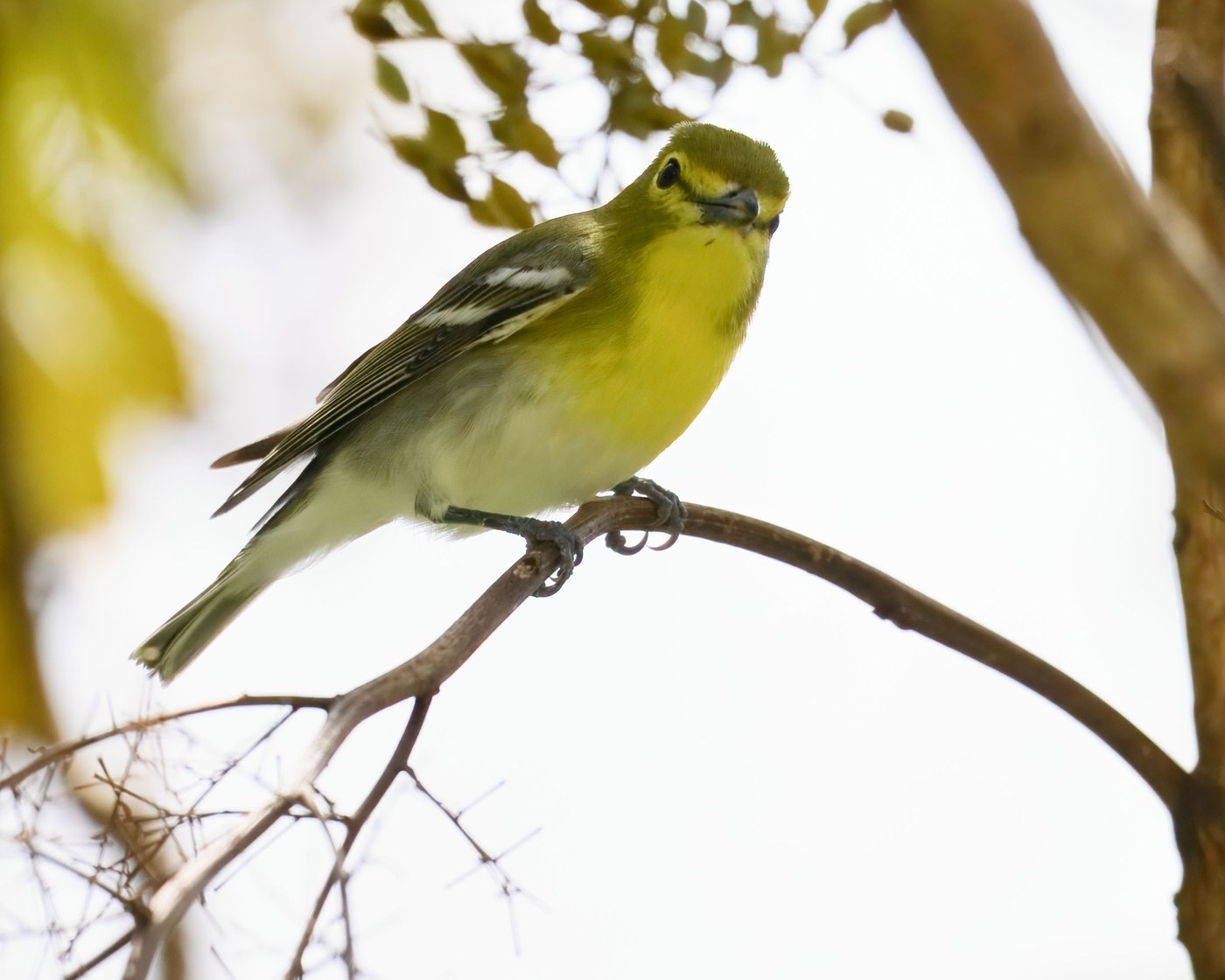
Yellow-throated Vireo
Bright yellow throat and spectacle feathers; olive-green back feathers; two white wing-bar feathers

Yellow-rumped Warbler
Small contour and flight feathers
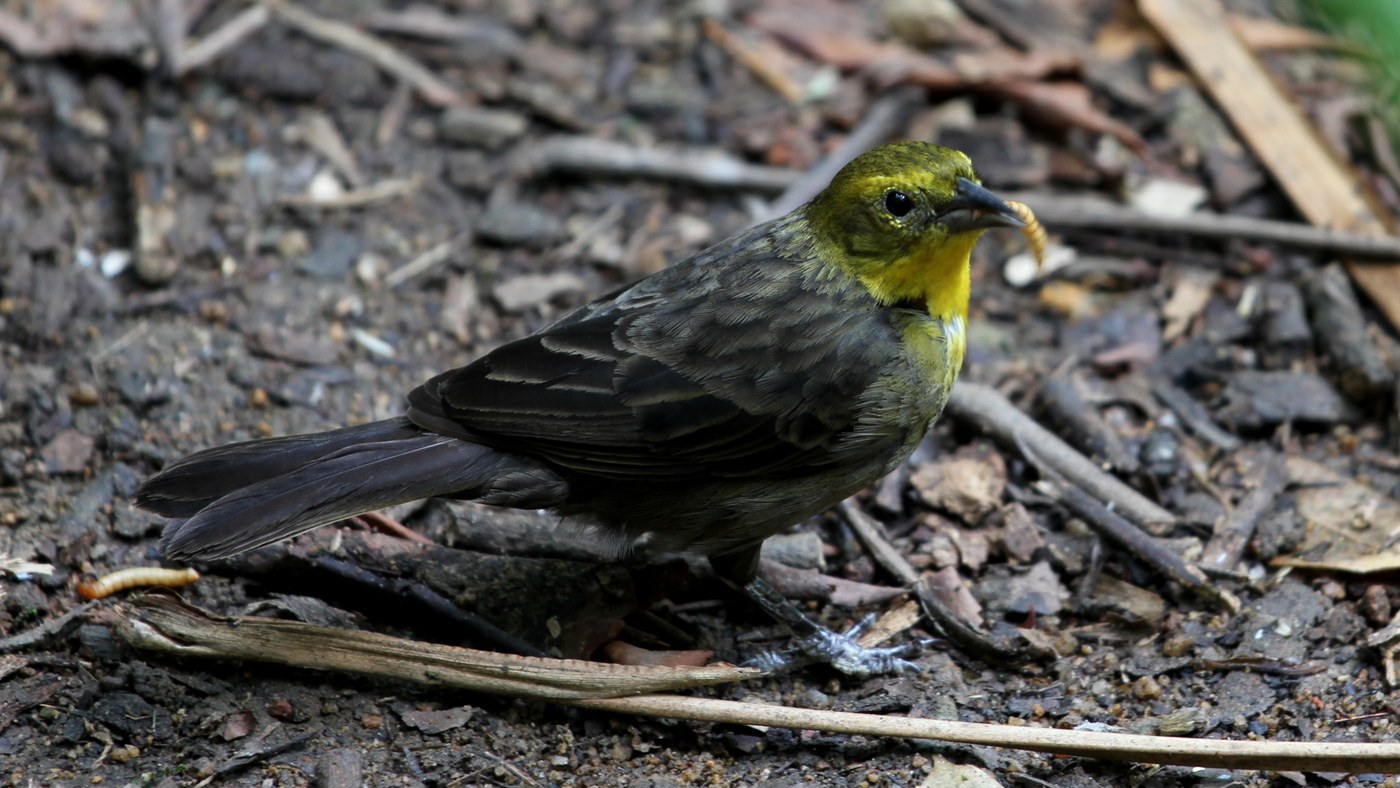
Yellow-hooded Blackbird
Contrasting hood and body feathers
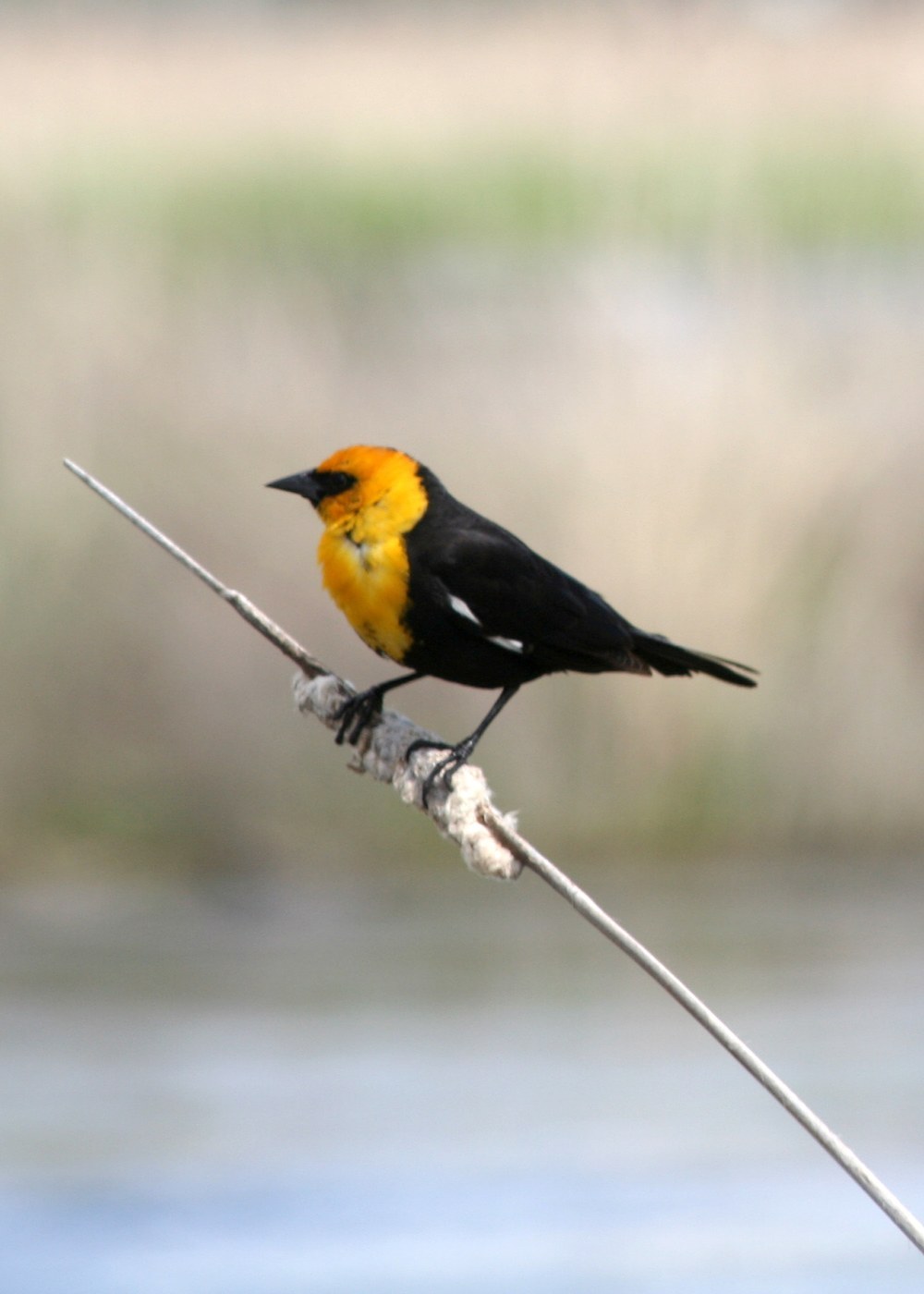
Yellow-headed Blackbird
Glossy black body plumage with a bright yellow head and breast

Yellow-eyed Junco
Contour and flight feathers

Yellow-fronted Canary
Small, smooth body plumage

Yellow-breasted Greenfinch
Compact, smooth body plumage