

North Island Robin
Petroica longipes
The North Island Robin is a dark, upright-perching forest bird of New Zealand's North Island, known for its tame curiosity around ground disturbance.
- Feather type
- Soft, dense contour feathers typical of an Australasian robin
- Colours
- Dark grey to blackish upperparts with a pale grey-white belly
- Bird size
- Small, ~18 cm
Found a feather like this?
Identify any feather from a photo, free.
Overview
Overview
The North Island Robin is an Australasian robin confined to forested parts of New Zealand's North Island and some offshore islands, where conservation efforts including translocation to predator-free sanctuaries have helped maintain populations. It is well known for approaching people and following ground disturbance in search of food.
- Family: Petroicidae (Australasian robins)
- Distribution: North Island of New Zealand and nearby predator-free islands
- Notable trait: long legs and upright stance typical of forest-floor robins
Identifying the Feather
Feather Identification
Upperpart feathers are dark grey to sooty black, with a paler grey-white breast and belly that can appear almost whitish in some individuals, especially males. The legs are notably long, aiding its upright stance and ground-foraging habit, and the tail is fairly short and dark. There is no strong wing barring or colour patch.
- Overall tone: dark above, pale below, with a clean two-tone look
- Key mark: long legs and upright perching posture close to the ground
- Compare with: South Island Robin (very similar; ranges are separated by main island) and the smaller, more colourful Tomtit
Plumage & Molt
Plumage
Males tend to have a cleaner, whiter breast while females are slightly duller grey below. Juveniles are mottled brown, gradually moulting into the darker grey-and-white adult plumage. There is little seasonal plumage change beyond the annual moult.
Habitat & Range
Habitat & Range
This robin lives in native forest, particularly where mature trees and leaf litter provide foraging opportunities, across parts of the North Island and on offshore islands where introduced predators have been removed. Populations are largely sedentary, holding territories year-round.
Behavior & Field Notes
Behavior & Field Notes
North Island Robins forage on the forest floor and low vegetation for invertebrates, often following larger animals or human foot traffic that disturbs leaf litter, a habit that makes them notably tame and easy to observe in predator-free reserves. Calls include clear, sharp piping notes. Nests are cup-shaped, built in tree hollows, forks, or dense vegetation.
- Diet: mainly forest-floor invertebrates
- Voice: clear, sharp piping calls and a simple song
- Field note: known to closely approach walkers on forest tracks, hopping alongside in search of disturbed insects
Frequently asked questions
Why are North Island Robins so tame?
They readily follow ground disturbance from animals or people, since it exposes invertebrates, making them habitually approach walkers on forest tracks.
How is it different from the South Island Robin?
The two are very similar in appearance and are mainly distinguished by range, occupying the North and South Islands respectively.
What does its underside look like?
A pale grey to whitish breast and belly contrasting with darker, sooty-grey upperparts.
Where is the best place to see one?
Predator-free sanctuaries and offshore islands on and around the North Island often hold healthy, approachable populations.
North Island Robin guides
In-depth guides for identifying and understanding North Island Robin.

Other feathers you may enjoy

Yellow-breasted Bunting
Contour and flight feathers, chestnut-and-yellow breeding pattern
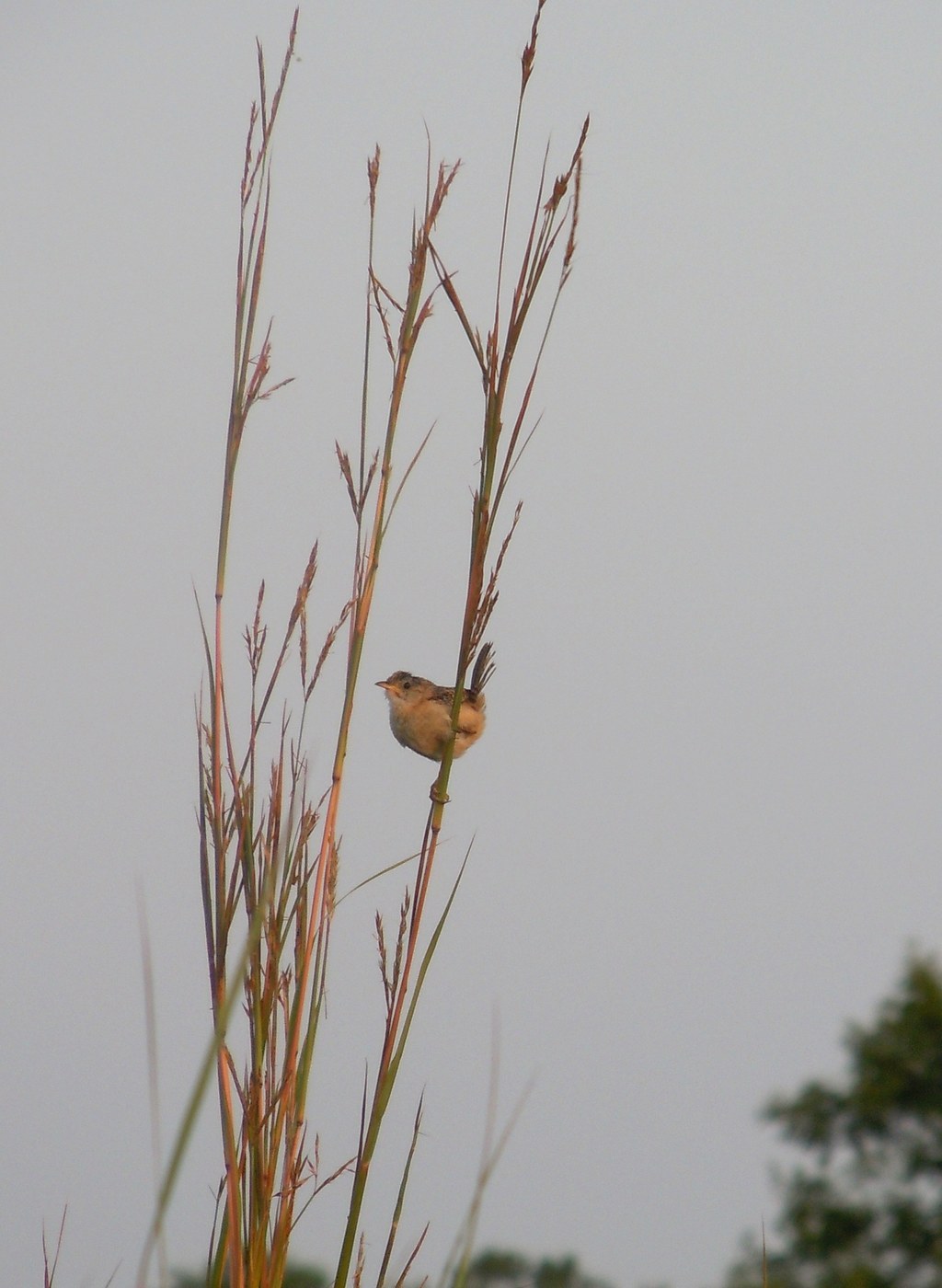
Sedge Wren
Tiny streaked crown and back feathers

Yellow-winged Cacique
Glossy black body feathers, yellow wing patch, shaggy crest

Yellow Warbler
Small contour and flight feathers
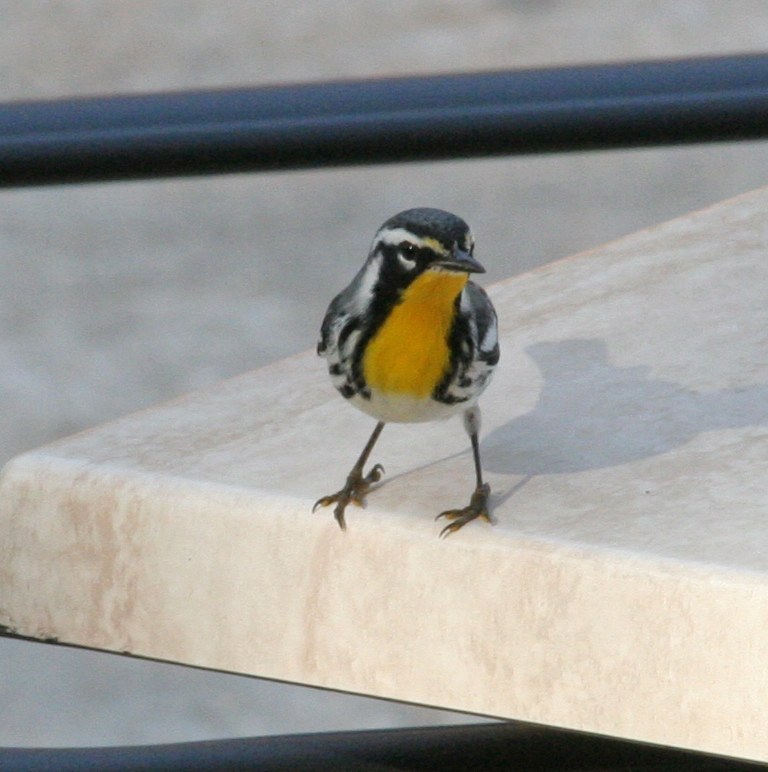
Yellow-throated Warbler
Small contour and flight feathers
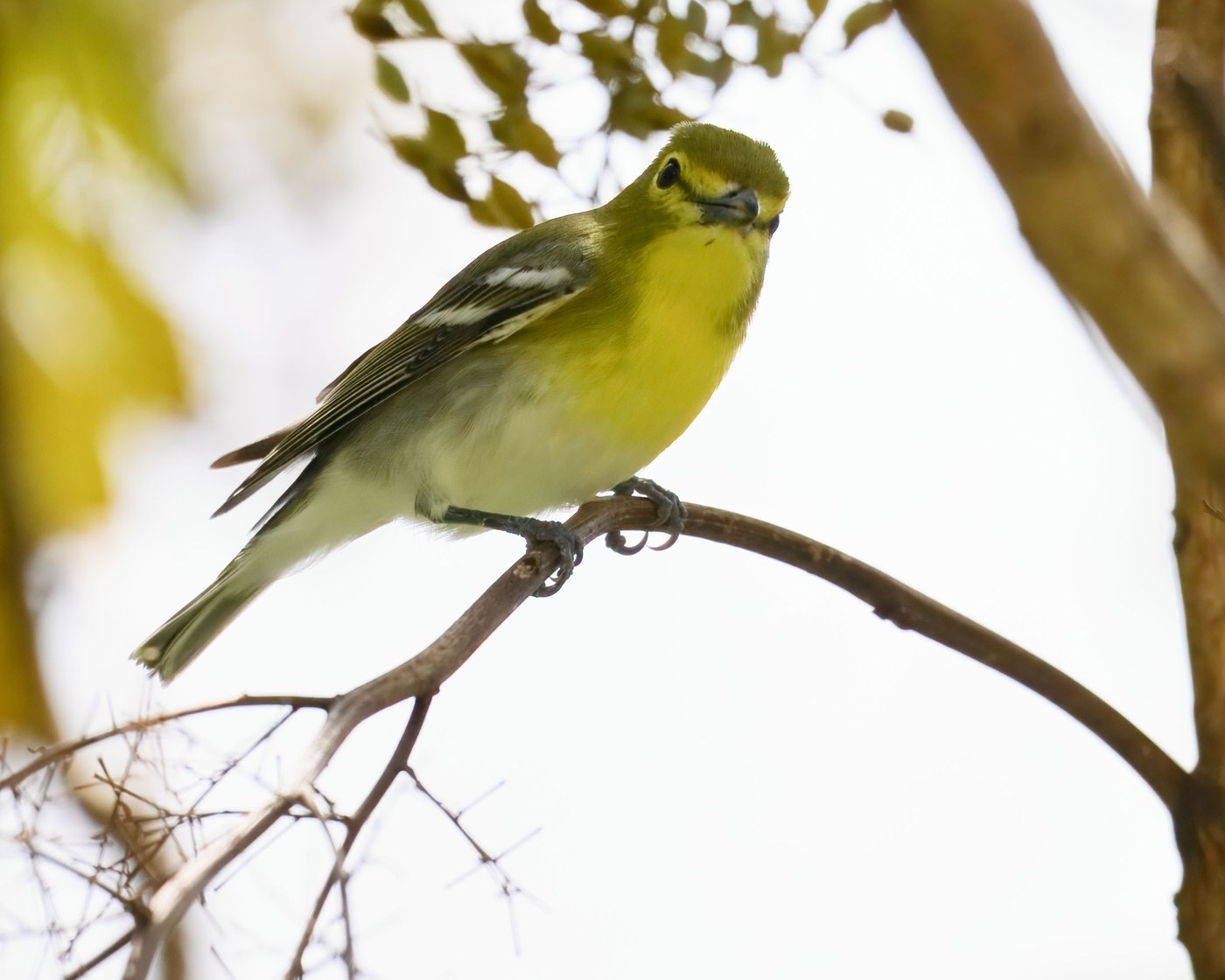
Yellow-throated Vireo
Bright yellow throat and spectacle feathers; olive-green back feathers; two white wing-bar feathers

Yellow-rumped Warbler
Small contour and flight feathers
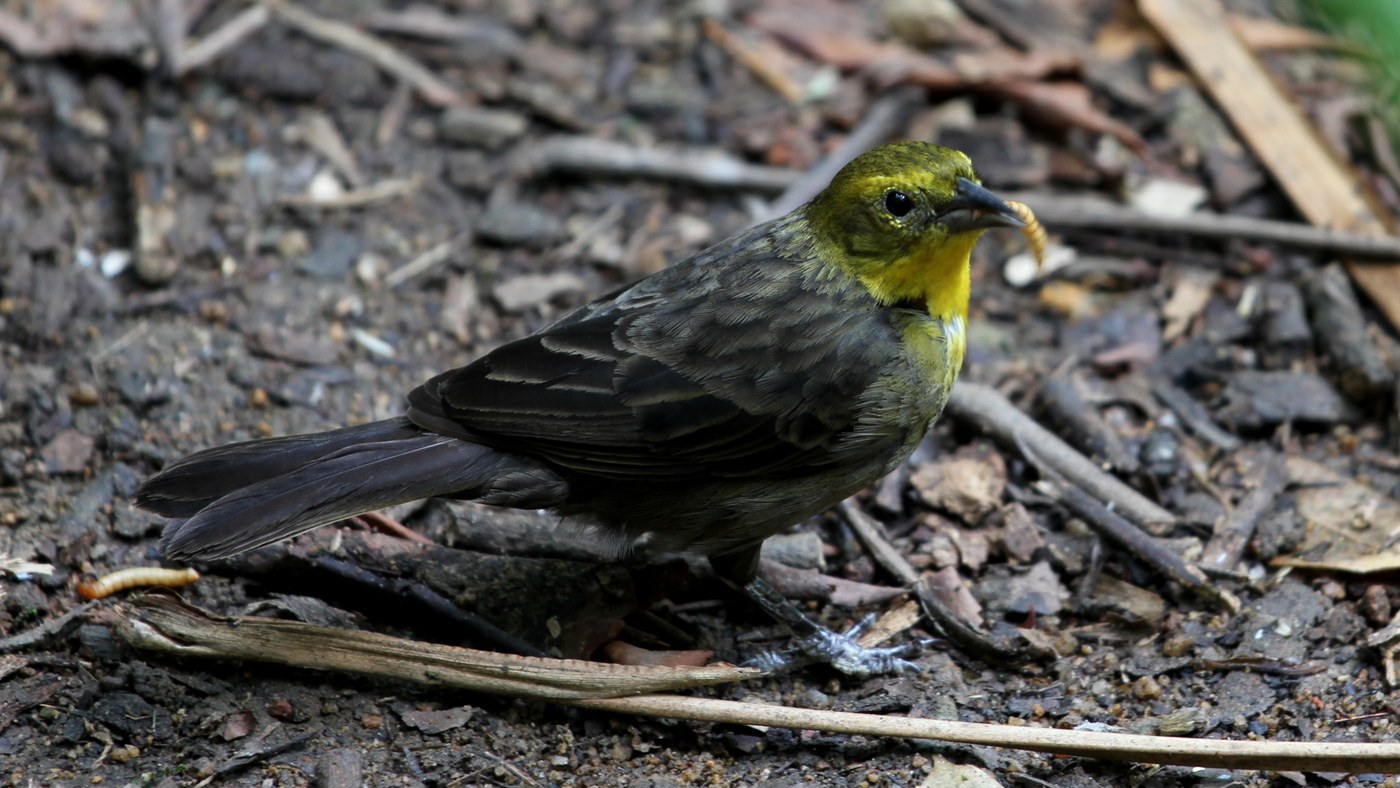
Yellow-hooded Blackbird
Contrasting hood and body feathers
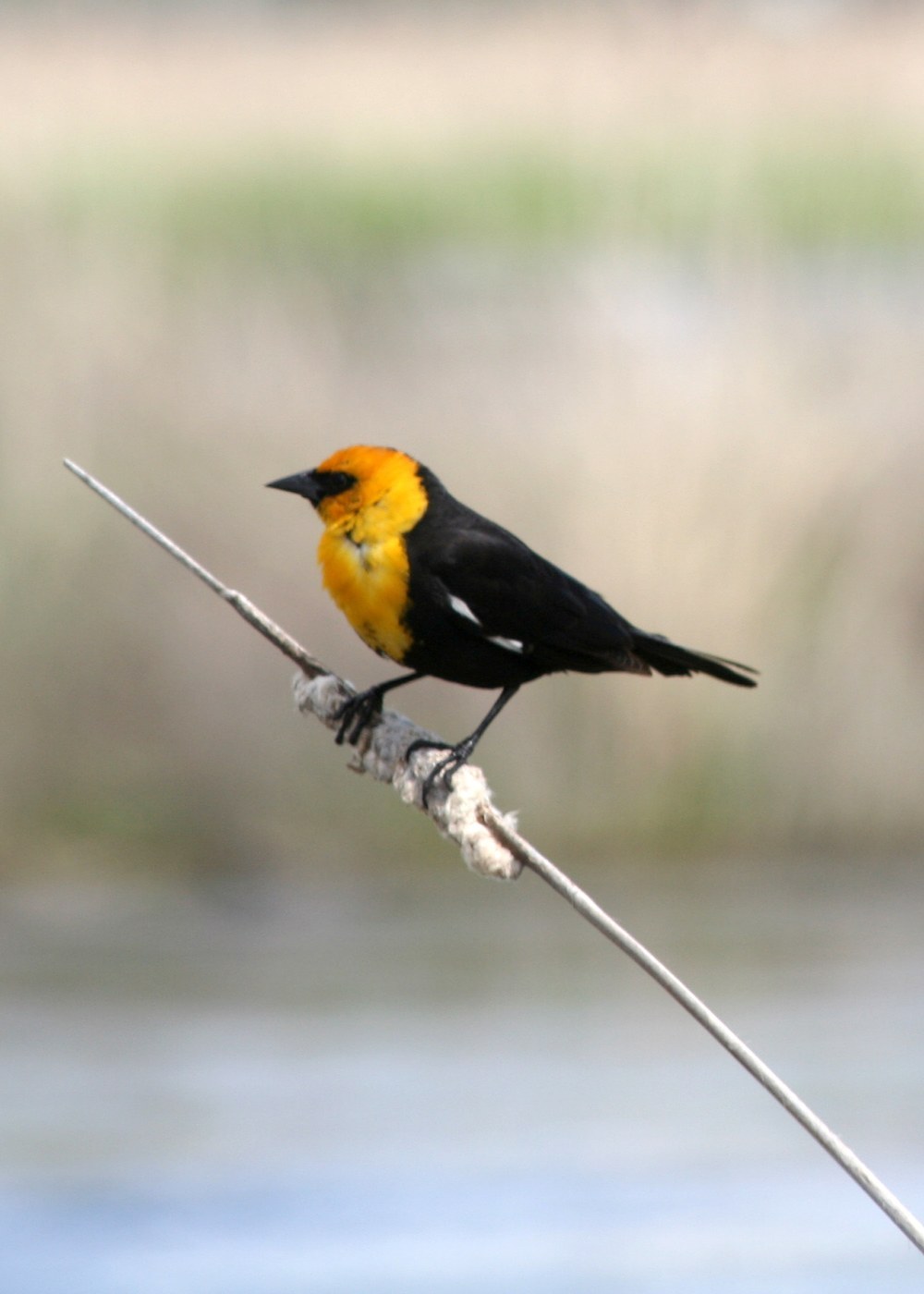
Yellow-headed Blackbird
Glossy black body plumage with a bright yellow head and breast

Yellow-eyed Junco
Contour and flight feathers

Yellow-fronted Canary
Small, smooth body plumage

Yellow-breasted Greenfinch
Compact, smooth body plumage