

New Zealand Bellbird
Anthornis melanura
The New Zealand Bellbird is an olive-green honeyeater-relative renowned for its clear, bell-like song, common in native forest across New Zealand.
- Feather type
- Soft, dense honeyeater-type contour feathers
- Colours
- Olive-green overall with a subtle purplish sheen on the male's head
- Bird size
- Small, ~20 cm
Found a feather like this?
Identify any feather from a photo, free.
Overview
Overview
The New Zealand Bellbird is one of the country's characteristic forest songbirds, known above all for its rich, resonant, bell-toned song, which early European visitors likened to distant chiming bells. It belongs to an endemic New Zealand family of honeyeater-like nectar feeders.
- Family: Meliphagidae (honeyeaters, New Zealand endemic genus)
- Distribution: throughout New Zealand and offshore islands
- Notable trait: song often given in dawn choruses alongside the Tui
Identifying the Feather
Feather Identification
Males are olive-green overall with a subtle purple-black sheen on the head and a small yellow patch at the bend of the wing, while females are duller olive-brown with a distinctive narrow white or pale stripe running from the base of the bill across the cheek. The bill is slender and curved, suited to nectar feeding. Wing and tail feathers are plain olive with little contrasting pattern.
- Overall tone: olive-green, plainer than the glossier Tui
- Key mark: female's pale cheek stripe; male's subtle purplish head sheen
- Compare with: Tui (larger, glossier black plumage with white throat tufts) and Silvereye (much smaller, white eye-ring)
Plumage & Molt
Plumage
Males and females differ, with males more uniformly olive with the head sheen and females duller with the pale cheek stripe and less pronounced sheen. Juveniles resemble females. There is no strong seasonal plumage change beyond the annual moult.
Habitat & Range
Habitat & Range
Bellbirds inhabit native forest, regenerating shrubland, and forest edge throughout New Zealand's North and South Islands and many offshore islands, though they were extirpated from parts of the North Island for a period before recovering in some areas. Most populations are sedentary, though some altitudinal movement occurs.
Behavior & Field Notes
Behavior & Field Notes
Bellbirds feed on nectar, fruit, and insects, and are important pollinators of native flowering plants. Their song, a series of clear, bell-like and chiming notes, is a defining sound of New Zealand forest dawn choruses, often performed alongside the Tui. Nests are cup-shaped structures built in dense foliage.
- Diet: nectar, fruit, and insects
- Voice: clear, resonant, bell-like chiming song
- Field note: often heard before seen, its song carrying well through forest canopy
Frequently asked questions
Why is it called the Bellbird?
Its song consists of clear, resonant, bell-like chiming notes that early observers compared to distant bells.
How can I tell a Bellbird from a Tui?
The Bellbird is smaller, plainer olive-green, and lacks the glossy black plumage and white throat tufts of the Tui.
Do male and female Bellbirds look different?
Yes, males are more uniformly olive with a subtle purplish head sheen, while females are duller with a pale cheek stripe.
Is the Bellbird found throughout New Zealand?
It occurs on both main islands and many offshore islands, though its distribution has fluctuated historically, particularly in parts of the North Island.
New Zealand Bellbird guides
In-depth guides for identifying and understanding New Zealand Bellbird.

Other feathers you may enjoy

Yellow-breasted Bunting
Contour and flight feathers, chestnut-and-yellow breeding pattern
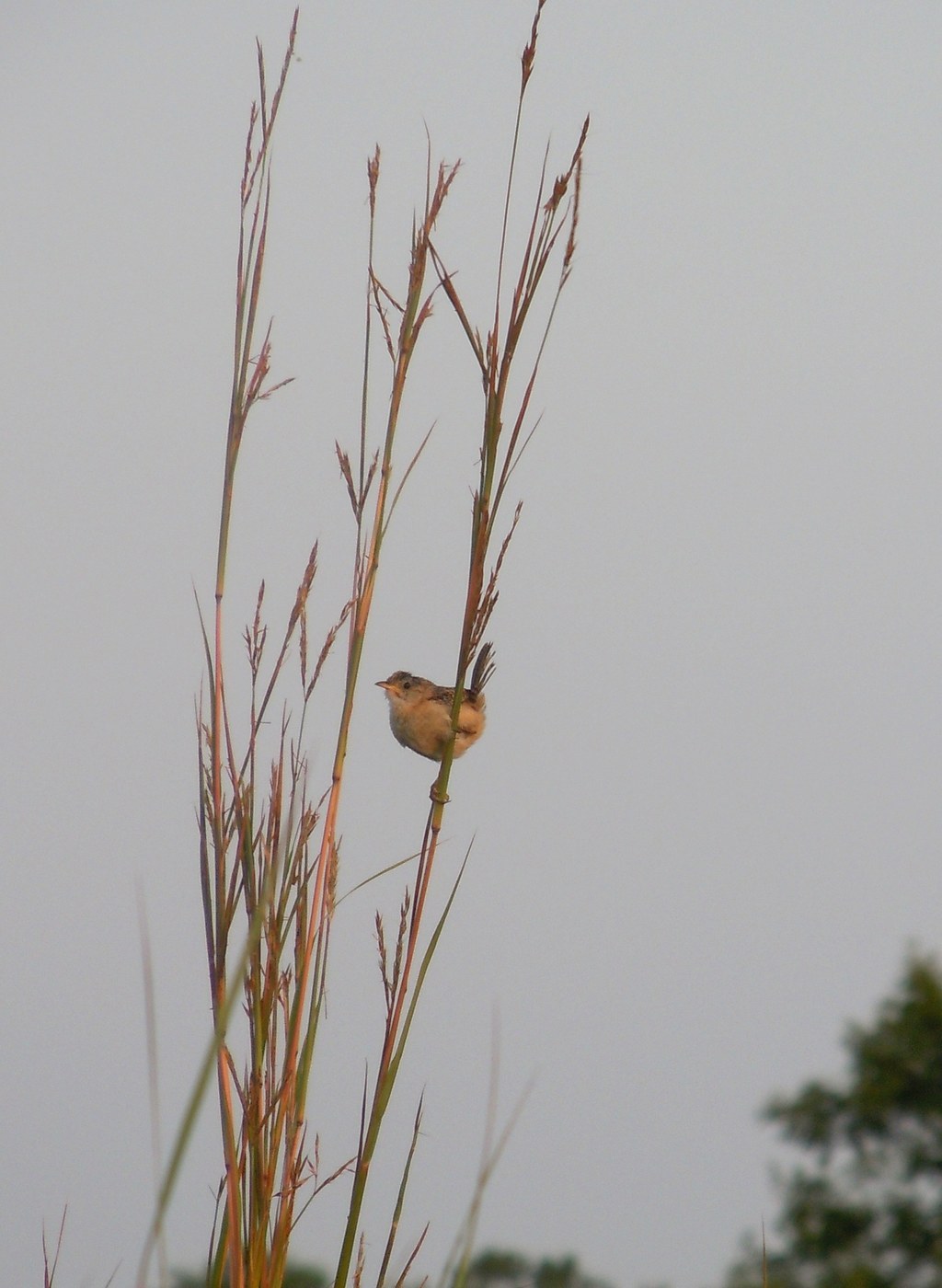
Sedge Wren
Tiny streaked crown and back feathers

Yellow-winged Cacique
Glossy black body feathers, yellow wing patch, shaggy crest

Yellow Warbler
Small contour and flight feathers
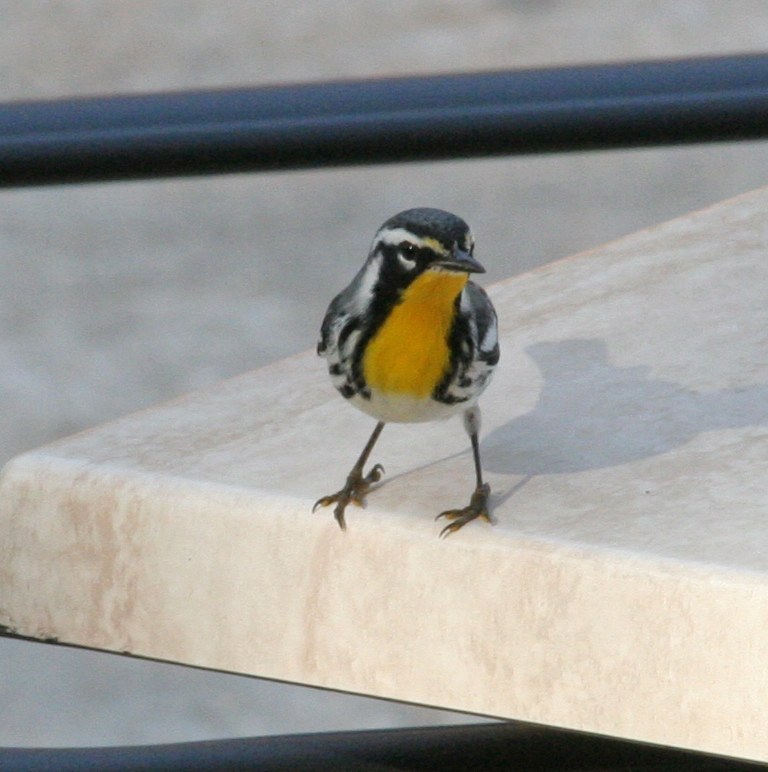
Yellow-throated Warbler
Small contour and flight feathers
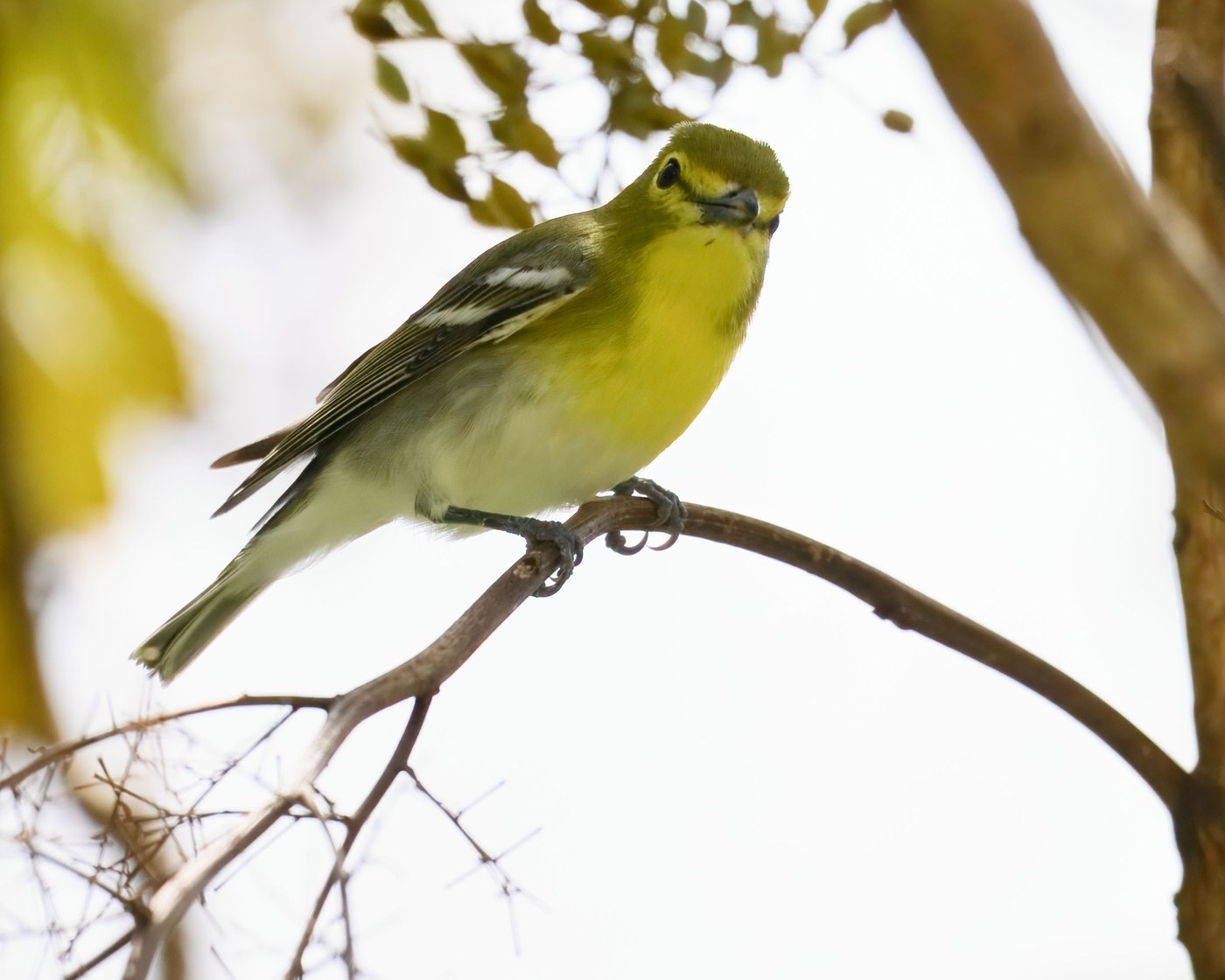
Yellow-throated Vireo
Bright yellow throat and spectacle feathers; olive-green back feathers; two white wing-bar feathers

Yellow-rumped Warbler
Small contour and flight feathers
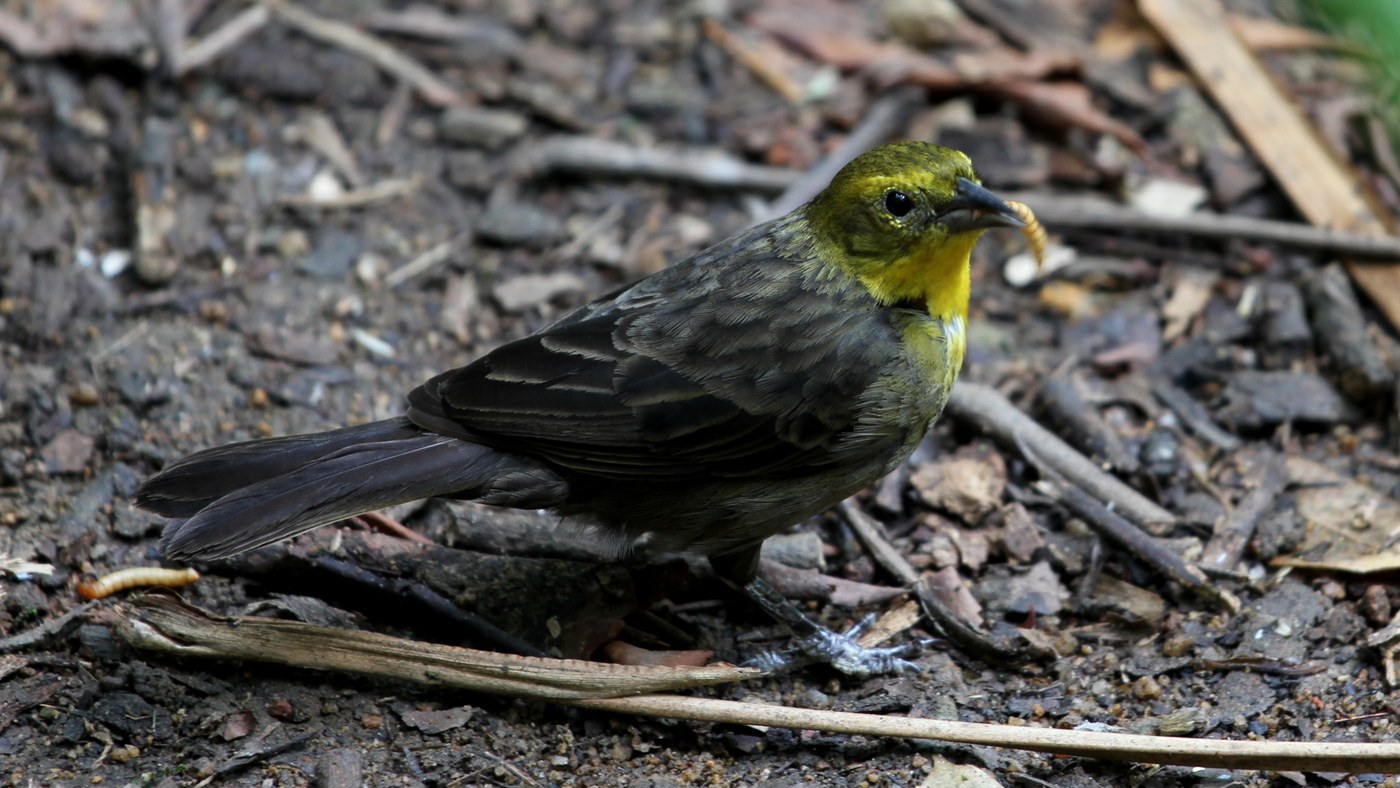
Yellow-hooded Blackbird
Contrasting hood and body feathers
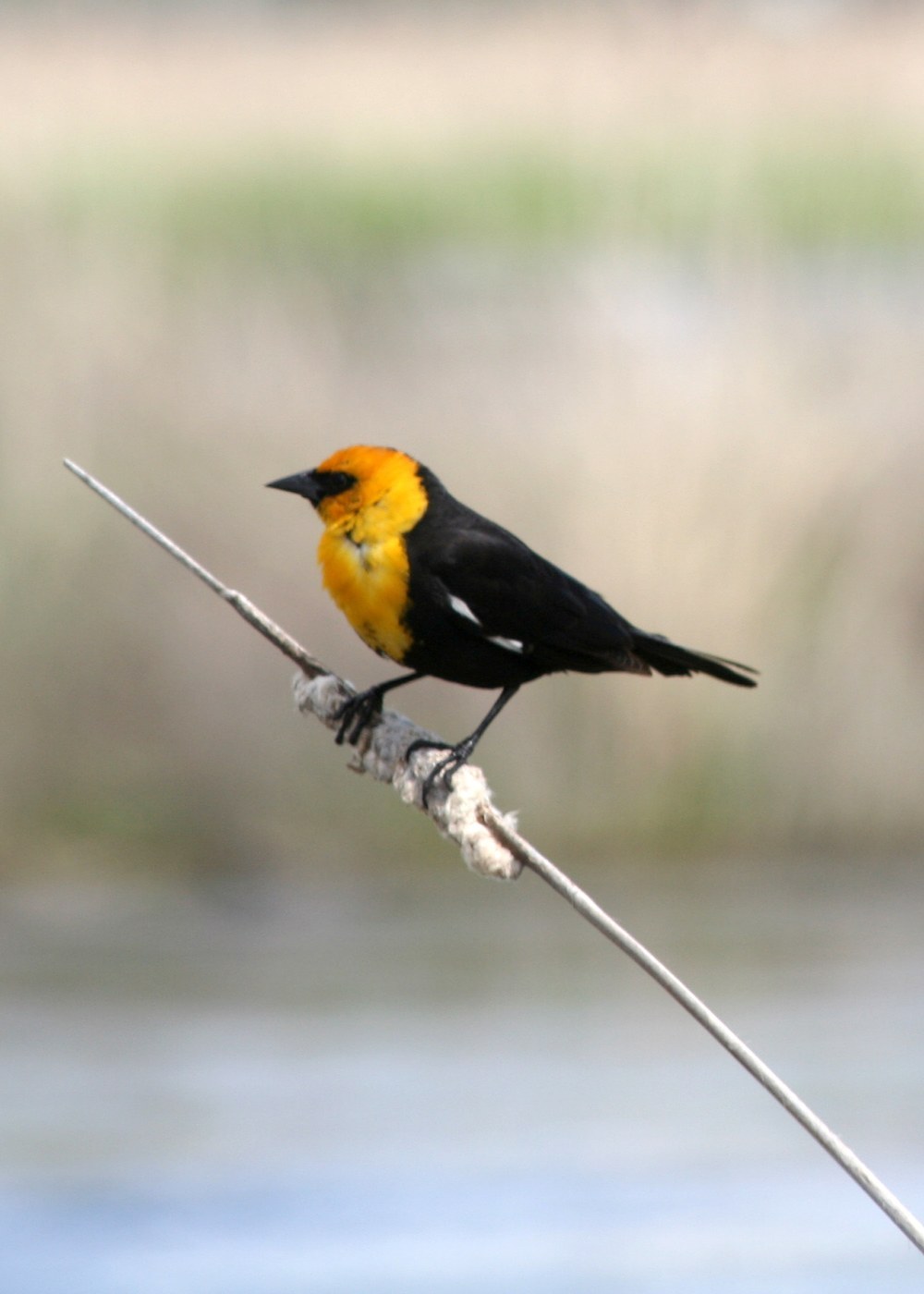
Yellow-headed Blackbird
Glossy black body plumage with a bright yellow head and breast

Yellow-eyed Junco
Contour and flight feathers

Yellow-fronted Canary
Small, smooth body plumage

Yellow-breasted Greenfinch
Compact, smooth body plumage