
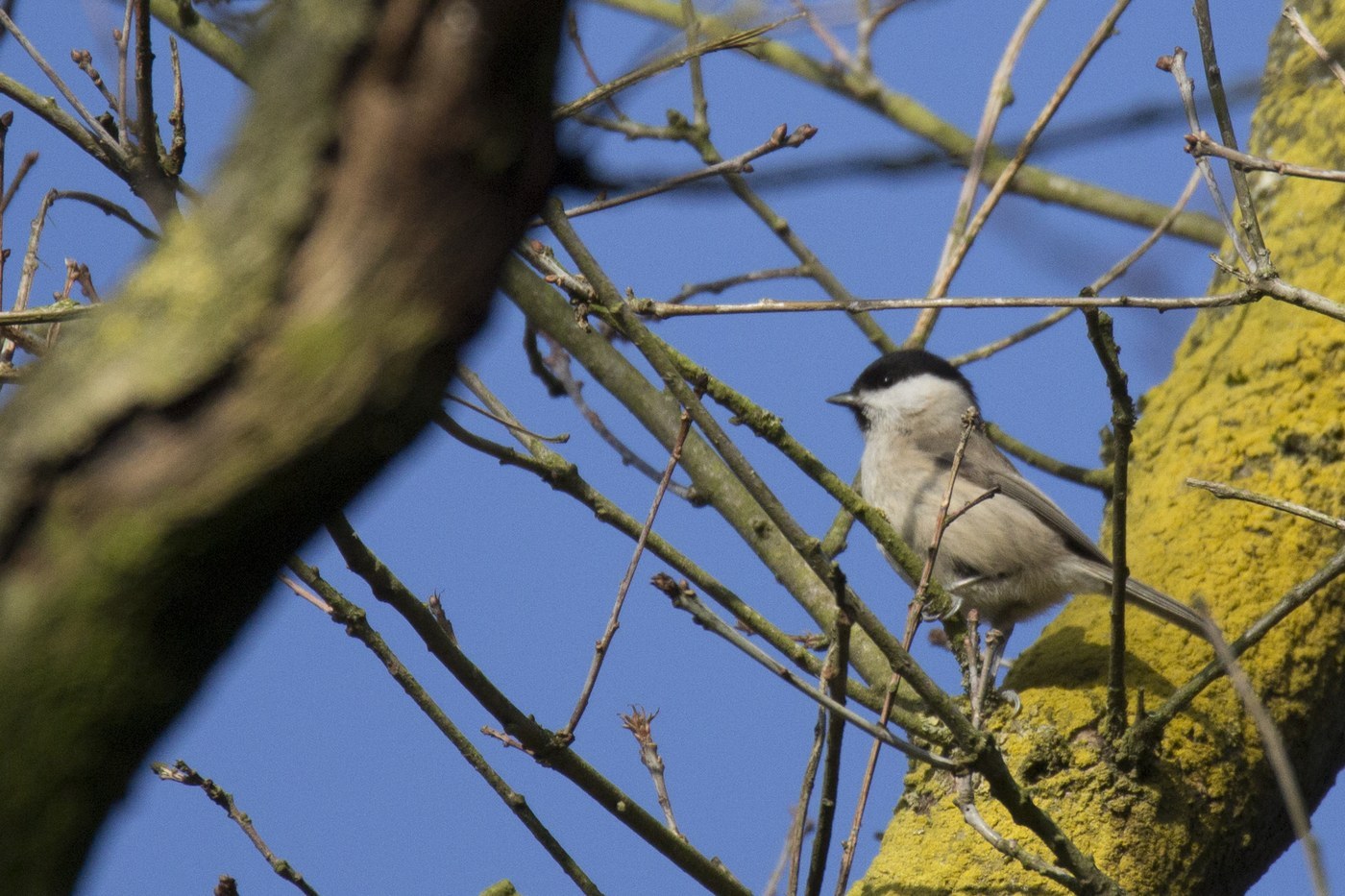
Marsh Tit
Poecile palustris
A plain-plumaged woodland tit with a small, neat glossy black cap and bib set against pale buff-brown body feathers, with plain wings lacking any wingbar.
- Feather type
- Small, plain contour feathers; unmarked rounded flight feathers
- Colours
- Glossy black cap, small black bib, pale brownish-buff body, plain unmarked wings
- Bird size
- Small, ~11.5-12 cm
Found a feather like this?
Identify any feather from a photo, free.
Overview
The Marsh Tit is a subtle, easily overlooked woodland tit despite its name, which is somewhat misleading since it favors deciduous woodland with dense shrub layers rather than true marshland. Its plumage is understated compared to more colorful tits, relying on a neat black cap and small bib against otherwise plain buff-brown feathers.
It is notoriously difficult to distinguish from the closely related Willow Tit both in the field and from feathers alone, requiring close attention to gloss and bib size.
Because it favors dense woodland understory, its feathers are most likely found in shaded, shrubby deciduous forest rather than open habitat.
Identifying the Feather
Identifying Marsh Tit feathers
- Crown feathers: Glossy, shiny black, catching light with a slight sheen — a key difference from the duller cap of Willow Tit.
- Bib feathers: Small, neat black patch under the bill, notably smaller than the bib of Willow Tit.
- Body feathers: Plain pale brownish-buff, unmarked, with no strong contrast markings.
- Wing feathers: Plain, lacking any pale wing panel or wingbar — a key difference from Willow Tit, which shows a pale panel on the secondaries.
- Compared to similar species: The glossy (versus matte) cap and smaller bib, plus the absence of a pale wing panel, are the most reliable ways to separate Marsh Tit feathers from the very similar Willow Tit.
Plumage & Molt
Plumage overview
Adults show a glossy black cap, a small black chin/throat bib, pale grey-brown upperparts, plain buff-white underparts, and plain unmarked wings. Sexes look alike.
Juveniles are similar to adults but with a slightly duller, less glossy cap until their first molt, which occurs in late summer.
Habitat & Range
Habitat and range
Despite its name, the Marsh Tit favors mature deciduous woodland with a dense shrub layer rather than actual marshes, and is found across much of Europe and temperate Asia. It is largely resident, rarely moving far from its established territory year-round.
It tends to avoid coniferous woodland, favoring broadleaf woods, hedgerows, and wooded gardens with good understory cover.
Behavior & Field Notes
Behavior and field notes
Marsh Tits forage in shrubs and low tree branches for insects and seeds, and are known for caching food in bark crevices for later use, similar to other tits. They tend to be less numerous at feeders than Great Tit or Blue Tit, often visiting singly or in pairs rather than large flocks.
Its call is a distinctive, sneezy "pitchou" note, a useful way to distinguish it from Willow Tit by voice when plumage alone is ambiguous. Nests are built in existing tree cavities rather than excavated. A useful field note: because Marsh and Willow Tit feathers are so similar, gloss level and bib size should both be checked carefully before concluding an identification.
Frequently asked questions
How do I tell a Marsh Tit feather from a Willow Tit feather?
Marsh Tit has a glossier black cap and a smaller bib, and lacks the pale wing panel that Willow Tit shows on its secondaries.
Does the Marsh Tit have a wingbar?
No, its wings are plain and unmarked, unlike several other common tit species.
Where do Marsh Tits actually live, despite the name?
Mature deciduous woodland with dense shrub understory, not marshland — the name is historically misleading.
Is Marsh Tit plumage brightly colored?
No, aside from the black cap and bib, its plumage is plain pale brownish-buff with no bright colors.
Marsh Tit guides
In-depth guides for identifying and understanding Marsh Tit.
Other feathers you may enjoy

Yellow-breasted Bunting
Contour and flight feathers, chestnut-and-yellow breeding pattern
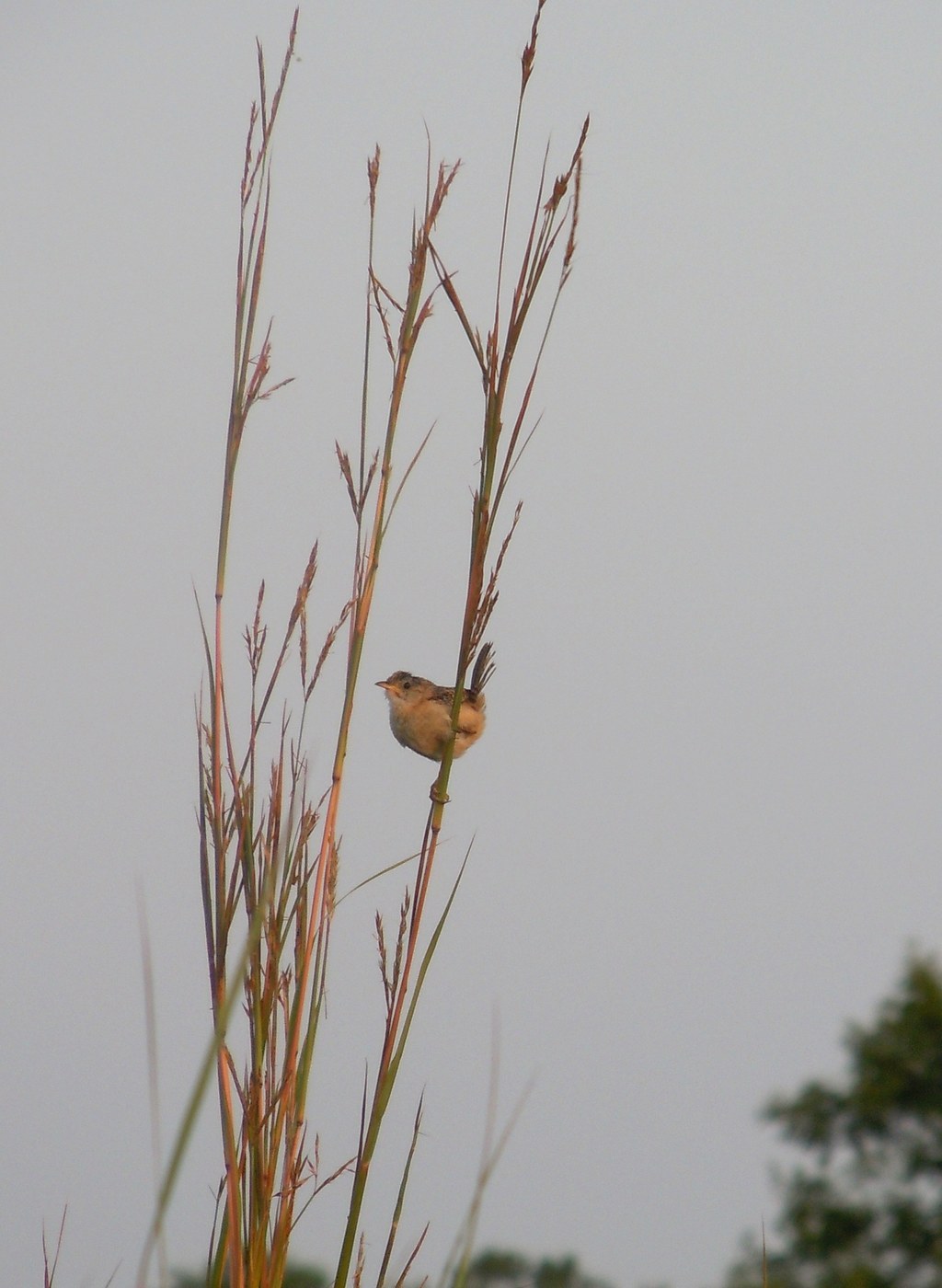
Sedge Wren
Tiny streaked crown and back feathers

Yellow-winged Cacique
Glossy black body feathers, yellow wing patch, shaggy crest

Yellow Warbler
Small contour and flight feathers
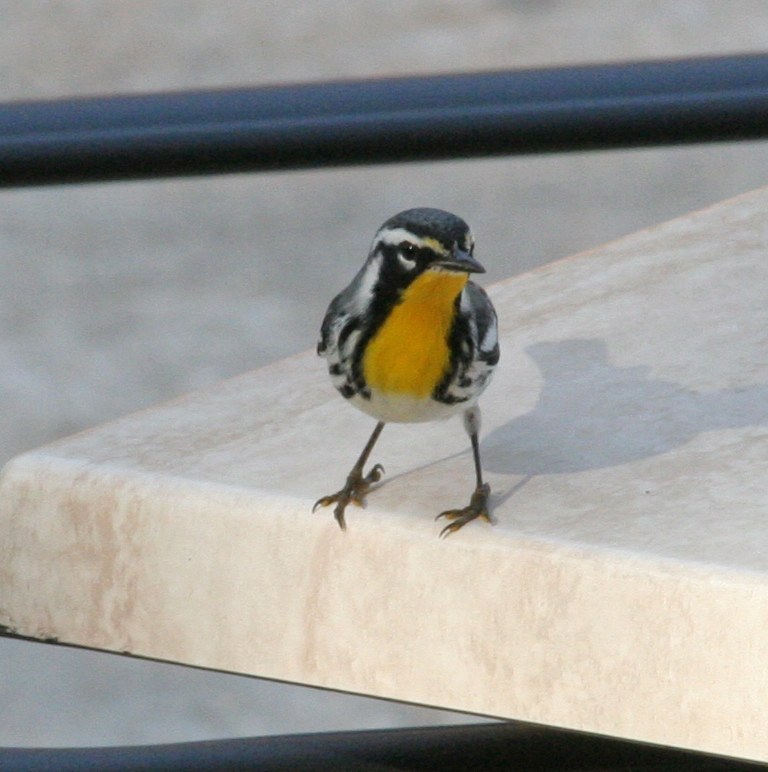
Yellow-throated Warbler
Small contour and flight feathers
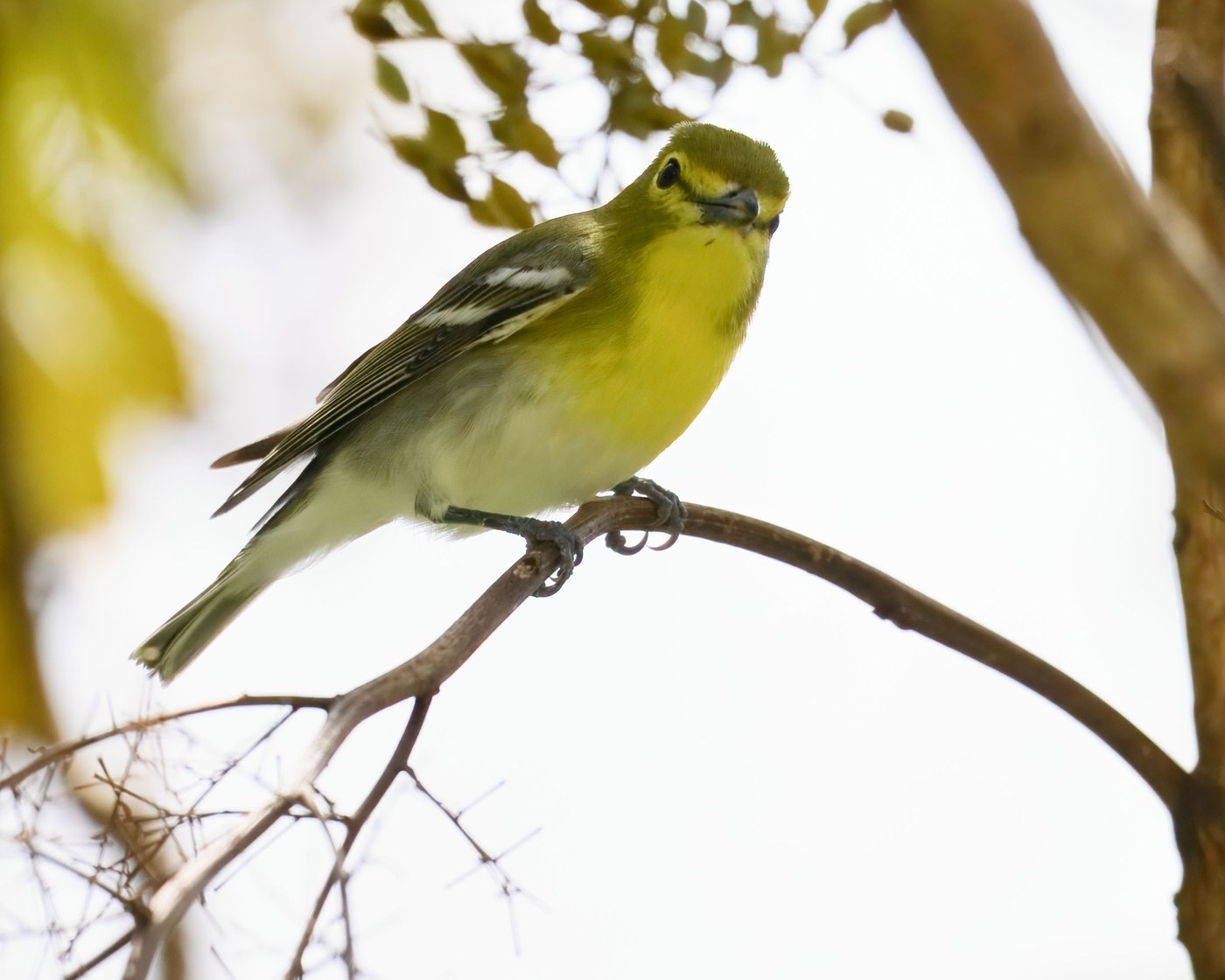
Yellow-throated Vireo
Bright yellow throat and spectacle feathers; olive-green back feathers; two white wing-bar feathers

Yellow-rumped Warbler
Small contour and flight feathers
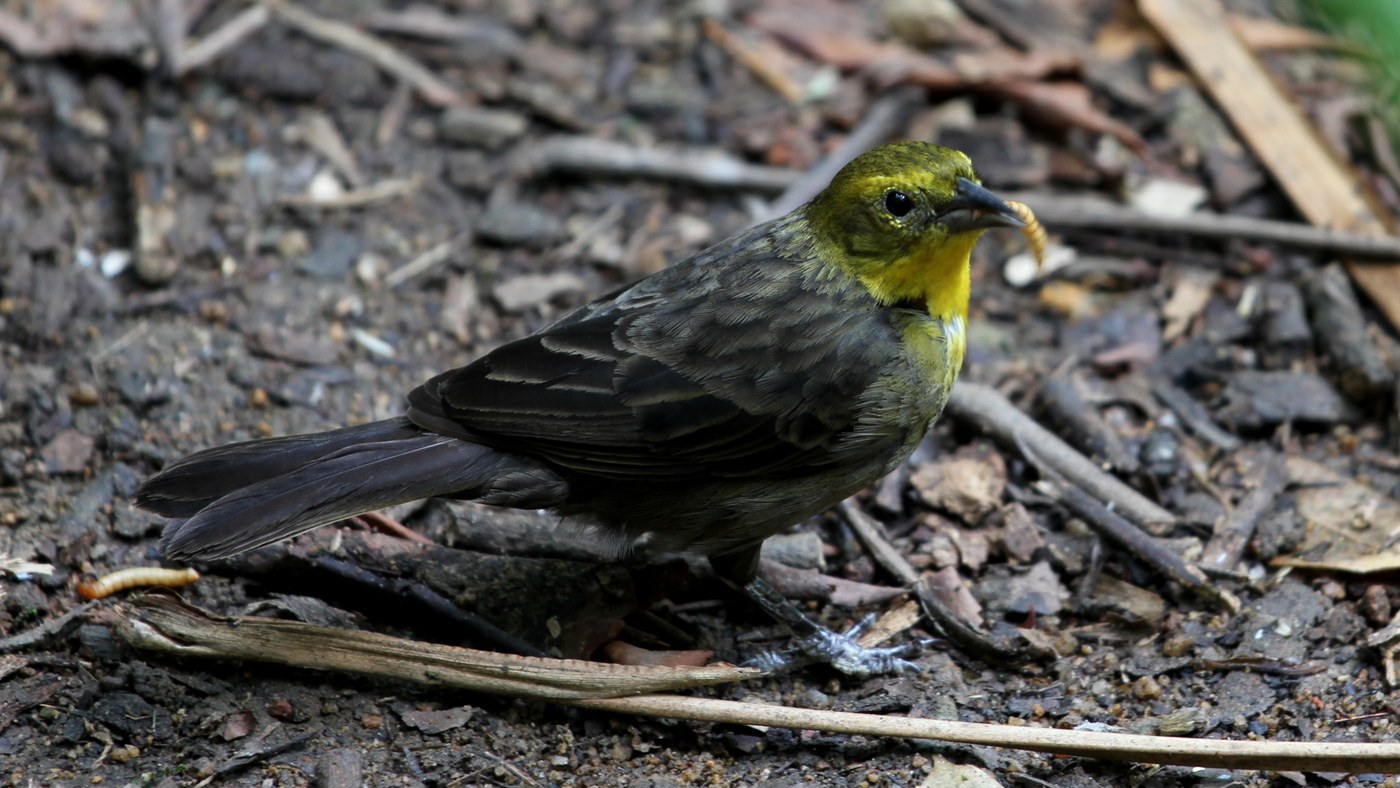
Yellow-hooded Blackbird
Contrasting hood and body feathers
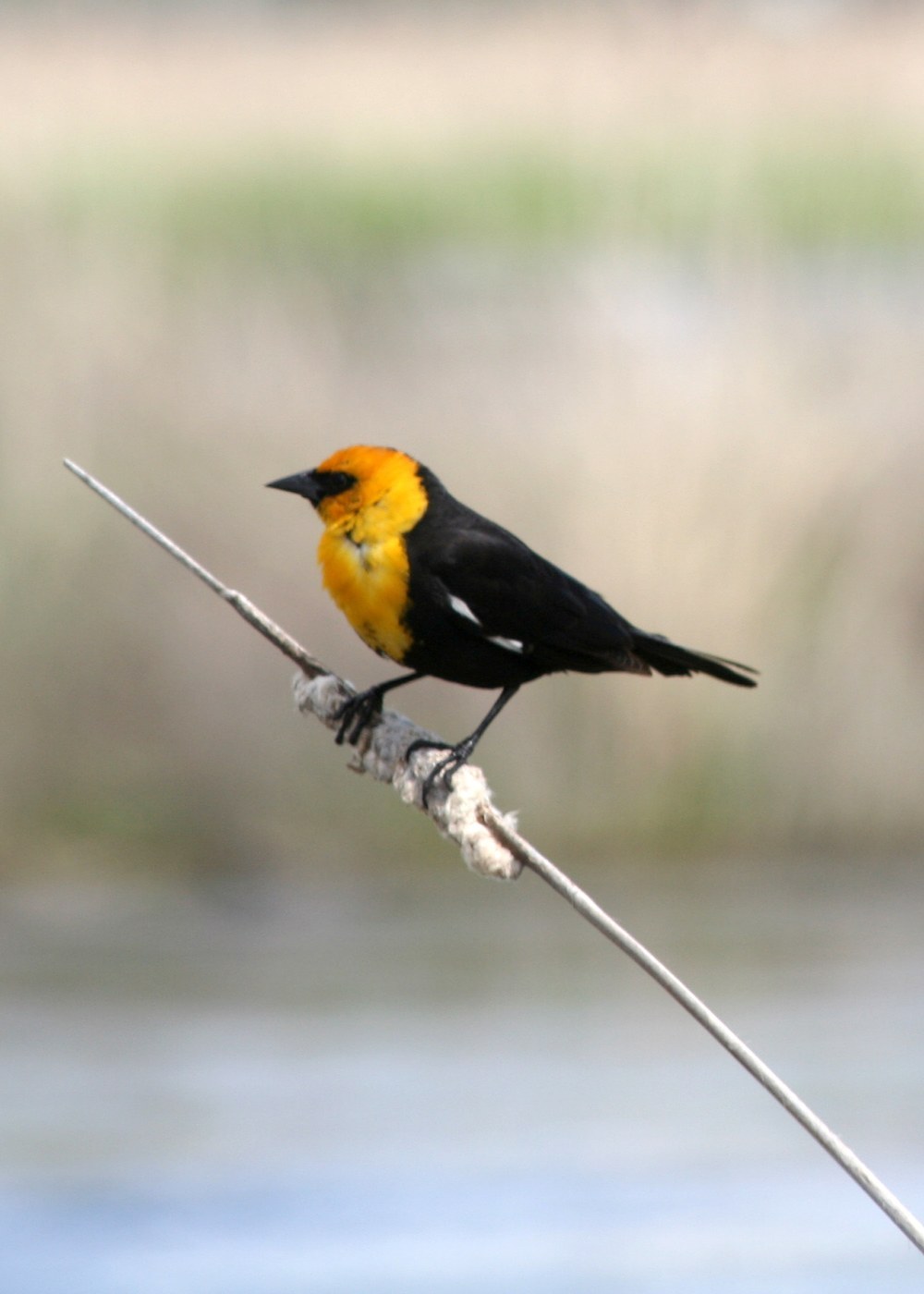
Yellow-headed Blackbird
Glossy black body plumage with a bright yellow head and breast

Yellow-eyed Junco
Contour and flight feathers

Yellow-fronted Canary
Small, smooth body plumage

Yellow-breasted Greenfinch
Compact, smooth body plumage