

Lucy's Warbler
Leiothlypis luciae
One of the smallest and palest North American warblers, essentially plain gray and white apart from a bright rufous rump patch and a concealed rufous crown spot.
- Feather type
- Small, soft contour feathers; pale gray overall, rufous rump patch
- Colours
- Pale gray, white underparts, rufous rump and crown patch
- Bird size
- One of the smallest warblers, ~11 cm
Found a feather like this?
Identify any feather from a photo, free.
Overview
Overview
Lucy's Warbler is among the smallest and plainest of North American warblers, a pale gray-and-white bird of desert riparian woodland and mesquite bosque habitat in the arid Southwest. Unlike most warblers, it nests in cavities, including old woodpecker holes and crevices, an unusual trait within the family.
Despite its overall plain appearance, this species is reliably identified by its small size, pale coloring, and a bright rufous patch on the rump, along with a similar but often concealed patch on the crown, within its restricted, hot desert riparian range.
Identifying the Feather
Feather Identification
- Overall coloring: Body feathers are pale gray above and whitish below, notably paler and plainer than most other warblers, without any yellow or olive tones.
- Rump: A bright rufous or chestnut patch on the rump is the most conspicuous and useful identifying feature, visible even at a distance or in flight.
- Crown patch: A similar rufous patch is present on the crown of adults but is typically concealed beneath overlying gray feathers, visible mainly at close range.
- Wings and tail: Wings and tail feathers are plain gray, without wing bars or strong patterning.
- Size: This is one of the smallest warbler species, and its feathers are correspondingly diminutive and lightweight.
Plumage & Molt
Plumage Details
Adult males typically show a somewhat more developed, though still often concealed, rufous crown patch alongside the bright rufous rump. Females and immatures show a duller, more restricted rufous rump patch and often lack a visible crown patch altogether. Overall sexual dimorphism is limited, and plumage differences between age classes are subtle.
A complete molt occurs on the breeding grounds after nesting, and this species shows little seasonal plumage change, remaining pale gray and white with the diagnostic rufous rump patch through the year.
Habitat & Range
Habitat & Range
Lucy's Warblers breed in desert riparian woodland, particularly mesquite bosque and similar streamside vegetation, across the arid Southwest, including parts of Arizona, California, New Mexico, and northern Mexico. This habitat type has declined in some areas, affecting local populations.
This species is a medium-distance migrant, wintering along the Pacific coast of Mexico, typically in dry thorn scrub and similar arid habitats.
Behavior & Field Notes
Behavior & Field Notes
This warbler forages actively in desert riparian shrubs and trees, gleaning insects from foliage and bark, and unusually among warblers, it nests in cavities such as old woodpecker holes, natural crevices, or under loose bark, rather than building an open cup nest.
The song is a brief, sharp series of notes with a rapid trill, delivered from a perch within its desert riparian habitat. Because of its plain appearance and small size, this species is often first detected by voice, and its dependence on desert riparian and mesquite habitat makes it a species of conservation interest where such habitat has been altered or reduced.
Frequently asked questions
What is the single most useful feather feature for identifying Lucy's Warbler?
The bright rufous patch on the rump is the most conspicuous and reliable feature, standing out against the otherwise pale gray plumage.
Is the crown patch usually visible on Lucy's Warbler?
No, the rufous crown patch is typically concealed by overlying gray feathers and is best seen at close range.
How does Lucy's Warbler nest differently from most warblers?
It nests in cavities such as old woodpecker holes or crevices rather than building an open cup nest in vegetation, an unusual trait for a warbler.
What habitat is essential for this species?
Desert riparian woodland, especially mesquite bosque, in the arid Southwest.
Lucy's Warbler guides
In-depth guides for identifying and understanding Lucy's Warbler.

Other feathers you may enjoy

Yellow-breasted Bunting
Contour and flight feathers, chestnut-and-yellow breeding pattern
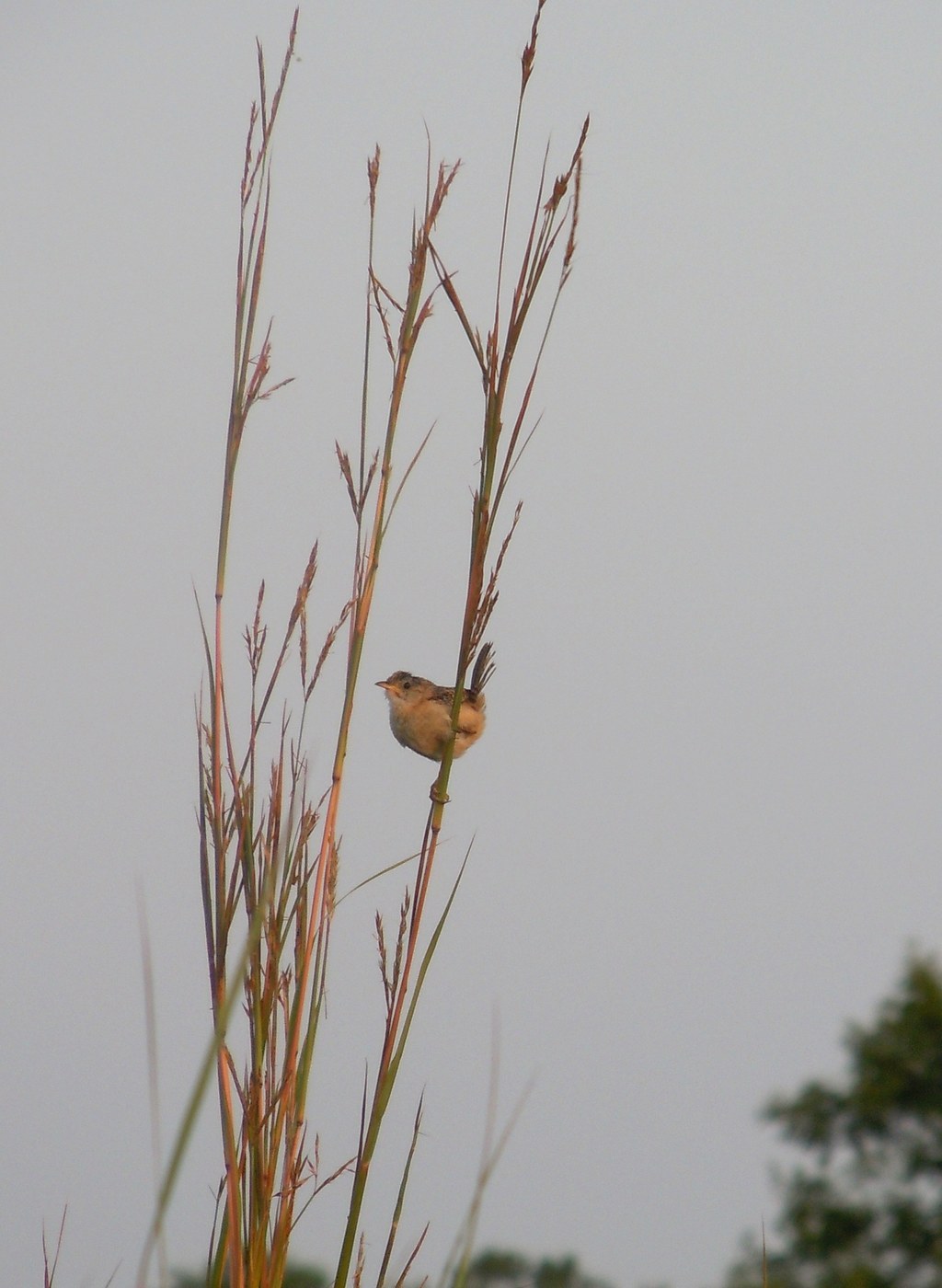
Sedge Wren
Tiny streaked crown and back feathers

Yellow-winged Cacique
Glossy black body feathers, yellow wing patch, shaggy crest

Yellow Warbler
Small contour and flight feathers
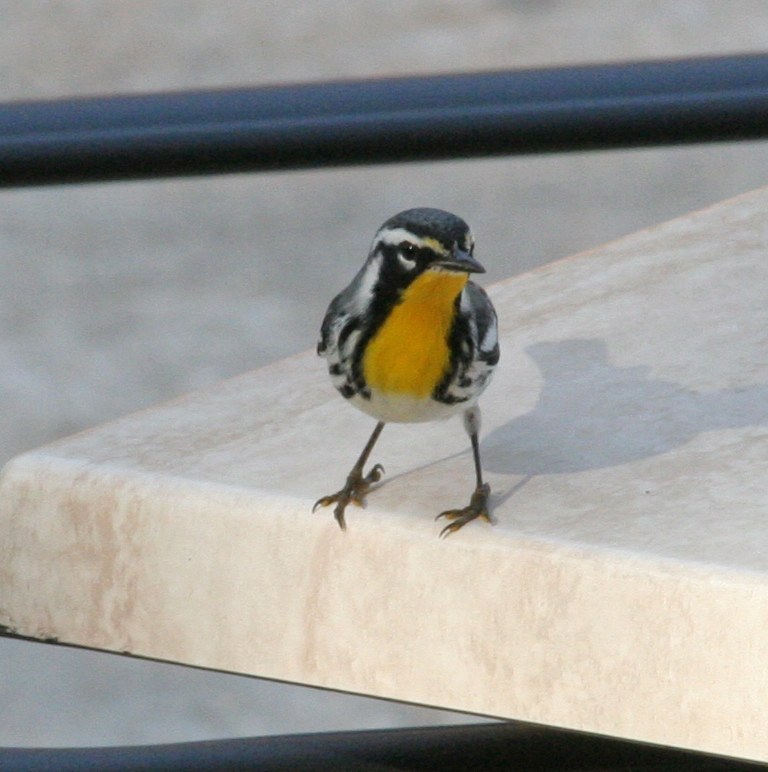
Yellow-throated Warbler
Small contour and flight feathers
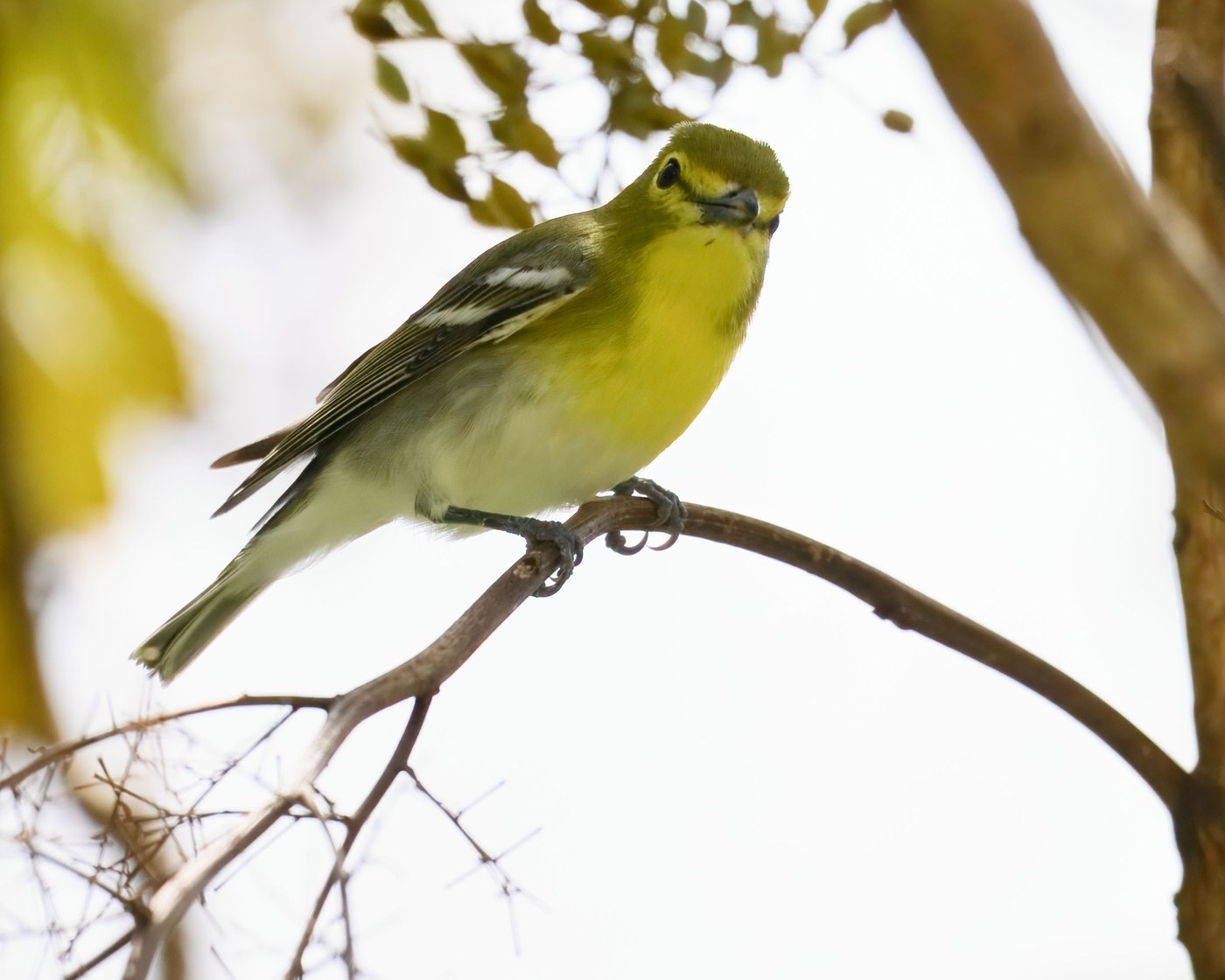
Yellow-throated Vireo
Bright yellow throat and spectacle feathers; olive-green back feathers; two white wing-bar feathers

Yellow-rumped Warbler
Small contour and flight feathers
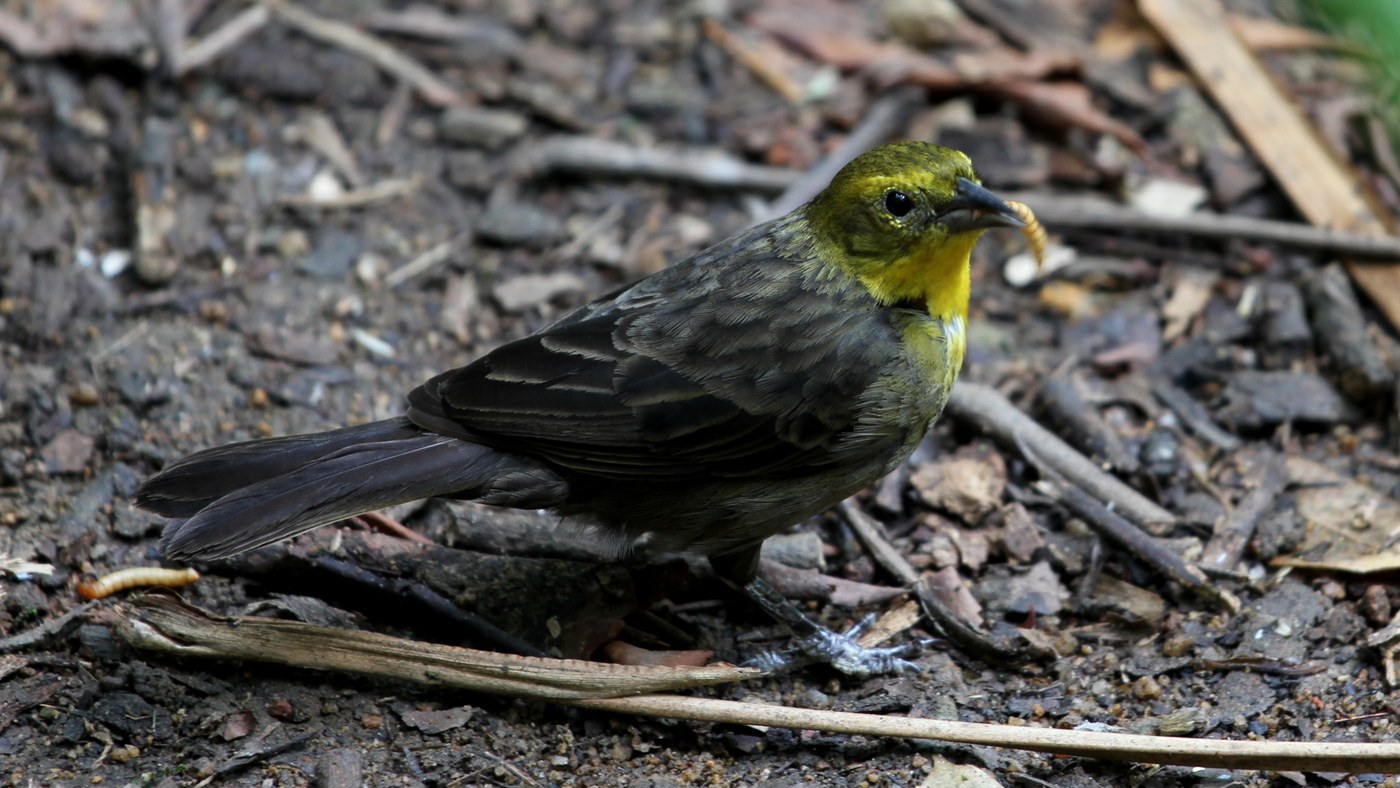
Yellow-hooded Blackbird
Contrasting hood and body feathers
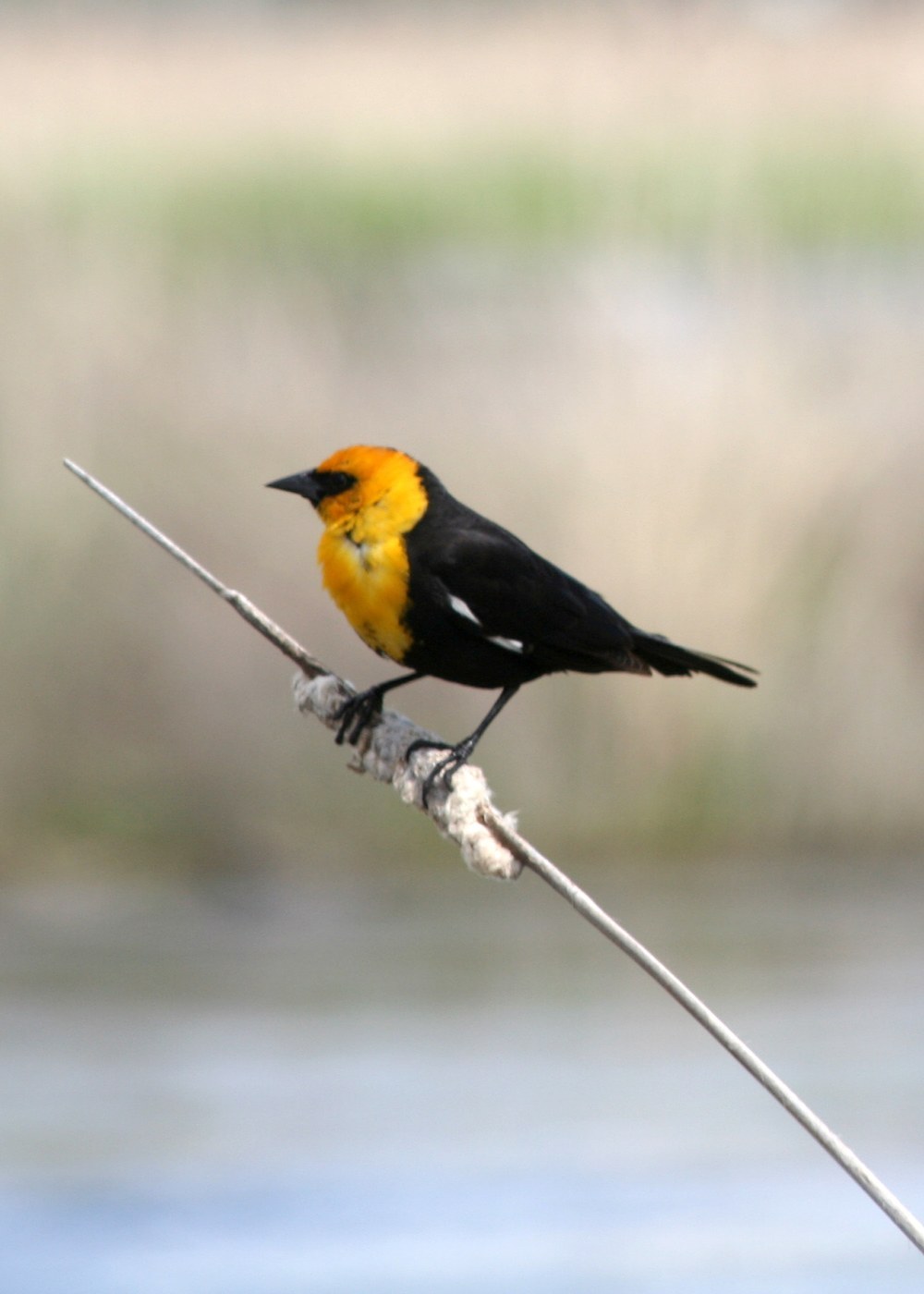
Yellow-headed Blackbird
Glossy black body plumage with a bright yellow head and breast

Yellow-eyed Junco
Contour and flight feathers

Yellow-fronted Canary
Small, smooth body plumage

Yellow-breasted Greenfinch
Compact, smooth body plumage