

Louisiana Waterthrush
Parkesia motacilla
A large, stream-loving warbler with an unmarked white throat and warm buffy flanks, closely tied to clear, rocky, fast-moving woodland streams.
- Feather type
- Firm, thrush-like contour feathers; streaked flanks, clean throat
- Colours
- Brown, warm buffy flanks, white throat and undertail
- Bird size
- Sparrow-sized, ~15 cm
Found a feather like this?
Identify any feather from a photo, free.
Overview
Overview
The Louisiana Waterthrush is a large warbler specialized for life along clear, fast-flowing, rocky streams within forested habitat. Like its close relative the Northern Waterthrush, it walks rather than hops and constantly bobs its tail and rear body, giving it a thrush-like appearance and gait despite its wood-warbler affiliation.
Breeding across the eastern United States, this species is an early spring migrant and one of the first warblers to return each year, often arriving on breeding streams while other migrants are still far to the south. It winters mainly in the Caribbean and Central America.
Identifying the Feather
Feather Identification
- Throat: A clean, unmarked white throat is a key distinguishing feature from the finely streaked throat of the Northern Waterthrush.
- Flanks: Flank feathers show a warm, buffy to pinkish-buff wash, often more pronounced than in the Northern Waterthrush.
- Supercilium: The pale eyebrow stripe is typically broader and brighter white, flaring wider behind the eye compared to the narrower, buffier stripe of Northern Waterthrush.
- Undertail coverts: These feathers are white, contrasting with the buffier undertail of the Northern Waterthrush.
- Upperparts: Back, wing, and tail feathers are a rich brown, generally slightly warmer or more olive-tinged than Northern Waterthrush.
- Bill and body proportions: The bill is relatively longer and the body slightly larger and heavier than the Northern Waterthrush, consistent with its bank-probing foraging style.
Plumage & Molt
Plumage Details
The sexes are alike in plumage. Adults show brown upperparts, a white throat, and buffy-washed flanks with dark streaking, maintained with little change through the year aside from typical wear before the annual molt. Juveniles show buffier wing covert edges that fade with wear over their first months.
A complete molt occurs on the breeding grounds in mid- to late summer, after which adults retain essentially the same plumage through migration and winter, with only a limited partial molt on some individuals prior to spring migration.
Habitat & Range
Habitat & Range
This species is strongly associated with clear, fast-moving, rocky woodland streams and ravines, a narrower habitat requirement than the more widely distributed Northern Waterthrush, which tolerates still or slow water. Breeding range covers much of the eastern United States, particularly the Appalachian region and parts of the Midwest and Northeast.
Louisiana Waterthrushes winter mainly in the Caribbean, Mexico, and Central America, again favoring streamside habitats. They are notably early spring migrants, often returning to breeding streams well before most other warbler species arrive.
Behavior & Field Notes
Behavior & Field Notes
Foraging occurs by walking along stream edges, wading in shallow riffles, and probing under rocks and leaf packs for aquatic insect larvae and other invertebrates, with constant bobbing of the tail and rear body. This species defends a linear stream-based territory rather than the more two-dimensional territories of many other warblers.
Nests are built into stream banks, among exposed roots, or in crevices near the water's edge. The song is a series of loud, clear, slurred whistles followed by a jumbled warble, often given from a perch overhanging the stream. Because of its close ties to specific stream conditions, its presence can be a useful indicator of healthy, well-oxygenated woodland streams.
Frequently asked questions
What is the easiest feather feature to separate this from the Northern Waterthrush?
The throat: Louisiana Waterthrush has a clean white throat, while Northern Waterthrush shows fine dark streaking across the throat.
Are the flank feathers a useful clue?
Yes, Louisiana Waterthrush typically shows a warmer, buffier or pinkish-buff wash on the flanks compared to the Northern Waterthrush.
Why does this species arrive so early in spring?
As a short-distance migrant relative to some warblers, it times its return to take advantage of early-season aquatic insect activity in its stream habitats.
What habitat is most reliable for finding this species?
Clear, fast-flowing, rocky wooded streams and ravines, which it prefers over the still or slow water used by the Northern Waterthrush.
Louisiana Waterthrush guides
In-depth guides for identifying and understanding Louisiana Waterthrush.

Other feathers you may enjoy

Yellow-breasted Bunting
Contour and flight feathers, chestnut-and-yellow breeding pattern
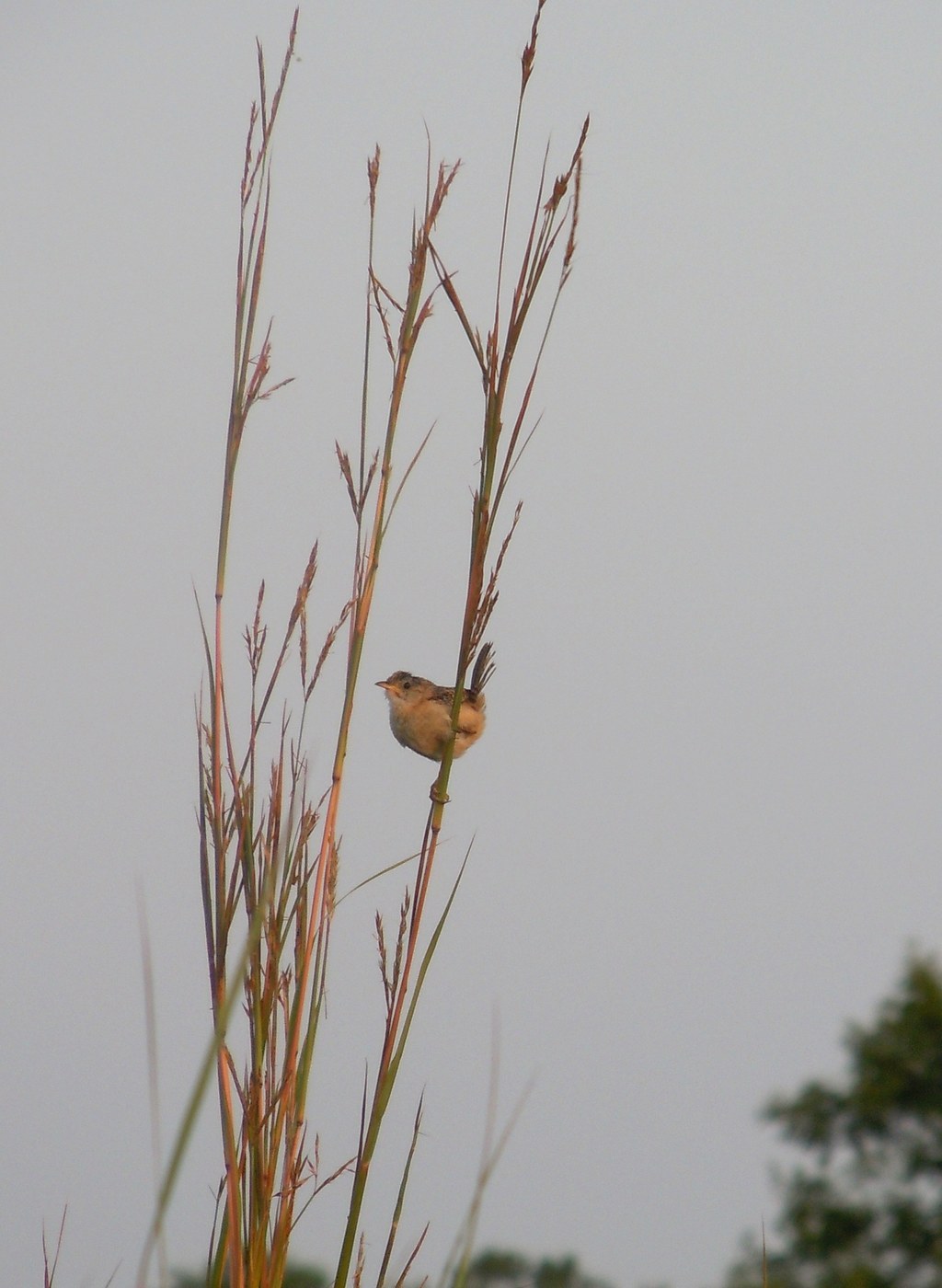
Sedge Wren
Tiny streaked crown and back feathers

Yellow-winged Cacique
Glossy black body feathers, yellow wing patch, shaggy crest

Yellow Warbler
Small contour and flight feathers
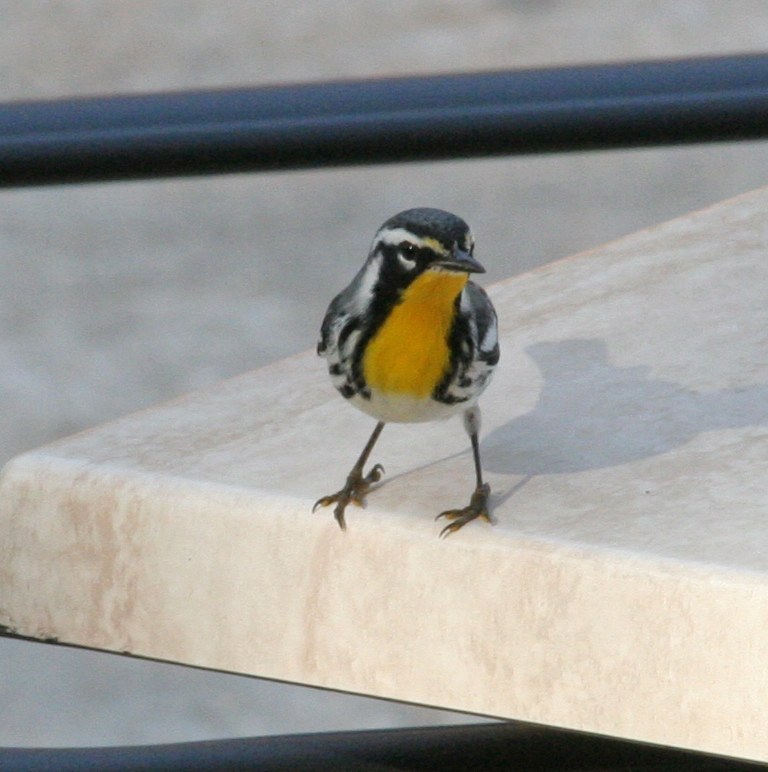
Yellow-throated Warbler
Small contour and flight feathers
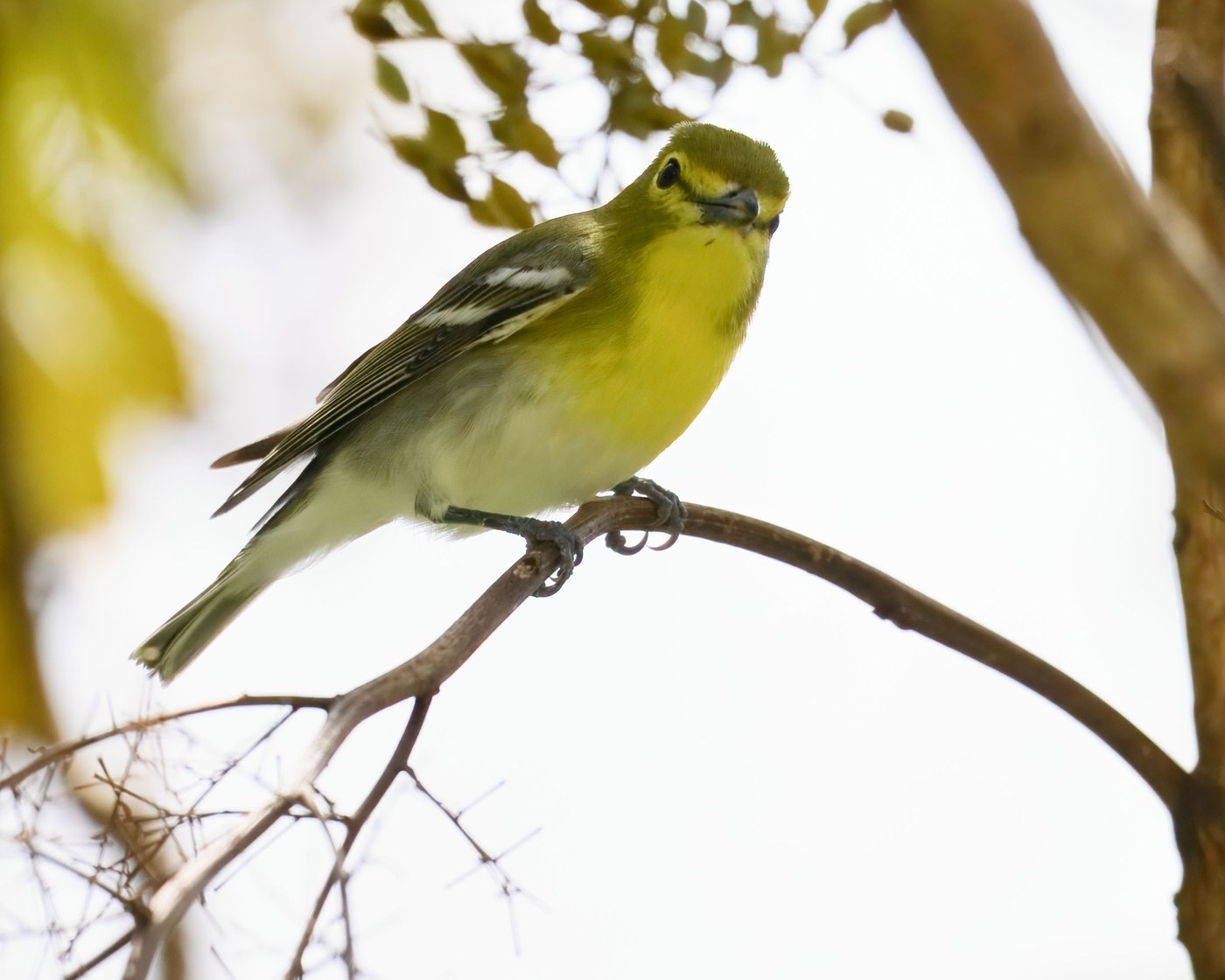
Yellow-throated Vireo
Bright yellow throat and spectacle feathers; olive-green back feathers; two white wing-bar feathers

Yellow-rumped Warbler
Small contour and flight feathers
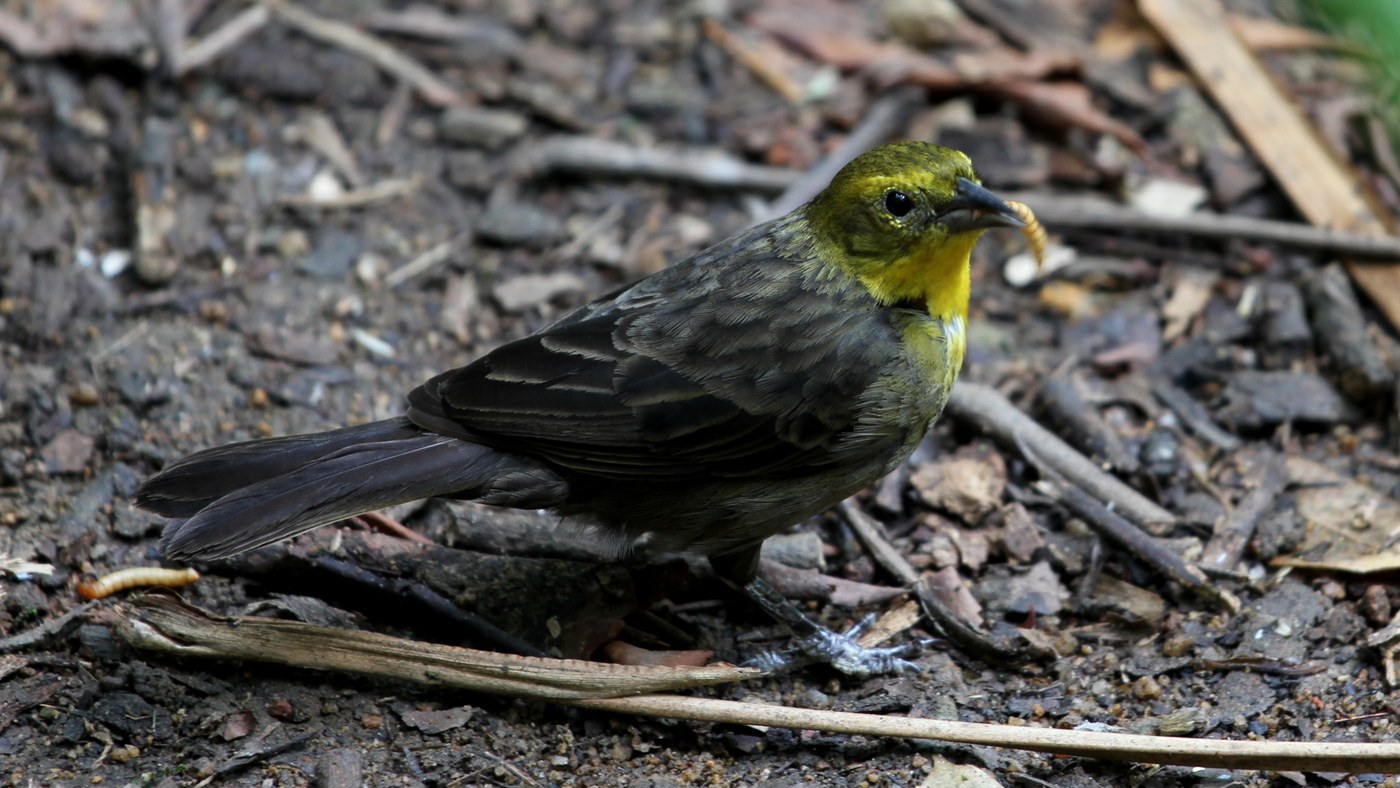
Yellow-hooded Blackbird
Contrasting hood and body feathers
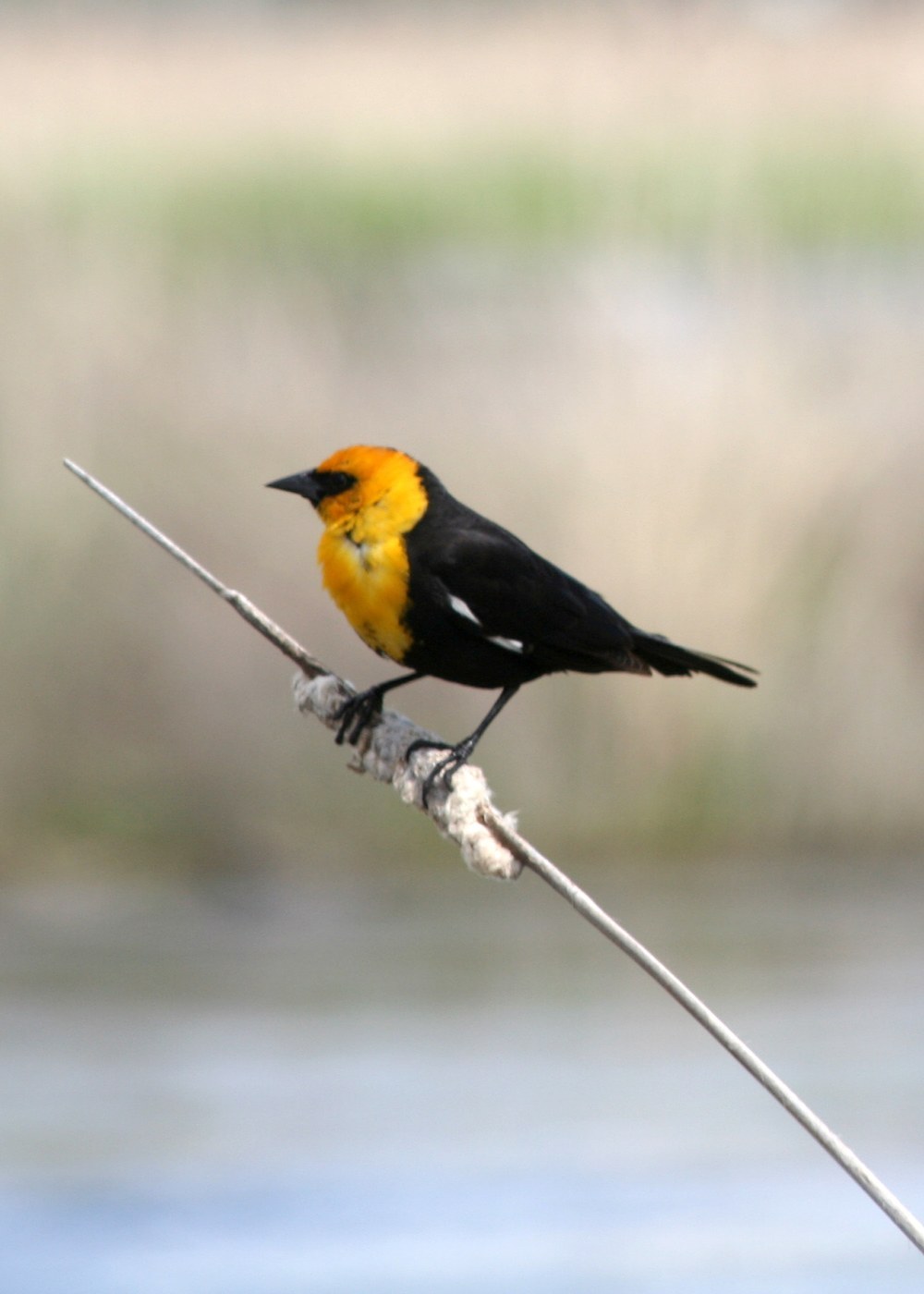
Yellow-headed Blackbird
Glossy black body plumage with a bright yellow head and breast

Yellow-eyed Junco
Contour and flight feathers

Yellow-fronted Canary
Small, smooth body plumage

Yellow-breasted Greenfinch
Compact, smooth body plumage