
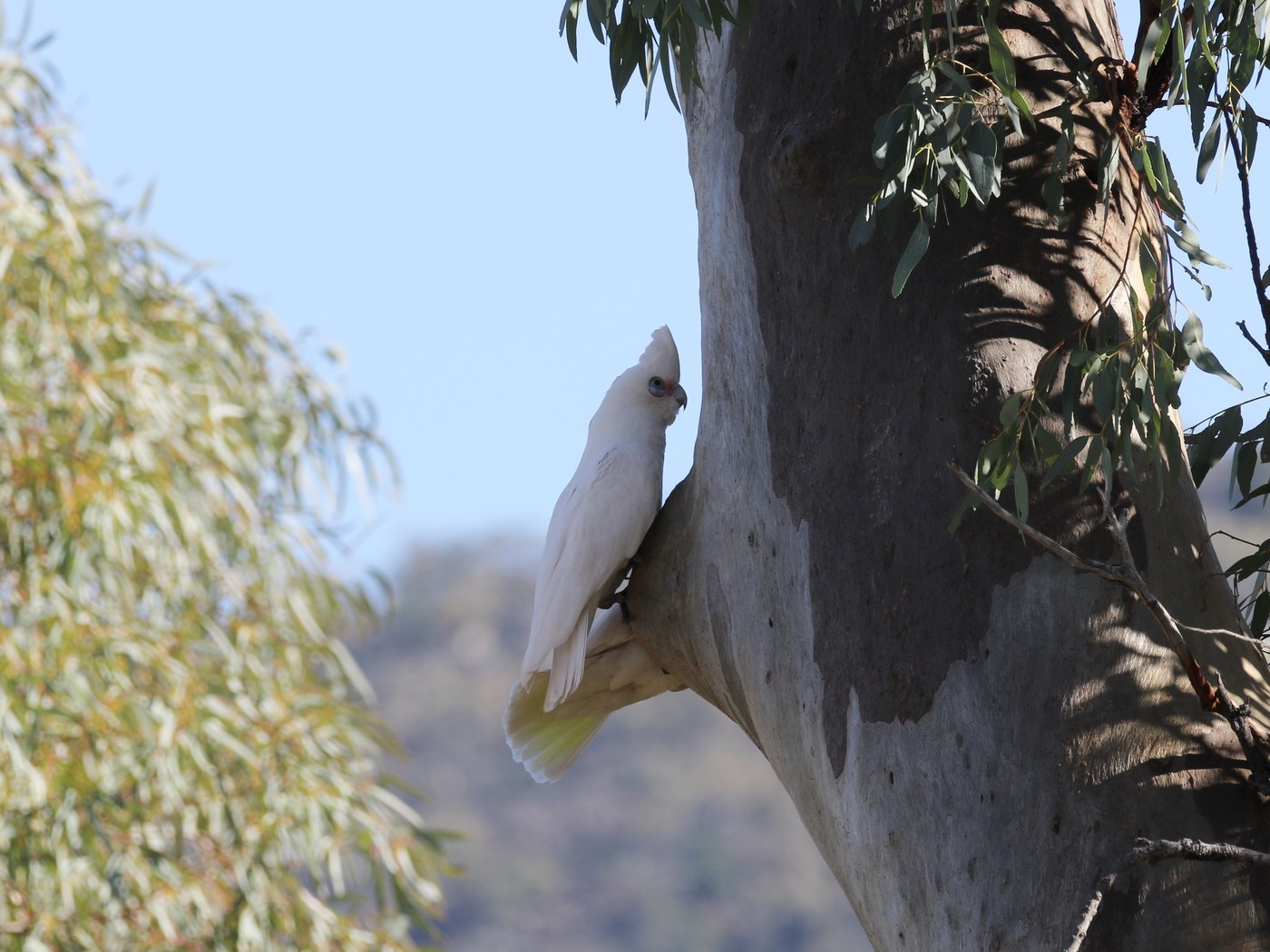
Little Corella
Cacatua sanguinea
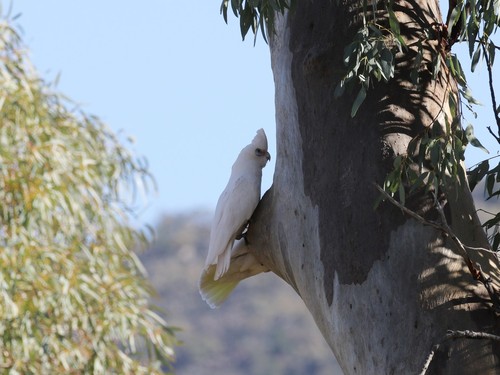
A predominantly white cockatoo of Australian open country, the Little Corella has a short, low crest and a faint pinkish tinge at the base of its head feathers, visible only when raised.
- Feather type
- Soft, powder-producing contour feathers; short, rounded crest
- Colours
- White overall, with a faint pink-orange wash near the base of head feathers
- Bird size
- Pigeon-to-crow-sized, ~35-39 cm
Found a feather like this?
Identify any feather from a photo, free.
Overview
The Little Corella is a widespread Australian cockatoo of open woodland, grassland, and agricultural country, often seen in large, noisy flocks. Its plumage is almost entirely white, giving it a plainer look than more crested cockatoo species, though a subtle pink wash can appear at the base of head feathers when raised or ruffled.
Identifying the Feather
Body feathers are white with a fine, low crest that lies mostly flat and is far less pronounced than in crested cockatoo species such as the Sulphur-crested Cockatoo. A pale pinkish-orange tinge is present at the feather bases around the face and throat, generally hidden unless feathers are ruffled or the bird is examined closely. Bare, grayish-blue skin surrounds the eye, a feature giving rise to an alternate common name and useful for separating this species from similar all-white cockatoos with feathered eye-rings. Flight feathers are white with grayish undersides. Overall smaller size, low crest, and bare pale eye-ring distinguish this species' feathers from the larger Long-billed Corella and Sulphur-crested Cockatoo.
Plumage & Molt
Sexes look alike in plumage. Juveniles resemble adults but may show a less developed pink wash at the feather bases. Molt is gradual, and the plain white body plumage changes little through the year, aside from feather wear.
Habitat & Range
Little Corellas occupy open woodland, grassland, and agricultural land across much of Australia, often near water sources. The species is generally sedentary to locally nomadic, with flocks moving in response to food and water availability rather than undertaking long-distance migration.
Behavior & Field Notes
This species feeds on seeds, grains, and other plant material, often foraging in large flocks on the ground in open country. It nests in tree hollows, frequently in loose colonies. Its calls include a range of harsh screeches and chattering notes, especially when large flocks gather to roost or feed. Little Corellas are highly social and can form very large flocks outside the breeding season.
Frequently asked questions
How can you tell a Little Corella from a Sulphur-crested Cockatoo feather?
Little Corella feathers are plain white without the yellow crest coloring, and the bird is smaller with a much lower, less pronounced crest.
What is the bare skin around its eye for?
It gives the species one of its alternate names, bare-eyed cockatoo, and helps distinguish it from similar all-white cockatoo species.
Does the Little Corella have any color besides white?
A faint pinkish-orange tinge can appear at the base of head and throat feathers, though it is usually hidden unless the feathers are raised.
Is it a social species?
Yes, it often forms large, noisy flocks, especially outside the breeding season.
Little Corella guides
In-depth guides for identifying and understanding Little Corella.
Other feathers you may enjoy
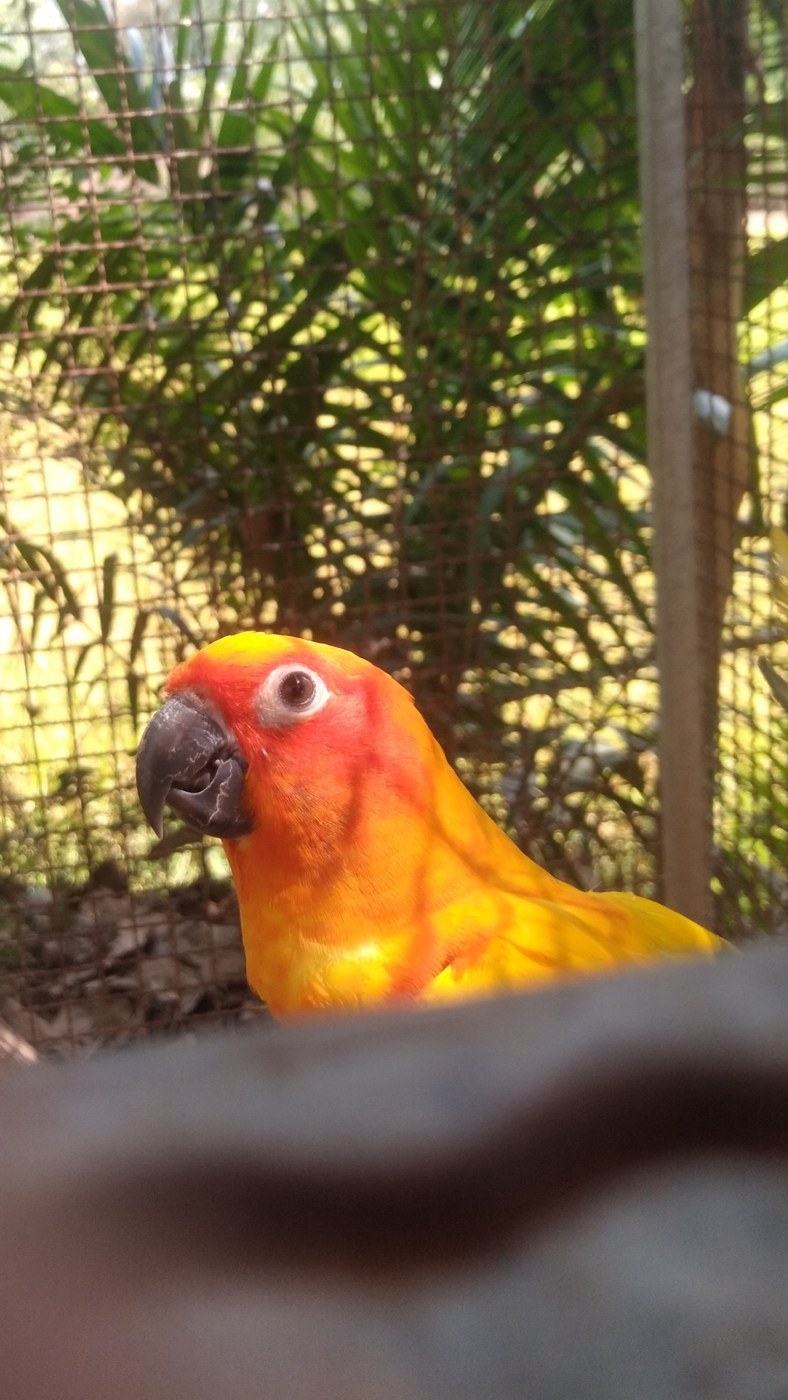
Sun Parakeet
Bright, dense body contour feathers; medium pointed tail feathers

Yellow-naped Amazon
Broad rounded contour feathers with sturdy flight feathers
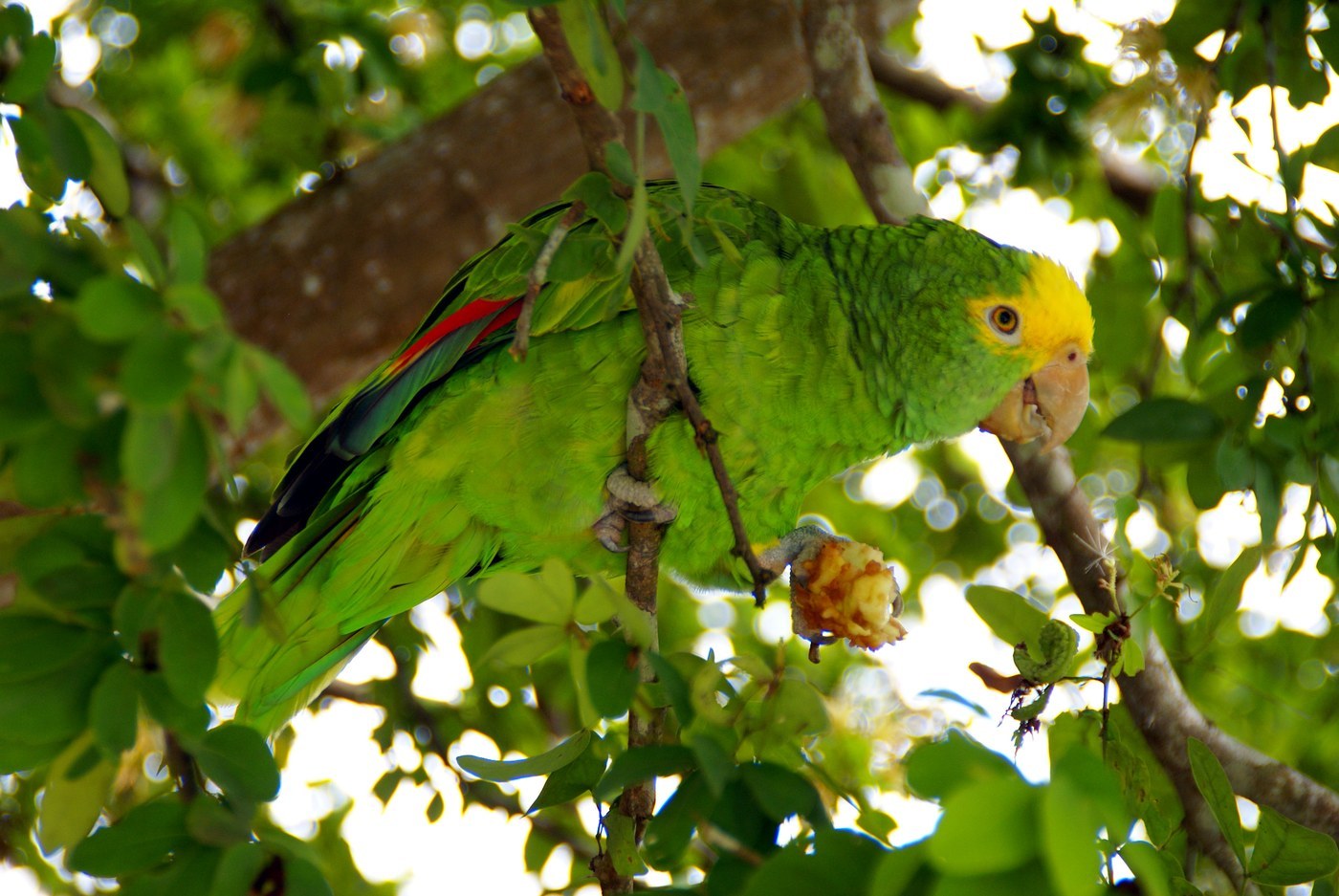
Yellow-headed Amazon
Dense, rounded body contour feathers; broad flight feathers
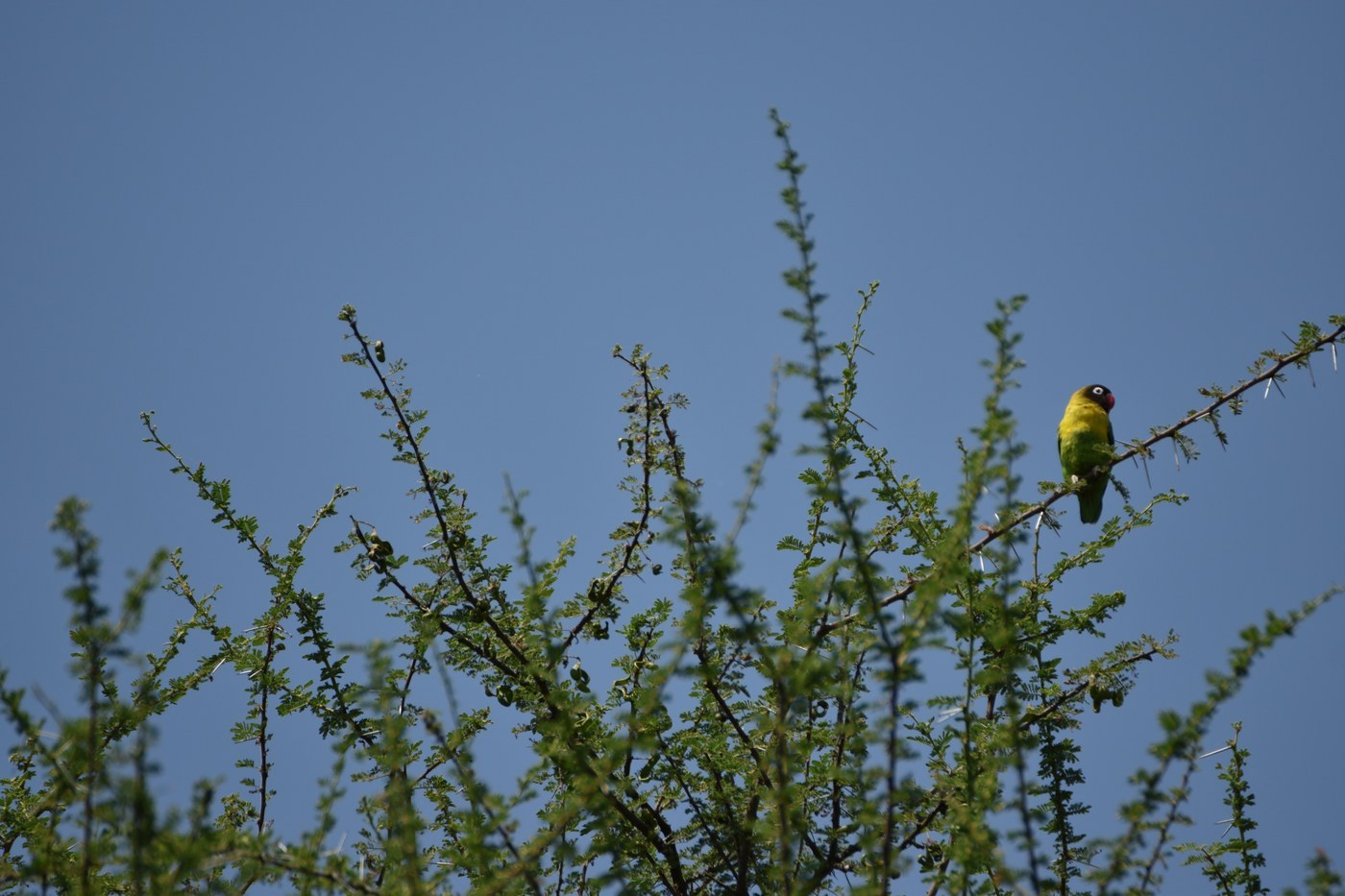
Yellow-collared Lovebird
Small compact flight feathers, short rounded tail

White-eyed Conure
Medium contour and long, graduated tail feathers

Yellow-tailed Black Cockatoo
Large, sturdy contour and flight feathers; short crest

Scarlet-chested Parrot
Small contour and flight feathers

Timneh Parrot
Broad flight feathers, scalloped body feathers with pale edges
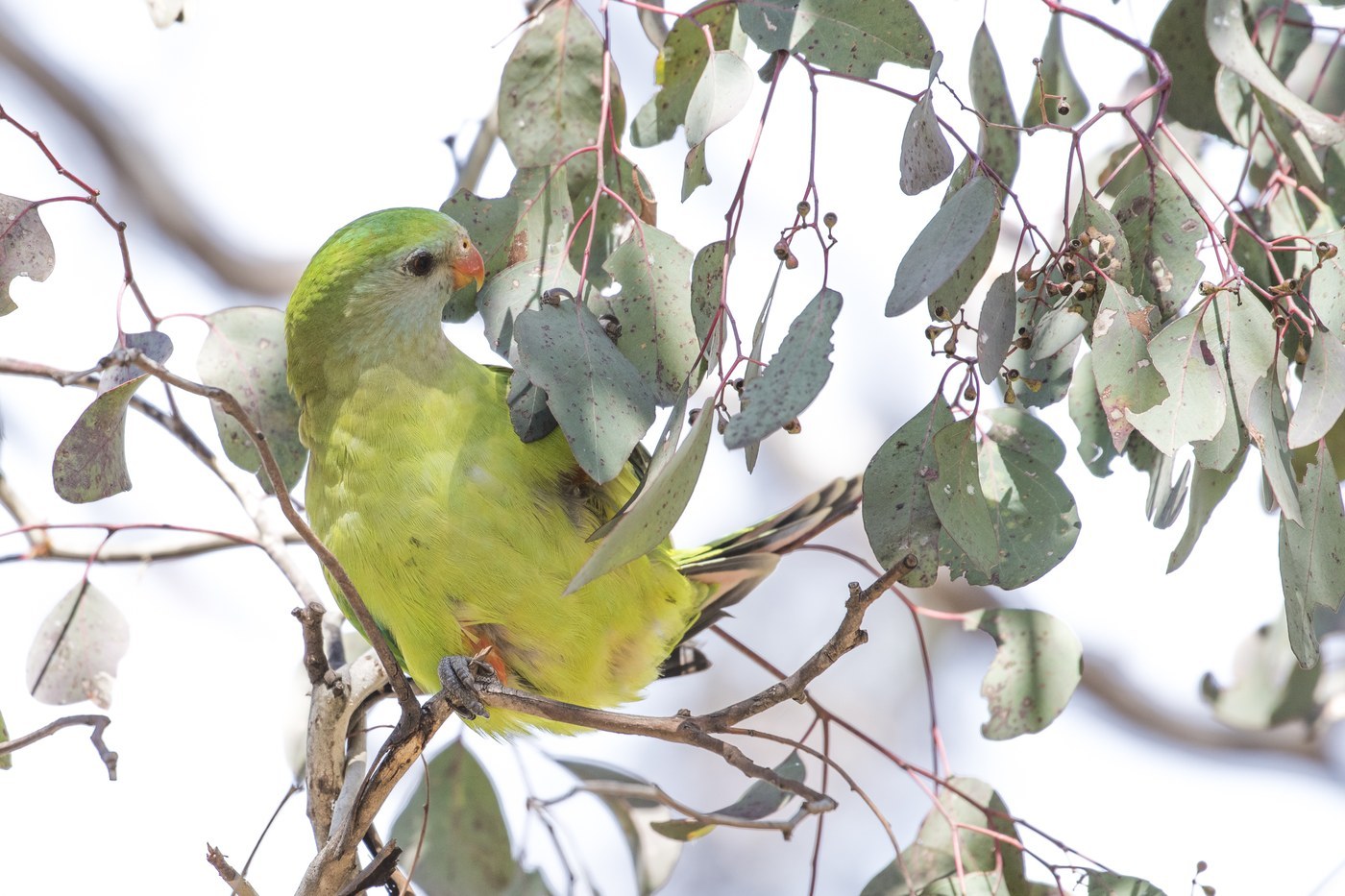
Superb Parrot
Sleek contour feathers with a long tapering tail

Red-shouldered Macaw
Compact body contour feathers; medium flight and tail feathers
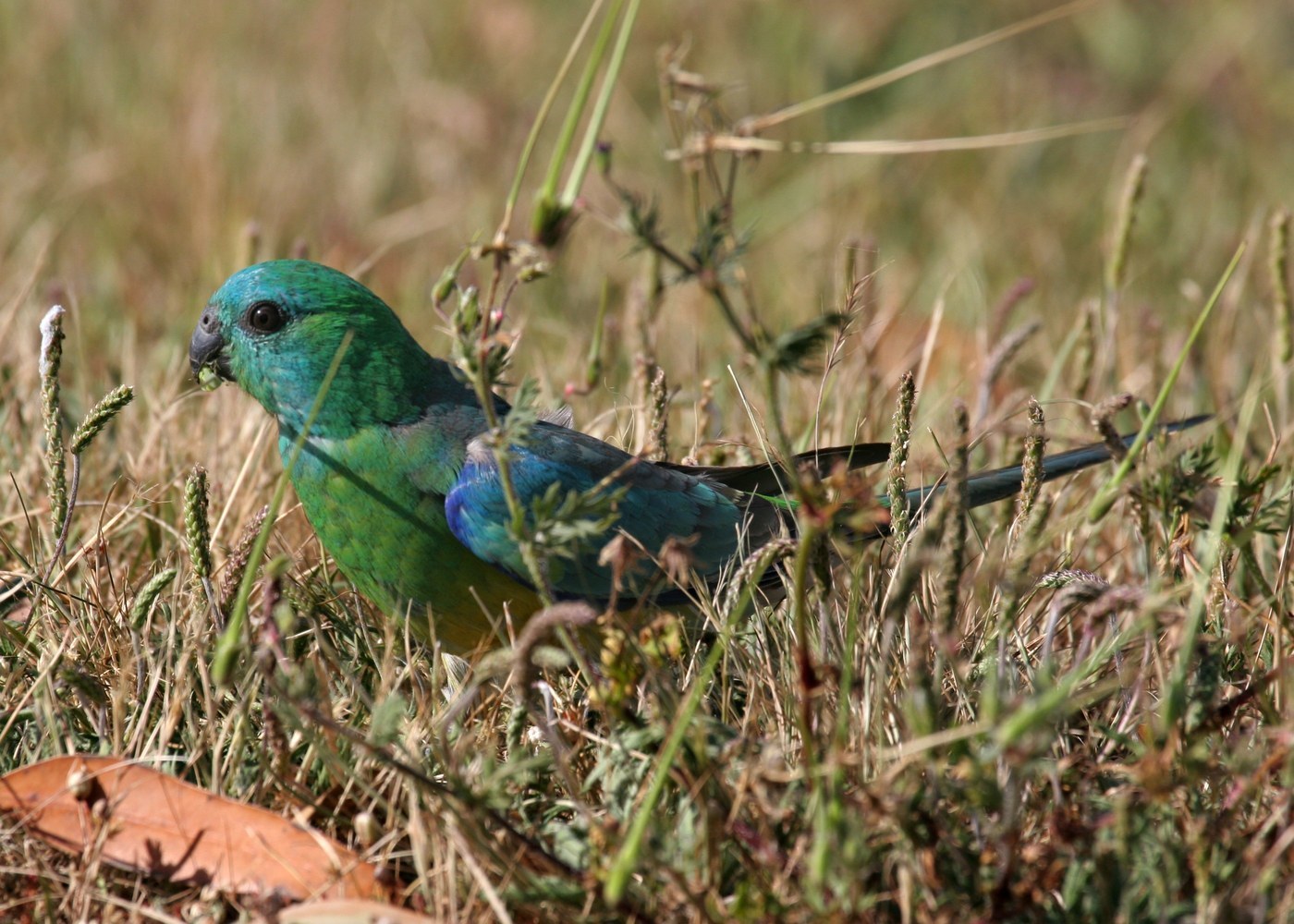
Red-rumped Parrot
Sleek contour feathers with a bright rump patch in males

White-capped Pionus
Compact contour feathers and short, squared tail feathers