

Lesser Redpoll
Acanthis cabaret
A tiny, heavily streaked brown finch with a small red forehead patch and black chin, males showing a pink wash across the breast, closely tied to birch, alder, and willow woodland.
- Feather type
- Small, streaked finch contour feathers; short forked tail feathers
- Colours
- Buffy brown with dark streaking, a red forehead patch, black chin, pink-washed breast (male)
- Bird size
- Very small, ~11.5-12.5 cm
Found a feather like this?
Identify any feather from a photo, free.
Overview
The Lesser Redpoll is a small, active finch closely associated with birch, alder, and willow trees, from which it extracts tiny seeds using an acrobatic, tit-like foraging style. Its streaky brown plumage combined with a small red forehead patch and black chin gives it a distinctive, if subtle, appearance.
It is highly social outside the breeding season, forming flocks that move nomadically in search of seed-rich trees, sometimes appearing in gardens with birch or alder nearby.
The red forehead patch (the source of its name, "poll" referring to the head) combined with heavy brown streaking is the key identification feature for its feathers.
Identifying the Feather
Identifying Lesser Redpoll feathers
- Forehead feathers: Small, crimson-red patch, present in both sexes though sometimes brighter or more extensive in males — the source of the "redpoll" name.
- Chin feathers: Small black patch just below the bill.
- Body feathers: Buffy brown, heavily streaked with dark brown across the back and flanks; males show an additional pink wash across the breast not present in females.
- Wing feathers: Dark with two pale wingbars, less bold than the yellow bars of Siskin.
- Compared to similar species: The red forehead patch and black chin combined with fine, dense brown streaking (rather than the black-and-yellow wing pattern of Siskin) distinguish Redpoll feathers from other small finches sharing similar habitat.
Plumage & Molt
Plumage overview
Adults show a buffy-brown, heavily streaked body, a small crimson forehead patch, and a black chin patch, with males additionally showing a pink wash across the breast that females lack. Both sexes show two pale, though not strongly contrasting, wingbars.
Juveniles lack the red forehead patch entirely until their first partial molt in late summer, appearing as plain streaked brown birds before acquiring the diagnostic red poll.
Habitat & Range
Habitat and range
Lesser Redpolls breed across the British Isles and parts of continental Europe, favoring birch, alder, and willow woodland as well as conifer plantations with birch or alder mixed in. Many populations show nomadic or partially migratory movements, following seed availability rather than fixed migration routes, sometimes appearing irregularly in large numbers in a given area.
This close tie to birch and alder seed availability makes its local abundance quite variable from year to year.
Behavior & Field Notes
Behavior and field notes
Lesser Redpolls forage acrobatically in birch, alder, and willow catkins, often hanging upside down to extract tiny seeds, similar in style to Eurasian Siskin. They form nomadic flocks outside the breeding season, sometimes mixing with Siskins at feeders or seed-bearing trees.
Its call is a distinctive, dry, mechanical-sounding rattling "chuch-uch-uch" often given in flight. Nests are small cups built low in birch, alder, or shrubby vegetation. A useful field note: a small, heavily streaked brown feather with a red forehead patch found near birch or alder trees is a strong candidate for Lesser Redpoll.
Frequently asked questions
What gives the Lesser Redpoll its name?
The small crimson-red patch on its forehead, an old word "poll" referring to the top of the head, combined with its small overall size.
Do juvenile Lesser Redpolls have the red forehead patch?
No, juveniles lack the red patch entirely until their first partial molt in late summer.
How do I tell a Redpoll feather from a Siskin feather?
Redpoll feathers are browner and more heavily streaked with a red forehead patch, while Siskin feathers show bolder black-and-yellow wing and tail patterning.
Where are Lesser Redpoll feathers commonly found?
Near birch, alder, or willow trees, and sometimes conifer plantations mixed with these species, reflecting its preferred foraging habitat.
Lesser Redpoll guides
In-depth guides for identifying and understanding Lesser Redpoll.

Other feathers you may enjoy

Yellow-breasted Bunting
Contour and flight feathers, chestnut-and-yellow breeding pattern
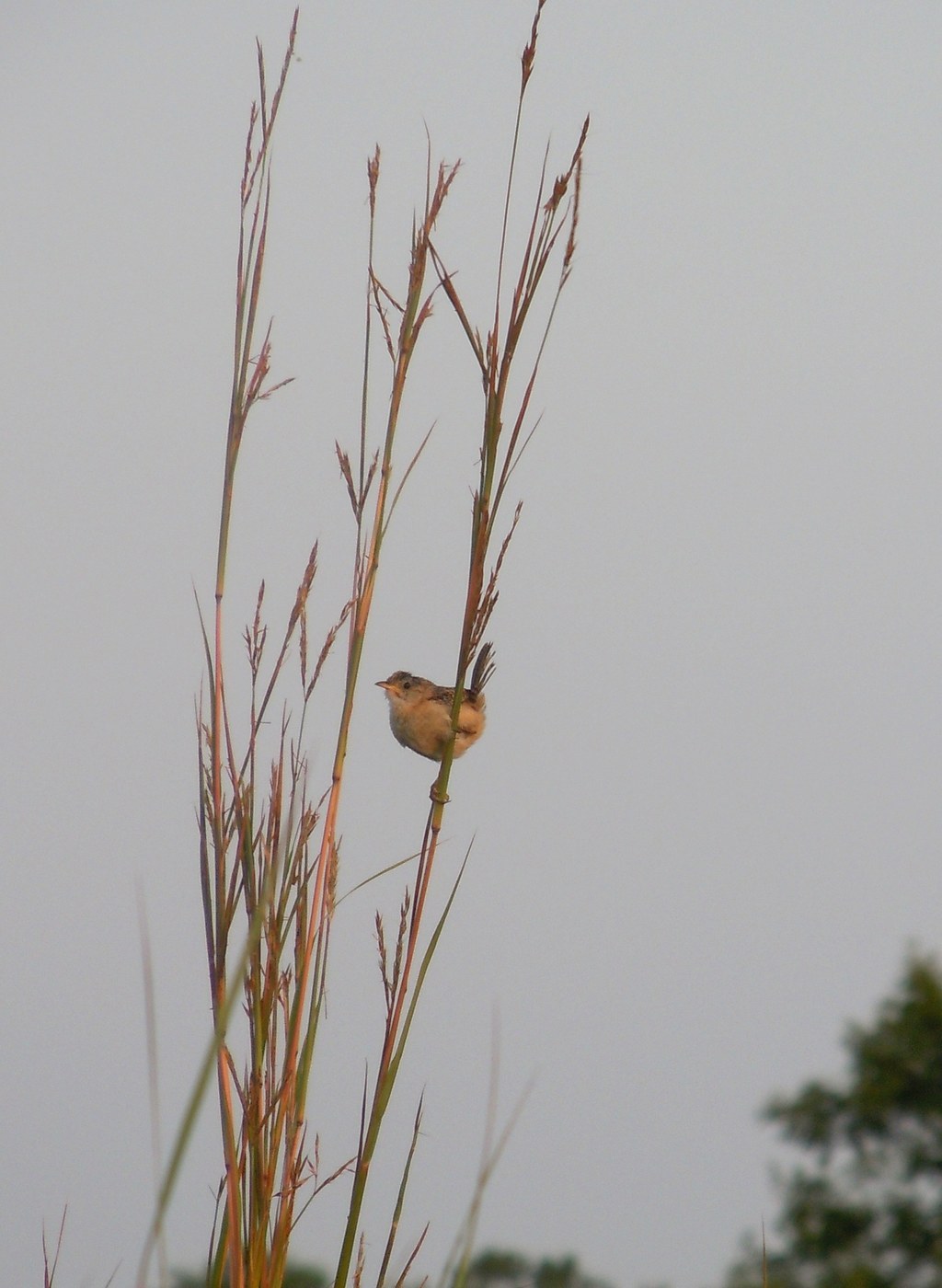
Sedge Wren
Tiny streaked crown and back feathers

Yellow-winged Cacique
Glossy black body feathers, yellow wing patch, shaggy crest

Yellow Warbler
Small contour and flight feathers
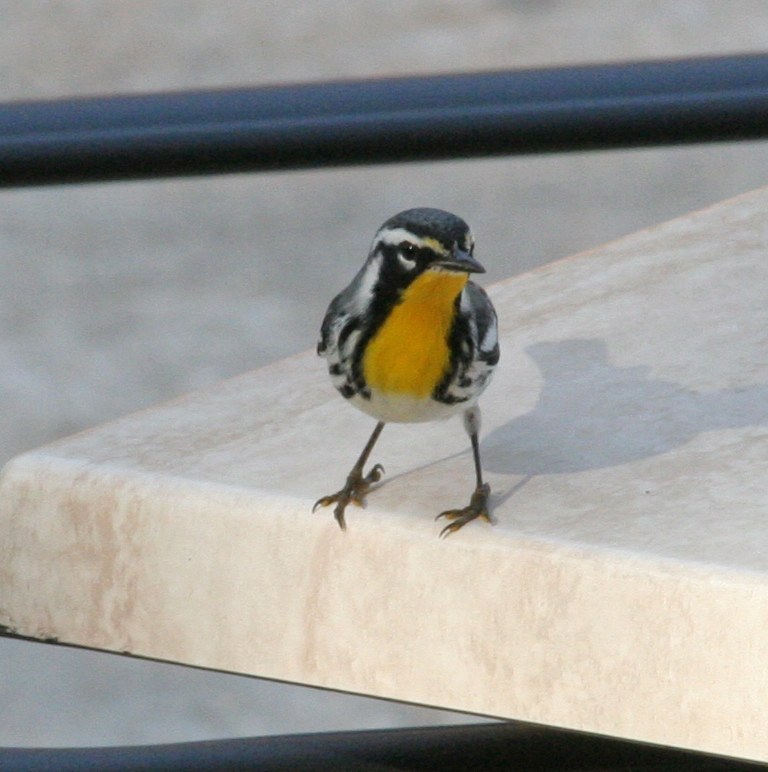
Yellow-throated Warbler
Small contour and flight feathers
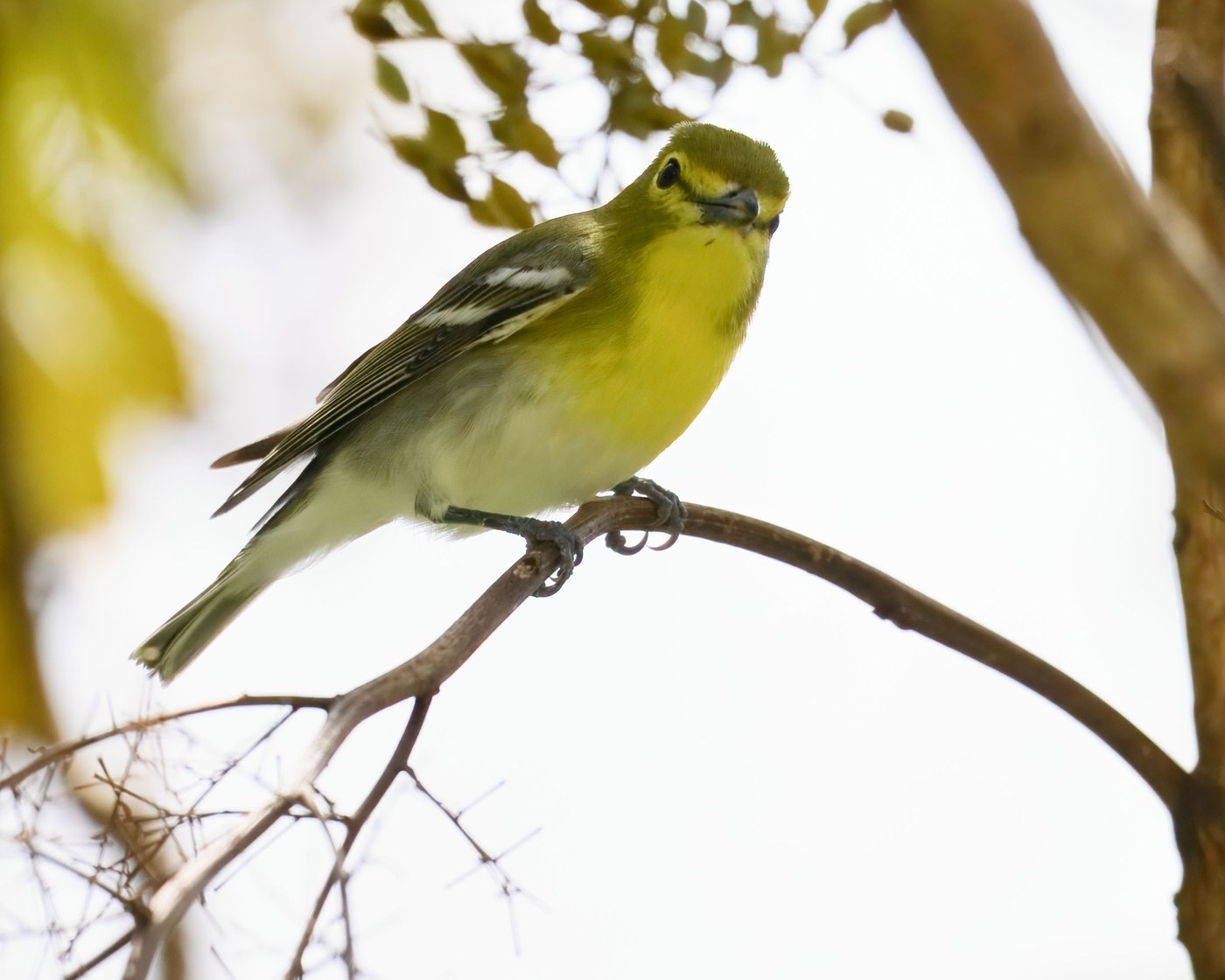
Yellow-throated Vireo
Bright yellow throat and spectacle feathers; olive-green back feathers; two white wing-bar feathers

Yellow-rumped Warbler
Small contour and flight feathers
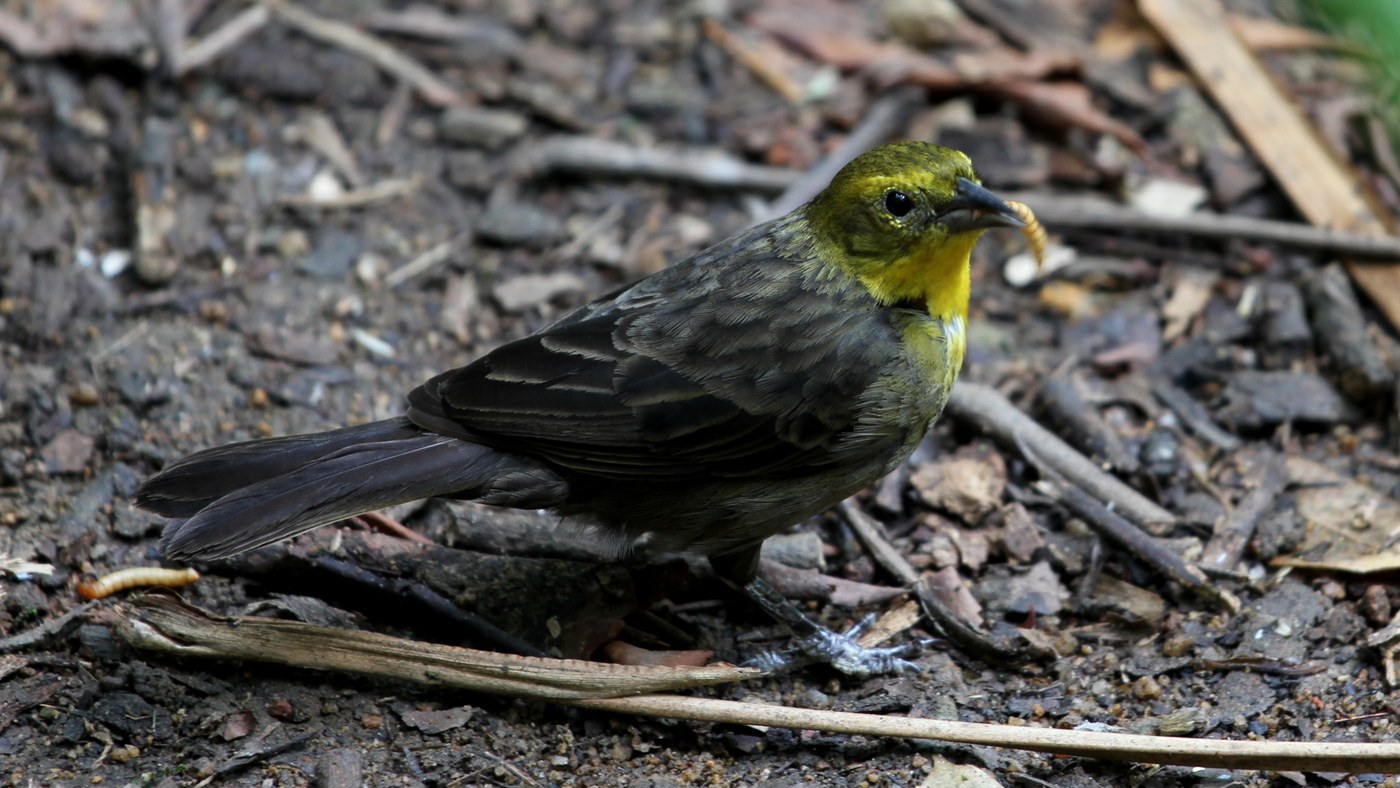
Yellow-hooded Blackbird
Contrasting hood and body feathers
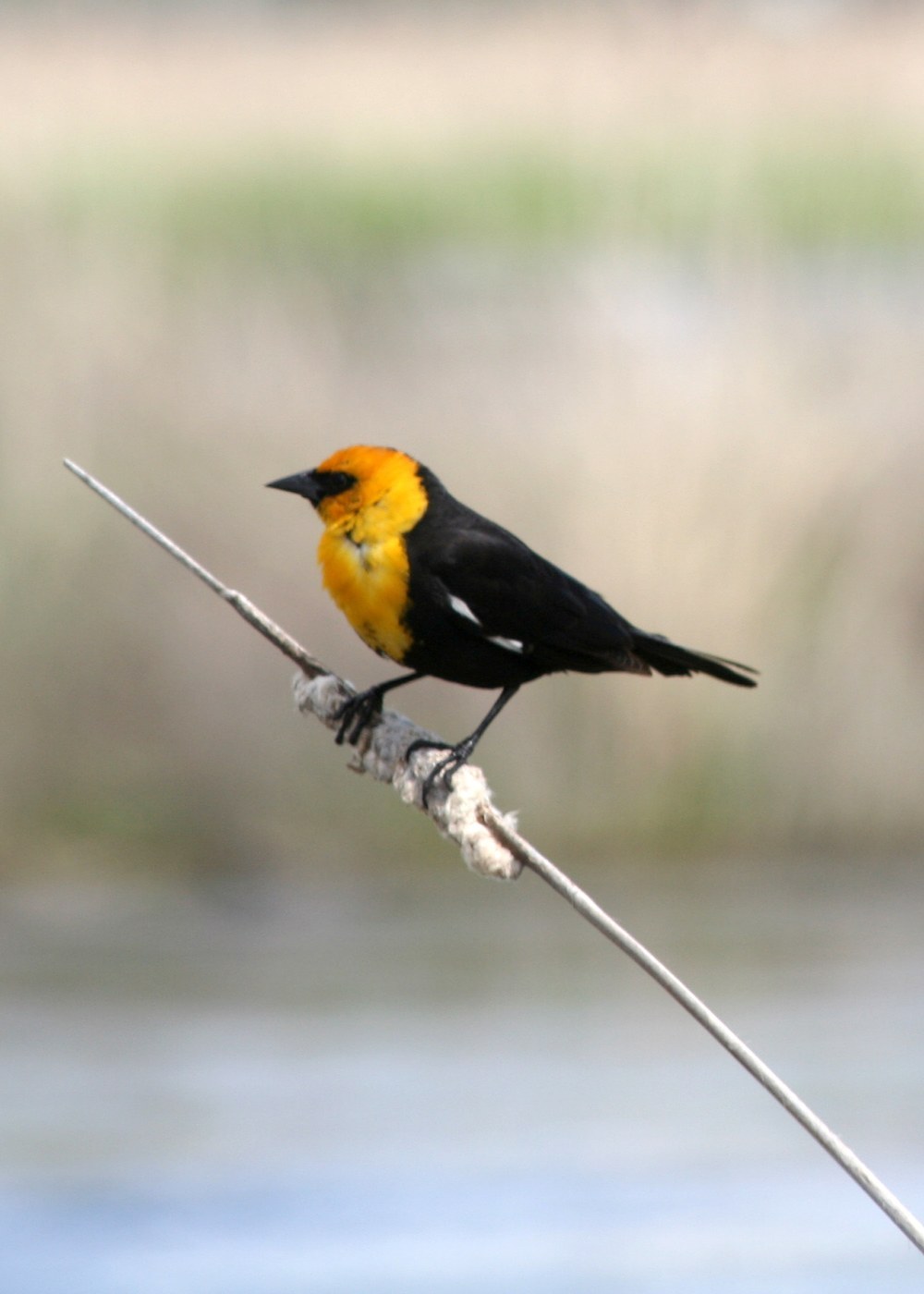
Yellow-headed Blackbird
Glossy black body plumage with a bright yellow head and breast

Yellow-eyed Junco
Contour and flight feathers

Yellow-fronted Canary
Small, smooth body plumage

Yellow-breasted Greenfinch
Compact, smooth body plumage