

Lark Sparrow
Chondestes grammacus
A boldly patterned sparrow with a striking chestnut-and-white harlequin face pattern and a rounded, white-cornered tail.
- Feather type
- Contour and flight feathers
- Colours
- Chestnut, black, white, and gray
- Bird size
- Sparrow-sized, ~16.5 cm
Found a feather like this?
Identify any feather from a photo, free.
Overview
Overview
The Lark Sparrow stands out among North American sparrows for its unusually bold facial pattern, a striking combination of chestnut, black, and white markings that is unlike the plainer or more finely streaked faces of most sparrow species. It favors open country with scattered trees or shrubs for singing perches.
In flight, its rounded tail with large white corners provides an additional easy field mark, visible even when the head pattern cannot be seen clearly.
Identifying the Feather
Feather Identification
- Face feathers: bold chestnut ear patch and crown stripes bordered by black and white lines, forming a harlequin-like pattern unique among common sparrows
- Breast feathers: mostly clean white or pale with a single dark central breast spot, unlike the streaked breasts of many related species
- Tail feathers: rounded shape with extensive white corners, especially visible in flight from below
- Back and wing feathers: brown streaked with black, unremarkable compared to the distinctive head and tail pattern
- Compared to other sparrows: the chestnut-black-white face pattern combined with the white-corners on a rounded tail makes this species essentially unmistakable once seen well
Plumage & Molt
Plumage Notes
Adults of both sexes show the same bold facial pattern, with little seasonal variation in the striking head markings. Juveniles are duller, with finer streaking on the breast rather than the single central spot, and a less crisply defined face pattern that sharpens after the first fall molt. The species undergoes a single complete prebasic molt following breeding, with juvenile body feathers replaced to produce the more clearly patterned first-winter and adult plumage.
Habitat & Range
Habitat & Range
Lark Sparrows breed across much of the central and western United States in open grassland, savanna, and agricultural areas with scattered trees, shrubs, or fence lines for perching. They winter in the southern United States and Mexico in similarly open habitats. The species favors a mix of open ground for foraging and elevated perches for singing and territorial display, distinguishing its habitat preference from purely dense grassland specialists.
Behavior & Field Notes
Behavior & Field Notes
Lark Sparrows forage on the ground for seeds and invertebrate food, often walking between foraging bouts, and readily perch in the open on shrubs, wires, or fence posts. Males perform a distinctive display during courtship, drooping the wings and fanning the tail to show off the white corners. The song is a varied, complex series of buzzes, trills, and clear notes, more elaborate than many other sparrow songs. Nests are built on the ground or in low shrubs, constructed as an open cup of grasses.
Frequently asked questions
What is the single most distinctive feature of the Lark Sparrow?
Its bold chestnut, black, and white facial pattern, which is unlike the plainer faces of most other North American sparrows.
How does the tail help with identification in flight?
The rounded tail shows large white corners that are conspicuous in flight, providing a reliable mark even at a distance.
What kind of breast pattern does this sparrow have?
Adults typically show a mostly clean white breast with a single dark central spot, rather than fine overall streaking.
What habitat does the Lark Sparrow prefer?
Open grassland or savanna with scattered shrubs, trees, or fences that provide both foraging ground and singing perches.
Lark Sparrow guides
In-depth guides for identifying and understanding Lark Sparrow.

Other feathers you may enjoy

Yellow-breasted Bunting
Contour and flight feathers, chestnut-and-yellow breeding pattern
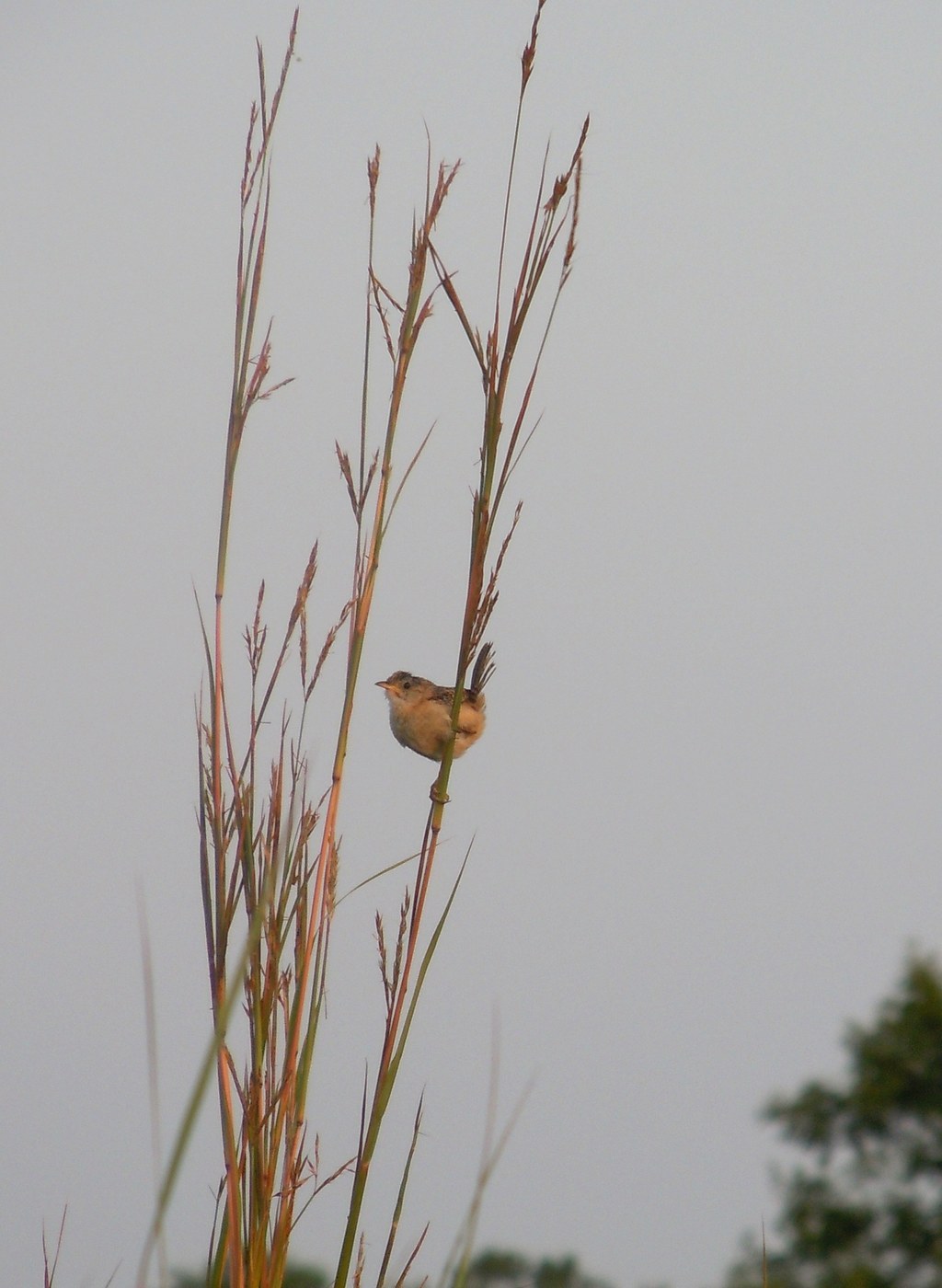
Sedge Wren
Tiny streaked crown and back feathers

Yellow-winged Cacique
Glossy black body feathers, yellow wing patch, shaggy crest

Yellow Warbler
Small contour and flight feathers
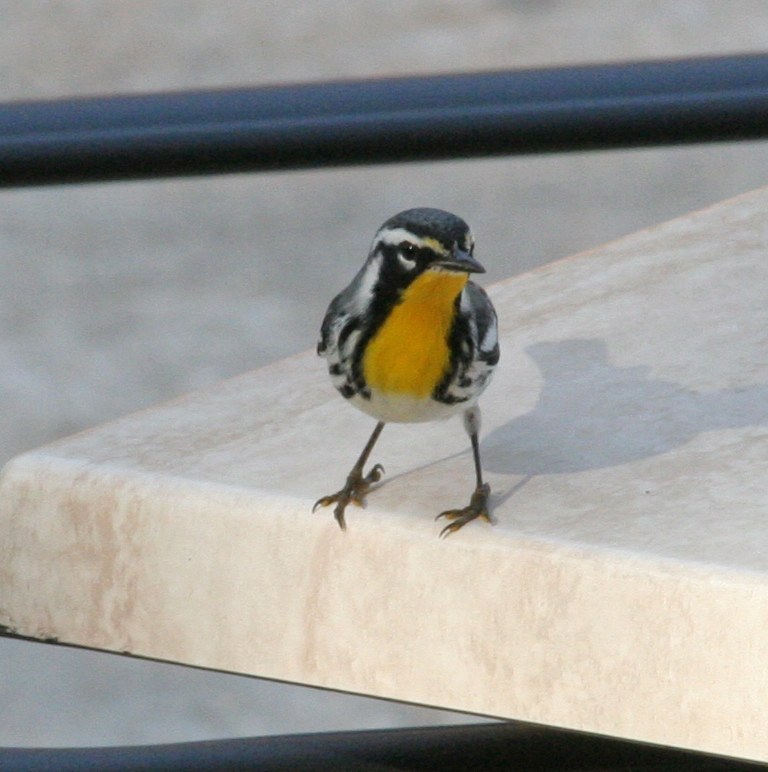
Yellow-throated Warbler
Small contour and flight feathers
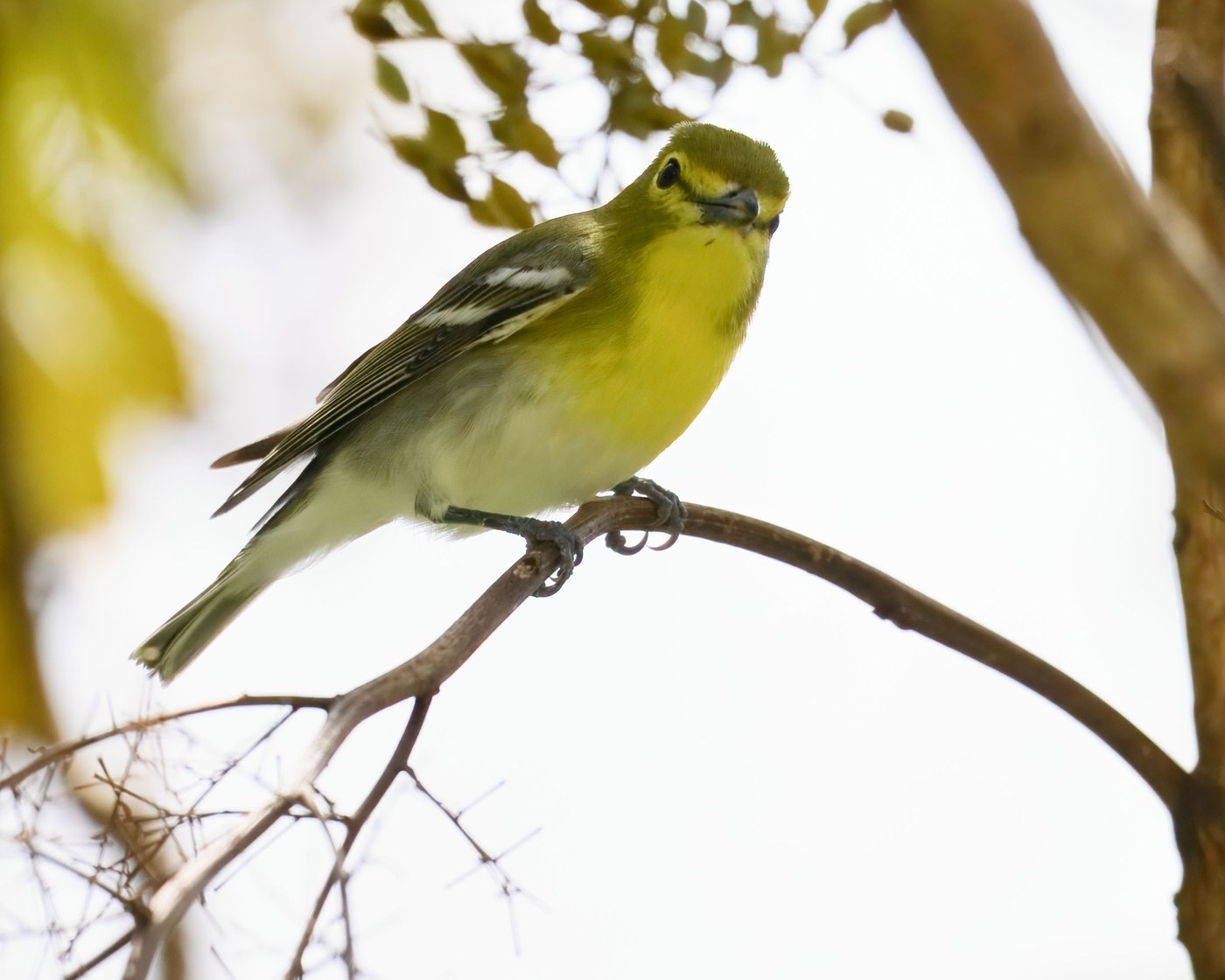
Yellow-throated Vireo
Bright yellow throat and spectacle feathers; olive-green back feathers; two white wing-bar feathers

Yellow-rumped Warbler
Small contour and flight feathers
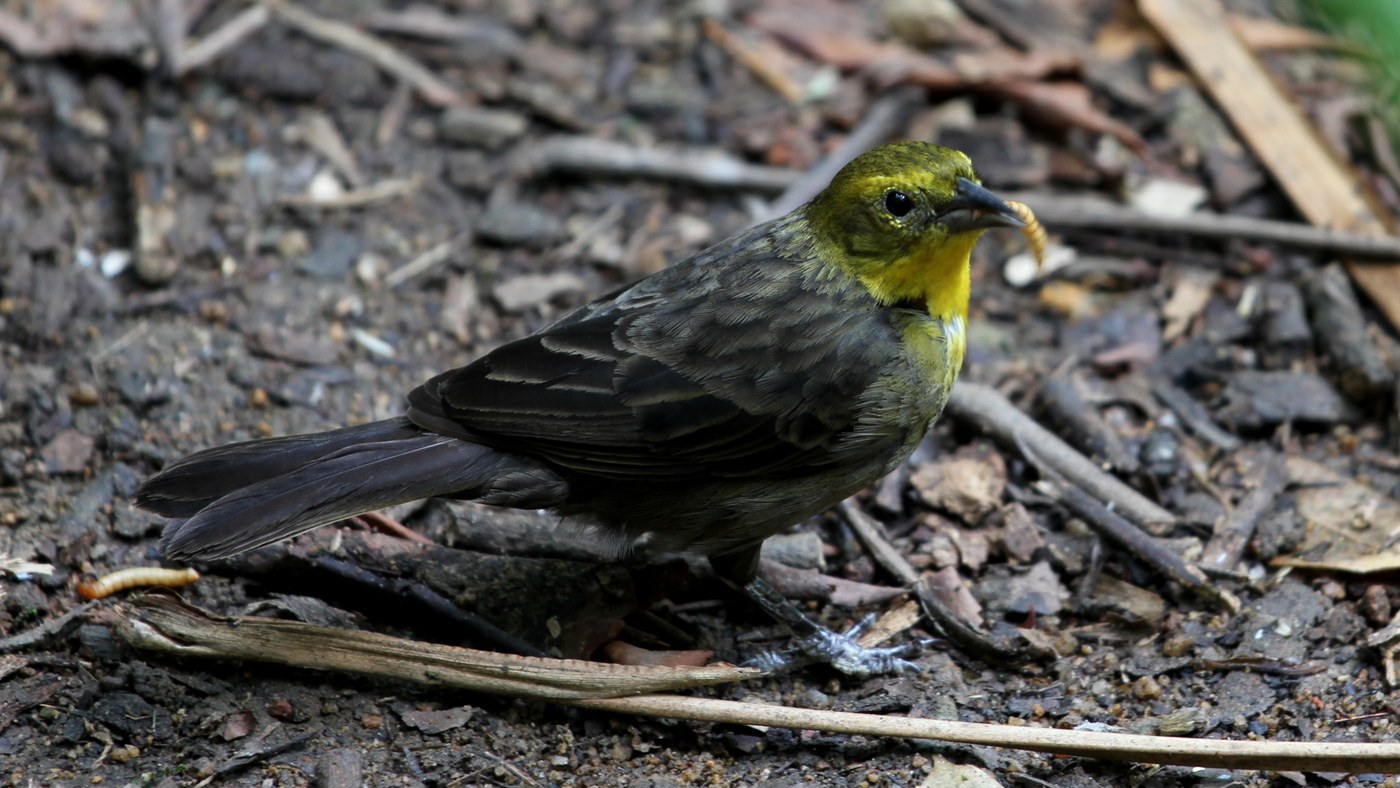
Yellow-hooded Blackbird
Contrasting hood and body feathers
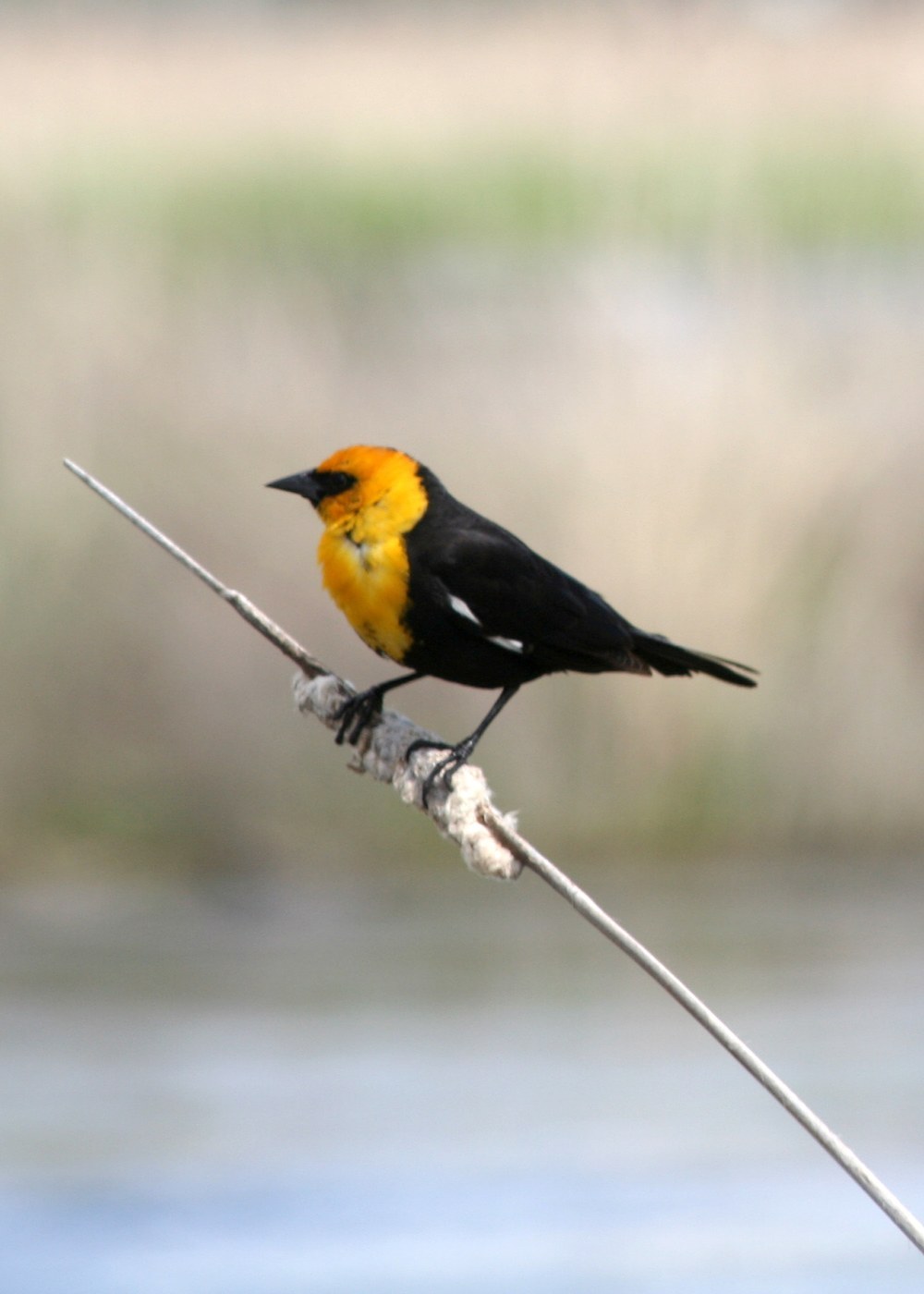
Yellow-headed Blackbird
Glossy black body plumage with a bright yellow head and breast

Yellow-eyed Junco
Contour and flight feathers

Yellow-fronted Canary
Small, smooth body plumage

Yellow-breasted Greenfinch
Compact, smooth body plumage