
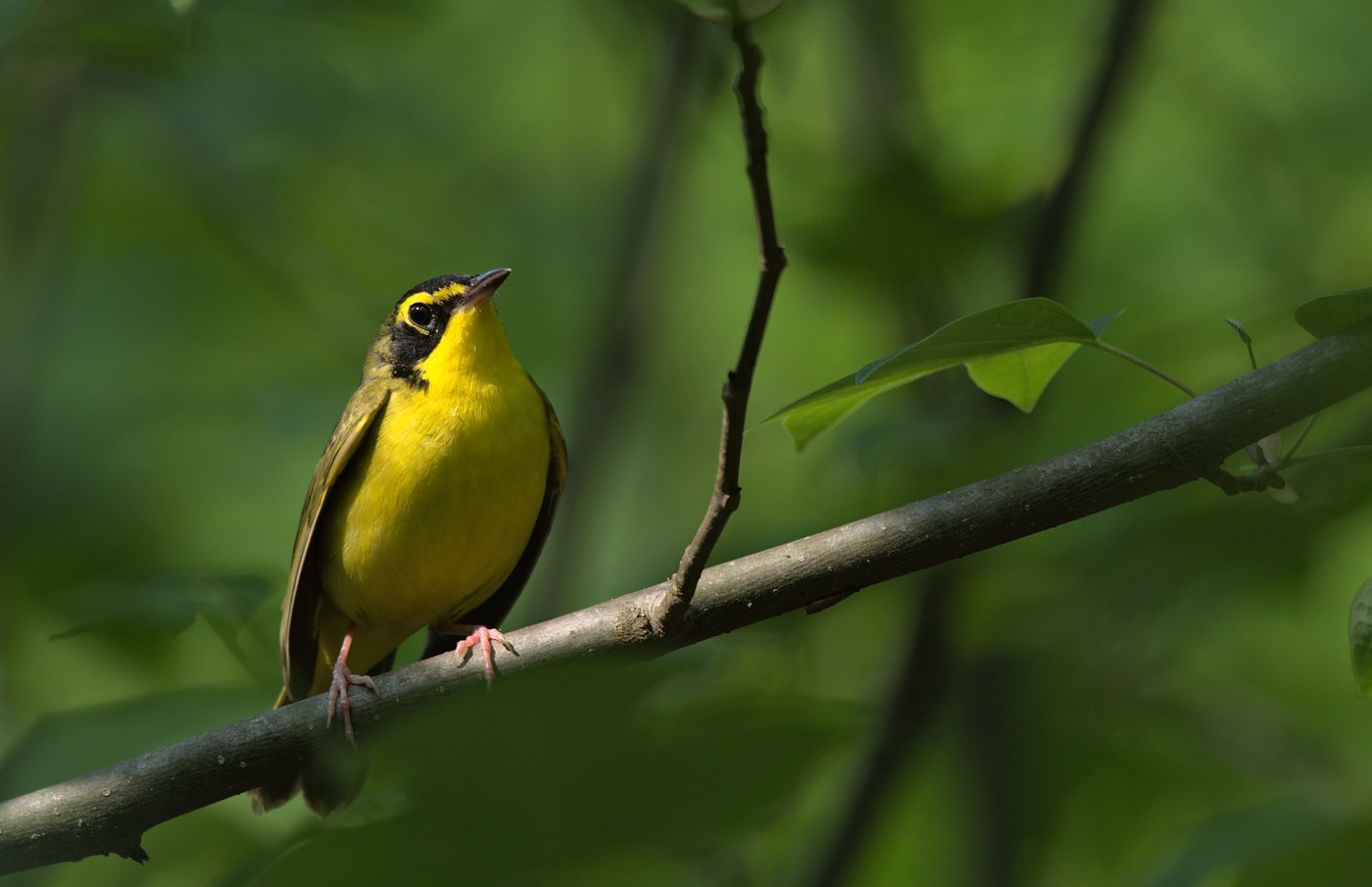
Kentucky Warbler
Geothlypis formosa
A bright yellow, olive-backed warbler of the forest floor, marked by bold black stripes framing the face like sideburns and a partial spectacle.
- Feather type
- Dense, olive-yellow contour feathers; bold black facial markings
- Colours
- Olive-green, bright yellow underparts, black sideburn markings
- Bird size
- Sparrow-sized, ~13 cm
Found a feather like this?
Identify any feather from a photo, free.
Overview
Overview
The Kentucky Warbler is a striking ground- and understory-dwelling warbler of moist deciduous forests in the eastern and southeastern United States. Its bright yellow underparts and face contrast with bold black markings that extend from the bill through the eye and down the side of the neck, giving the appearance of dark sideburns and a partial spectacle around the eye.
Despite its bright coloring, this species can be surprisingly difficult to see well, as it spends most of its time low in dense understory vegetation and leaf litter, more often heard than observed.
Identifying the Feather
Feather Identification
- Face pattern: Bold black feathers form a stripe from the base of the bill through and below the eye, continuing down the side of the neck, combined with a yellow spectacle-like area around and above the eye; this combination is distinctive.
- Underparts: Breast, belly, and undertail covert feathers are bright uniform yellow with no streaking.
- Upperparts: Back, wing, and tail feathers are plain olive-green, without wing bars or wing patches.
- Crown: Adult male crown feathers often show a blackish or dusky tinge, less prominent or absent in females.
- Size and shape: A relatively short tail and sturdy body reflect its ground-foraging habits; feathers overall are dense, suited to time spent in leaf litter and low cover.
Plumage & Molt
Plumage Details
Adult males show the boldest black facial markings and a blackish crown patch along with bright yellow underparts and olive-green upperparts. Females are similar in overall pattern but with duller, less extensive black facial markings and a less pronounced dark crown, sometimes showing an olive-tinged crown instead of black.
Immatures resemble adult females but can show even more reduced black facial markings, sometimes appearing as a dusky smudge rather than a bold stripe. A complete molt occurs on the breeding grounds after nesting; there is minimal further seasonal plumage change, and birds appear similarly patterned through migration and on the wintering grounds.
Habitat & Range
Habitat & Range
Kentucky Warblers require moist, mature deciduous forest with a well-developed shrub and herbaceous understory, often near streams, ravines, or other damp lowland forest, where they forage and nest close to the ground. The breeding range covers much of the southeastern and south-central United States, extending into parts of the Midwest and mid-Atlantic.
This species is a long-distance migrant, wintering from southern Mexico through Central America into northern South America, generally in humid lowland and foothill forest with dense undergrowth similar to its breeding habitat.
Behavior & Field Notes
Behavior & Field Notes
This warbler forages primarily on or near the ground, walking and hopping through leaf litter and low vegetation while gleaning insects and other invertebrates, occasionally flipping leaves to expose prey. It is generally a solitary and somewhat secretive species, staying within dense cover.
The nest is a bulky cup placed low in dense shrubs or herbaceous growth, often within a few feet of the ground. The song is a loud, rolling series of rich, churry notes, often rendered as "churry-churry-churry," delivered from within cover or from a low to mid-level perch. Because of its dense-understory habits, careful listening for its distinctive song is often the most reliable way to detect this species.
Frequently asked questions
What facial feathers distinguish a Kentucky Warbler?
Bold black stripes running from the bill through the eye and down the neck sides, combined with a yellow area around the eye, form its most distinctive facial pattern.
Does the Kentucky Warbler have wing bars?
No, its wings are plain olive-green without wing bars or wing patches.
How do females differ from males in plumage?
Females show duller and less extensive black facial markings and generally lack the blackish crown patch present in many adult males.
Where in the forest is this species usually found?
It stays close to the ground in dense understory vegetation of moist deciduous forest, making it more often heard than seen.
Kentucky Warbler guides
In-depth guides for identifying and understanding Kentucky Warbler.
Other feathers you may enjoy

Yellow-breasted Bunting
Contour and flight feathers, chestnut-and-yellow breeding pattern
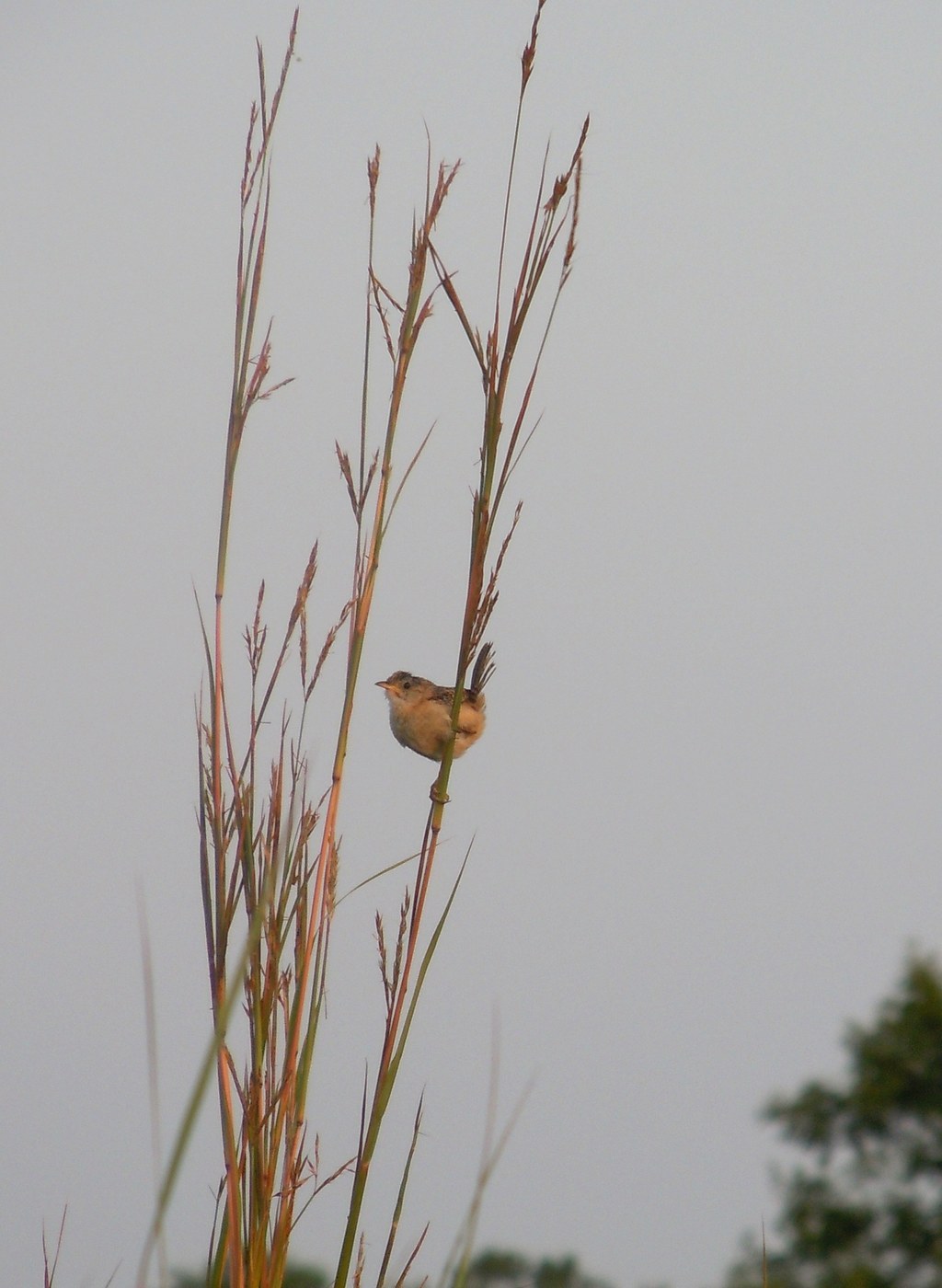
Sedge Wren
Tiny streaked crown and back feathers

Yellow-winged Cacique
Glossy black body feathers, yellow wing patch, shaggy crest

Yellow Warbler
Small contour and flight feathers
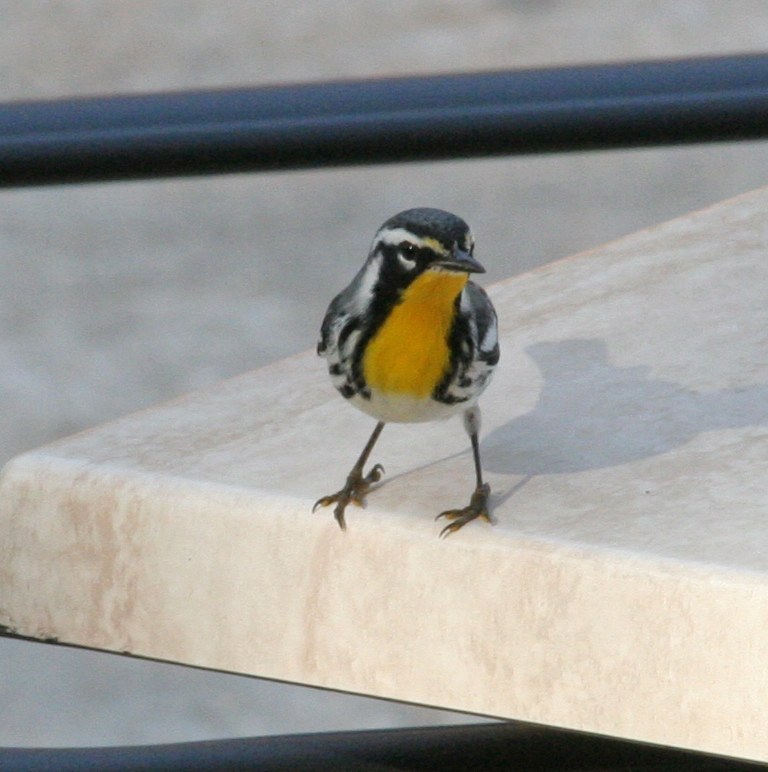
Yellow-throated Warbler
Small contour and flight feathers
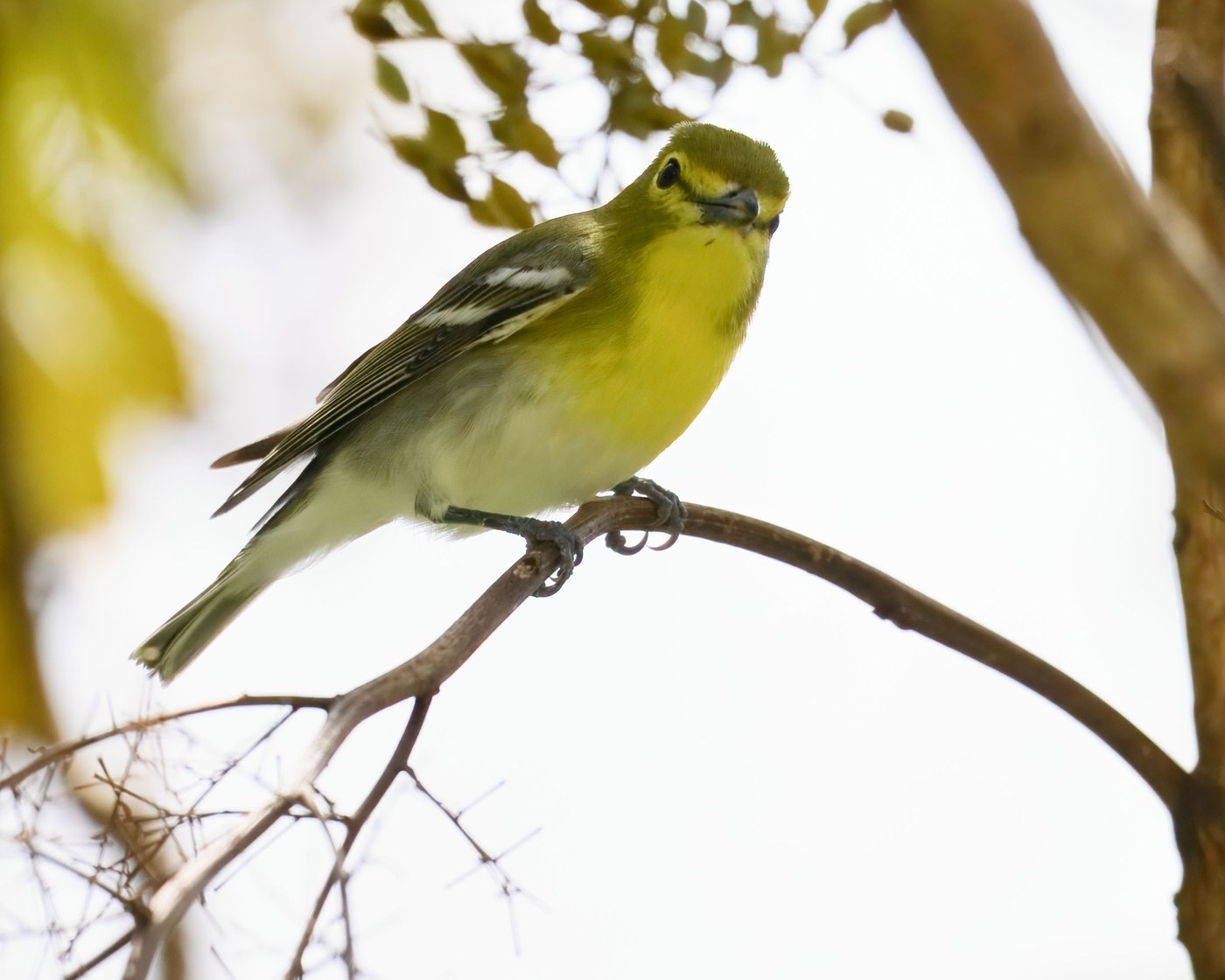
Yellow-throated Vireo
Bright yellow throat and spectacle feathers; olive-green back feathers; two white wing-bar feathers

Yellow-rumped Warbler
Small contour and flight feathers
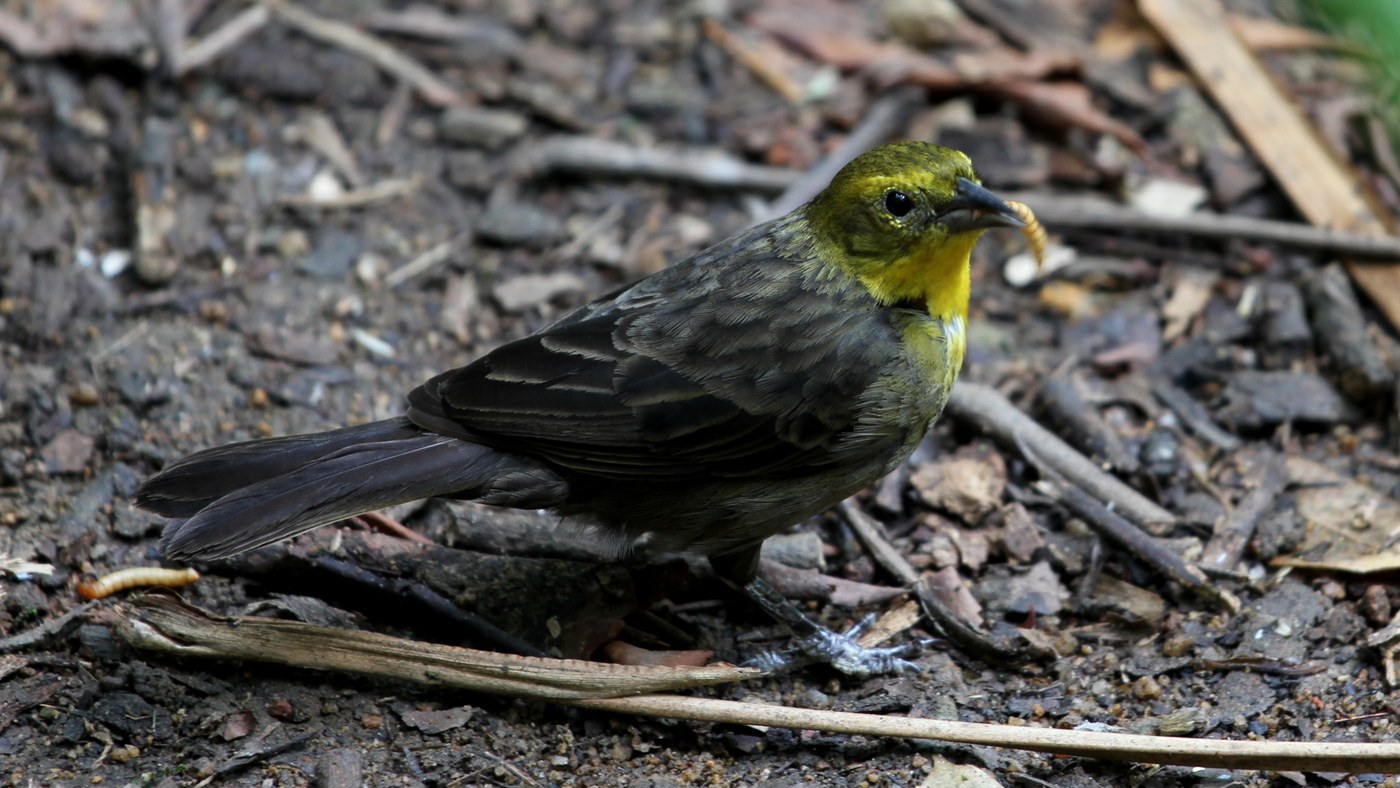
Yellow-hooded Blackbird
Contrasting hood and body feathers
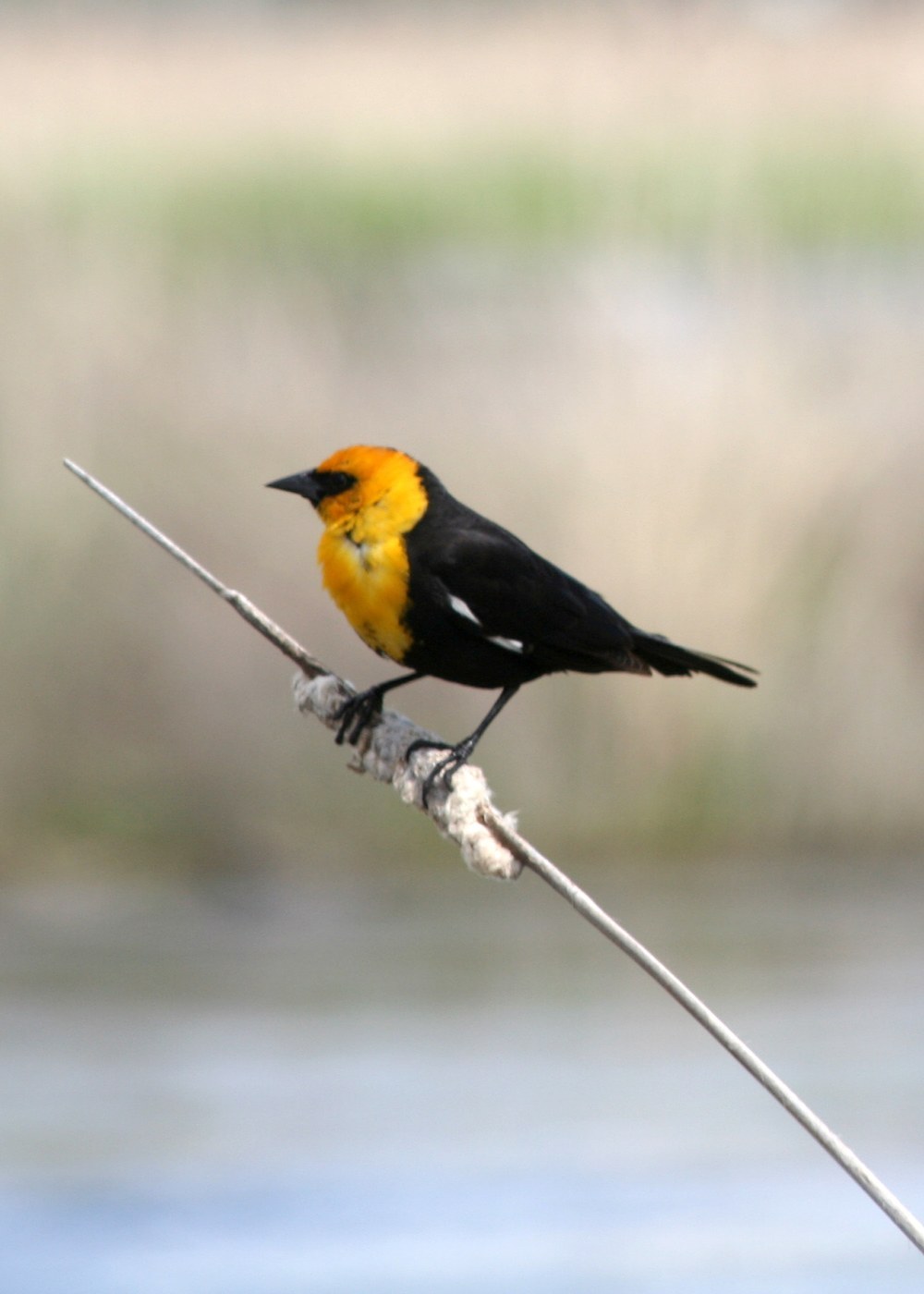
Yellow-headed Blackbird
Glossy black body plumage with a bright yellow head and breast

Yellow-eyed Junco
Contour and flight feathers

Yellow-fronted Canary
Small, smooth body plumage

Yellow-breasted Greenfinch
Compact, smooth body plumage