

Jardine's Parrot
Poicephalus gulielmi
Jardine's Parrot is a stocky African forest parrot whose green feathers are neatly edged in black, giving a scaled texture, accented by orange-red patches on the head and shoulders.
- Feather type
- Dense contour feathers edged darker for a scaled appearance
- Colours
- Green body with black-edged feathers giving a scaled look, plus orange-red patches on the forehead, shoulder, and thighs
- Bird size
- Medium, ~28 cm
Found a feather like this?
Identify any feather from a photo, free.
Overview
Overview
Jardine's Parrot inhabits rainforest and forest-edge habitats across parts of central and western Africa, ranging from lowland forest up into montane areas depending on the population. It is a larger, more heavily built Poicephalus species than the Senegal or Meyer's Parrots.
- Larger and bulkier than most other Poicephalus parrots
- Feather edging creates a distinct scaled pattern
- Orange-red patches vary somewhat in extent between subspecies
Identifying the Feather
Feather Identification
Body feathers are green with a fine black edge on each contour feather, producing a scaled or scalloped texture across the back, breast, and wing coverts. Orange-red patches mark the forehead, bend of the wing (shoulder), and thighs, with extent varying by subspecies.
- Flight feathers: Dark green primaries and secondaries, sometimes with a hint of black edging
- Tail feathers: Green, short and squared, typical of Poicephalus parrots
- Head feathers: Orange-red forehead patch contrasting with an otherwise green crown
The scaled black-edged texture across the body plumage, combined with orange-red patches at the forehead, shoulder, and thighs, distinguishes this species from the more plainly colored Senegal and Meyer's Parrots.
Plumage & Molt
Sexes are broadly similar in plumage, though the extent of orange-red coloring can vary between individuals and subspecies. Juveniles show reduced orange-red patches, particularly on the forehead, which become more developed with maturity. Molt occurs gradually through the year.
Habitat & Range
This species is tied to humid forest, including both lowland rainforest and montane forest depending on the subspecies, across parts of West and Central Africa. It is largely sedentary, with local movements linked to fruiting trees within its forest habitat.
Behavior & Field Notes
Jardine's Parrots are typically seen in pairs or small flocks moving through the forest canopy in search of fruit, seeds, and blossoms. They nest in tree cavities, with both parents contributing to raising the brood. Their calls include a range of whistles and chattering notes, generally given while foraging or in flight above the canopy.
Frequently asked questions
What feather texture is distinctive for Jardine's Parrot?
A scaled or scalloped look created by fine black edging on the green body feathers is characteristic of this species.
Where do the orange-red patches typically appear?
Orange-red coloring is usually found on the forehead, the bend of the wing (shoulder), and the thighs, though the extent varies by subspecies.
How does this species compare in size to Senegal and Meyer's Parrots?
Jardine's Parrot is notably larger and bulkier than both the Senegal Parrot and Meyer's Parrot.
Do juveniles show as much orange-red coloring as adults?
No, young birds have reduced orange-red patches, especially on the forehead, which expand with age.
Jardine's Parrot guides
In-depth guides for identifying and understanding Jardine's Parrot.

Other feathers you may enjoy
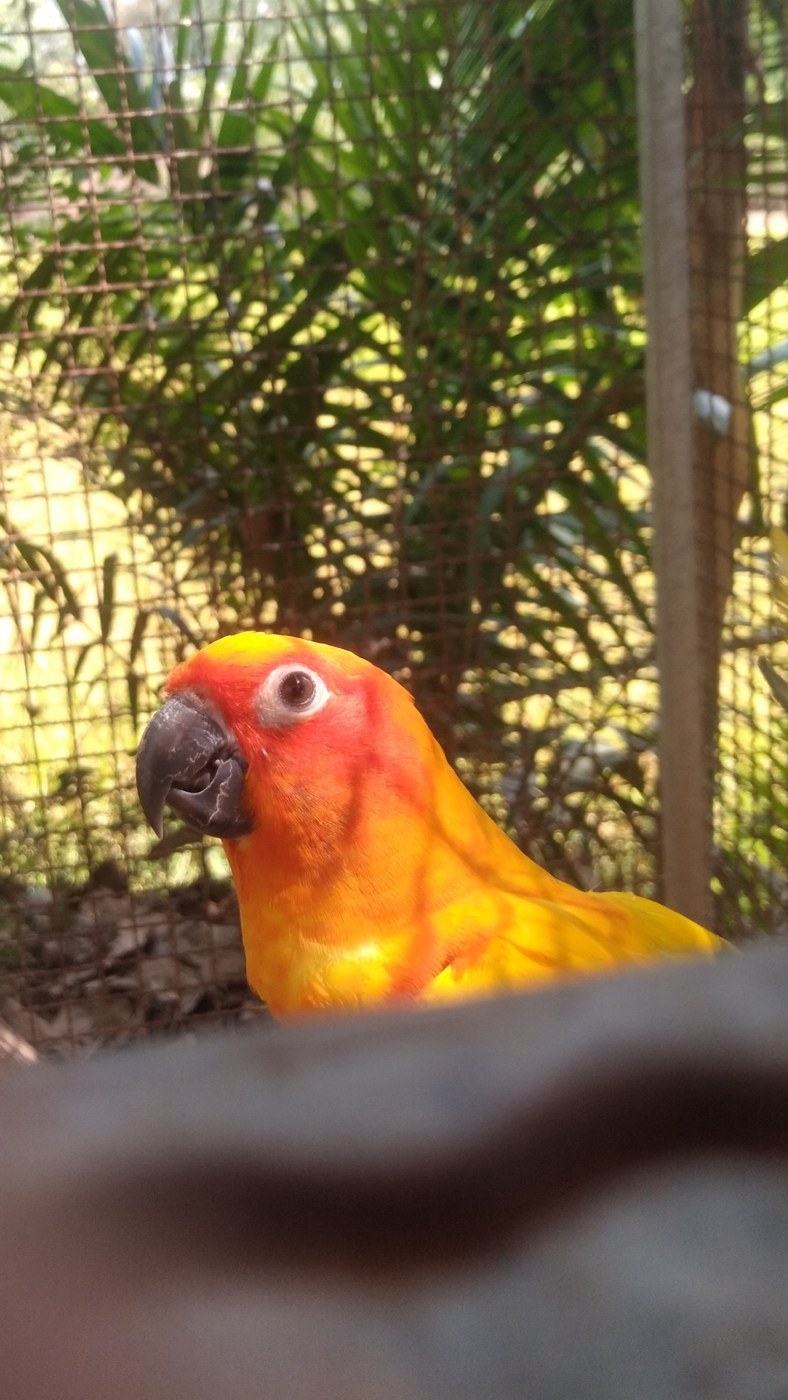
Sun Parakeet
Bright, dense body contour feathers; medium pointed tail feathers

Yellow-naped Amazon
Broad rounded contour feathers with sturdy flight feathers
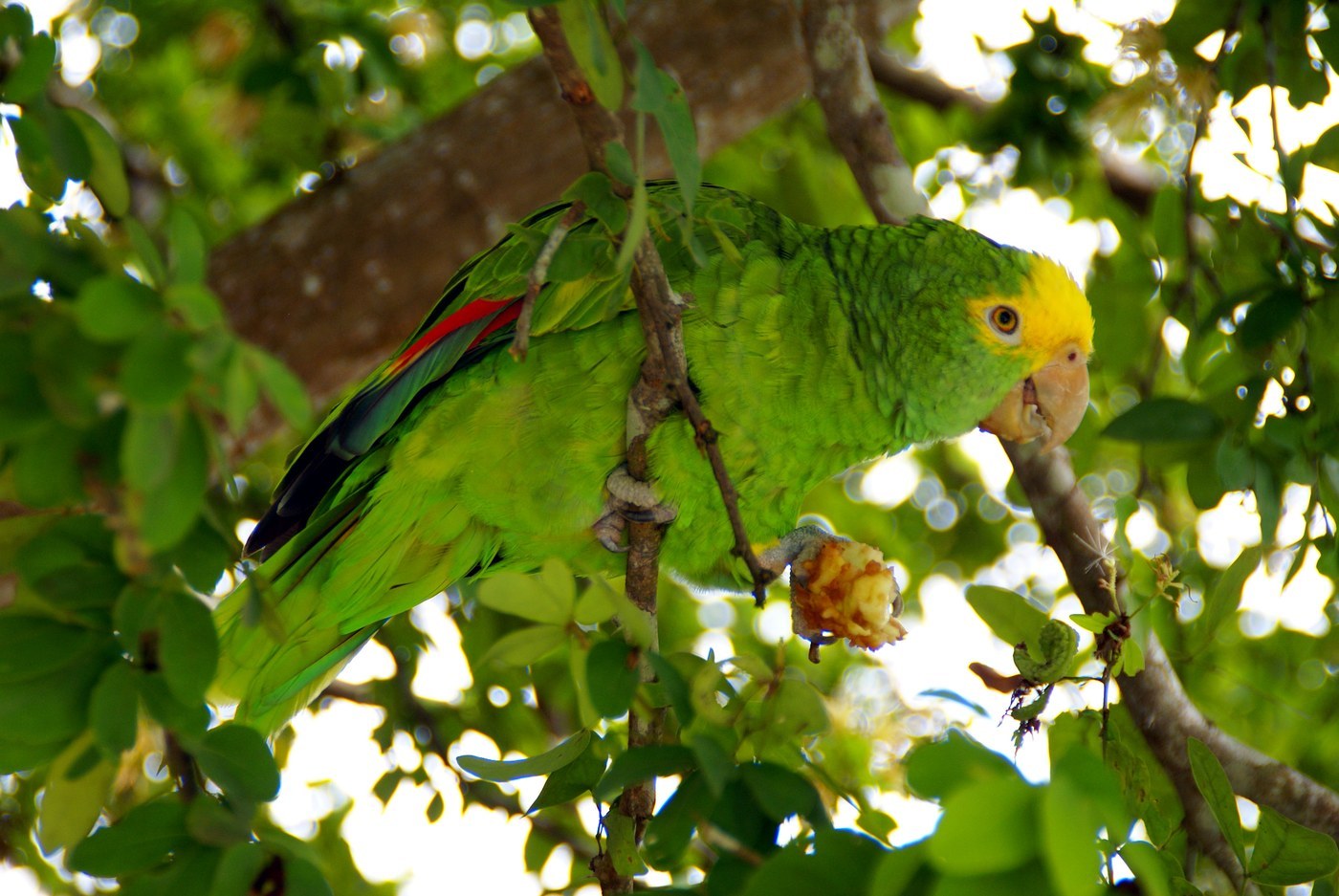
Yellow-headed Amazon
Dense, rounded body contour feathers; broad flight feathers
Yellow-collared Lovebird
Small compact flight feathers, short rounded tail

White-eyed Conure
Medium contour and long, graduated tail feathers

Yellow-tailed Black Cockatoo
Large, sturdy contour and flight feathers; short crest

Scarlet-chested Parrot
Small contour and flight feathers

Timneh Parrot
Broad flight feathers, scalloped body feathers with pale edges
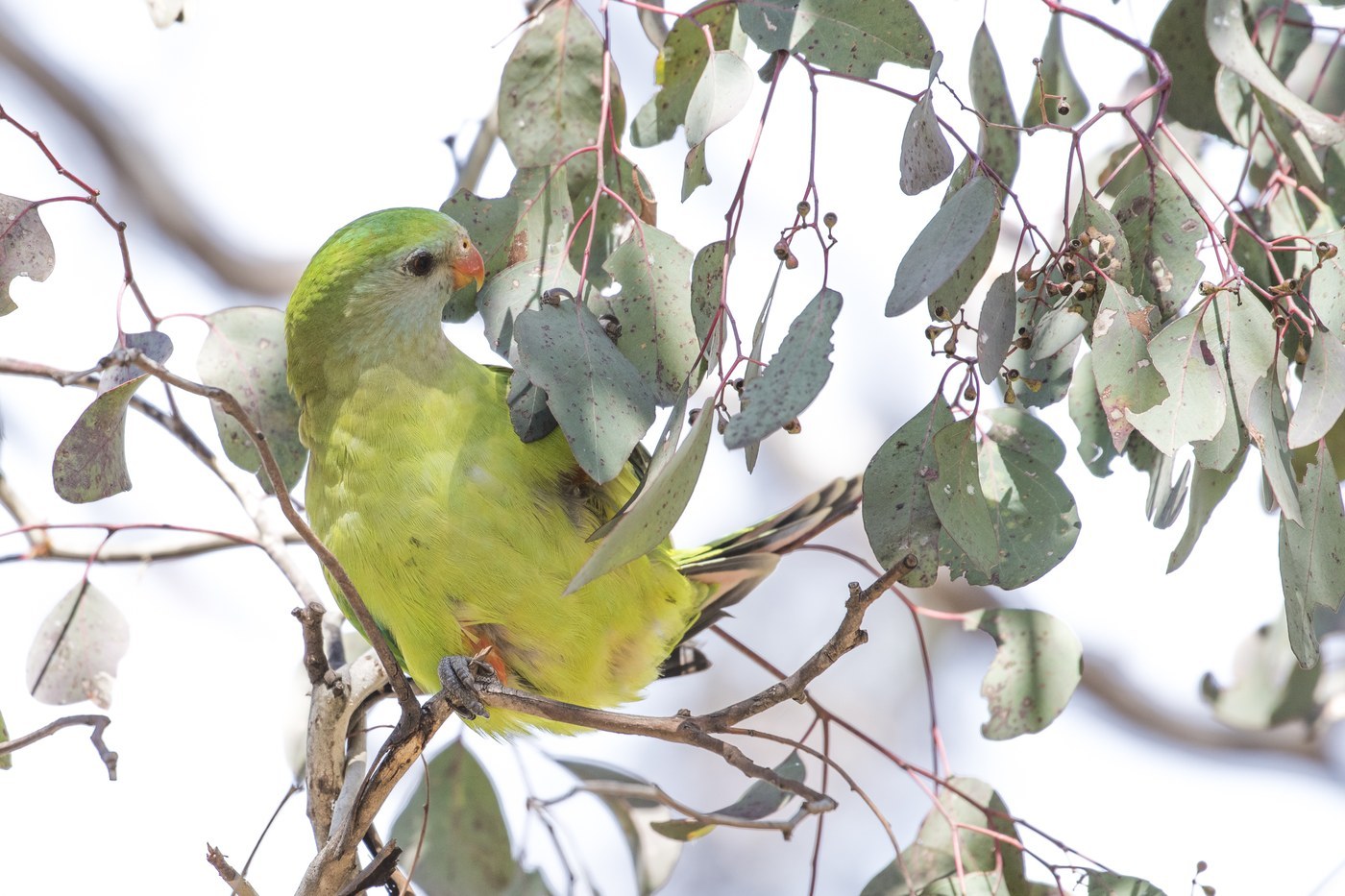
Superb Parrot
Sleek contour feathers with a long tapering tail

Red-shouldered Macaw
Compact body contour feathers; medium flight and tail feathers
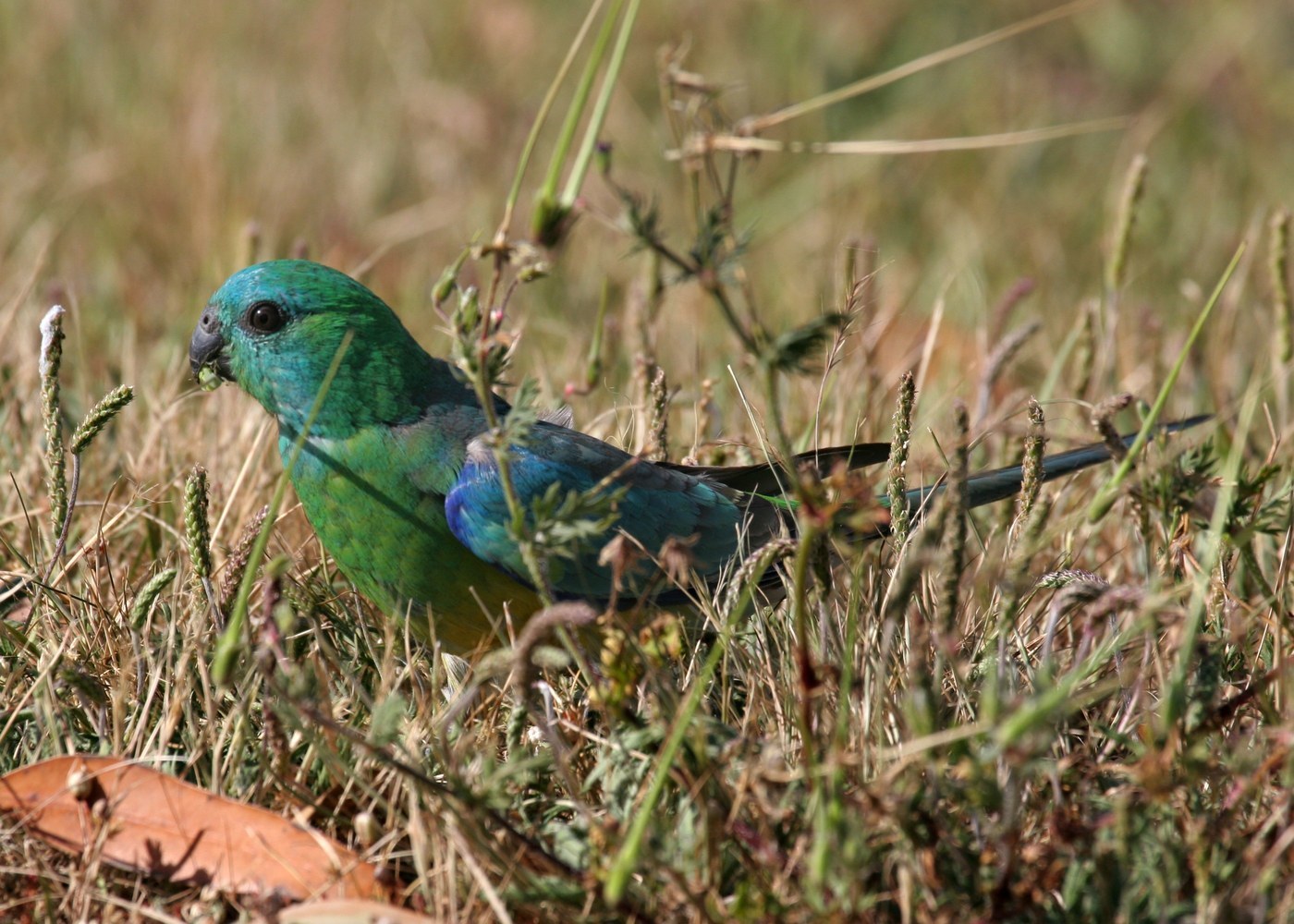
Red-rumped Parrot
Sleek contour feathers with a bright rump patch in males

White-capped Pionus
Compact contour feathers and short, squared tail feathers