

Indian Scops Owl
Otus bakkamoena
The Indian Scops Owl is a small, grey-brown owl of the Indian subcontinent whose finely mottled, bark-like feathers help it disappear against tree trunks by day.
- Feather type
- Small, cryptically mottled flight feathers with short ear tufts
- Colours
- Grey-brown with fine dark vermiculation and a faint pale nape patch
- Bird size
- Small, roughly 23-25 cm
Found a feather like this?
Identify any feather from a photo, free.
Overview
The Indian Scops Owl is a resident owl of the Indian subcontinent, occupying wooded gardens, groves, and forest edges across a wide range from Pakistan through India, Nepal, Bangladesh, and Sri Lanka. It is closely related to the Collared Scops Owl of more easterly Asia.
It is a familiar nocturnal presence in parks and wooded areas near towns and villages, often detected by its call rather than seen directly.
Its grey-brown, finely vermiculated plumage closely resembles that of other regional scops owls, so range within South Asia is a helpful supporting clue for feather identification.
Identifying the Feather
Shape and Size
Flight feathers are small, roughly 13-15 cm on primaries, with soft, comb-fringed edges typical of owls.
Color and Pattern
- Grey-brown ground color with fine dark vermiculation and streaking
- A faint pale patch may appear across the nape
- Underparts paler with fine dark shaft streaks
Shaft and Vane
Shafts pale brown; vanes soft and finely textured.
Distinguishing from Similar Species
Very similar to the Collared Scops Owl and other regional relatives; the Indian Scops Owl's nape patch is generally less pronounced, with reddish-brown to orange eye color noted in life (not visible on shed feathers), so range across the Indian subcontinent is the most reliable additional clue.
Plumage & Molt
Adults are grey-brown with fine dark vermiculation, a pale facial disc with a darker rim, short ear tufts, and orange to reddish-brown eyes.
Sexes look alike, with females slightly larger. Juveniles are downier and less patterned. Adults undergo a single annual molt.
Habitat & Range
This species is resident across the Indian subcontinent, including Pakistan, India, Nepal, Bangladesh, and Sri Lanka, inhabiting wooded gardens, groves, forest edge, and parks, often near human settlement.
It does not undertake long-distance migration, remaining within its range year-round, though some local movement may occur seasonally.
Behavior & Field Notes
The Indian Scops Owl is nocturnal, roosting by day in dense foliage or tree cavities where its mottled plumage provides camouflage. It feeds on large insects and occasionally small vertebrates.
It nests in tree cavities. Its call is a short, repeated hooting or clicking note, a familiar night sound in South Asian towns and villages with mature trees. A grey-brown, finely vermiculated feather found in wooded gardens or groves across the Indian subcontinent is consistent with this species.
Frequently asked questions
Where is the Indian Scops Owl found?
Across the Indian subcontinent, including Pakistan, India, Nepal, Bangladesh, and Sri Lanka, in wooded gardens and groves.
How can I tell this species from the Collared Scops Owl by feather?
The two are very similar; the Indian Scops Owl typically shows a less pronounced pale nape patch, and range helps narrow identification since the two species mostly replace each other geographically.
Is this owl commonly seen near people?
Yes, it often roosts and hunts in parks and wooded gardens near towns and villages.
What color are this species' eyes?
Orange to reddish-brown, though this is only visible on the living bird.
Indian Scops Owl guides
In-depth guides for identifying and understanding Indian Scops Owl.

Other feathers you may enjoy

Tawny Owl
Wing (flight) and body (contour) feathers
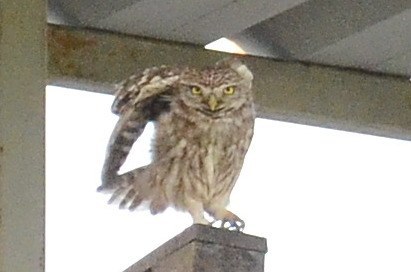
Little Owl
Wing and body feathers

Balsas Screech-Owl
Small ear-tuft feathers; soft, finely vermiculated body feathers

Blakiston's Fish Owl
Massive flight feathers with looser structure; shaggy body plumage; prominent ear-tuft feathers

Barn Owl
Wing and facial-disc feathers
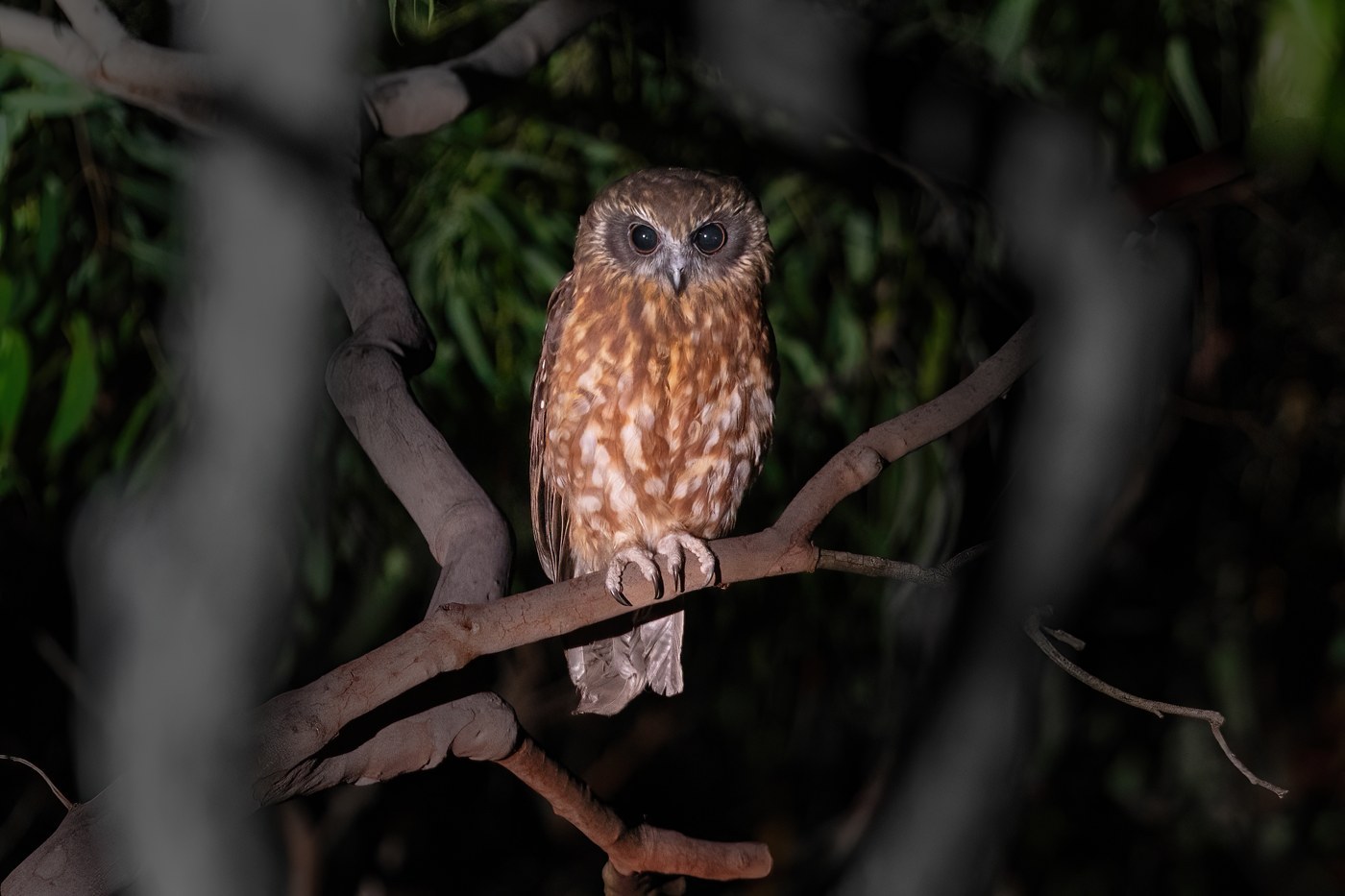
Southern Boobook
Rounded flight feathers; banded tail; spotted body plumage

Sooty Owl
Broad soft-edged flight feathers; heart-shaped facial disc feathers; finely speckled body plumage

Short-eared Owl
Broad soft-fringed flight feathers; streaked body feathers; tiny, rarely visible ear tufts

Stygian Owl
Dark, mottled flight and body feathers with long, closely-set ear tufts
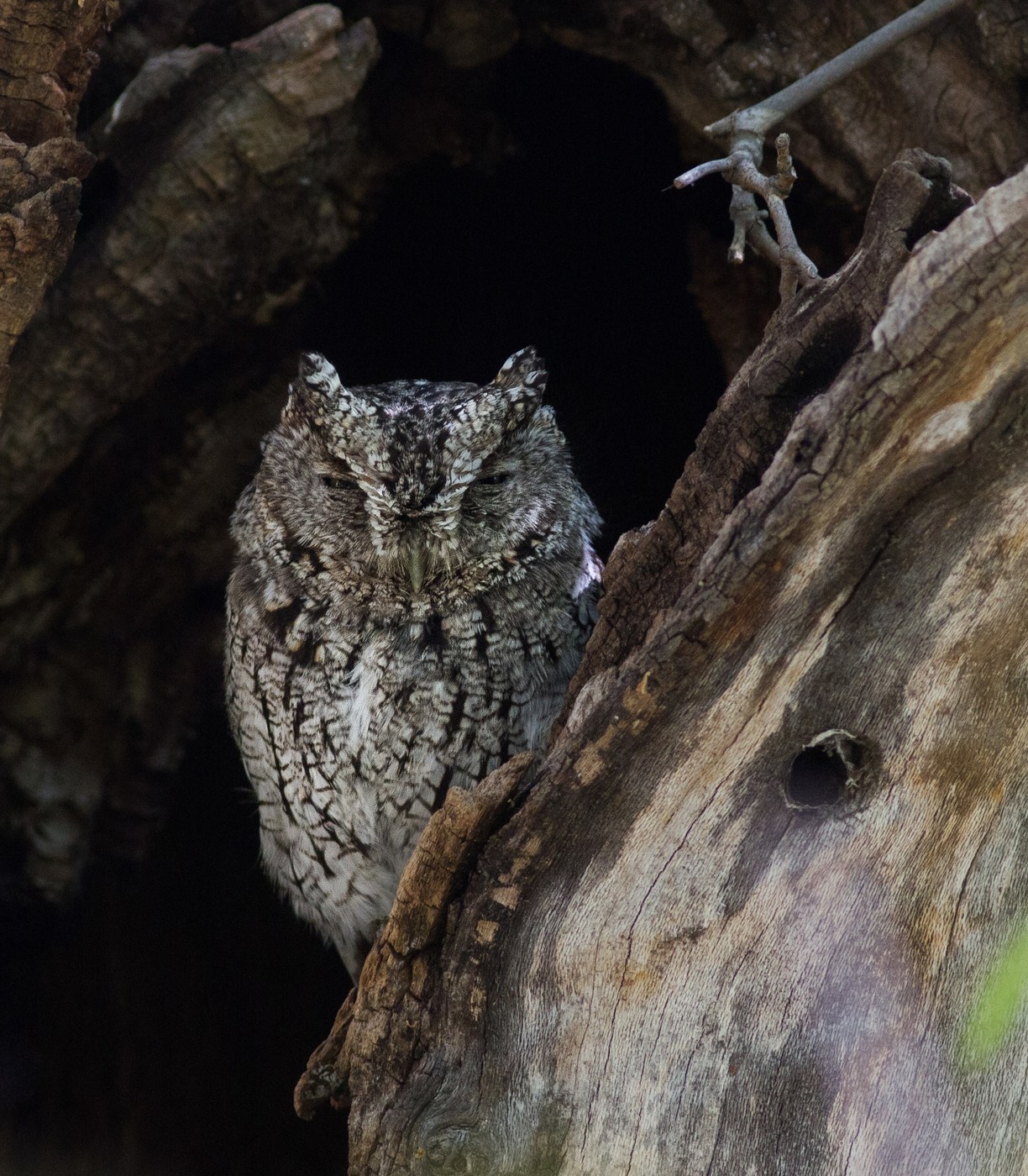
Whiskered Screech-Owl
Small soft-fringed flight feathers; finely mottled body feathers; short ear tufts
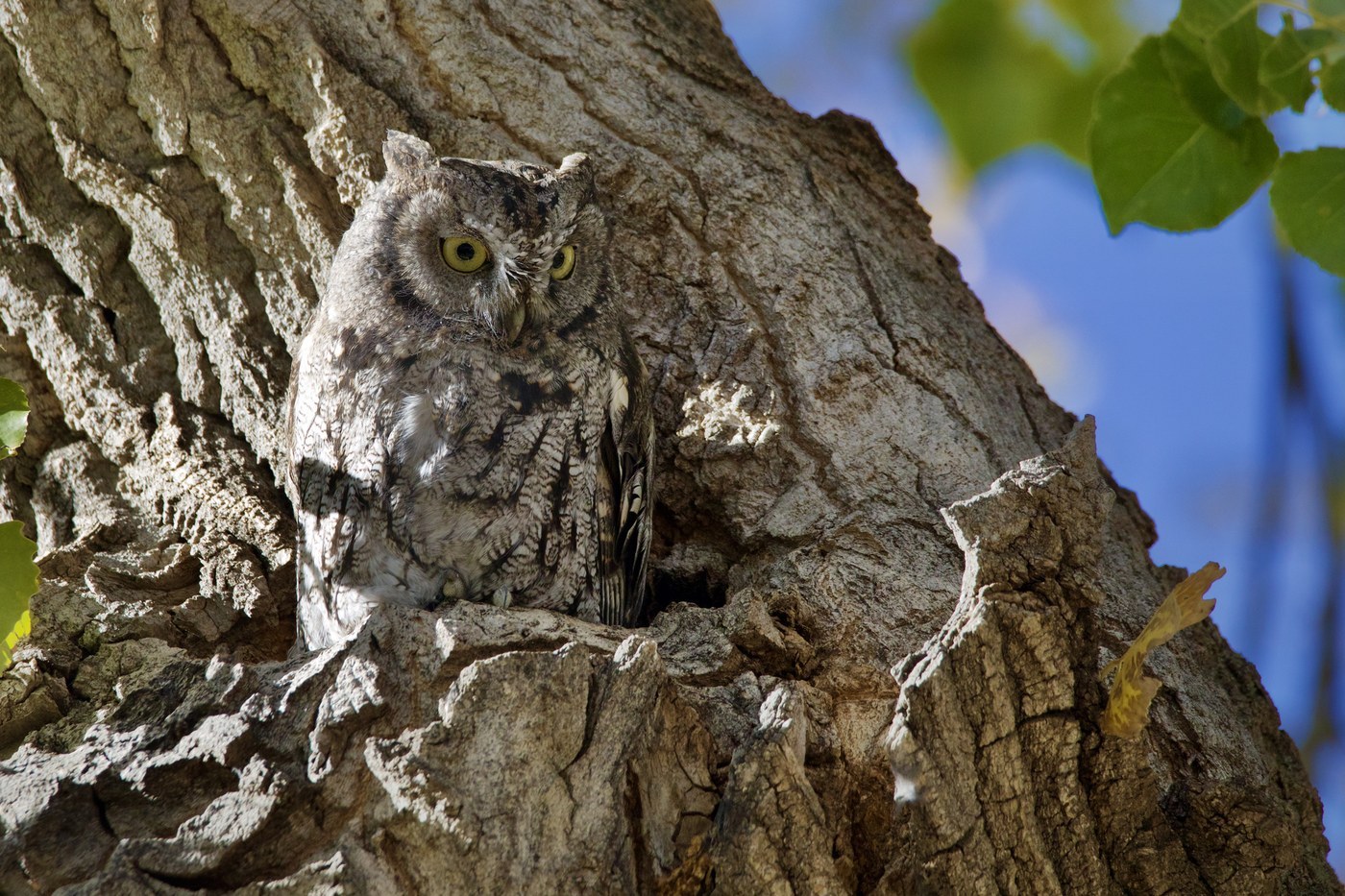
Western Screech-Owl
Small soft-fringed flight feathers; cryptic mottled/streaked body feathers; short ear tufts

White-faced Scops Owl
Small to medium flight feathers with a distinctive whitish facial disc and long ear-tuft plumes