

Indian Eagle-Owl
Bubo bengalensis
A large, tawny-buff eagle-owl of rocky ravines and scrub across the Indian subcontinent, its feathers boldly streaked and barred in dark brown against a warm buff ground.
- Feather type
- Large flight feathers; heavily streaked and barred body plumage; long ear-tuft feathers
- Colours
- Tawny-buff heavily streaked and barred with dark brown to blackish
- Bird size
- Large, ~50-56 cm
Found a feather like this?
Identify any feather from a photo, free.
Overview
The Indian Eagle-Owl, also known as the Rock Eagle-Owl, is a large and powerful owl resident across much of the Indian subcontinent, favoring rocky hillsides, ravines, and scrub country. Its warm tawny-buff plumage, heavily marked with dark streaking and barring, makes it one of the more strikingly patterned eagle-owls.
It is closely related to the Eurasian Eagle-Owl and was formerly considered a subspecies of it, but is now generally treated as a distinct species restricted to South Asia. Pairs are often found roosting by day in rocky crevices or on cliff ledges, becoming vocal and active around dusk.
Because it favors open rocky and scrub terrain rather than dense forest, its molted feathers are most often encountered in ravines, quarries, and boulder-strewn hillsides across its range.
Identifying the Feather
Size and shape
Large, robust feathers reflecting a bird 50-56 cm long, with broad flight feathers and long, prominent ear-tuft feathers.
Color and pattern
- Ground color is warm tawny to buff, more richly colored than many other eagle-owls.
- Upperparts show heavy dark brown to blackish streaking and mottling, while flight and tail feathers show broad dark barring against the buff ground.
- Underparts are paler buff with bold dark streaking, becoming finer barring toward the flanks.
- Shafts are dark brown.
Distinguishing from similar species
Compared to the Pharaoh Eagle-Owl, Indian Eagle-Owl feathers are darker and more richly marked with heavier streaking rather than the paler, sandier tones of the desert-adapted Pharaoh Eagle-Owl. Compared to the Spotted Eagle-Owl, the ground color is warmer buff rather than cool gray-brown.
Plumage & Molt
Adults are richly tawny-buff, heavily marked above with dark brown streaking and mottling and below with bold streaks that become finer barring on the flanks. Long, dark ear tufts are prominent. Sexes are similar in plumage, with females larger. Juveniles are paler and downier with less defined streaking. Molt is annual, following breeding, with flight feathers replaced in sequence.
Habitat & Range
This species is resident across the Indian subcontinent, favoring rocky hillsides, ravines, scrub-covered slopes, and semi-arid country, often near cliffs or boulder formations used for roosting and nesting. It generally avoids dense forest and true desert, and shows little seasonal movement.
Behavior & Field Notes
Indian Eagle-Owls hunt at night, taking rodents, birds, reptiles, and large insects from a perch or in low flight over open rocky ground. Pairs roost together by day in rock crevices or cliff ledges and are highly vocal at dusk with deep, resonant hooting duets. Nests are simple scrapes on cliff ledges or among boulders. When identifying a feather, look for warm tawny-buff ground color with heavy dark streaking and barring, and an overall large, robust size.
Frequently asked questions
Is the Indian Eagle-Owl the same as the Eurasian Eagle-Owl?
It was long considered a subspecies of the Eurasian Eagle-Owl but is now generally treated as a distinct species restricted to the Indian subcontinent.
What color are Indian Eagle-Owl feathers?
They are warm tawny-buff overall with heavy dark brown streaking above and bold streaking fading to barring on the underparts and flanks.
What habitat should I search for this owl's feathers?
Look in rocky ravines, cliffs, quarries, and scrub-covered hillsides across the Indian subcontinent, where the species roosts and nests.
Does this owl build a nest?
No, it typically lays eggs in a simple scrape on a cliff ledge or among boulders rather than constructing a stick nest.
Indian Eagle-Owl guides
In-depth guides for identifying and understanding Indian Eagle-Owl.

Other feathers you may enjoy

Tawny Owl
Wing (flight) and body (contour) feathers
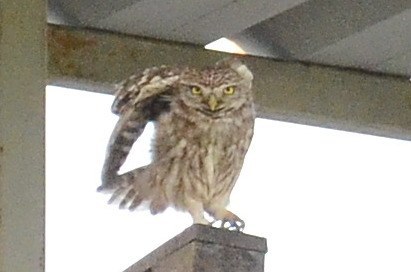
Little Owl
Wing and body feathers

Balsas Screech-Owl
Small ear-tuft feathers; soft, finely vermiculated body feathers

Blakiston's Fish Owl
Massive flight feathers with looser structure; shaggy body plumage; prominent ear-tuft feathers

Barn Owl
Wing and facial-disc feathers
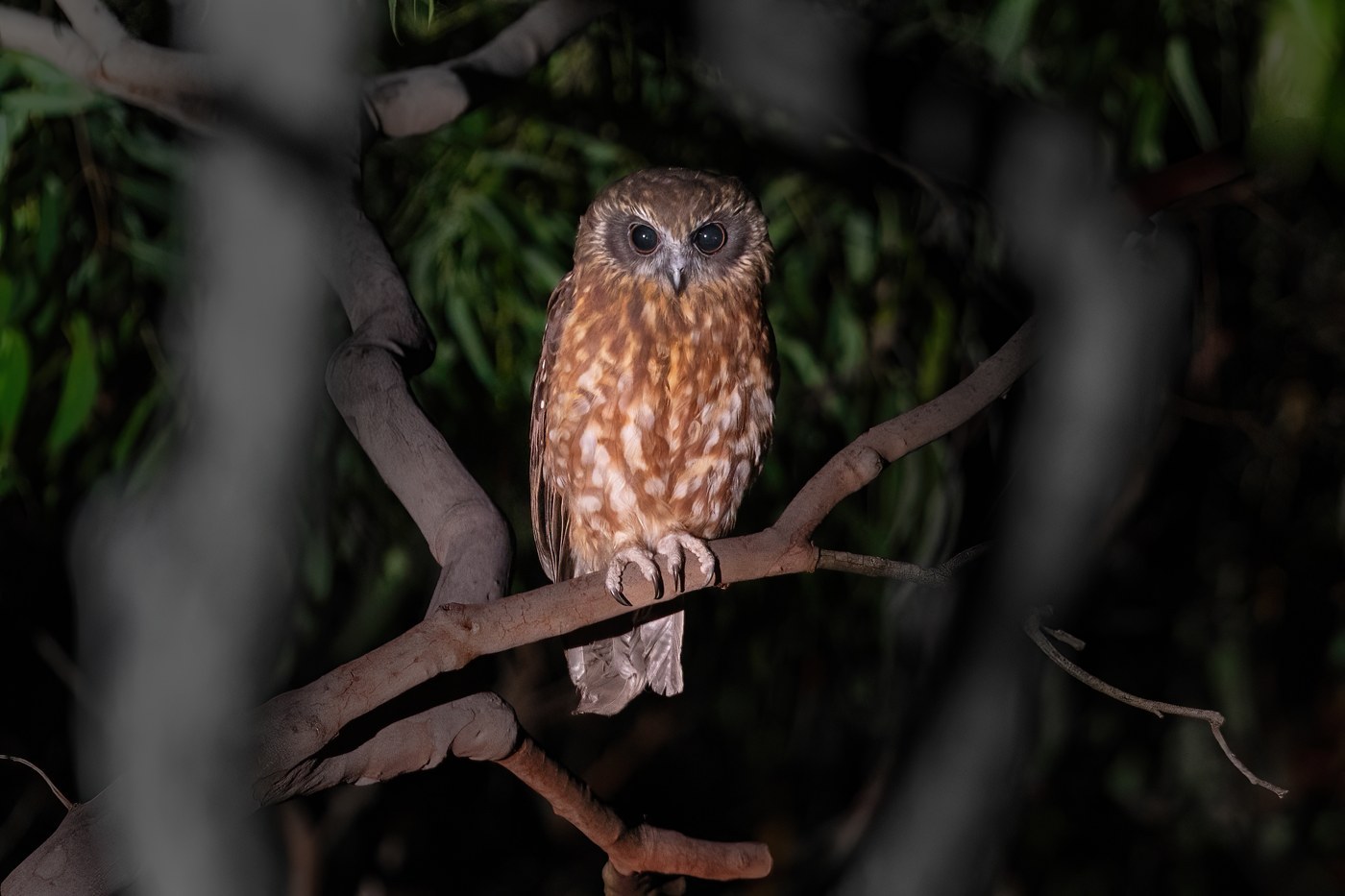
Southern Boobook
Rounded flight feathers; banded tail; spotted body plumage

Sooty Owl
Broad soft-edged flight feathers; heart-shaped facial disc feathers; finely speckled body plumage

Short-eared Owl
Broad soft-fringed flight feathers; streaked body feathers; tiny, rarely visible ear tufts

Stygian Owl
Dark, mottled flight and body feathers with long, closely-set ear tufts
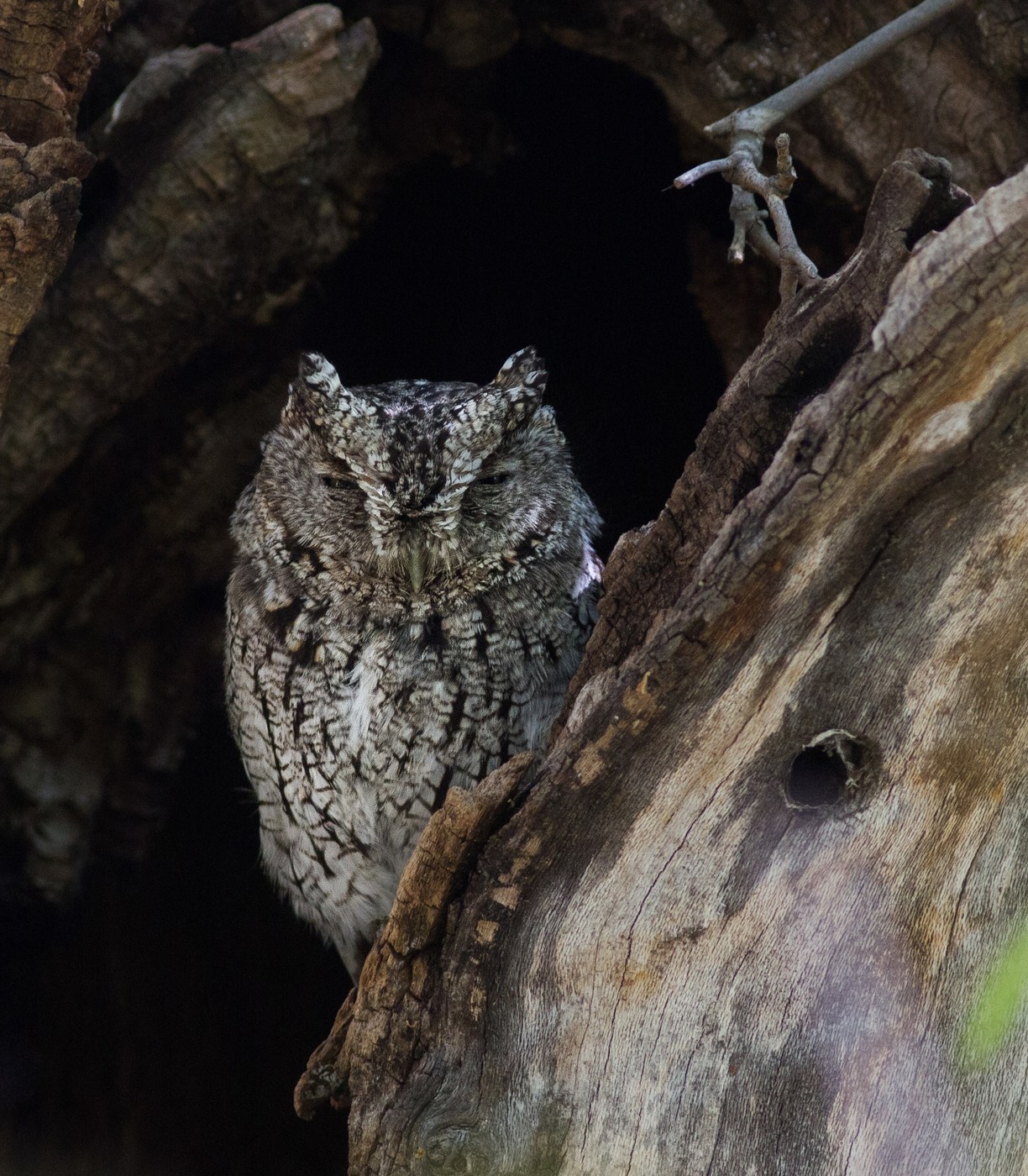
Whiskered Screech-Owl
Small soft-fringed flight feathers; finely mottled body feathers; short ear tufts
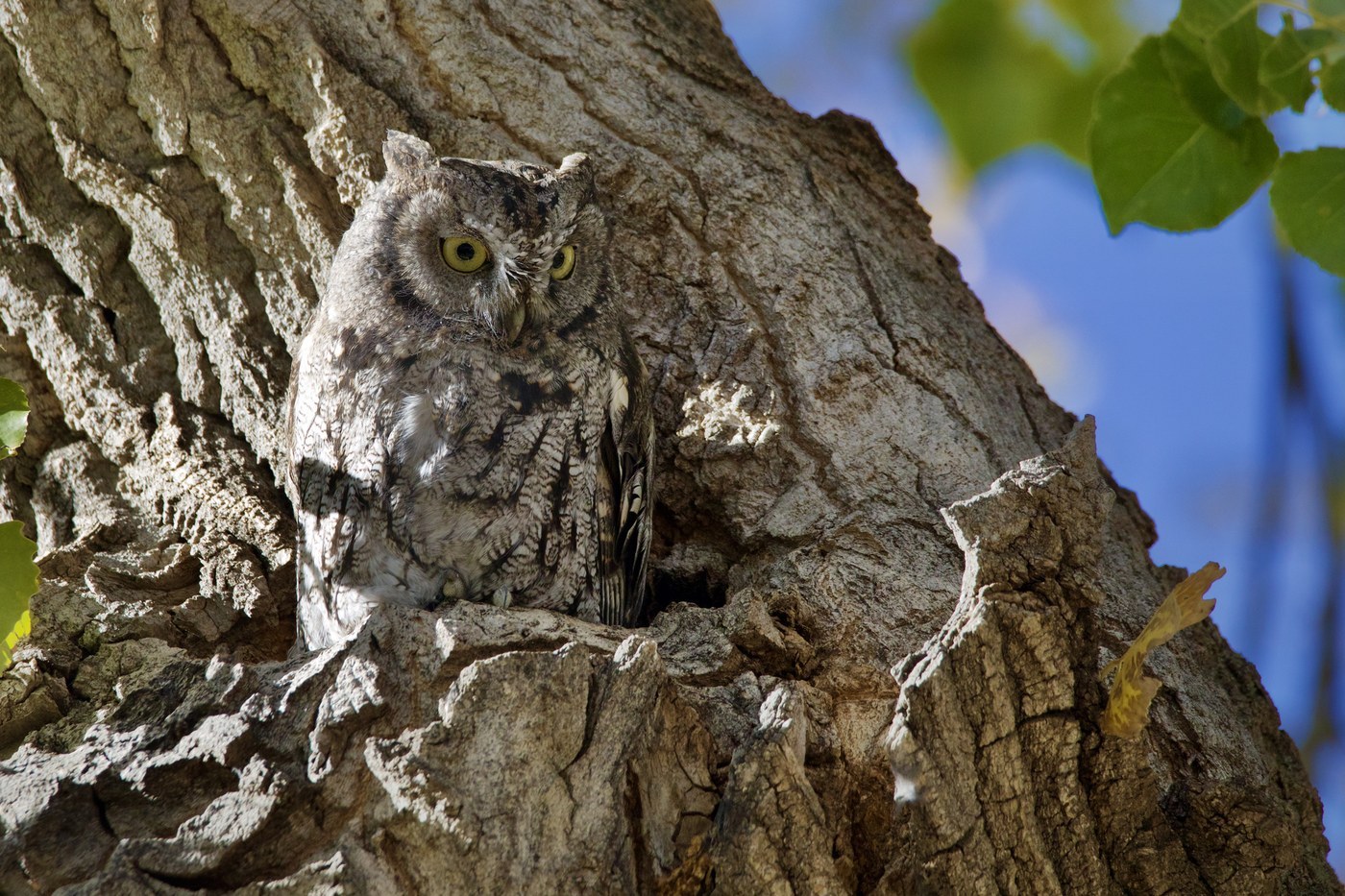
Western Screech-Owl
Small soft-fringed flight feathers; cryptic mottled/streaked body feathers; short ear tufts

White-faced Scops Owl
Small to medium flight feathers with a distinctive whitish facial disc and long ear-tuft plumes