

Hawfinch
Coccothraustes coccothraustes
A bull-necked, massive-billed finch whose wing feathers include uniquely curved, hooked secondaries found in no other European songbird.
- Feather type
- Short glossy wing feathers with oddly shaped, hook-tipped secondaries; short square tail with white tip
- Colours
- Chestnut-brown back, black-and-white wings with a blue-black gloss, orange-buff head and underparts
- Bird size
- Large, stocky finch, ~18 cm
Found a feather like this?
Identify any feather from a photo, free.
Overview
The Hawfinch is the largest and bulkiest finch in Europe, instantly distinguished in the hand or at close range by its enormous, powerful bill and thick neck. Despite its size it is shy and often stays hidden in the canopy of mature woodland, making it far easier to encounter as a dropped feather than as a clear view of the living bird.
It favors old broadleaf woods, especially those with hornbeam, beech, or fruiting trees, and is thinly and patchily distributed across much of temperate Europe and into Asia. Small, secretive populations mean feathers are an uncommon but distinctive find.
What truly sets the Hawfinch apart from every other feather in a woodland is the bizarre shape of its secondary flight feathers, which are curiously notched, twisted, and hook-tipped — a feature unmatched among European birds and an instant giveaway when present.
Identifying the Feather
Overall impression
Short, stiff-looking wing and tail feathers from a stocky, powerful bird — nothing about a Hawfinch feather feels soft or delicate.
Diagnostic secondaries
- The secondary flight feathers are the single best clue: they are oddly shaped, with the tips curved, notched, or hook-like rather than straight and tapered.
- This bizarre secondary shape is unique among European songbirds and is considered diagnostic when a curved, blade-like tip is present on a black-and-white wing feather.
Color and pattern
- Wing feathers are glossy blue-black with a bold white patch visible on the folded wing (formed by white bases to some flight feathers).
- Body (contour) feathers are warm orange-brown to chestnut, denser and softer than the flight feathers.
- Tail feathers are short, dark, and tipped with white or pale buff.
Size and shaft
- Flight feathers are short relative to the bird's bulk, reflecting its powerful but not particularly agile flight.
- Shafts are pale to dark, thick and stiff for the feather's length.
Confusion species
No common European finch shares the hook-tipped secondary shape, so any feather showing this feature can be attributed to Hawfinch with confidence; without that feature, look instead for the combination of chestnut body feathers and glossy blue-black wing feathers with white patching.
Plumage & Molt
Adults have an orange-buff head, grey nape, chestnut-brown back, and pinkish-buff underparts, with a black patch around the base of the huge bill and throat. The wings are glossy blue-black with a broad white bar, and the short tail is dark with white tips. The massive bill is blue-grey in the breeding season and paler pinkish-horn in winter.
Males and females look broadly similar, though females are slightly duller with more grey in the wing. Juveniles are duller and more mottled, with a paler bill and less contrast in the wing pattern, gradually acquiring adult plumage through their first year.
Hawfinches undergo a complete molt after breeding in late summer, replacing all flight and body feathers before autumn.
Habitat & Range
Hawfinches favor mature deciduous and mixed woodland, particularly stands with hornbeam, beech, or cherry, as well as large parkland trees and old orchards where they feed on tree seeds and stones. They are shy and often stay high in the canopy, so their presence is easy to overlook.
The species is resident across much of temperate Europe and ranges across temperate Asia to Japan. Northern and eastern populations may shift south in hard winters, but most populations are largely sedentary.
Behavior & Field Notes
Hawfinches use their oversized, powerful bill to crack open tree seeds and fruit stones that few other birds can open, feeding quietly and often unnoticed high in tree canopies. They are wary and tend to fly off at the first sign of disturbance, usually in fast, direct, undulating flight.
They nest in trees, building a shallow twig-and-root cup placed in a fork of a branch, usually well hidden. Their call is a sharp, explosive 'tzik' given in flight, and the song is quiet and easily overlooked.
Because Hawfinches are elusive and thinly distributed, finding one of their feathers — especially a hook-tipped secondary — is a notable record worth taking a photograph of before moving it.
Frequently asked questions
What is the single best way to identify a Hawfinch feather?
Look for a secondary flight feather with a curved, notched, or hook-shaped tip — this odd shape occurs in no other common European songbird and is diagnostic for Hawfinch.
What colors should I expect on a Hawfinch feather?
Wing feathers are glossy blue-black with white patches, while body feathers are warm chestnut-brown to orange-buff.
How big are Hawfinch feathers compared to other finches?
They are noticeably larger and stiffer than typical finch feathers, reflecting the bird's bulky, powerful build, though still modest compared to a crow or pigeon feather.
Could a Hawfinch feather be confused with a Jay feather?
Unlikely — Jay wing coverts show bright blue-and-black barring, quite different from the plain blue-black gloss and hooked secondary shape of a Hawfinch.
Where am I most likely to find a Hawfinch feather?
Under mature broadleaf trees, especially hornbeam, beech, or fruiting trees, in old woodland or orchards where the species feeds and roosts.
Hawfinch guides
In-depth guides for identifying and understanding Hawfinch.

Other feathers you may enjoy

Yellow-breasted Bunting
Contour and flight feathers, chestnut-and-yellow breeding pattern
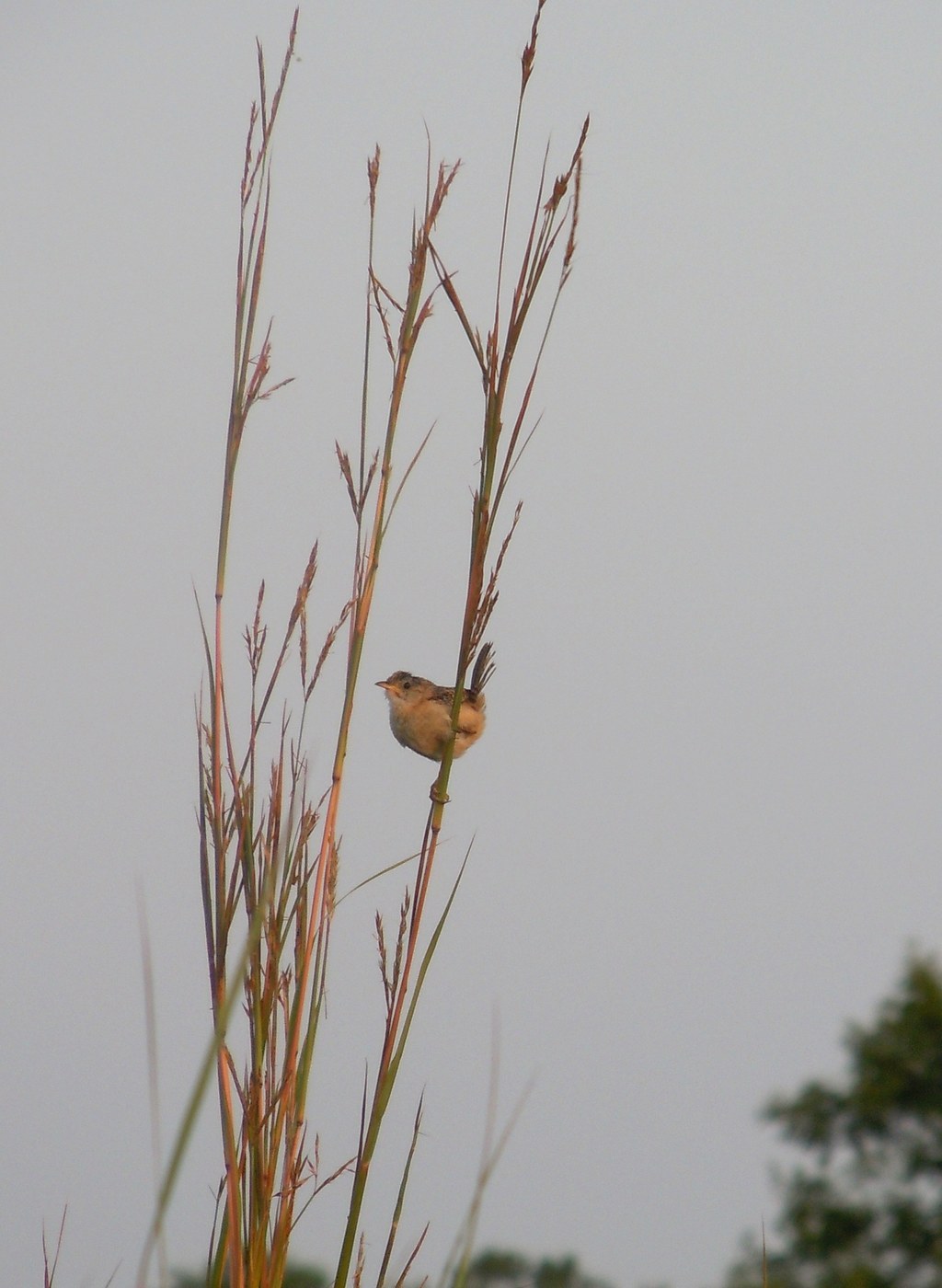
Sedge Wren
Tiny streaked crown and back feathers

Yellow-winged Cacique
Glossy black body feathers, yellow wing patch, shaggy crest

Yellow Warbler
Small contour and flight feathers
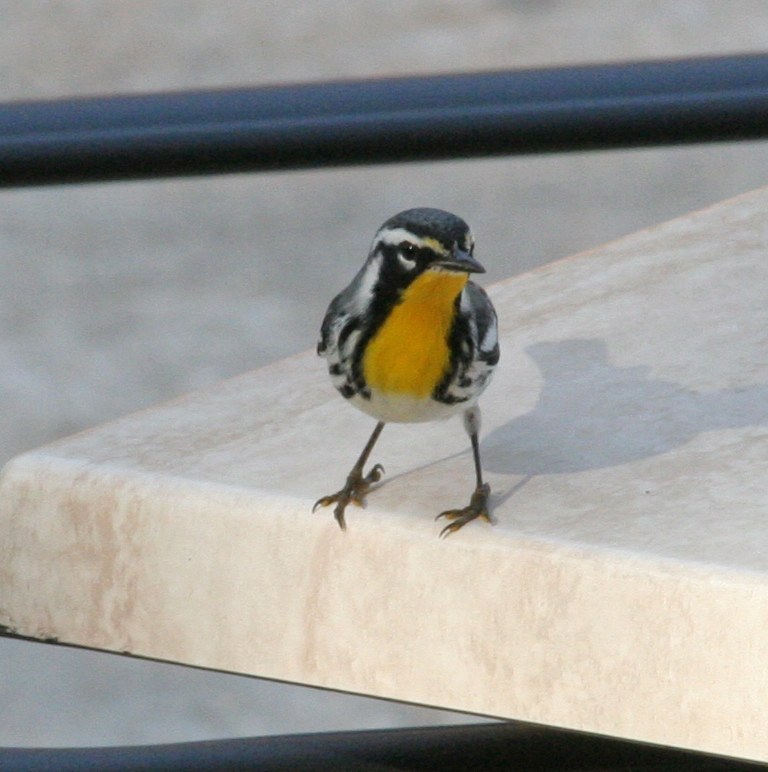
Yellow-throated Warbler
Small contour and flight feathers
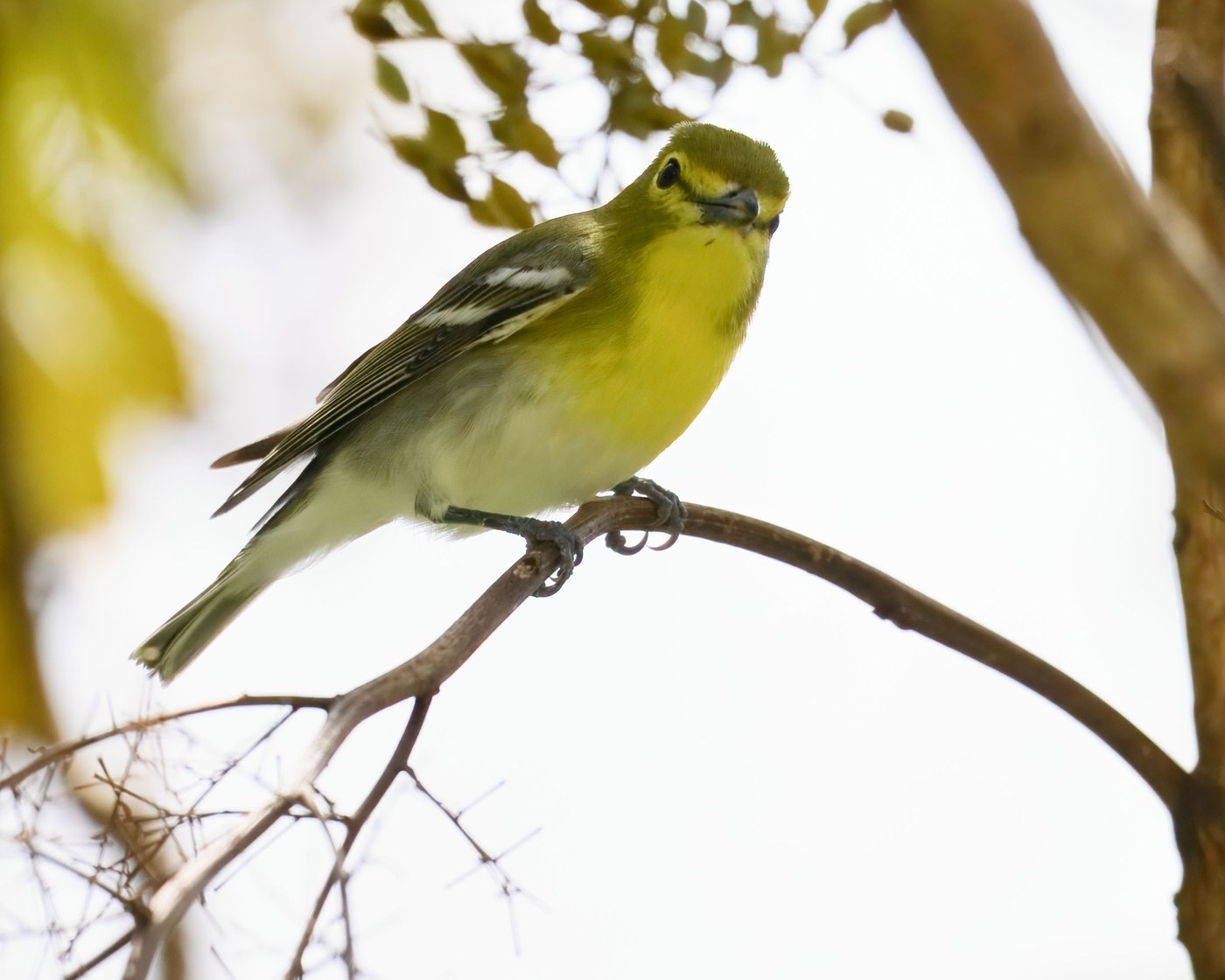
Yellow-throated Vireo
Bright yellow throat and spectacle feathers; olive-green back feathers; two white wing-bar feathers

Yellow-rumped Warbler
Small contour and flight feathers
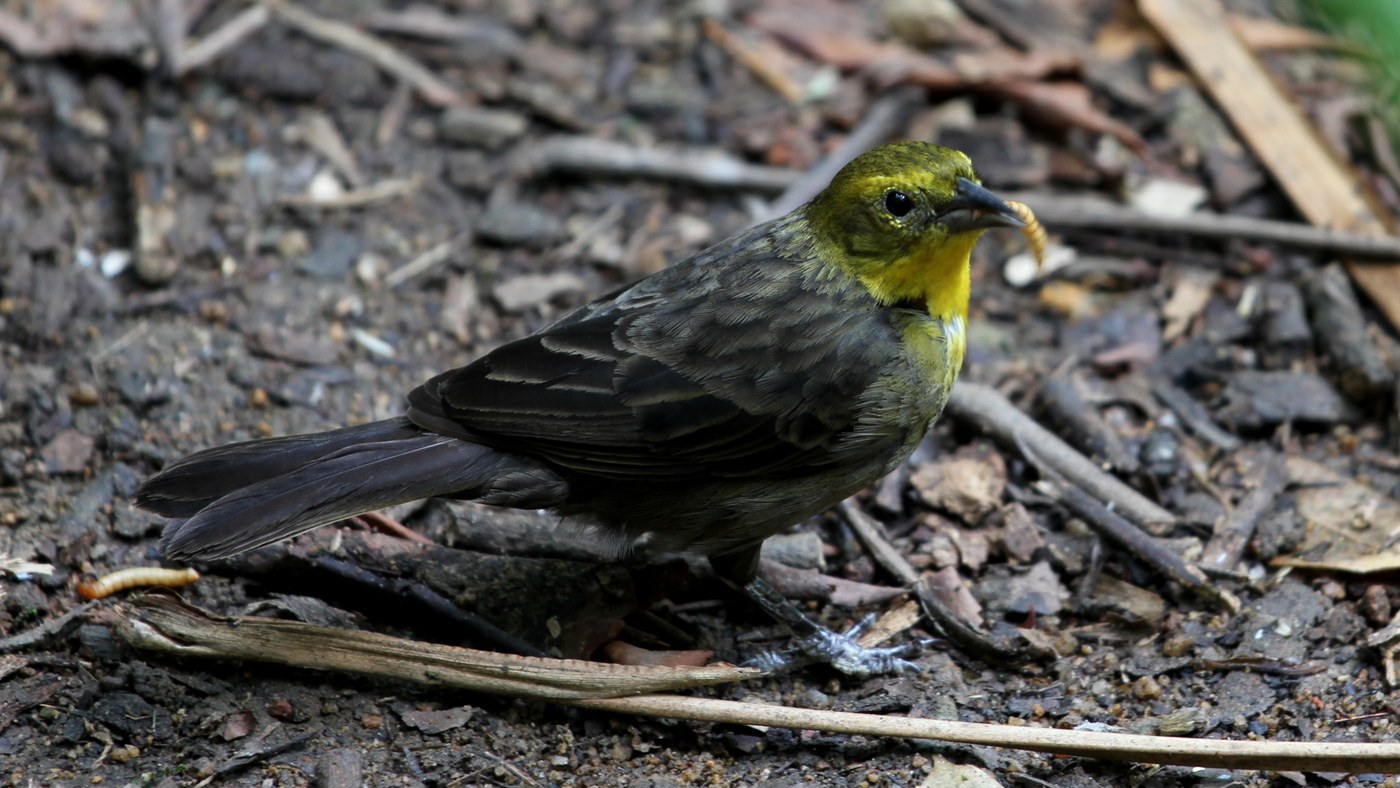
Yellow-hooded Blackbird
Contrasting hood and body feathers
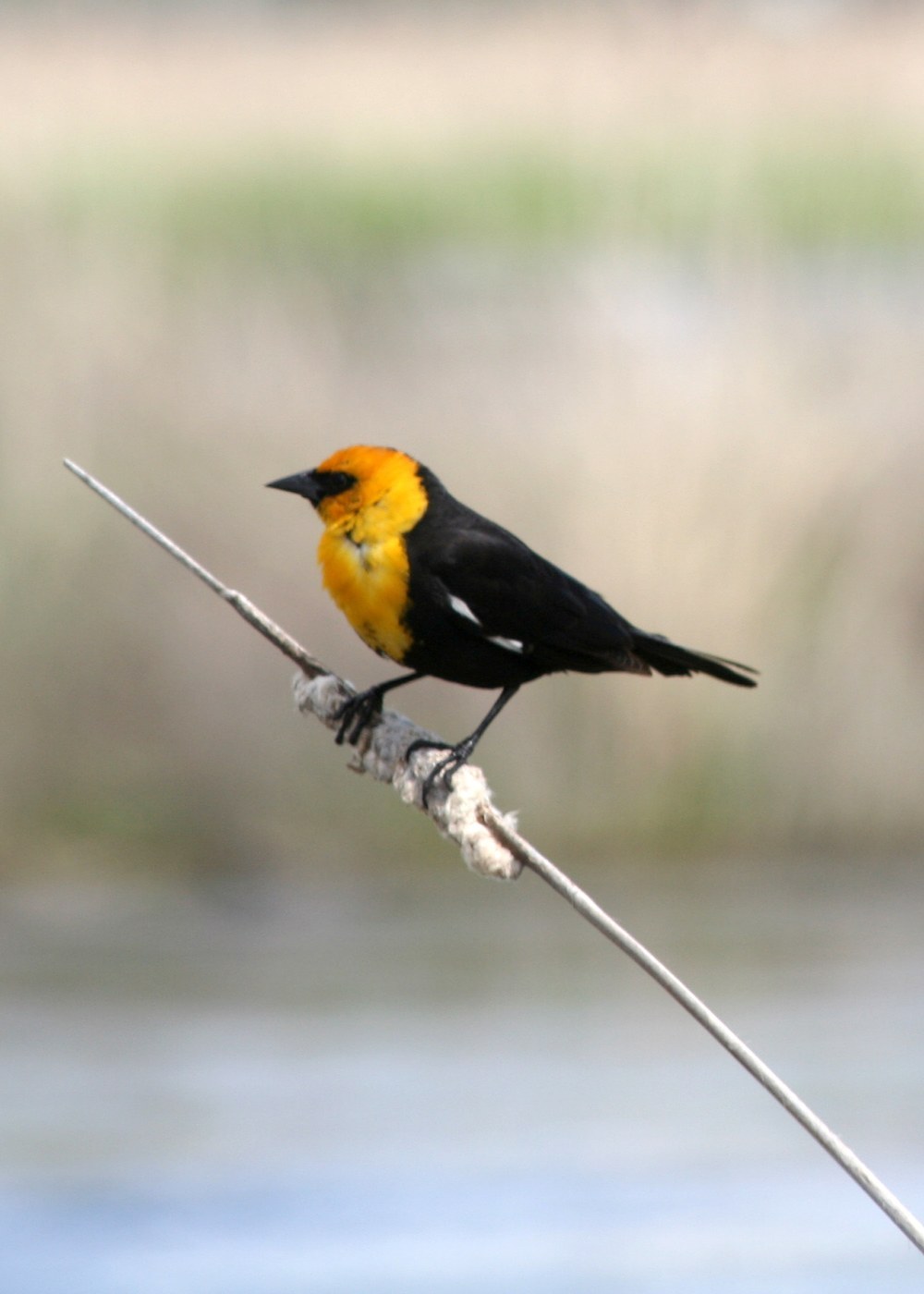
Yellow-headed Blackbird
Glossy black body plumage with a bright yellow head and breast

Yellow-eyed Junco
Contour and flight feathers

Yellow-fronted Canary
Small, smooth body plumage

Yellow-breasted Greenfinch
Compact, smooth body plumage