

Greater Double-collared Sunbird
Cinnyris afer
A southern African sunbird whose males flash an iridescent green throat and a broad scarlet breast band bordered in violet.
- Feather type
- Iridescent contour feathers with dull flight feathers
- Colours
- Metallic green, violet-blue, and scarlet with brown-olive underparts
- Bird size
- Sparrow-sized, ~15 cm
Found a feather like this?
Identify any feather from a photo, free.
Overview
Overview
The Greater Double-collared Sunbird is a nectar-feeding songbird of South Africa's fynbos, forest margins, and suburban gardens. Males are known for their shimmering green head and throat interrupted by a narrow violet band and a wide crimson chest band, giving the species its "double-collared" name. Females are far plainer, aiding camouflage while nesting.
- Family: sunbirds (Nectariniidae)
- Diet: nectar supplemented with small insects and spiders
- Range: southern Africa, especially the Cape region
Identifying the Feather
Feather Identification
- Shape: small, slender contour feathers from the throat and breast show intense structural iridescence that shifts with light angle.
- Color: male throat and crown feathers gleam metallic green; a violet-blue band separates the green throat from a broad scarlet breast patch.
- Underparts: belly feathers are dull olive-grey, contrasting with the bright collar.
- Flight feathers: primaries and secondaries are dark brownish-black and non-iridescent, typical of sunbirds that concentrate color on the head and chest.
- Vs. similar species: the scarlet band is notably broader than in the smaller Southern Double-collared Sunbird, and the violet border is more pronounced.
Plumage & Molt
Plumage Notes
Adult males display the full iridescent green-violet-scarlet pattern year-round, though feather freshness (and thus brilliance) is highest just after the annual molt. Females and immatures wear plain grey-brown plumage with a faint pale eyebrow and no iridescence, making sex identification straightforward. Juvenile males gradually acquire adult coloration in patches as they molt into their first breeding plumage.
Habitat & Range
Habitat & Range
This sunbird favors fynbos shrubland, forest edges, coastal scrub, and flowering gardens across South Africa, Lesotho, and Eswatini. It is largely sedentary, though some populations shift locally to track seasonal flowering of aloes, proteas, and other nectar-rich plants.
Behavior & Field Notes
Behavior
Greater Double-collared Sunbirds are active, often pugnacious feeders that defend flowering shrubs from rivals. Diet is nectar taken with a curved bill and brush-tipped tongue, supplemented by insects gleaned from foliage. Nests are small hanging pouches woven from plant fibers and spider silk, usually built by the female. The song is a rapid, scratchy warble, while the call is a sharp metallic chip used in territorial disputes.
Frequently asked questions
What makes Greater Double-collared Sunbird feathers iridescent?
The metallic sheen comes from microscopic structural layers in the feather barbules that refract light, rather than from pigment alone.
How can you tell males from females by feather color?
Males show a green throat, violet band, and broad scarlet breast patch, while females are uniformly dull olive-brown with no iridescence.
Where in Africa is this sunbird typically found?
It is largely restricted to southern Africa, particularly fynbos and garden habitats in and around South Africa's Cape region.
Do the flight feathers show the same bright colors?
No, the wing and tail flight feathers are dull brownish-black; the iridescence is concentrated on the head, throat, and chest.
Greater Double-collared Sunbird guides
In-depth guides for identifying and understanding Greater Double-collared Sunbird.

Other feathers you may enjoy

Yellow-breasted Bunting
Contour and flight feathers, chestnut-and-yellow breeding pattern
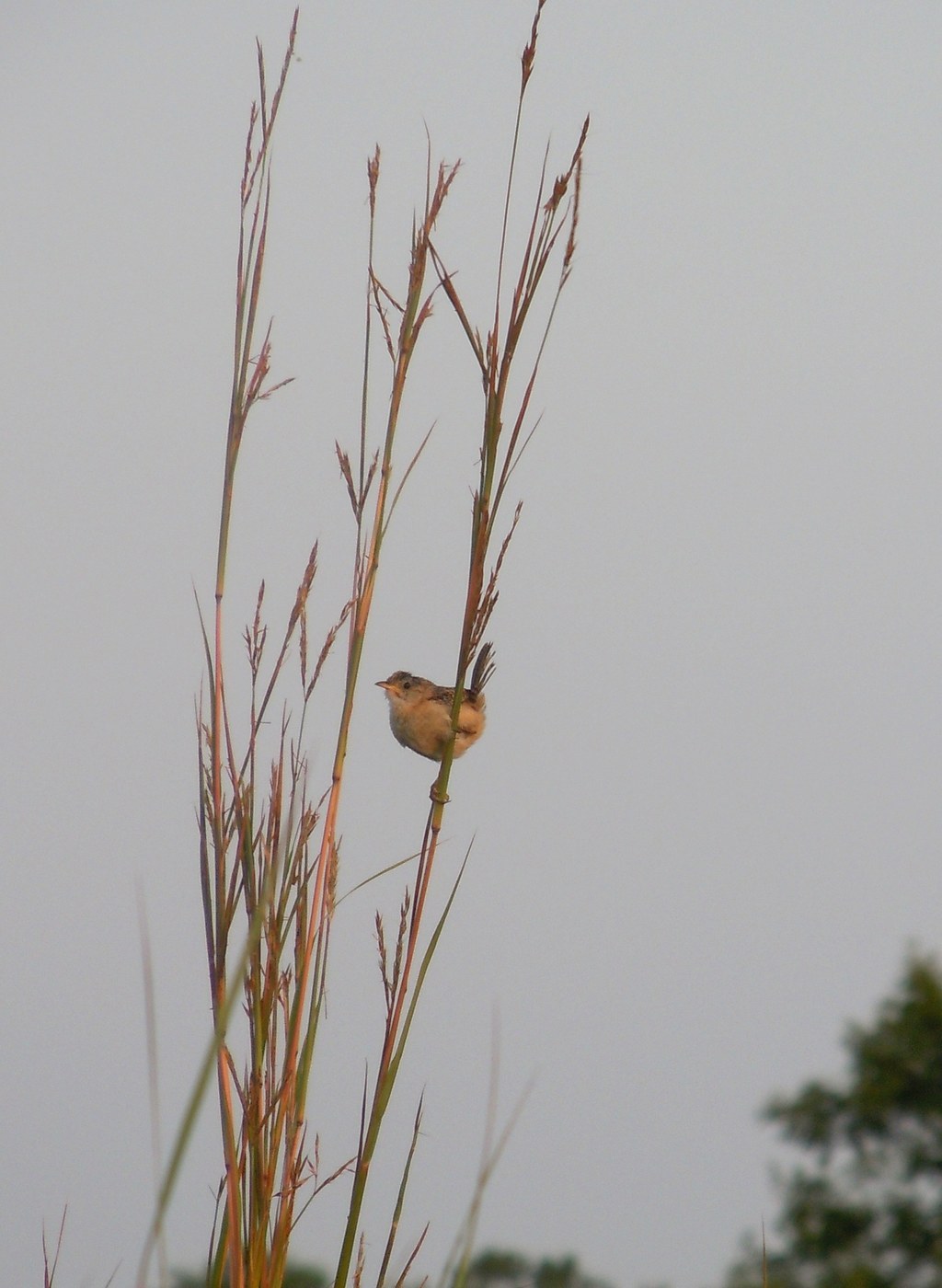
Sedge Wren
Tiny streaked crown and back feathers

Yellow-winged Cacique
Glossy black body feathers, yellow wing patch, shaggy crest

Yellow Warbler
Small contour and flight feathers
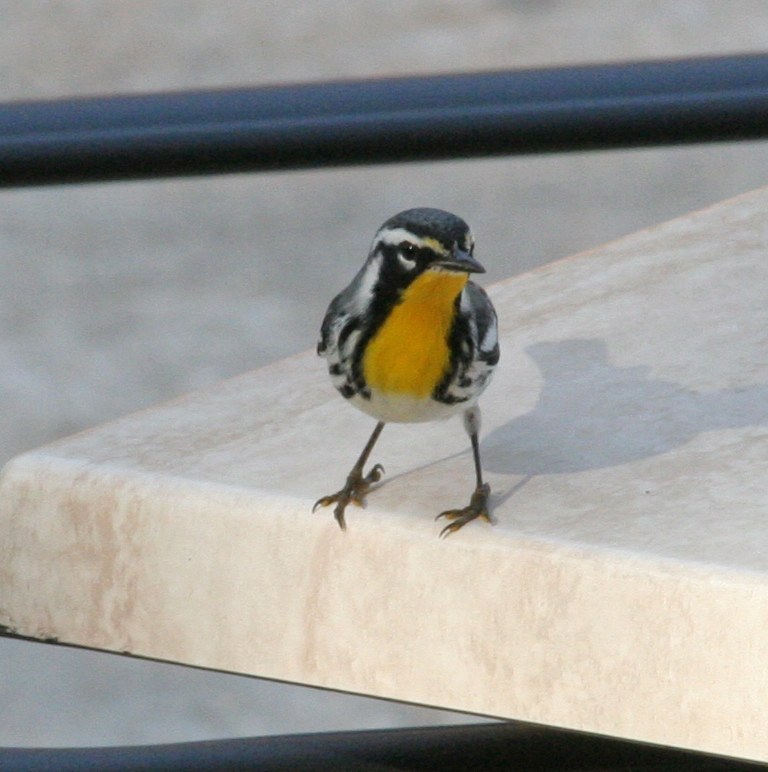
Yellow-throated Warbler
Small contour and flight feathers
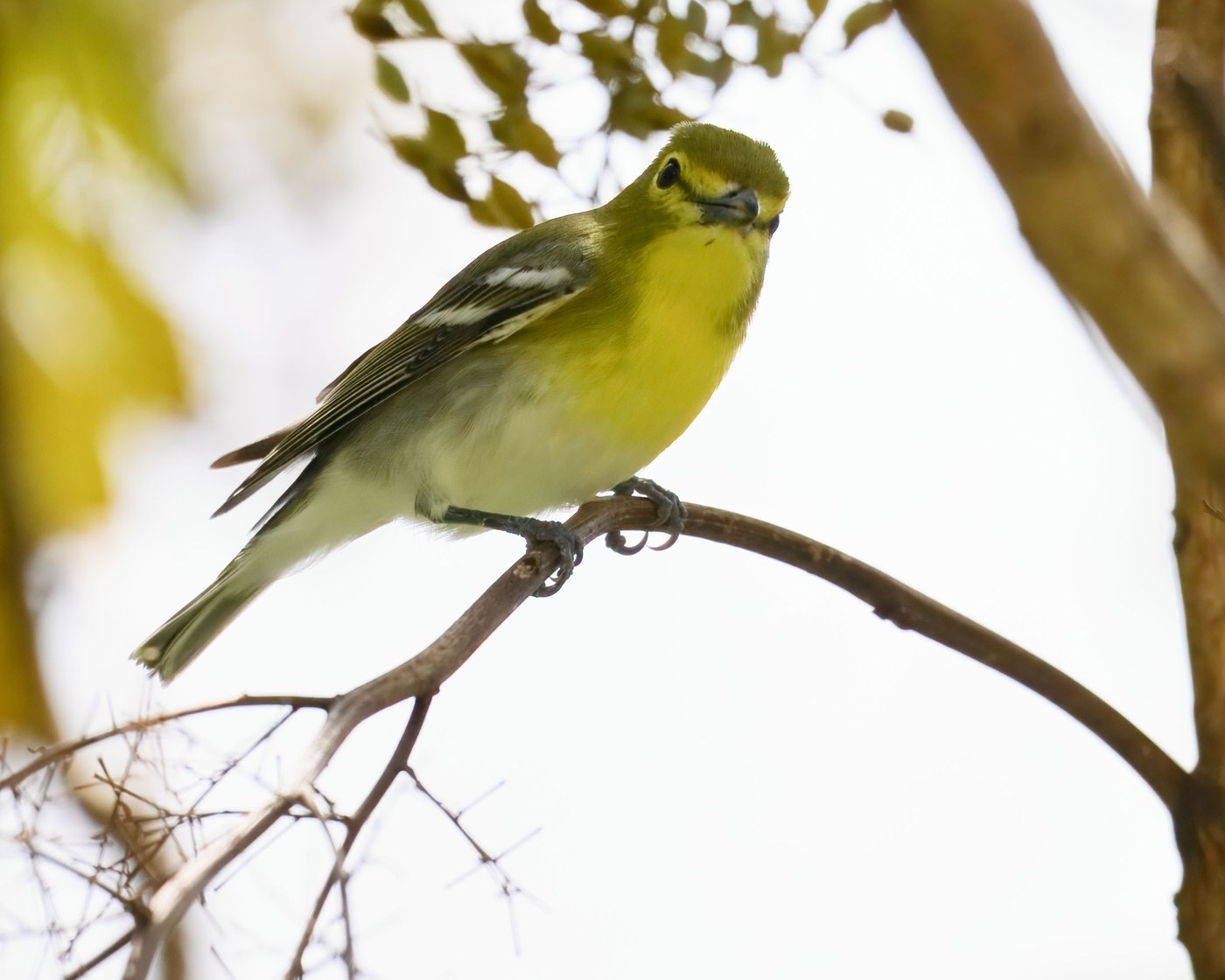
Yellow-throated Vireo
Bright yellow throat and spectacle feathers; olive-green back feathers; two white wing-bar feathers

Yellow-rumped Warbler
Small contour and flight feathers
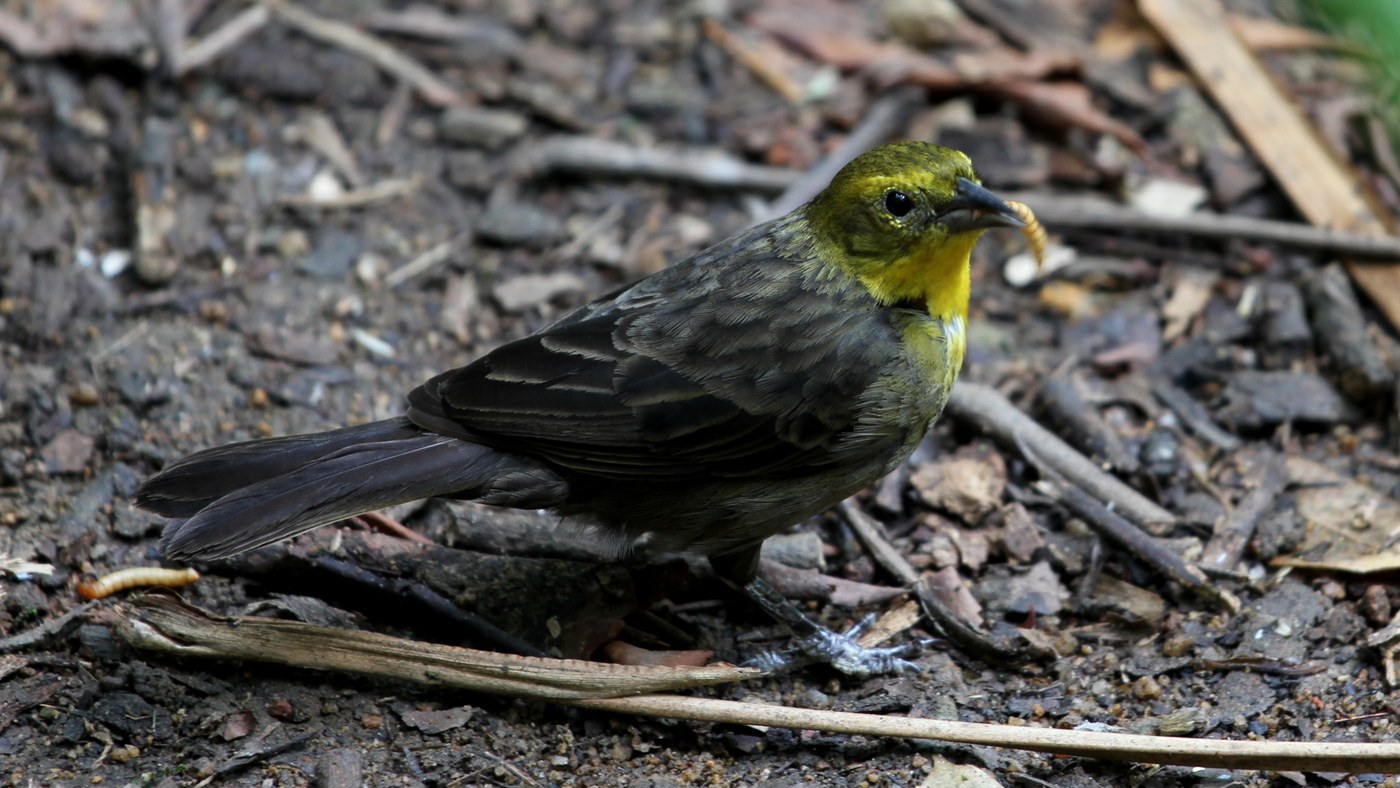
Yellow-hooded Blackbird
Contrasting hood and body feathers
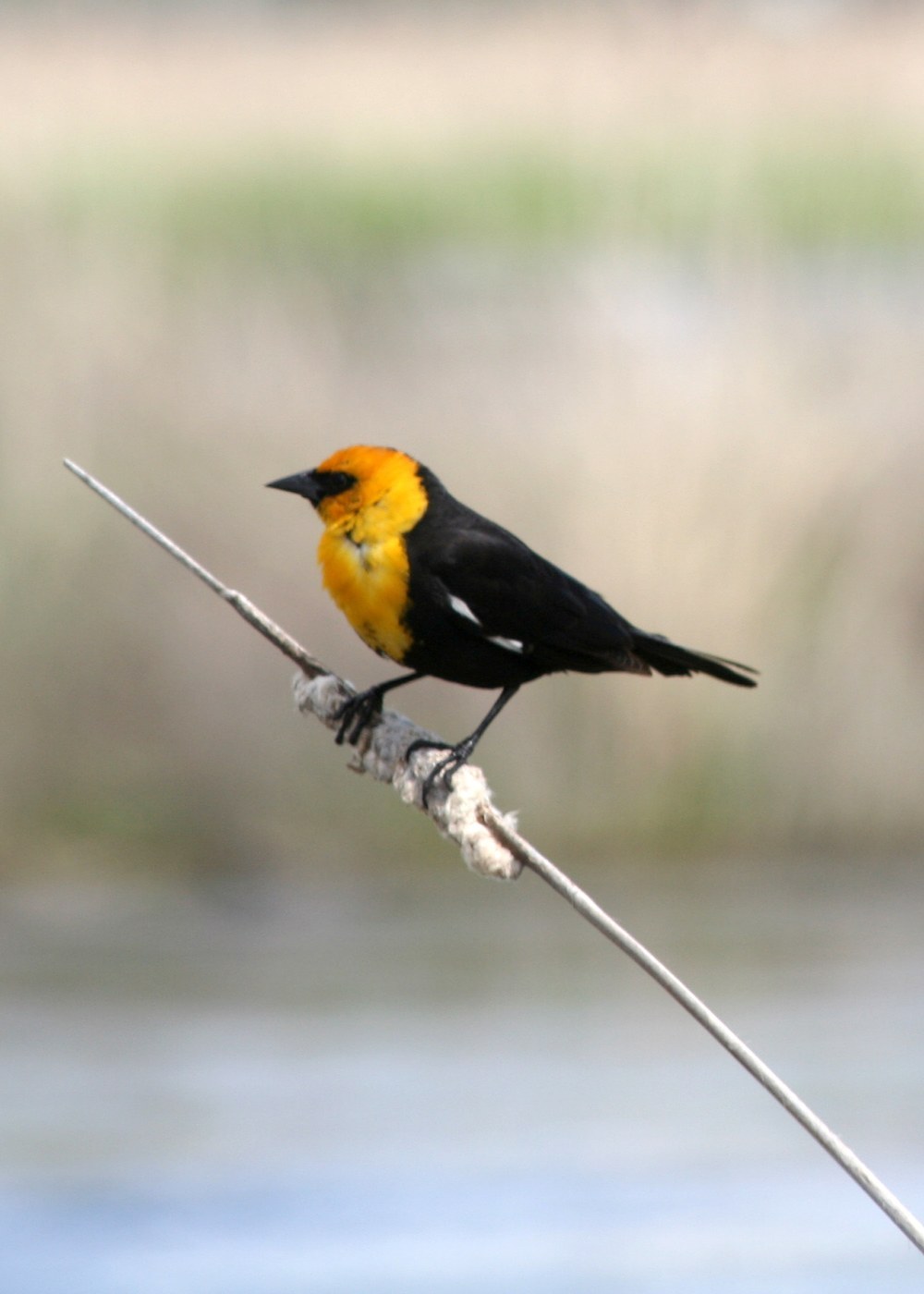
Yellow-headed Blackbird
Glossy black body plumage with a bright yellow head and breast

Yellow-eyed Junco
Contour and flight feathers

Yellow-fronted Canary
Small, smooth body plumage

Yellow-breasted Greenfinch
Compact, smooth body plumage