

Greater Bird-of-paradise
Paradisaea apoda
The Greater Bird-of-paradise is famous for the male's cascading yellow and white flank plumes, displayed during elaborate group courtship gatherings. It lives in the lowland rainforest canopy of New Guinea and the Aru Islands.
- Feather type
- Elongated ornamental flank plumes, iridescent contour feathers
- Colours
- Maroon-brown body, yellow crown and nape, iridescent green throat, and long yellow-to-white flank plumes
- Bird size
- Crow-sized body, ~43 cm plus plumes
Found a feather like this?
Identify any feather from a photo, free.
Overview
Overview
The Greater Bird-of-paradise is one of the best-known members of the bird-of-paradise family, historically the source of ornamental plumes traded internationally. Males gather at traditional display sites to show off their elaborate flank plumes, while females are far plainer and easily overlooked.
- Male plumage centers on long, flowing flank plumes used in group courtship display
- Females are cryptically plumaged, unlike the ornate males
- Restricted to lowland rainforest of New Guinea and the Aru Islands
Identifying the Feather
Feather Identification
Adult males show a maroon-brown body, a bright yellow crown and upper back, and an iridescent, dark green throat patch. The signature feature is the pair of long, filamentous flank plumes that begin yellow at the base and fade to white at the tips, extending well beyond the tail during display.
- Crown and nape: bright yellow
- Throat: iridescent emerald to bottle-green
- Body: maroon-brown
- Flank plumes: elongated, yellow at the base fading to white, with a soft, wispy texture unlike typical contour feathers
- Tail: dark, unremarkable compared to the flank plumes
The combination of yellow-to-white flank plumes with a maroon-brown body separates this species from the Raggiana Bird-of-paradise, whose plumes are more reddish, and from the Lesser Bird-of-paradise, which is smaller with shorter plumes.
Plumage & Molt
Plumage Notes
Males require several years to acquire full adult plumage, passing through a subadult stage resembling females before growing the ornamental flank plumes. Females are rufous-brown overall, without a yellow crown or elongated plumes, aiding camouflage while nesting.
- Adult males: ornate plumage with elongated flank plumes
- Females and immature males: plain rufous-brown, camouflaged plumage
- Full plume development takes multiple years to complete
Habitat & Range
Habitat & Range
Found in lowland rainforest across southern and western New Guinea and the Aru Islands, generally staying within the forest canopy.
- Non-migratory resident of lowland tropical rainforest
- Rarely found far from continuous forest cover
- Occupies canopy and subcanopy layers for feeding and display
Behavior & Field Notes
Behavior & Field Notes
Males gather at traditional communal display trees, called leks, where they perform coordinated movements to show off their flank plumes to visiting females. Diet consists mainly of fruit supplemented with small animal prey.
- Voice: loud, far-carrying calls given especially around display gatherings
- Nesting: females build and tend nests alone, with no male involvement after mating
- Field notes: males are most visible at established lek trees during display season; females are easily mistaken for other rainforest birds due to their plain plumage
Frequently asked questions
What is the standout feather feature of male Greater Birds-of-paradise?
Long, flowing flank plumes that shift from yellow at the base to white at the tips, displayed during group courtship gatherings.
Do females look like males?
No, females are plain rufous-brown without the yellow crown, green throat, or elongated flank plumes seen in adult males.
How long does it take a male to develop full plumage?
Several years; young males resemble females before gradually acquiring the ornamental crown, throat, and flank plumes.
Where does this species live?
In lowland rainforest of southern and western New Guinea and the Aru Islands.
Greater Bird-of-paradise guides
In-depth guides for identifying and understanding Greater Bird-of-paradise.

Other feathers you may enjoy

Yellow-breasted Bunting
Contour and flight feathers, chestnut-and-yellow breeding pattern
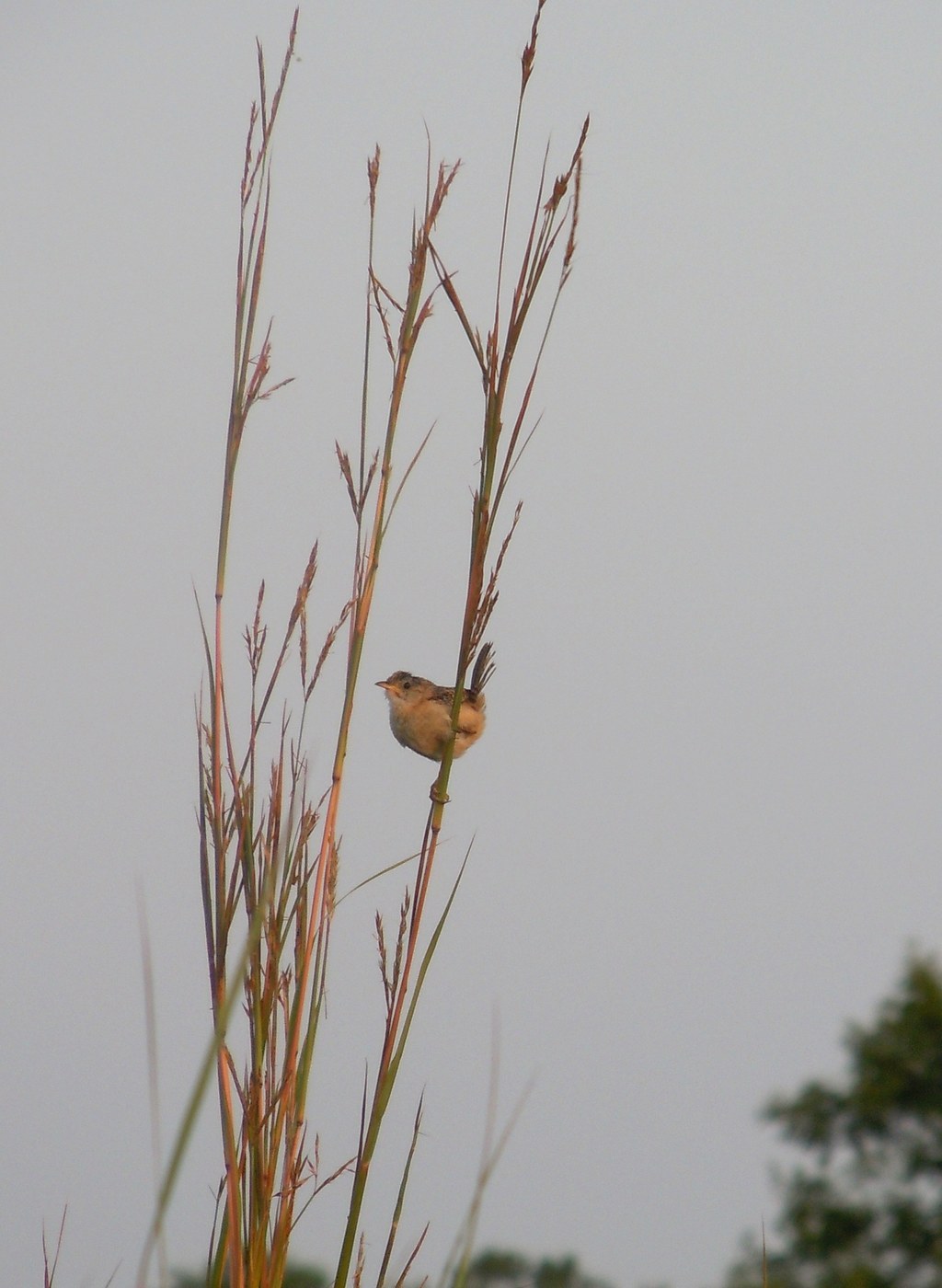
Sedge Wren
Tiny streaked crown and back feathers

Yellow-winged Cacique
Glossy black body feathers, yellow wing patch, shaggy crest

Yellow Warbler
Small contour and flight feathers
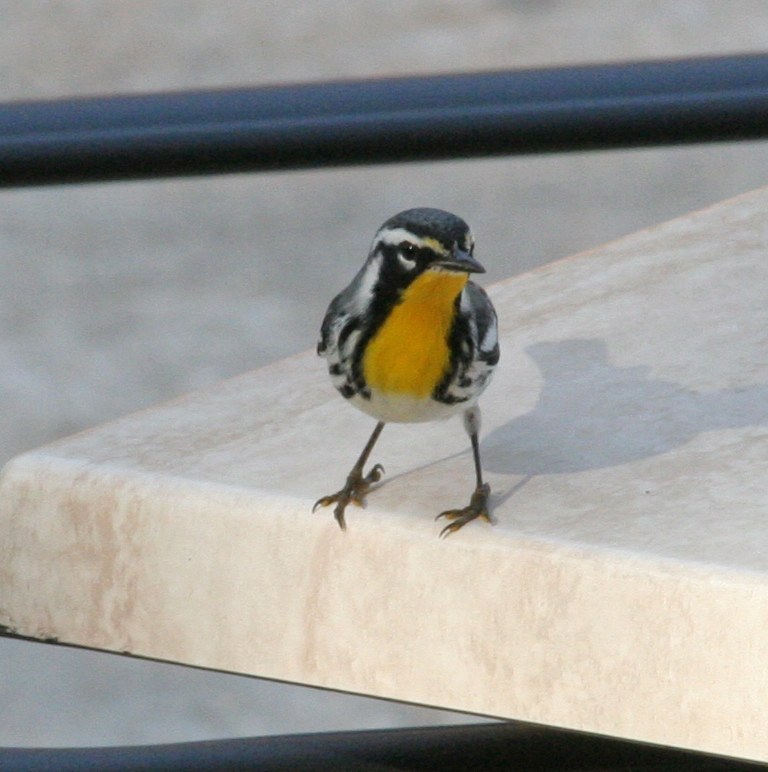
Yellow-throated Warbler
Small contour and flight feathers
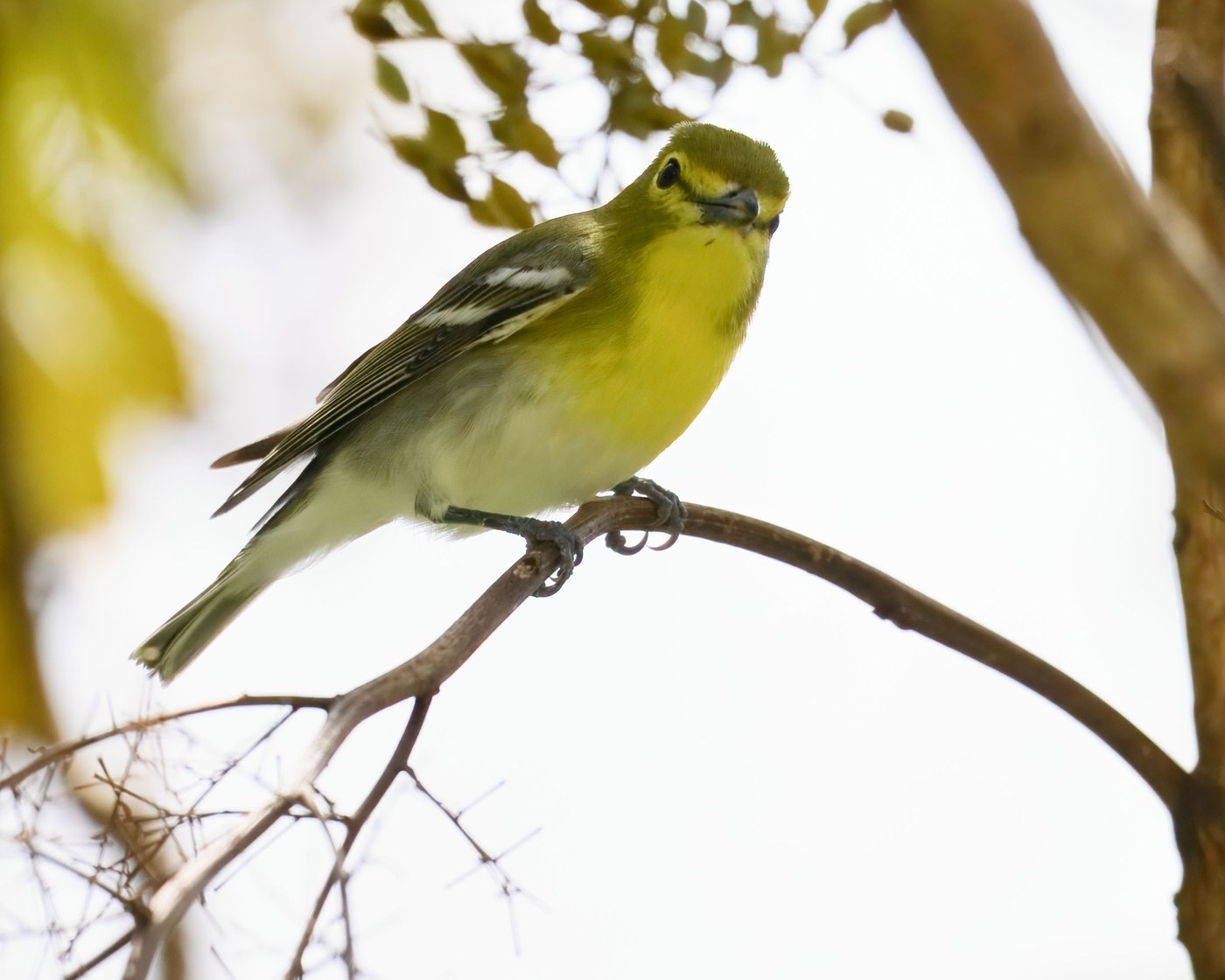
Yellow-throated Vireo
Bright yellow throat and spectacle feathers; olive-green back feathers; two white wing-bar feathers

Yellow-rumped Warbler
Small contour and flight feathers
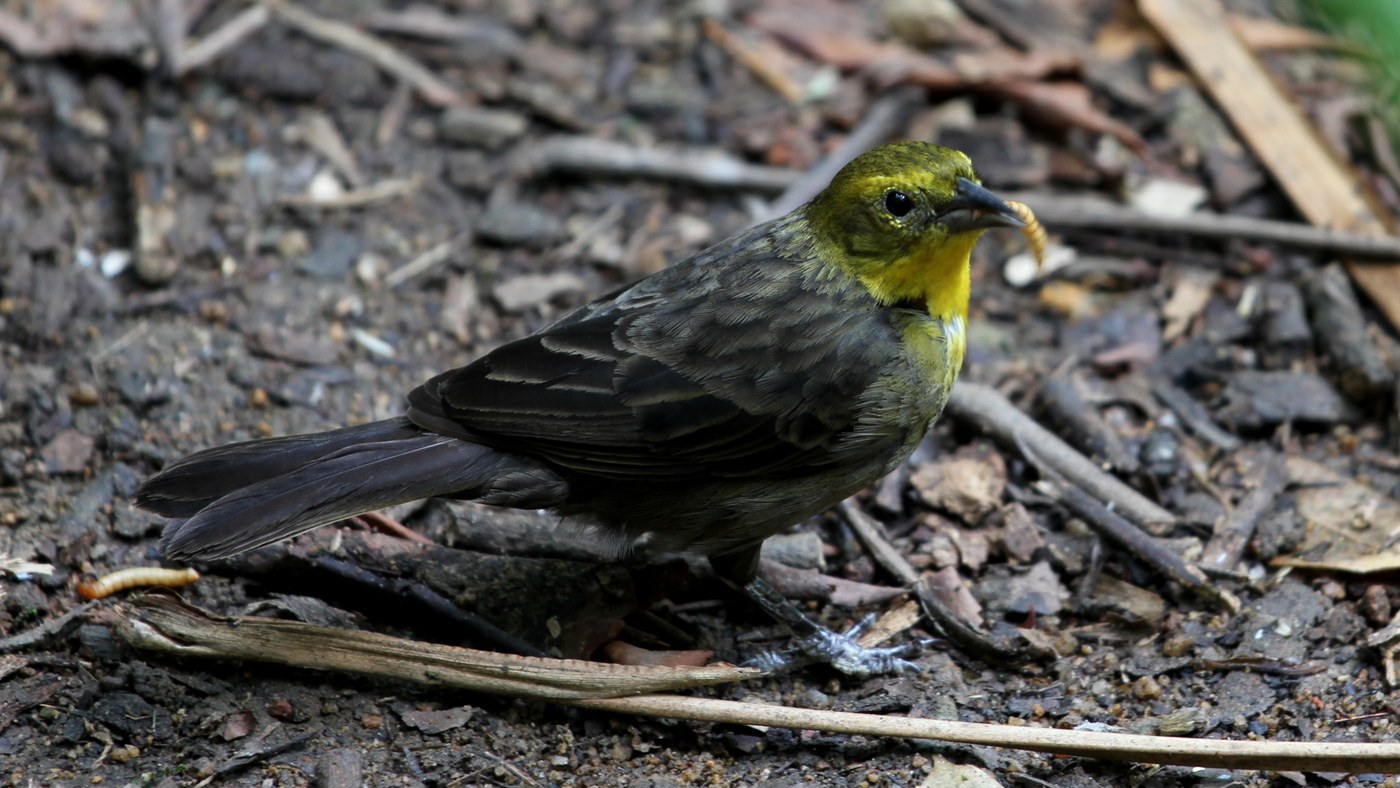
Yellow-hooded Blackbird
Contrasting hood and body feathers
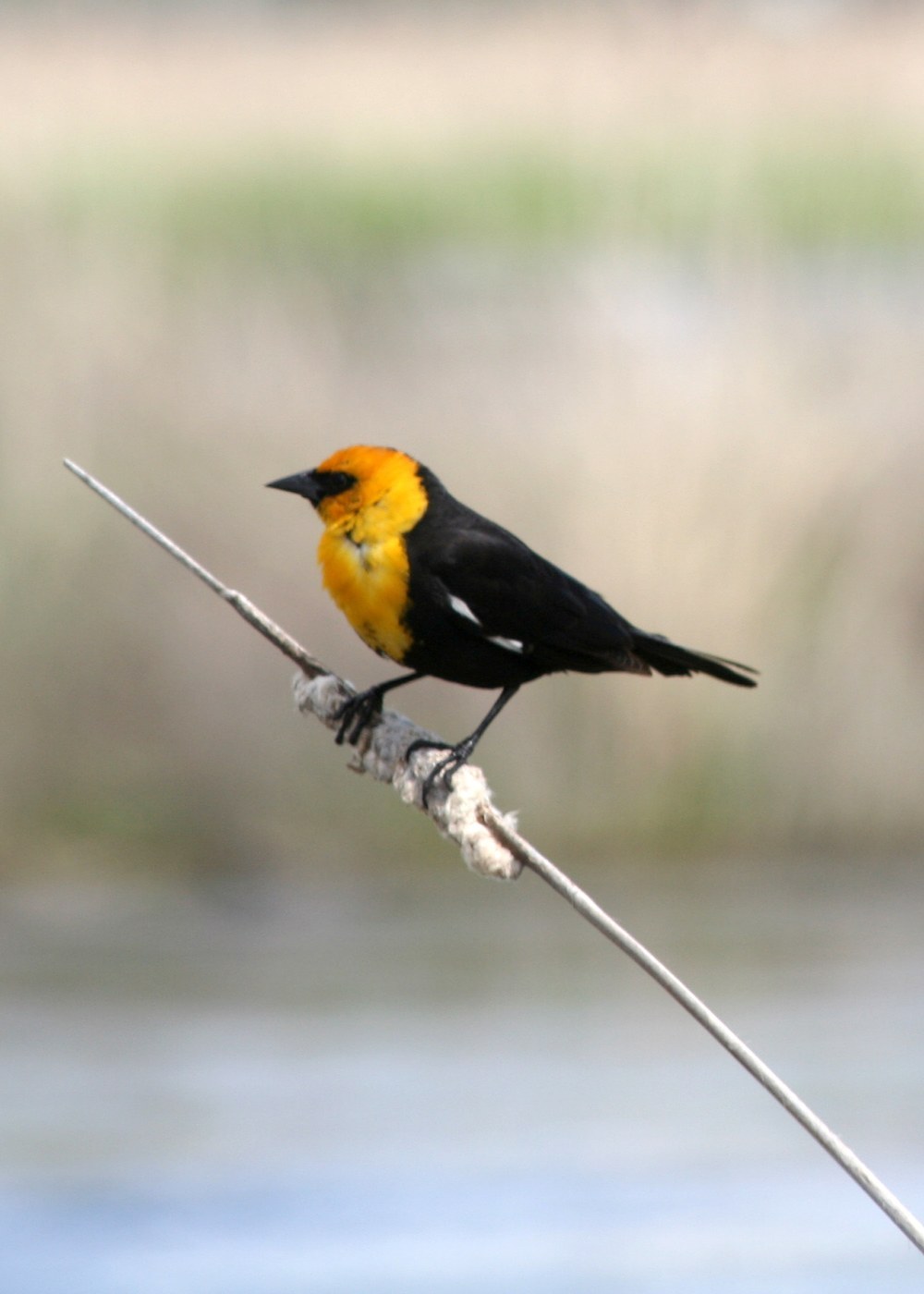
Yellow-headed Blackbird
Glossy black body plumage with a bright yellow head and breast

Yellow-eyed Junco
Contour and flight feathers

Yellow-fronted Canary
Small, smooth body plumage

Yellow-breasted Greenfinch
Compact, smooth body plumage