

Goldcrest
Regulus regulus
Europe's smallest bird, identifiable even from a single tiny feather by its vivid black-bordered crown stripe — orange in males, yellow in females — set against olive-green plumage.
- Feather type
- Tiny olive-green body feathers; black-bordered orange-yellow crown stripe feathers; two pale wing bar feathers
- Colours
- Olive-green body with a black-bordered orange (male) or yellow (female) crown stripe, and two whitish wing bars
- Bird size
- Tiny songbird, ~9 cm, the smallest bird in Europe
Found a feather like this?
Identify any feather from a photo, free.
Overview
The Goldcrest is the smallest bird found in Europe, an active, restless little bird that spends much of its time foraging high in conifer canopies, often going unnoticed despite being fairly common across its wide range.
Despite its tiny size, the Goldcrest is one of the easier small songbirds to confirm from a single feather thanks to its bright, boldly bordered crown stripe, a feature unmatched among common European birds of similar size.
A Goldcrest feather is recognized above all by its extremely small size combined with olive-green body coloring, and, if a crown feather is found, a vivid orange or yellow stripe bordered in black — orange typically indicating a male and yellow a female.
Identifying the Feather
Crown feathers
- A narrow central stripe bordered by black lines, colored bright orange in males and yellow in females, is the single most diagnostic feature of this species.
Body feathers
- Olive-green above, paler below, with two whitish or pale buff wing bars visible on covert feathers.
Facial feathers
- A relatively plain, bare-faced look with a dark eye lacking a strong pale eyebrow stripe, unlike many warblers.
Size
- Extremely small, reflecting the Goldcrest's status as the smallest bird in Europe; feathers are correspondingly the tiniest likely to be found among common songbirds.
Confusion species
No other common European songbird combines such tiny overall size with a black-bordered orange or yellow crown stripe, making a genuine crown feather essentially unmistakable for this species.
Plumage & Molt
Adults are olive-green above and pale below, with two whitish wing bars and a black-bordered crown stripe that is orange in males and yellow in females. Juveniles lack the colored crown stripe initially, showing a plainer head until their first molt.
Goldcrests undergo a complete post-breeding molt in late summer.
Habitat & Range
Goldcrests are strongly associated with coniferous and mixed woodland, foraging high in spruce, pine, and fir canopies, though they also occur in gardens and parks with conifers. They are widespread across much of Europe.
Most populations are resident or short-distance migrants, with some northern and eastern birds moving south or west in the colder months, sometimes in large arrival movements along coasts.
Behavior & Field Notes
Goldcrests feed almost entirely on tiny invertebrates, especially insect eggs and larvae, gleaned constantly from conifer needles while hovering briefly or clinging to twig tips. Their high-pitched, thin call and song are often the first clue to their presence, since the birds themselves are small and easily overlooked.
They build a tiny, well-insulated hanging nest suspended beneath a conifer branch.
An extremely small olive-green feather, especially one showing a black-bordered orange or yellow crown stripe, found near conifers, is essentially conclusive for Goldcrest.
Frequently asked questions
What is the most distinctive Goldcrest feather?
A crown feather showing a black-bordered stripe colored orange (male) or yellow (female) is essentially unmistakable among European songbirds.
How small are Goldcrest feathers?
Extremely small, since the Goldcrest is the smallest bird found in Europe, at around 9 centimeters in length.
Can feather crown color indicate the sex of a Goldcrest?
Yes, an orange-centered crown stripe generally indicates a male, while a yellow-centered crown stripe indicates a female.
Where are Goldcrest feathers most likely to be found?
Near coniferous or mixed woodland, including gardens and parks with spruce, pine, or fir trees, where the species forages and nests.
Do juvenile Goldcrests have the colored crown stripe?
No, juveniles initially lack the colored crown stripe, developing it after their first molt.
Goldcrest guides
In-depth guides for identifying and understanding Goldcrest.

Other feathers you may enjoy

Yellow-breasted Bunting
Contour and flight feathers, chestnut-and-yellow breeding pattern
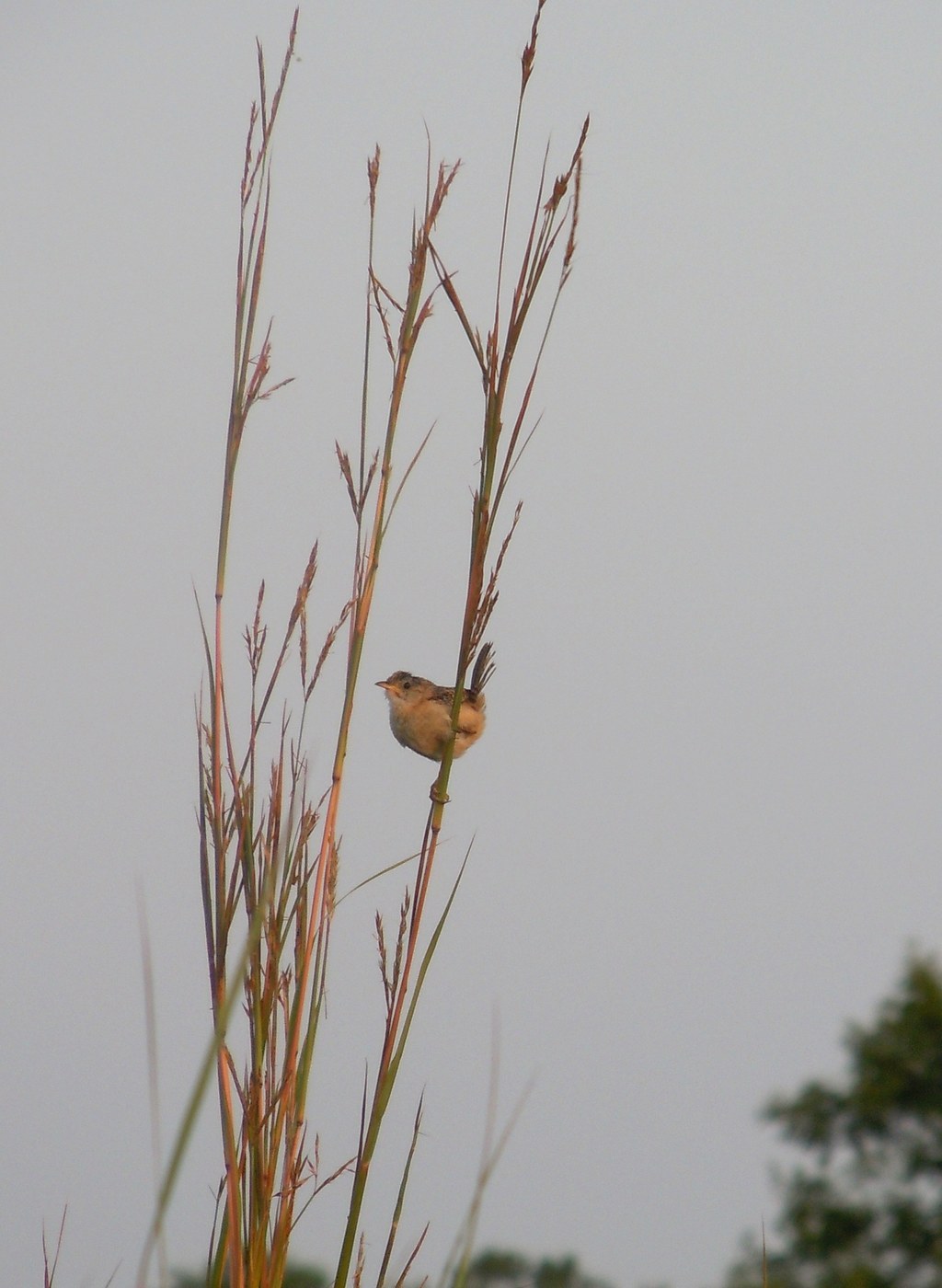
Sedge Wren
Tiny streaked crown and back feathers

Yellow-winged Cacique
Glossy black body feathers, yellow wing patch, shaggy crest

Yellow Warbler
Small contour and flight feathers
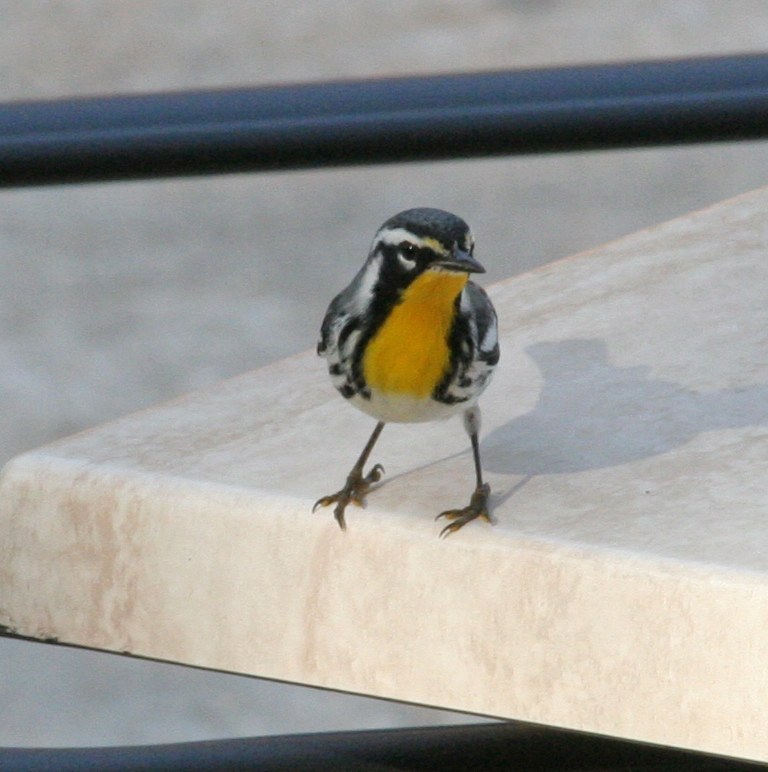
Yellow-throated Warbler
Small contour and flight feathers
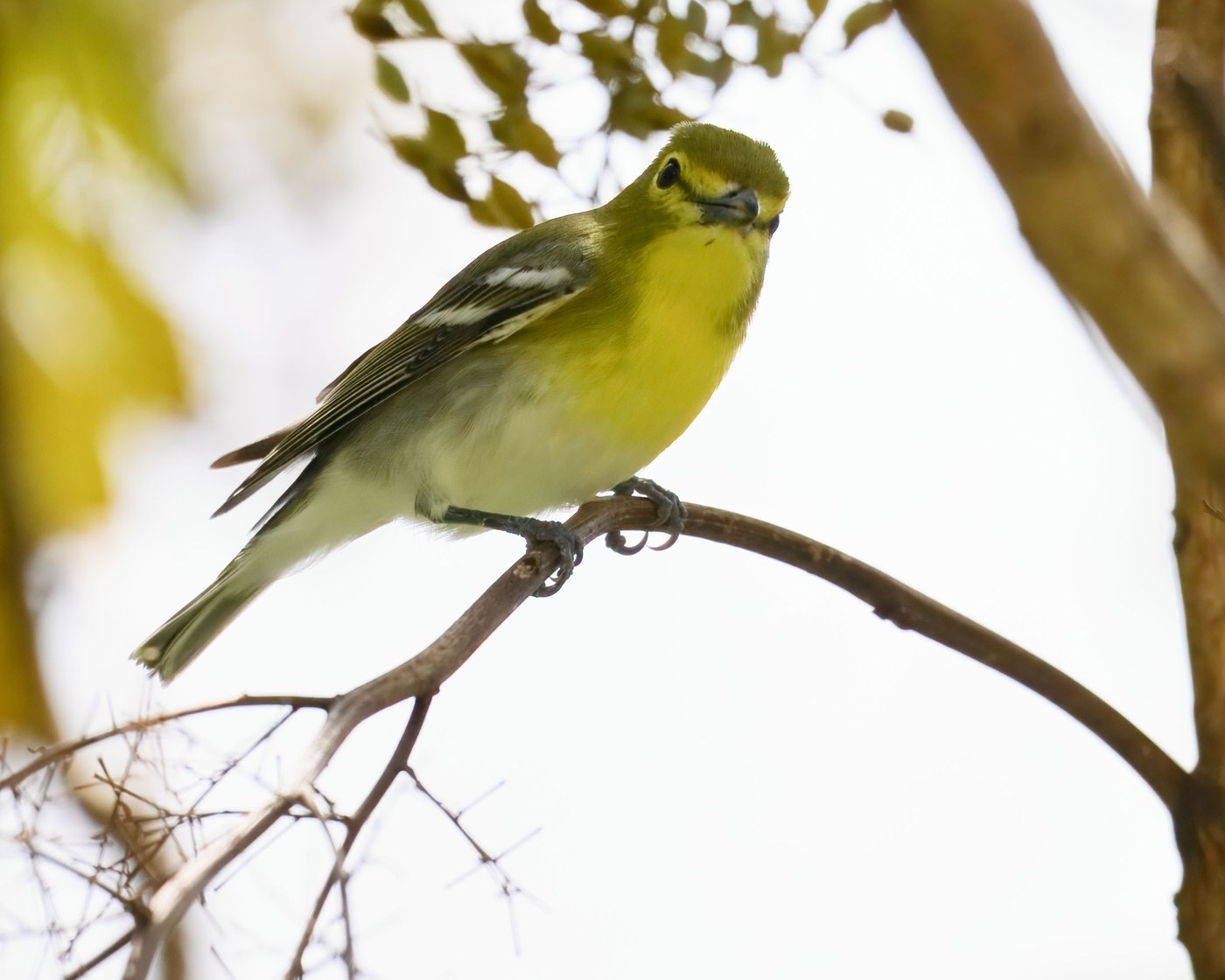
Yellow-throated Vireo
Bright yellow throat and spectacle feathers; olive-green back feathers; two white wing-bar feathers

Yellow-rumped Warbler
Small contour and flight feathers
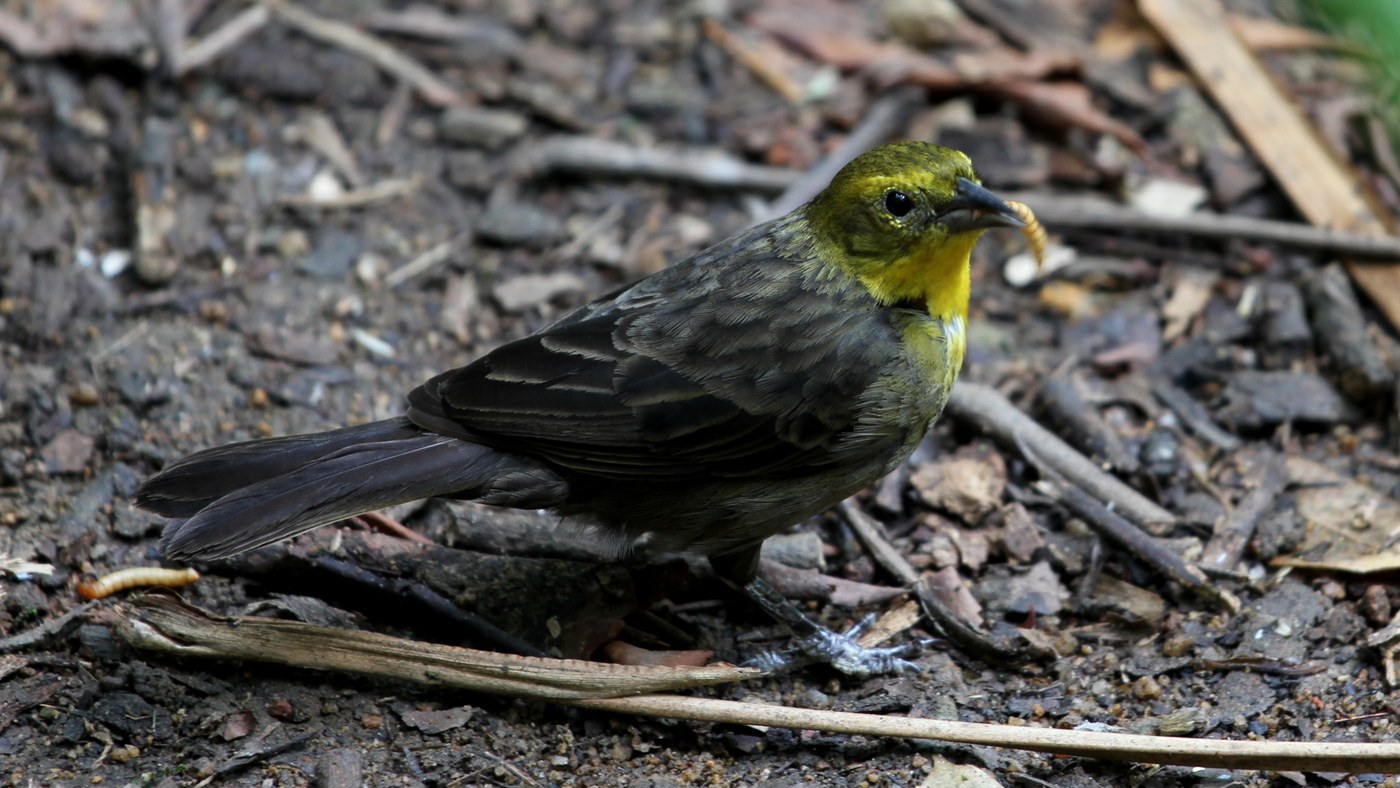
Yellow-hooded Blackbird
Contrasting hood and body feathers
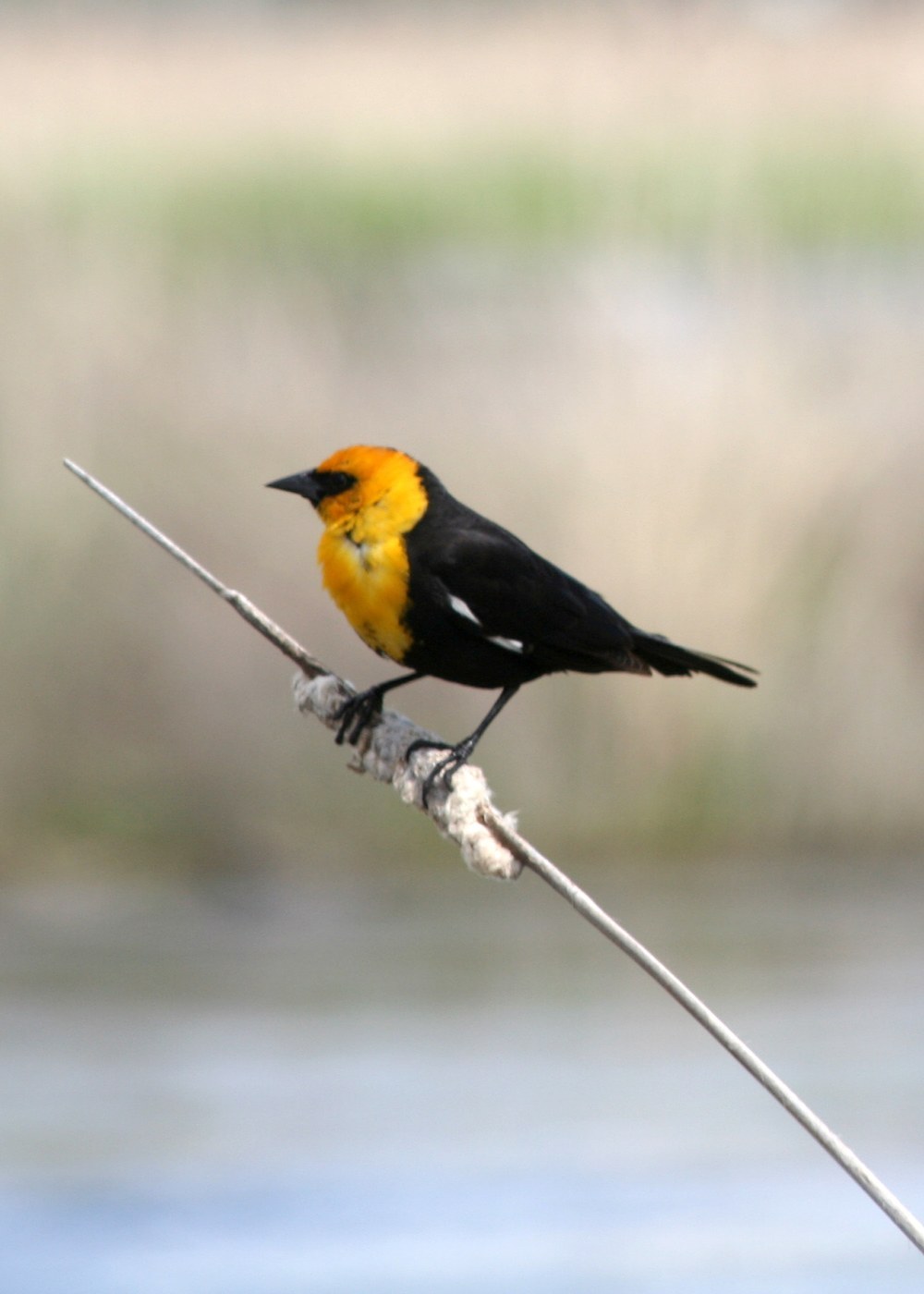
Yellow-headed Blackbird
Glossy black body plumage with a bright yellow head and breast

Yellow-eyed Junco
Contour and flight feathers

Yellow-fronted Canary
Small, smooth body plumage

Yellow-breasted Greenfinch
Compact, smooth body plumage