

Flammulated Owl
Psiloscops flammeolus
A tiny, highly secretive migratory owl of western pine forests, camouflaged to match bark with a fine mottled gray-and-rufous pattern, and unusual among small owls for its dark eyes.
- Feather type
- Cryptic mottled body feathers; small ear-tuft feathers; soft-edged flight feathers for silent flight
- Colours
- Mottled gray, rufous, and blackish, resembling pine bark; dark eyes rather than yellow
- Bird size
- Sparrow-sized, ~17 cm
Found a feather like this?
Identify any feather from a photo, free.
Overview
The Flammulated Owl is a small, elusive owl of open montane pine and pine-oak forests in the mountains of the western United States, Mexico, and parts of Central America. Unlike most North American owls of similar size, it is a long-distance migrant, wintering as far south as Mexico and Central America and returning to breed in high-elevation forests each spring.
It is almost entirely nocturnal and insectivorous, feeding heavily on moths and other night-flying insects gleaned from foliage and bark. Its plumage is exceptionally cryptic, blending closely with the mottled gray and rufous bark of ponderosa and other pines, making both the bird and its feathers easy to overlook.
A distinctive feature for an owl this small is its dark brown eyes rather than yellow, a trait shared with only a few other owl species and useful in distinguishing it from similarly sized species when a whole bird is seen.
Identifying the Feather
Size and shape
Small feathers from a bird about 17 cm long, with soft, downy-edged flight feather margins that provide silent flight, an owl hallmark. Small, poorly developed ear-tuft feathers may be present near the crown.
Color and pattern
- Plumage is a fine mottled mix of gray, rufous, and blackish markings that closely resembles pine bark, providing strong camouflage.
- Underparts show pale gray-buff ground color with dark vertical streaking and cross-barring, creating a complex, broken pattern.
- Facial disc feathers are grayish with a rufous tone around the eyes.
- Shafts are pale.
Distinguishing from similar species
Compared to Western Screech-Owl feathers, Flammulated Owl feathers are smaller, show a finer and more intricate bark-like mottling rather than coarse streaking, and lack the strong contrast of screech-owl plumage. The overall impression is of a more finely marbled, camouflage pattern rather than bold streaks.
Plumage & Molt
Adults show a complex cryptic pattern of gray, rufous, and blackish mottling above, closely matching pine bark, with paler underparts marked by dark streaks and bars. Small ear tufts are present but often inconspicuous. Sexes look alike. Juveniles are similarly patterned but softer and less crisply marked. As a long-distance migrant, this species undergoes a complete molt on or near the breeding grounds after nesting, timed to be finished before fall migration.
Habitat & Range
This species breeds in open, mature pine and pine-oak forest at mid to high elevations in the mountains of the western United States, Mexico, and locally into Central America. It is a complete migrant, vacating its breeding range in winter to occupy pine-oak and other forest habitats farther south in Mexico and Central America.
Behavior & Field Notes
Flammulated Owls feed almost exclusively on nocturnal insects, especially moths, caught by sallying from a perch or gleaning from foliage and bark. They nest in old woodpecker cavities, particularly those of flickers, and are highly vocal at night with a low, soft, repeated hoot that carries surprisingly far for such a small bird. Because they are so cryptically colored and strictly nocturnal, they are rarely seen and their feathers are an uncommon but distinctive find in pine forest leaf litter. When identifying a feather, look for the fine bark-like mottled gray-rufous-black pattern and small overall size.
Frequently asked questions
Why is the Flammulated Owl's plumage so mottled and bark-like?
The fine gray, rufous, and black mottling provides camouflage against pine bark, helping this small, strictly nocturnal owl remain hidden while roosting during the day.
Does this owl have yellow eyes like most owls?
No, it has dark brown eyes, an unusual trait among small owls that helps distinguish a live bird from similarly sized species with yellow eyes.
Is the Flammulated Owl migratory?
Yes, unlike most small owls in its range it is a long-distance migrant, moving between mountain breeding forests and wintering areas farther south in Mexico and Central America.
What food does this owl mainly eat?
It feeds almost entirely on nocturnal insects such as moths, which it catches by sallying from a perch or gleaning from bark and foliage.
Flammulated Owl guides
In-depth guides for identifying and understanding Flammulated Owl.

Other feathers you may enjoy

Tawny Owl
Wing (flight) and body (contour) feathers
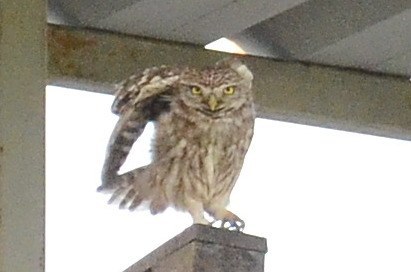
Little Owl
Wing and body feathers

Balsas Screech-Owl
Small ear-tuft feathers; soft, finely vermiculated body feathers

Blakiston's Fish Owl
Massive flight feathers with looser structure; shaggy body plumage; prominent ear-tuft feathers

Barn Owl
Wing and facial-disc feathers
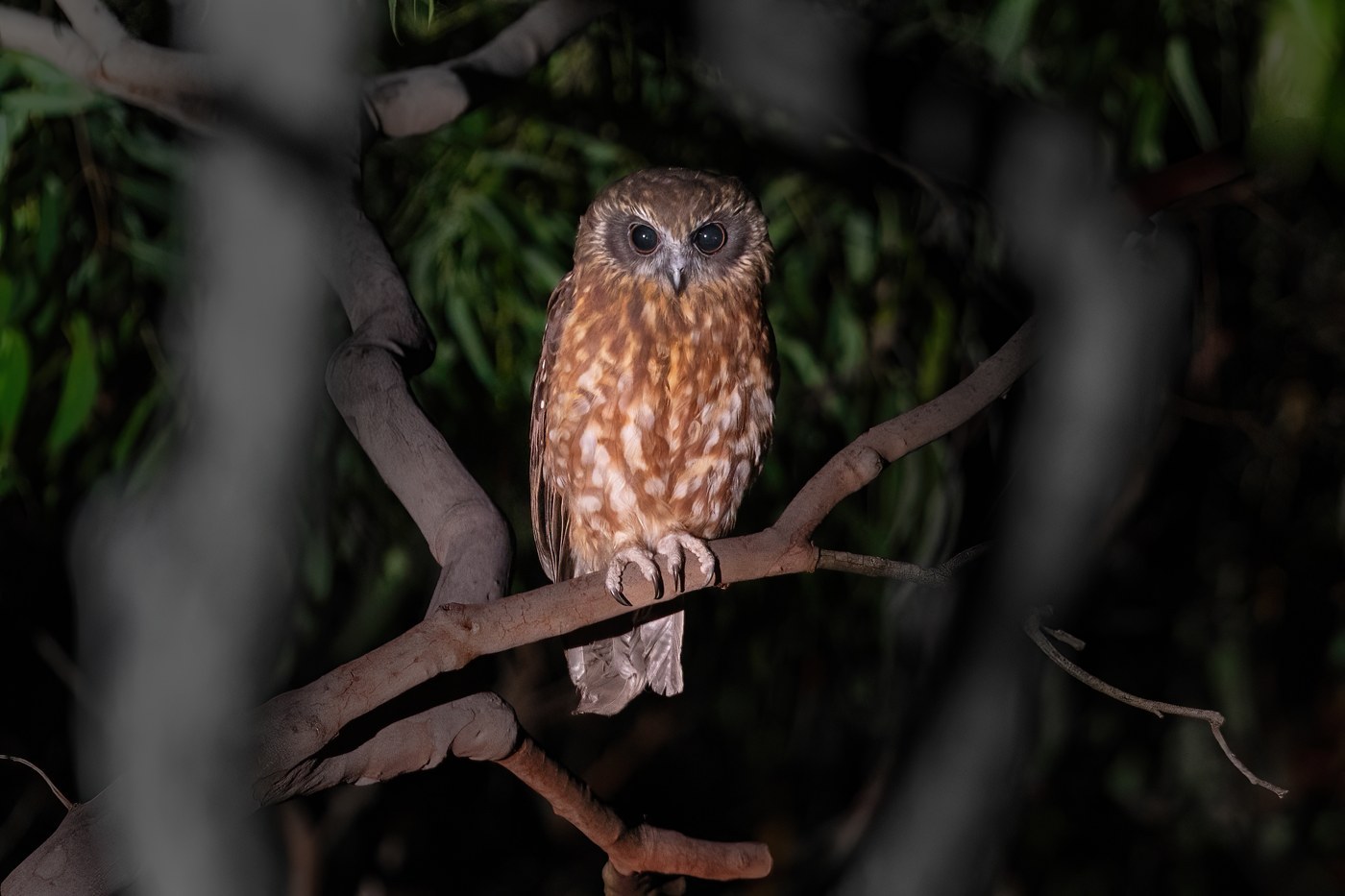
Southern Boobook
Rounded flight feathers; banded tail; spotted body plumage

Sooty Owl
Broad soft-edged flight feathers; heart-shaped facial disc feathers; finely speckled body plumage

Short-eared Owl
Broad soft-fringed flight feathers; streaked body feathers; tiny, rarely visible ear tufts

Stygian Owl
Dark, mottled flight and body feathers with long, closely-set ear tufts
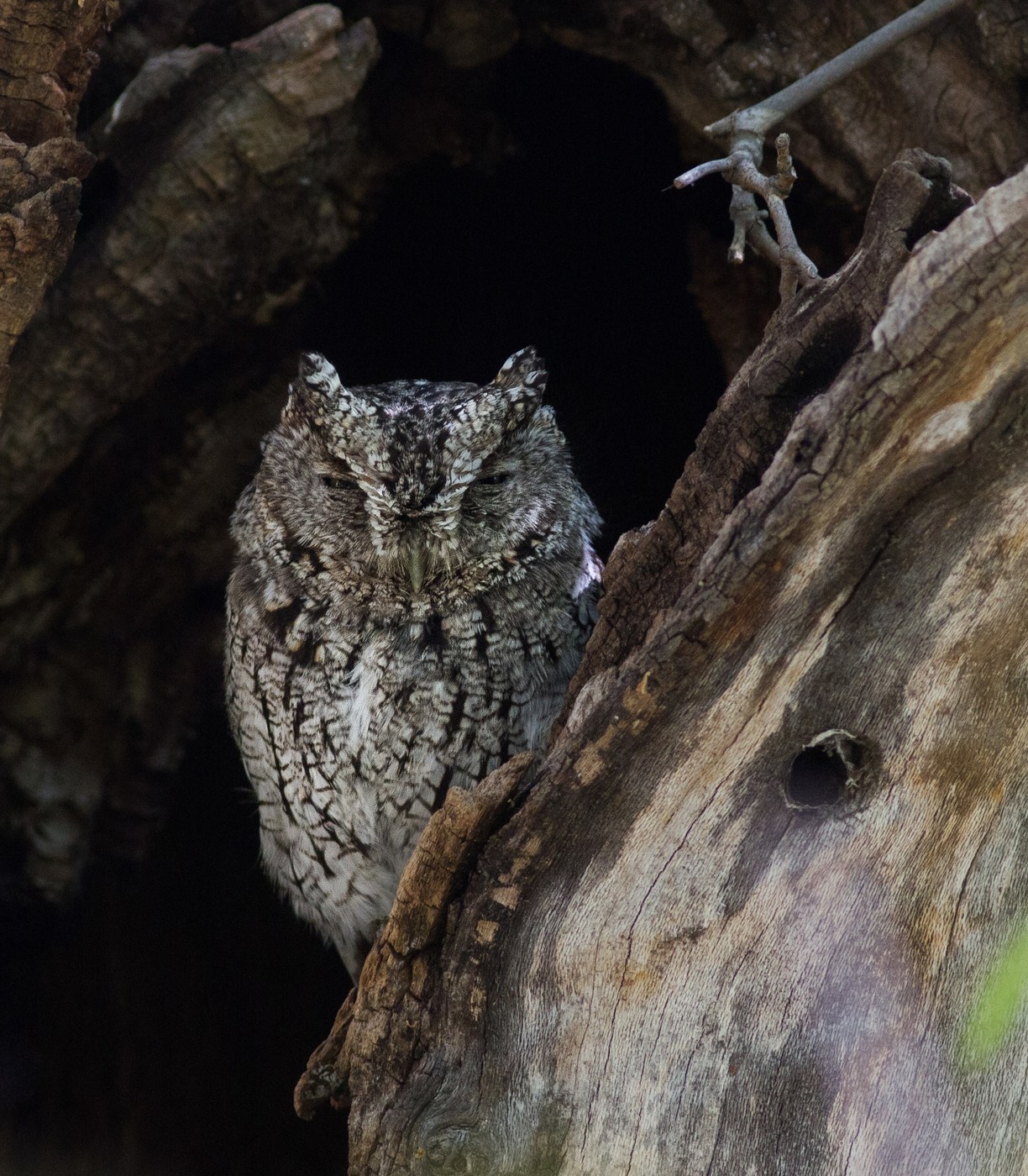
Whiskered Screech-Owl
Small soft-fringed flight feathers; finely mottled body feathers; short ear tufts
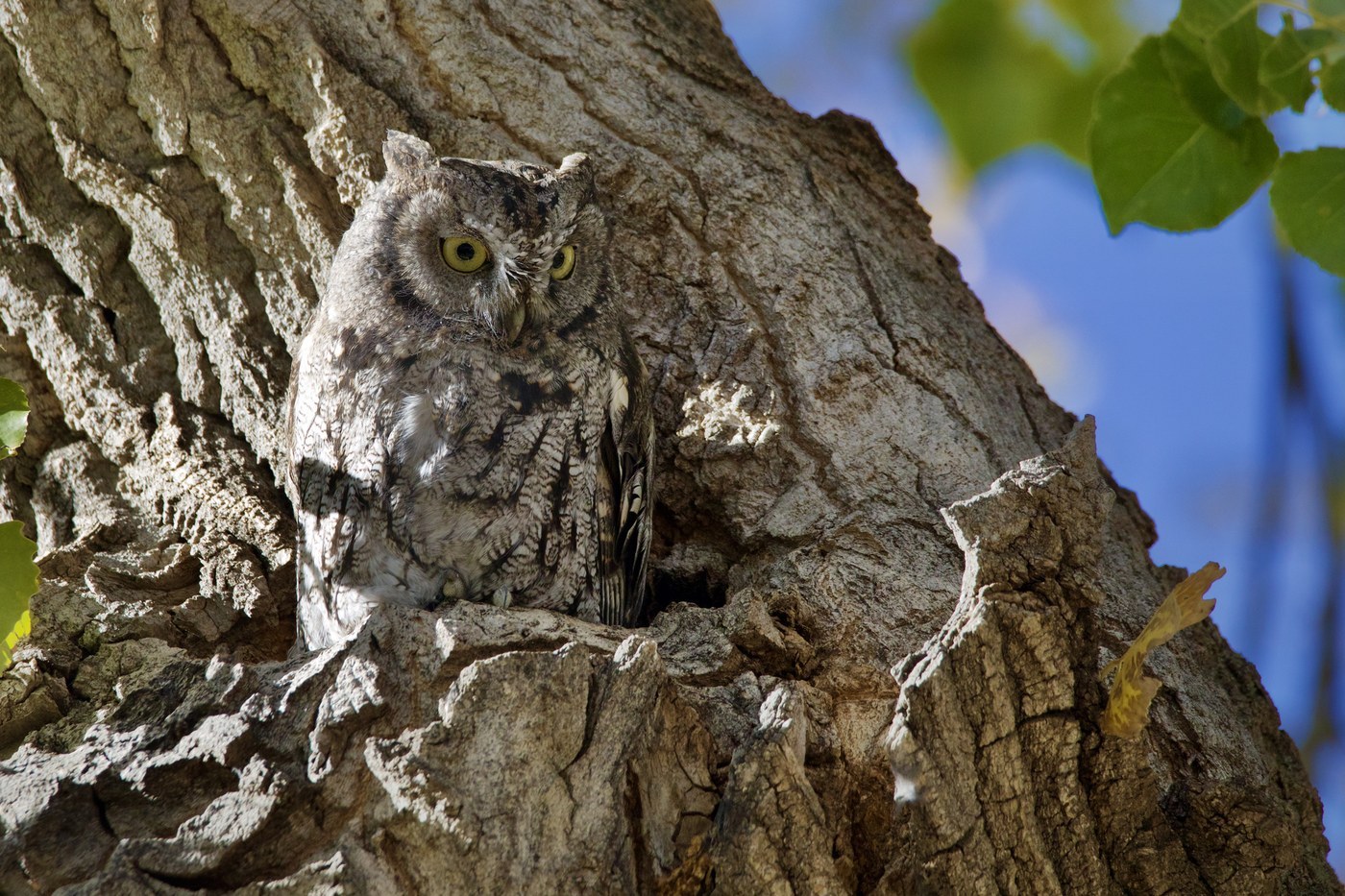
Western Screech-Owl
Small soft-fringed flight feathers; cryptic mottled/streaked body feathers; short ear tufts

White-faced Scops Owl
Small to medium flight feathers with a distinctive whitish facial disc and long ear-tuft plumes