
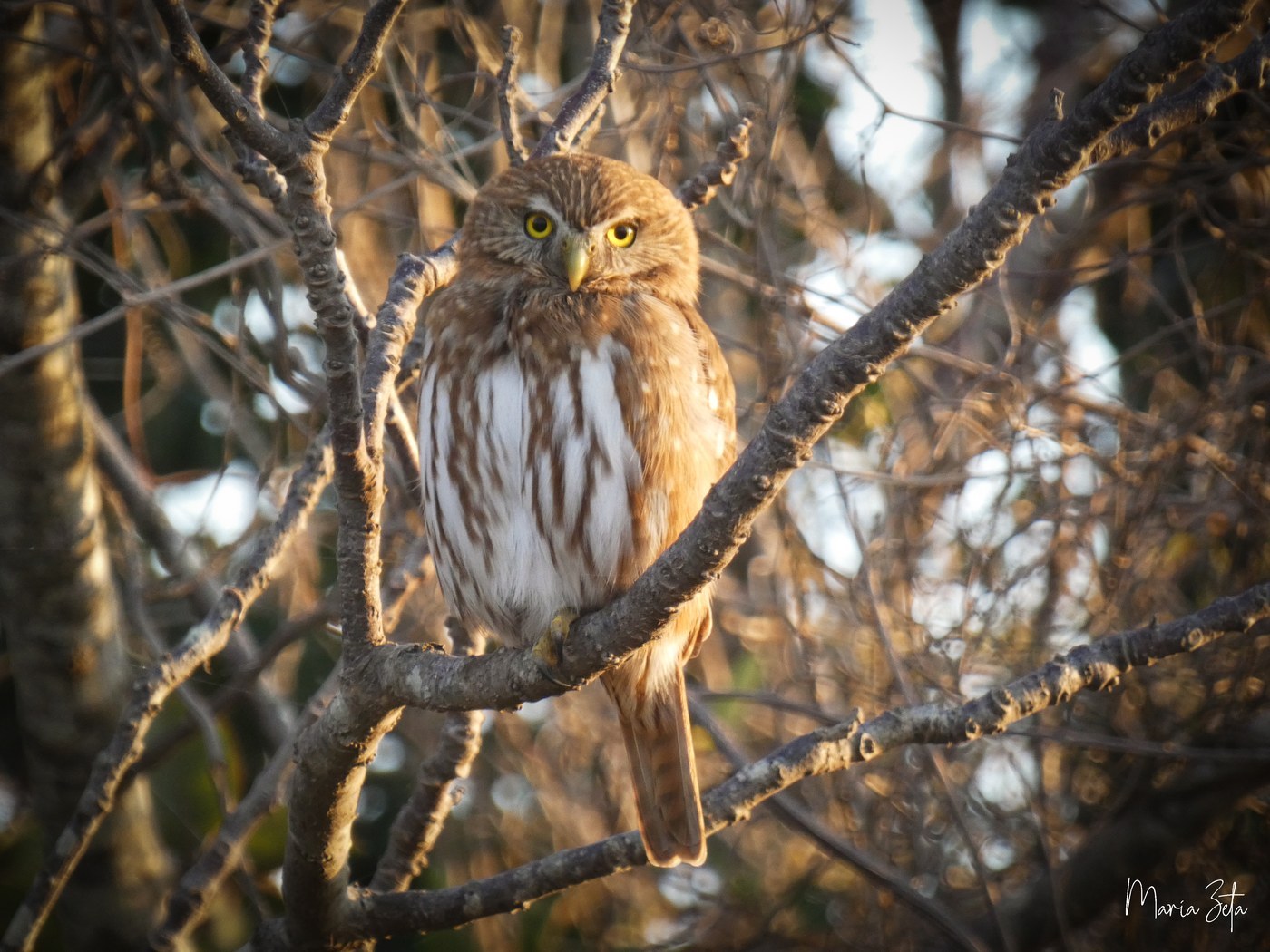
Ferruginous Pygmy-Owl
Glaucidium brasilianum
A tiny, day-active owl of arid scrub and thorn forest across the Americas, often revealed by its bold rufous or gray-brown coloring and long, cocked, barred tail.
- Feather type
- Short rounded flight feathers; long banded tail; streaked body feathers
- Colours
- Rufous or grayish-brown with fine streaking, spotted crown, and a rufous or dark tail with pale bars
- Bird size
- Sparrow-sized, ~15-17 cm
Found a feather like this?
Identify any feather from a photo, free.
Overview
The Ferruginous Pygmy-Owl is a small, feisty owl found from the southwestern United States and Mexico south through Central America into much of South America. Despite its small size, it aggressively defends territory and preys on birds, lizards, and insects, often larger relative to its own body size than expected.
It occurs in a rufous morph and a grayer morph across its wide range, and shows the same false eyespot pattern on the nape seen in other pygmy-owls. It is frequently active in daylight, perching conspicuously and flicking its long tail from side to side.
Its wide range across deserts, thorn scrub, and tropical lowlands means its feathers turn up in a broad variety of arid and semi-arid habitats, often near mesquite, saguaro, or riparian corridors.
Identifying the Feather
Size and shape
Small feathers matching a bird about 15-17 cm long, with short rounded wings and a notably long tail relative to body size, often held cocked at an angle.
Color and pattern
- Ground color is either warm rufous or grayish-brown, varying regionally and individually.
- The crown is finely streaked rather than boldly spotted, a useful distinction from the more spotted crown of some other pygmy-owls.
- Underparts are whitish with bold rufous or brown streaking.
- The tail is long, rufous or dark brown, with several narrow pale bars, and is proportionally longer than in the Northern Pygmy-Owl.
- Shafts are pale.
Distinguishing from similar species
Compared to the Northern Pygmy-Owl, Ferruginous Pygmy-Owl feathers usually show a finely streaked rather than spotted crown and often a warmer rufous tone overall, with a relatively longer tail. Range overlap is limited, helping confirm identification.
Plumage & Molt
Plumage varies from rufous to grayish-brown morphs, both with a finely streaked crown, whitish underparts marked with bold streaking, and a long tail barred with narrow pale bands. The nape bears a pair of dark false eyespots outlined in white or buff. Sexes are alike in color, with females larger. Juveniles are duller with less defined streaking. A single annual molt follows breeding, with feathers replaced gradually.
Habitat & Range
This species occupies a wide range of arid and semi-arid habitats including desert scrub, thorn forest, mesquite woodland, and riparian corridors, extending from southern Arizona and Texas through Mexico, Central America, and much of South America to Argentina. It is largely resident throughout its range, with little seasonal movement.
Behavior & Field Notes
Ferruginous Pygmy-Owls hunt small birds, lizards, large insects, and occasionally small mammals from perches, often in daylight. They are known for boldly attacking prey larger than themselves and for aggressively mobbing intruders near the nest. The male's call is a long series of monotonous, evenly spaced whistled notes. Nests are placed in natural cavities or old woodpecker holes, frequently in cactus such as saguaro in the northern part of its range. When identifying a feather, look for the small size, streaked rather than spotted crown, rufous or gray-brown tone, and long tail with narrow pale banding.
Frequently asked questions
How do I tell a Ferruginous Pygmy-Owl feather from a Northern Pygmy-Owl feather?
Ferruginous Pygmy-Owl feathers typically show fine streaking rather than bold round spotting on the crown, a warmer rufous tone in many individuals, and a relatively longer tail; the two species' ranges also barely overlap.
Why does this owl sometimes look reddish and sometimes grayish?
The species has two color morphs, rufous and grayish-brown, which occur across its range independent of sex or age, so both tones are normal for this owl.
Is this owl active during the day?
Yes, it is frequently active in daylight, hunting from open perches and often flicking its tail, which makes daytime sightings more common than for most owls.
What habitat is most likely to have this owl's feathers?
Look in arid scrub, thorn forest, mesquite, saguaro desert, and riparian woodland from the southwestern United States through Mexico, Central America, and much of South America.
Ferruginous Pygmy-Owl guides
In-depth guides for identifying and understanding Ferruginous Pygmy-Owl.
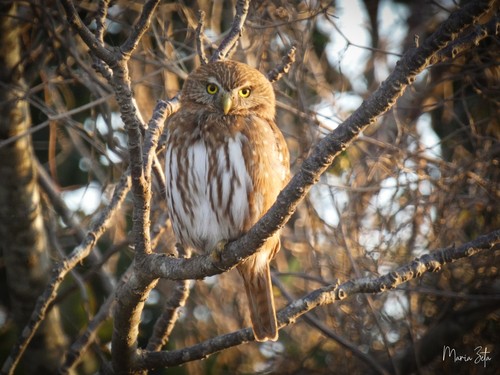
Other feathers you may enjoy

Tawny Owl
Wing (flight) and body (contour) feathers
Little Owl
Wing and body feathers

Balsas Screech-Owl
Small ear-tuft feathers; soft, finely vermiculated body feathers

Blakiston's Fish Owl
Massive flight feathers with looser structure; shaggy body plumage; prominent ear-tuft feathers

Barn Owl
Wing and facial-disc feathers
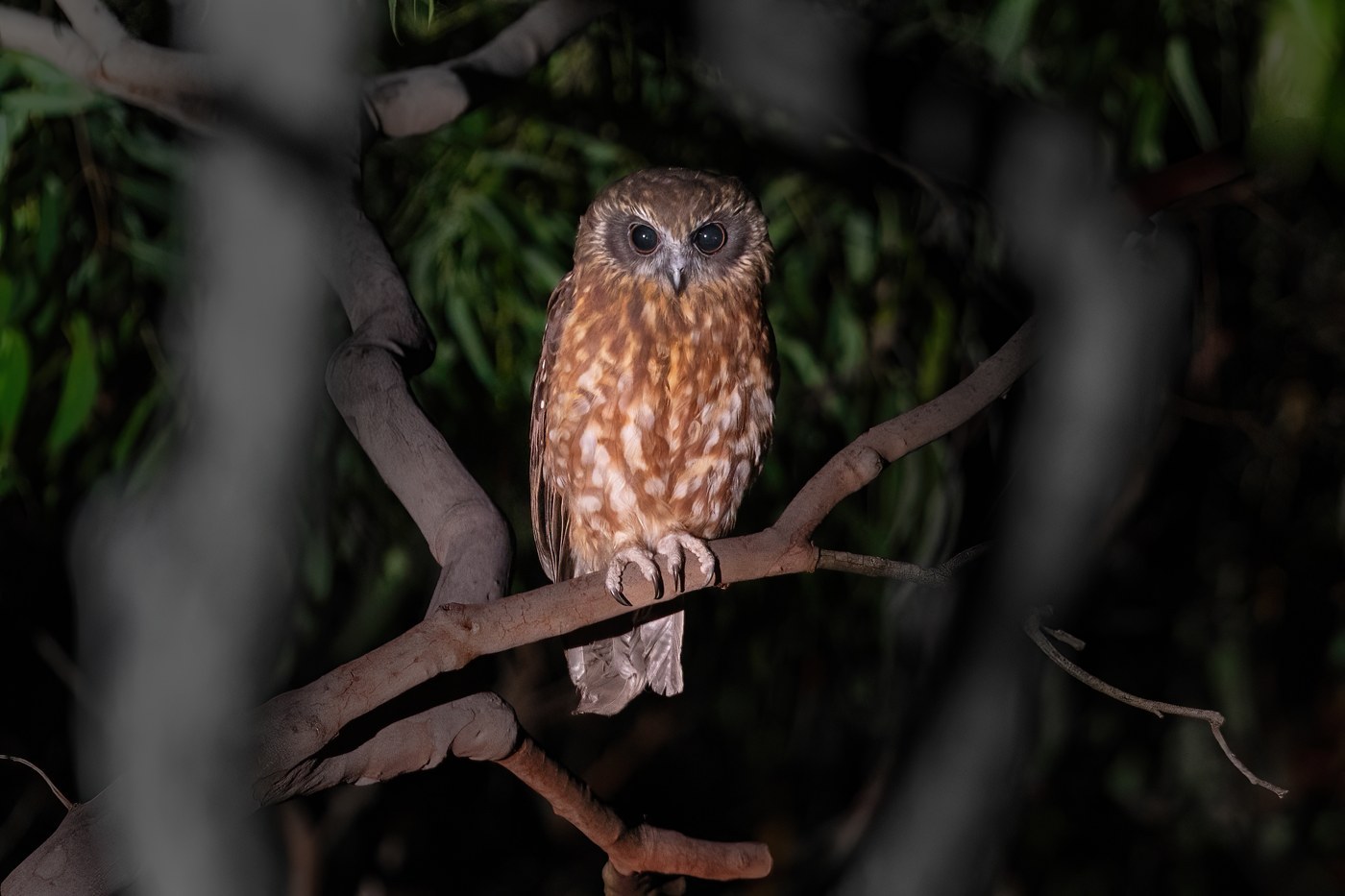
Southern Boobook
Rounded flight feathers; banded tail; spotted body plumage

Sooty Owl
Broad soft-edged flight feathers; heart-shaped facial disc feathers; finely speckled body plumage

Short-eared Owl
Broad soft-fringed flight feathers; streaked body feathers; tiny, rarely visible ear tufts

Stygian Owl
Dark, mottled flight and body feathers with long, closely-set ear tufts
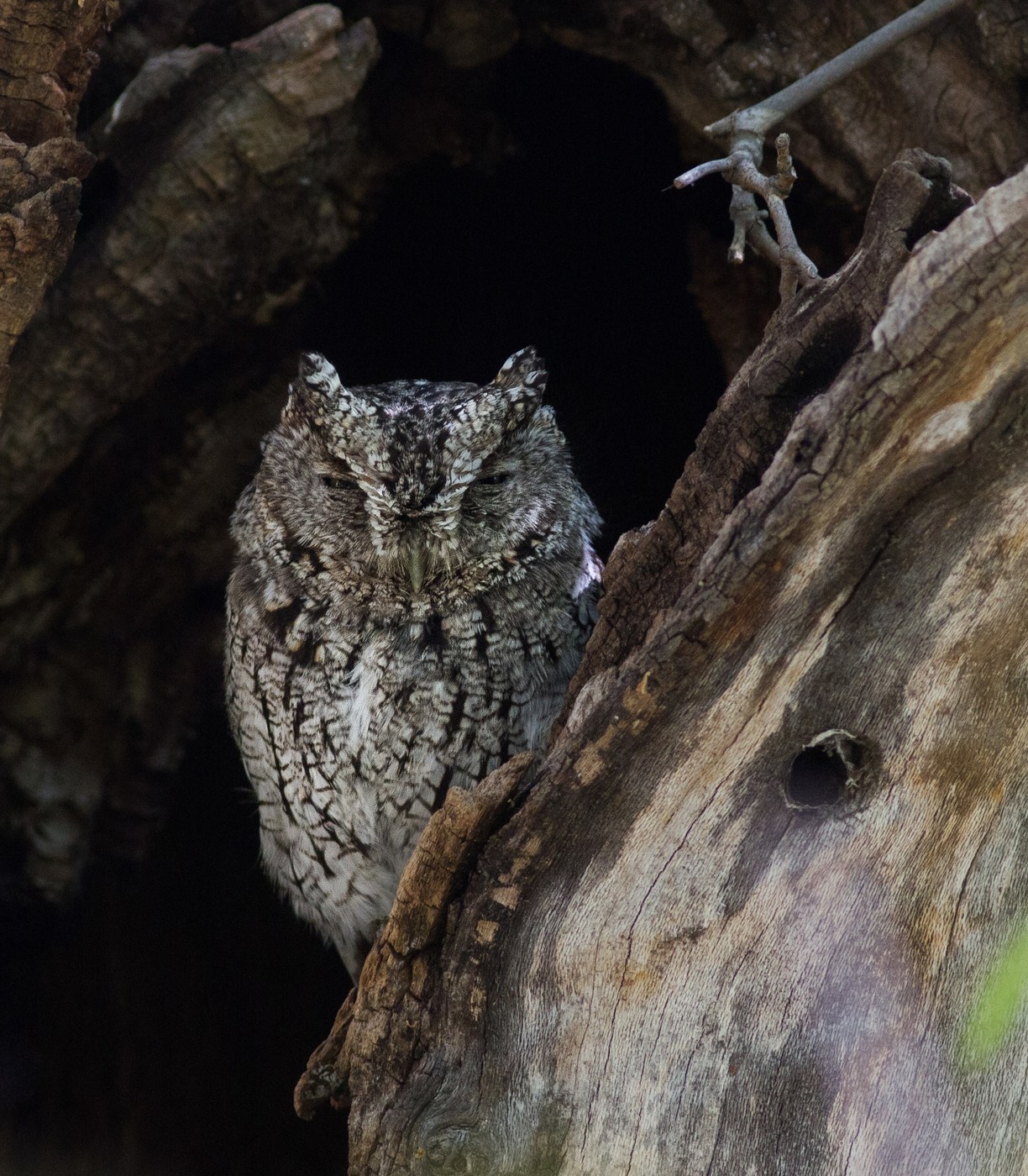
Whiskered Screech-Owl
Small soft-fringed flight feathers; finely mottled body feathers; short ear tufts
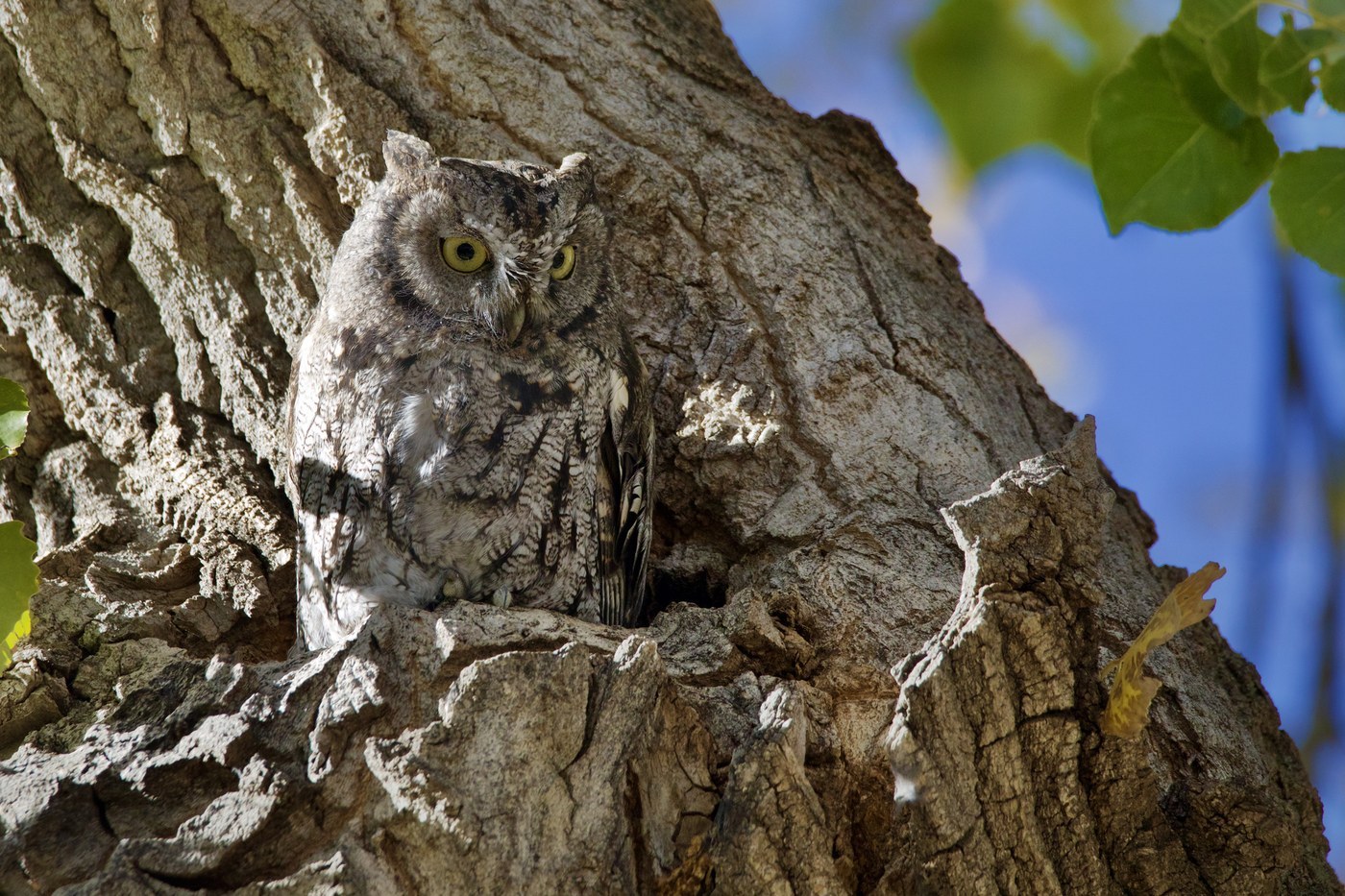
Western Screech-Owl
Small soft-fringed flight feathers; cryptic mottled/streaked body feathers; short ear tufts

White-faced Scops Owl
Small to medium flight feathers with a distinctive whitish facial disc and long ear-tuft plumes