

Eyebrowed Thrush
Turdus obscurus
The Eyebrowed Thrush is an olive-brown Asian thrush marked by a bold white eyebrow stripe and an orange-buff wash across the breast, breeding in Siberian taiga and wintering in tropical Asia.
- Feather type
- Plain thrush body plumage with a bold pale eyebrow stripe
- Colours
- Olive-brown above, orange-buff breast, white belly, bold white supercilium
- Bird size
- Medium thrush, ~21-23 cm
Found a feather like this?
Identify any feather from a photo, free.
Overview
Overview
The Eyebrowed Thrush is a migratory thrush of eastern Asia, breeding across the Siberian taiga and wintering in Southeast Asia, with occasional vagrants reaching Alaska and the Pacific coast of North America. It is named for its bold, pale eyebrow stripe, a key field mark shared by both sexes.
- Long-distance migrant between Siberia and tropical Asia
- Bold white supercilium is the species' most distinctive feature
- Rare but regular vagrant to western Alaska
Identifying the Feather
Feather Identification
Eyebrowed Thrush feathers combine plain olive-brown tones with a bold facial stripe.
- Head feathers: Grayish with a bold, long white supercilium (eyebrow stripe) above the eye
- Back and wing feathers: Plain olive-brown, unmarked
- Breast feathers: Warm orange-buff, fading to white on the belly
- Female/immature feathers: Similar pattern but slightly duller overall
- The bold white eyebrow stripe combined with the orange-washed breast and white belly is diagnostic among similarly sized thrushes
Plumage & Molt
Plumage, Sex & Age Differences
Males show a grayer head and more defined white eyebrow stripe than females, which are slightly duller and browner overall with a less crisp supercilium. Juveniles show fine spotting typical of young thrushes before their first molt. Adults undergo a complete molt after breeding.
Habitat & Range
Habitat & Range
Eyebrowed Thrushes breed across the boreal taiga forest of Siberia and migrate to winter in Southeast Asia, including parts of China, Southeast Asian countries, and the Philippines. The species is a rare but regular vagrant to western Alaska and occasionally further south along the Pacific coast.
Behavior & Field Notes
Behavior, Voice & Field Notes
Eyebrowed Thrushes forage on the ground and in trees for insects, other invertebrates, and fruit, often forming loose flocks on migration and in winter. Their call is a thin, high-pitched note, and their song is a simple, thrush-like warble delivered on the breeding grounds. They nest in trees within taiga forest.
Frequently asked questions
What feather feature identifies an Eyebrowed Thrush?
A bold white eyebrow stripe combined with an orange-buff breast fading to a white belly.
Where do Eyebrowed Thrushes breed and winter?
They breed in Siberian taiga forest and winter in Southeast Asia.
Can Eyebrowed Thrushes be seen in North America?
Yes, rarely, as a vagrant to western Alaska and occasionally further south.
Do male and female Eyebrowed Thrushes look different?
Males have a grayer head and crisper eyebrow stripe; females are slightly duller and browner.
Eyebrowed Thrush guides
In-depth guides for identifying and understanding Eyebrowed Thrush.

Other feathers you may enjoy

Yellow-breasted Bunting
Contour and flight feathers, chestnut-and-yellow breeding pattern
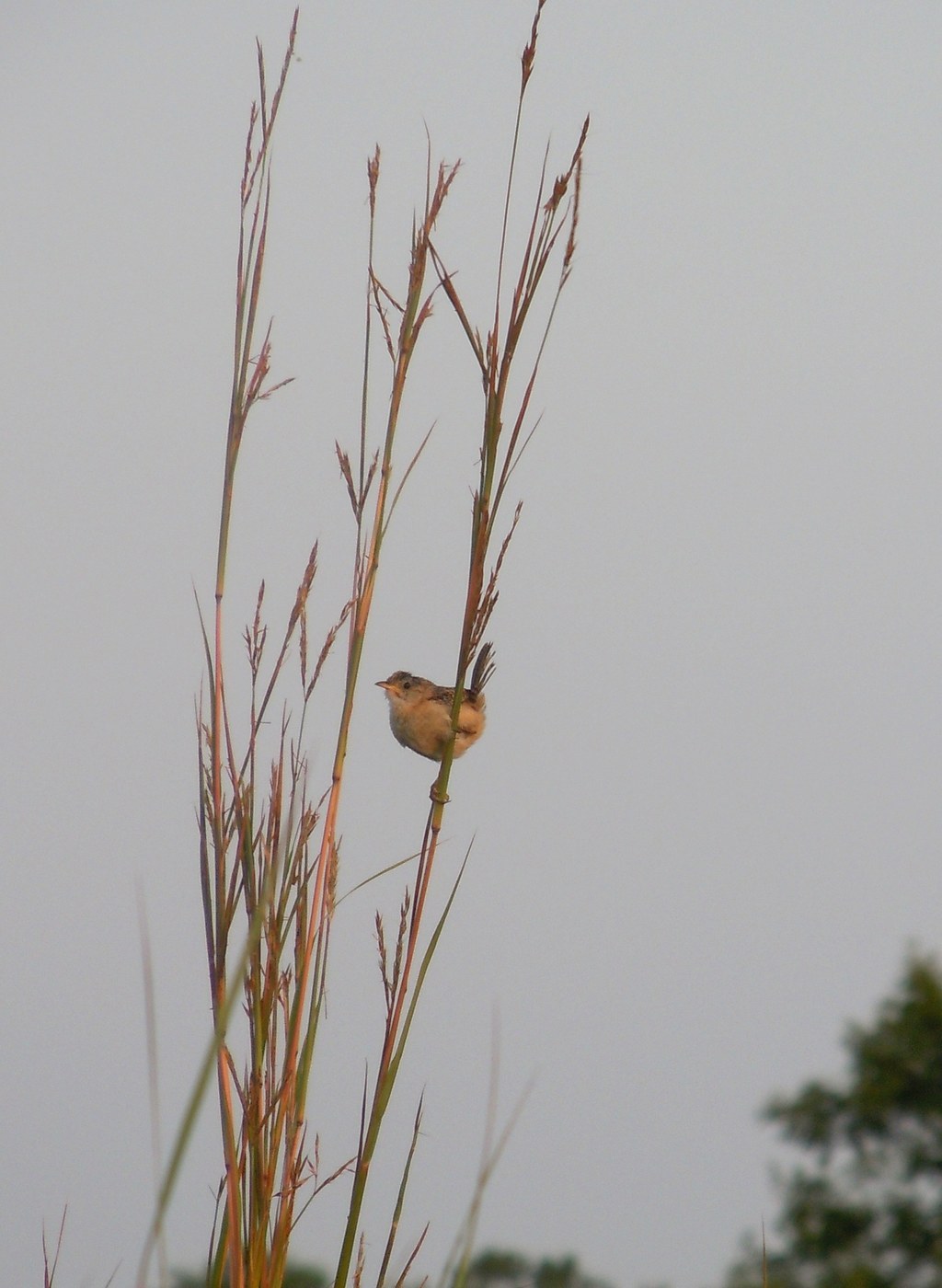
Sedge Wren
Tiny streaked crown and back feathers

Yellow-winged Cacique
Glossy black body feathers, yellow wing patch, shaggy crest

Yellow Warbler
Small contour and flight feathers
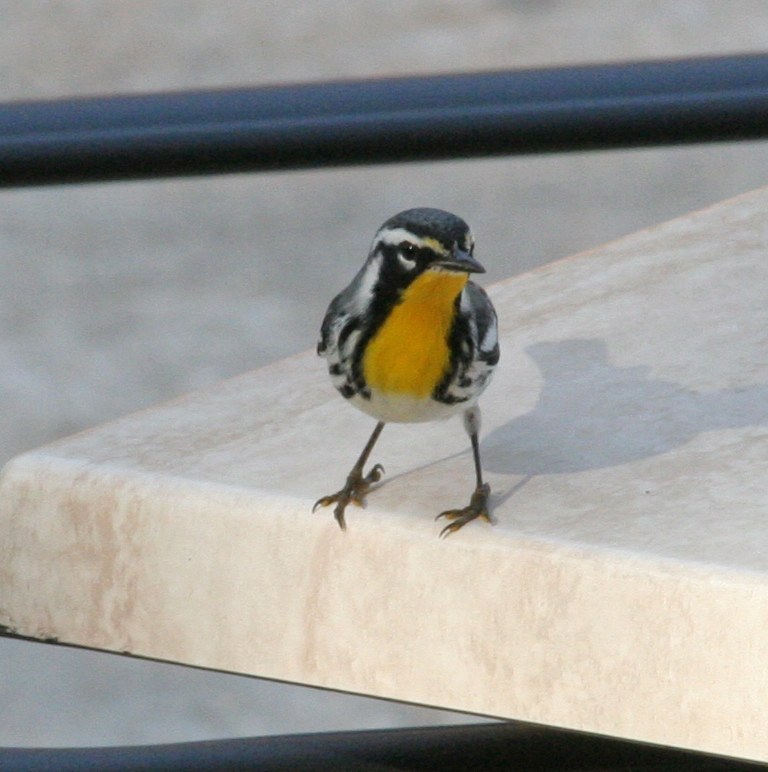
Yellow-throated Warbler
Small contour and flight feathers
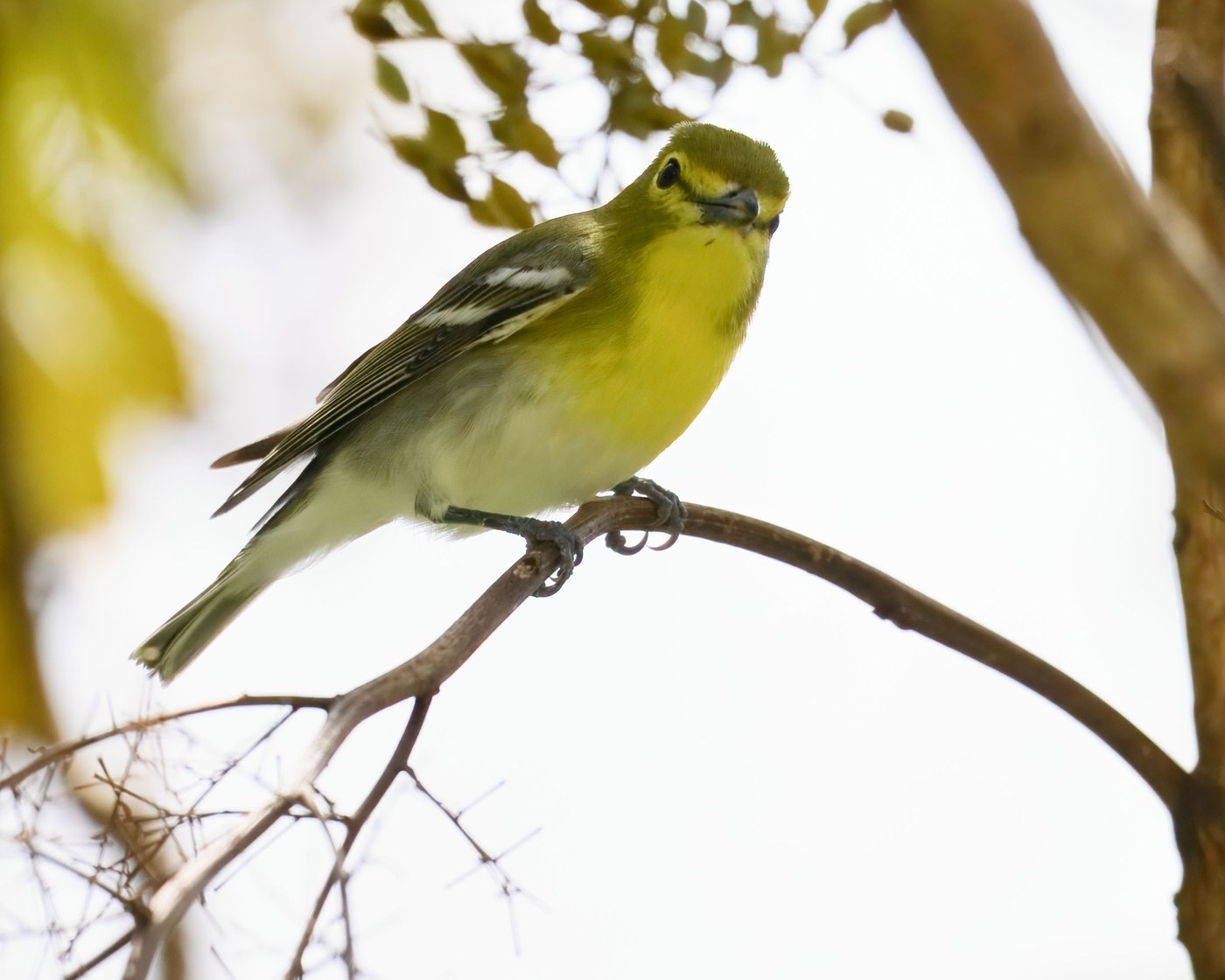
Yellow-throated Vireo
Bright yellow throat and spectacle feathers; olive-green back feathers; two white wing-bar feathers

Yellow-rumped Warbler
Small contour and flight feathers
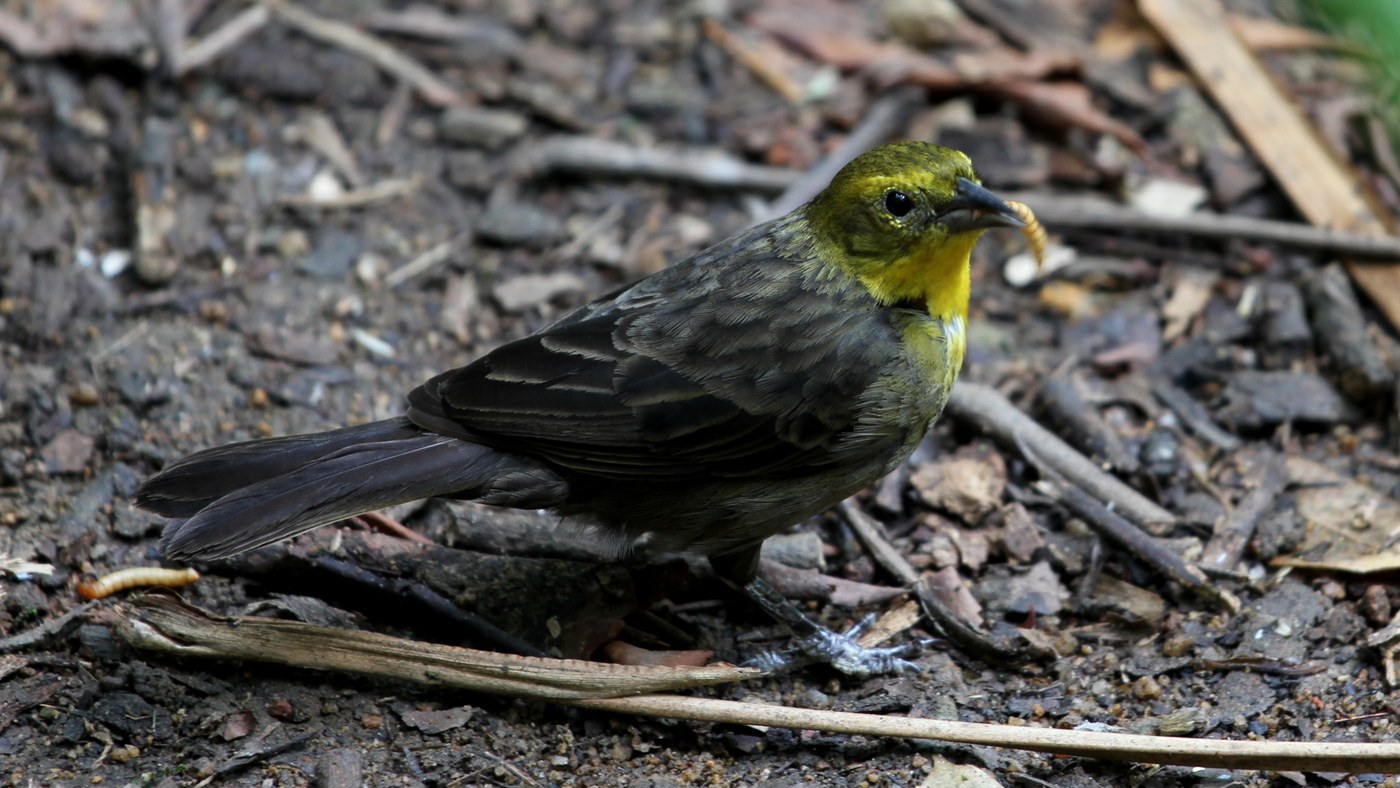
Yellow-hooded Blackbird
Contrasting hood and body feathers
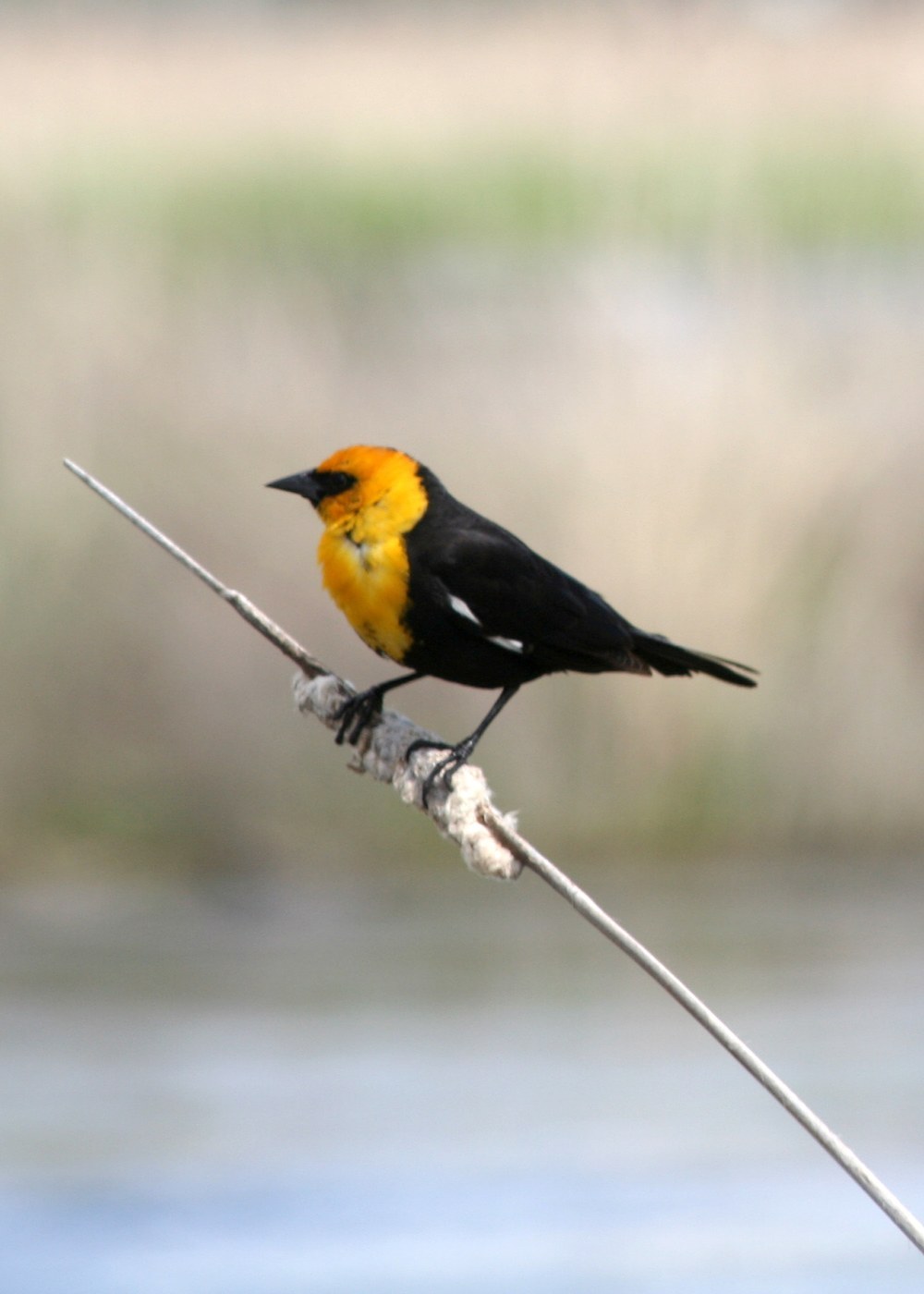
Yellow-headed Blackbird
Glossy black body plumage with a bright yellow head and breast

Yellow-eyed Junco
Contour and flight feathers

Yellow-fronted Canary
Small, smooth body plumage

Yellow-breasted Greenfinch
Compact, smooth body plumage