
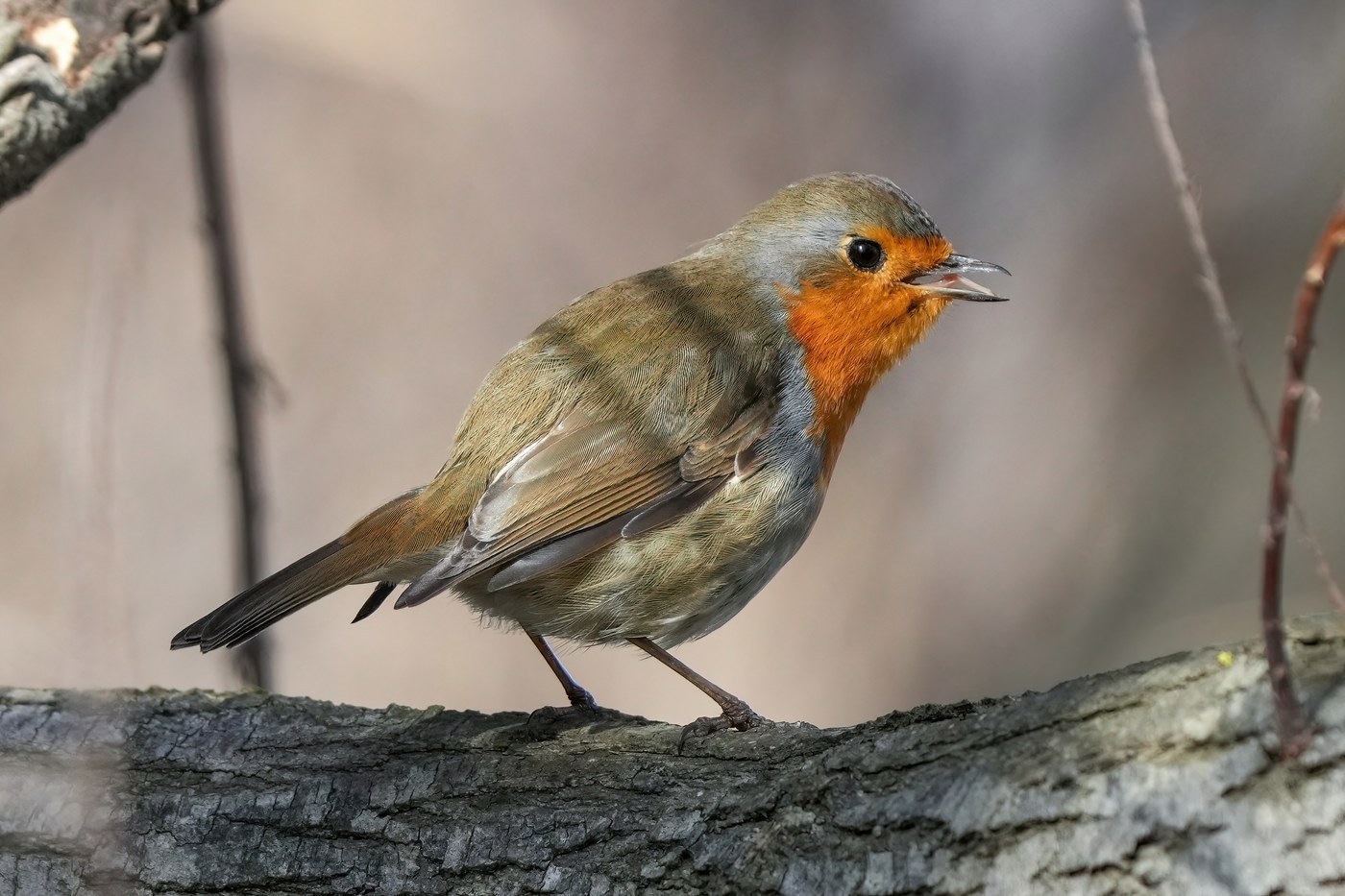
European Robin
Erithacus rubecula
An iconic garden songbird with a vivid orange-red face and breast set against olive-brown upperparts, one of the most recognizable feather patterns in European gardens.
- Feather type
- Soft, rounded contour feathers with a distinctive breast patch; short rounded flight feathers
- Colours
- Olive-brown above, orange-red face and breast, whitish-gray belly
- Bird size
- Small, ~14 cm
Found a feather like this?
Identify any feather from a photo, free.
Overview
The European Robin is a beloved garden bird across Europe, known for its bold orange-red face and breast and its confiding, curious behavior around humans, especially gardeners disturbing soil. Its plumage combines warm color with soft, rounded feather structure typical of small woodland-edge songbirds.
It is a familiar sight and sound year-round in much of its range, often the first bird to investigate freshly turned earth for exposed invertebrates.
Its vivid orange-red breast patch, extending up around the face, is distinctive enough that even a single breast feather is often recognizable.
Identifying the Feather
Identifying European Robin feathers
- Breast and face feathers: Vivid orange-red, extending from the throat up around the face and bordered by a thin bluish-grey line separating it from the brown back — a color combination unique among common European garden birds.
- Upperpart feathers: Warm olive-brown, unmarked, soft-edged.
- Belly feathers: Whitish to pale grayish-buff, unmarked.
- Flight feathers: Rounded, olive-brown, without wingbars or strong patterning.
- Compared to similar species: The combination of orange-red extending onto the face (not just the throat) separates Robin feathers from other orange-breasted birds; the color is more red-orange than the paler rufous of a Nightingale's tail, for example.
Plumage & Molt
Plumage overview
Adults show olive-brown upperparts and a bright orange-red face, throat, and breast bordered by a thin blue-grey line, with a pale grayish-white belly. Sexes look virtually alike, unusual among songbirds, making this species difficult to sex by plumage alone.
Juveniles are entirely spotted and mottled brown and buff with no orange at all, gradually acquiring the orange breast patch during their first partial molt in late summer.
Habitat & Range
Habitat and range
The European Robin is widespread across Europe, from the British Isles through continental Europe and into western Asia and North Africa. It inhabits gardens, parks, woodland edges, and hedgerows, showing a strong affinity for areas with shrubby cover and open ground for foraging.
Most populations are resident or short-distance migrants, though northern and eastern populations move further south and west in winter.
Behavior & Field Notes
Behavior and field notes
European Robins forage on the ground and in low vegetation for invertebrates, famously following gardeners and even larger animals to catch invertebrates disturbed by digging. Both sexes sing and hold territories, including through winter, unusual among European songbirds.
Its song is a rich, warbling series of clear notes, often heard even in winter and at dawn under streetlights. Nests are cup-shaped, often built in ivy, sheds, or other sheltered nooks close to the ground. A useful field note: an intact orange-red breast feather found in a garden or hedgerow is a strong indicator of this species given how few common garden birds share that exact color.
Frequently asked questions
How can I tell a European Robin feather from a Robin's American namesake?
They are unrelated species: European Robin feathers are much smaller with the orange extending onto the face, while the American Robin is a much larger thrush with an orange belly, not face.
Do juvenile European Robins have orange feathers?
No, juveniles are spotted brown and buff with no orange until their first partial molt in late summer.
Can I tell male and female European Robins apart by their feathers?
Not reliably — both sexes share very similar plumage, one of the few European songbirds where this is the case.
Where are European Robin feathers commonly found?
In gardens, hedgerows, and woodland edges across Europe, especially near shrubby cover close to the ground.
European Robin guides
In-depth guides for identifying and understanding European Robin.
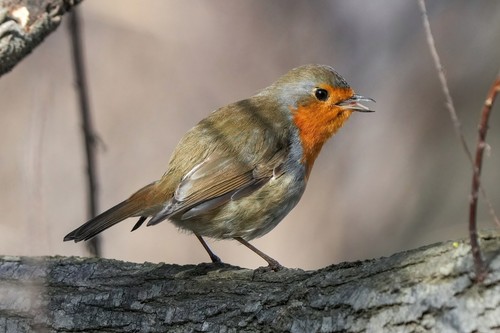
European Robin identified by the community
Real feathers identified with Feather Identifier.

Other feathers you may enjoy

Yellow-breasted Bunting
Contour and flight feathers, chestnut-and-yellow breeding pattern
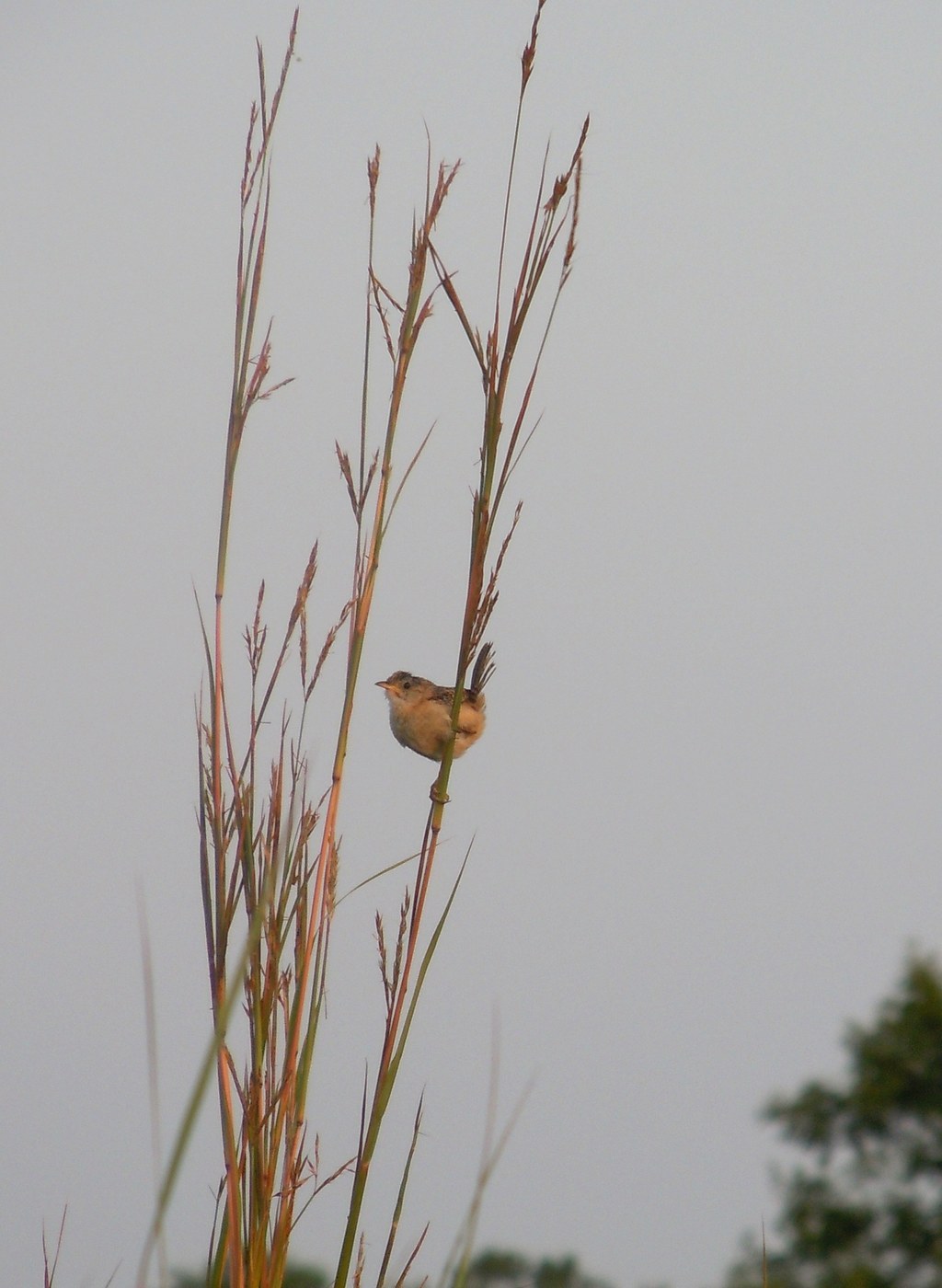
Sedge Wren
Tiny streaked crown and back feathers

Yellow-winged Cacique
Glossy black body feathers, yellow wing patch, shaggy crest

Yellow Warbler
Small contour and flight feathers
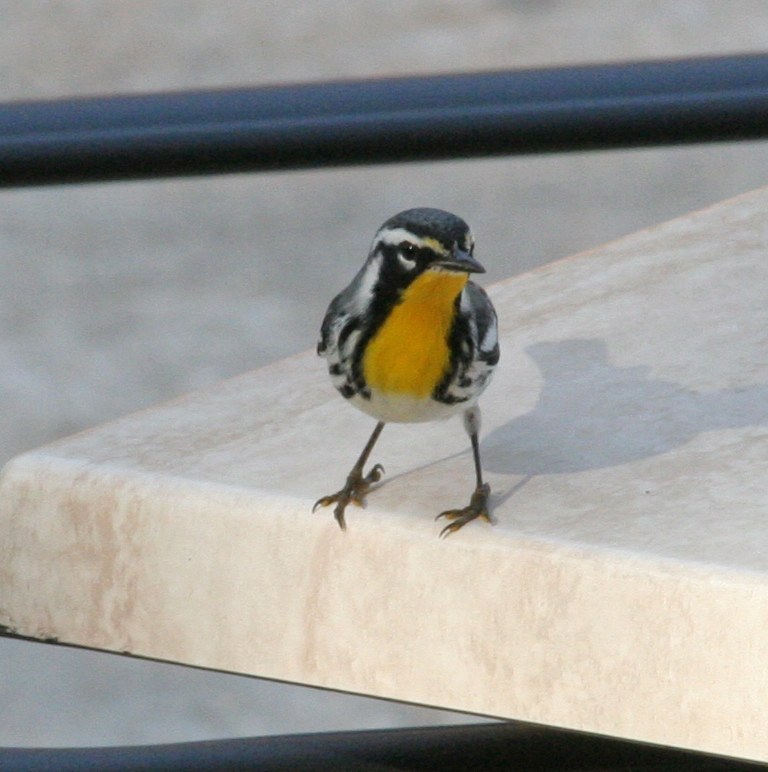
Yellow-throated Warbler
Small contour and flight feathers
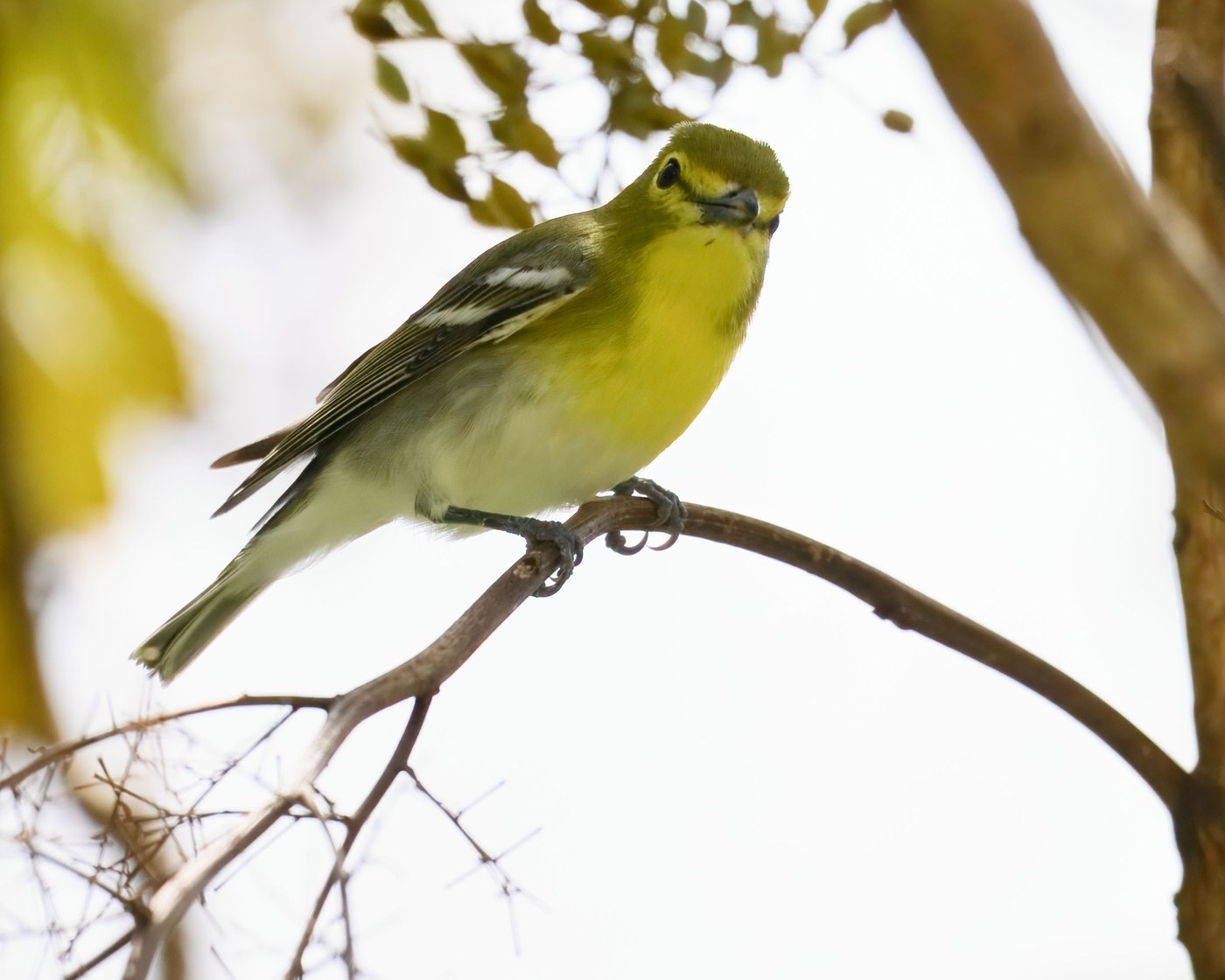
Yellow-throated Vireo
Bright yellow throat and spectacle feathers; olive-green back feathers; two white wing-bar feathers

Yellow-rumped Warbler
Small contour and flight feathers
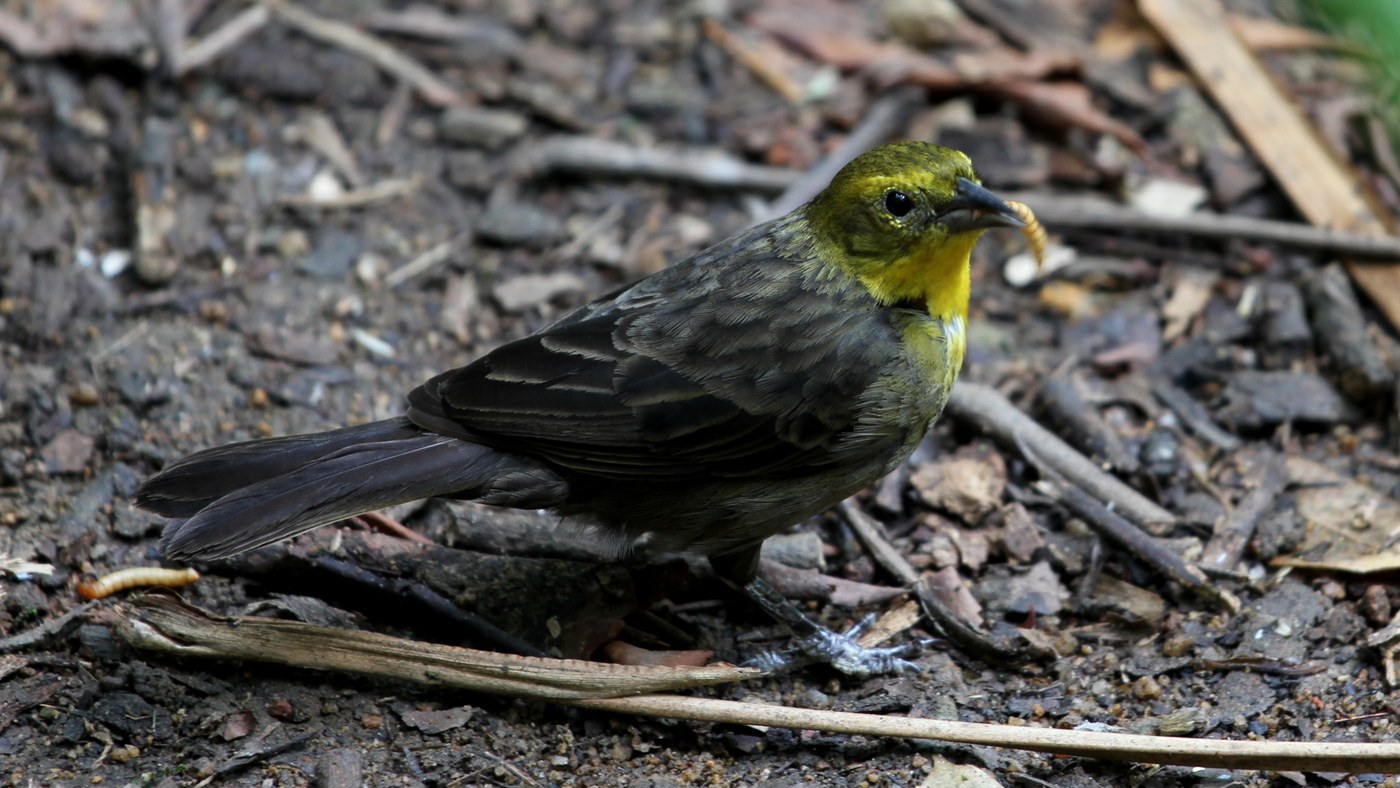
Yellow-hooded Blackbird
Contrasting hood and body feathers
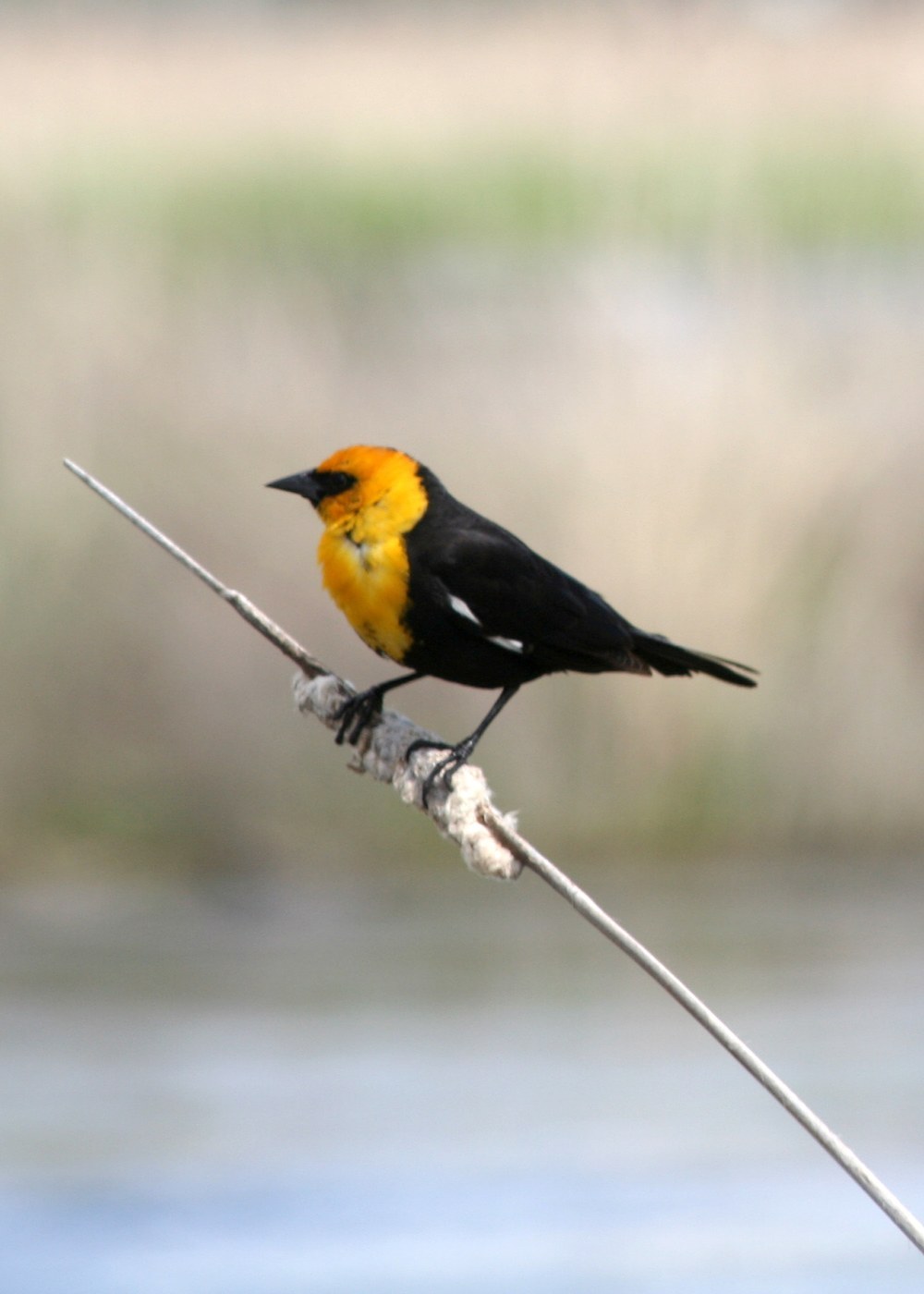
Yellow-headed Blackbird
Glossy black body plumage with a bright yellow head and breast

Yellow-eyed Junco
Contour and flight feathers

Yellow-fronted Canary
Small, smooth body plumage

Yellow-breasted Greenfinch
Compact, smooth body plumage