

European Greenfinch
Chloris chloris
A stocky, olive-green finch with a stout conical bill, brightened by bold yellow flashes along the edges of its wing and tail feathers, especially vivid in breeding males.
- Feather type
- Sturdy finch contour feathers; flight and tail feathers with bold yellow edging
- Colours
- Olive-green overall with bright yellow flashes in the wings and tail
- Bird size
- Small-medium, ~14-16 cm
Found a feather like this?
Identify any feather from a photo, free.
Overview
The European Greenfinch is a robust, olive-green finch common across gardens, parks, and woodland edges in Europe, easily recognized by the bright yellow patches flashing along its wings and tail in flight. Its stout, conical bill reflects its diet of larger seeds compared to more slender-billed finches.
It is a frequent visitor to garden feeders, particularly for sunflower seed, and its wheezy, nasal calls are a familiar sound in suburban gardens.
The combination of olive-green body plumage and bold yellow wing and tail flashes makes its feathers reasonably distinctive among common European finches.
Identifying the Feather
Identifying European Greenfinch feathers
- Body feathers: Olive-green overall, brightest and most saturated in adult males, duller and more brownish-olive in females and juveniles.
- Wing feathers: Dark grayish with bold bright yellow edging forming a distinct yellow flash along the primaries, visible even on the folded wing.
- Tail feathers: Dark with bright yellow bases to the outer feathers, forming yellow patches at the base of the tail visible in flight or when the tail is fanned.
- Bill-related note: While not a feather trait, the associated stout conical bill shape reflects the seed-crushing habit typical of this species' size class.
- Compared to similar species: The combination of olive-green body plumage with yellow (not white) wing and tail flashes separates Greenfinch feathers from Chaffinch, which shows white wing markings instead.
Plumage & Molt
Plumage overview
Adult males are bright olive-green overall with bold yellow wing and tail flashes, while females and juveniles are duller, more brownish-olive with less vivid yellow patches.
Juveniles additionally show fine streaking on the underparts, which is lost after the first molt into more uniform adult-type plumage. A complete molt occurs after the breeding season in late summer.
Habitat & Range
Habitat and range
European Greenfinches are widespread across Europe, North Africa, and parts of western Asia, inhabiting woodland edge, hedgerows, farmland with hedges, parks, and gardens. Most populations are resident or short-distance migrants, with northern populations moving further south in the coldest winters.
It has also been introduced to parts of the world such as Australia and New Zealand, where it has established breeding populations.
Behavior & Field Notes
Behavior and field notes
European Greenfinches use their stout bill to crack open larger seeds, including sunflower seed at feeders, and also take berries and buds. They are gregarious outside the breeding season, forming flocks that sometimes mix with other finch species.
Its song includes a distinctive drawn-out, nasal wheezing note alongside more musical trilling phrases, often delivered in a slow, fluttering display flight. Nests are built in dense shrubs or hedges. A useful field note: an olive-green feather with a bold yellow (not white) wing flash found near a garden feeder is a strong indicator of European Greenfinch.
Frequently asked questions
How can I tell a European Greenfinch feather from a Chaffinch feather?
Greenfinch feathers show bold yellow wing and tail flashes on an olive-green body, while Chaffinch shows white wingbars on a more pinkish-brown or grey-toned body.
Are male and female Greenfinch feathers different?
Yes, males are brighter olive-green with more vivid yellow flashes, while females and juveniles are duller and more brownish-olive.
Where are European Greenfinch feathers commonly found?
Near garden feeders, hedgerows, and woodland edges across Europe, where this species commonly forages.
Do juvenile Greenfinches have streaked underparts?
Yes, juveniles show fine streaking below that adults lack after their first molt.
European Greenfinch guides
In-depth guides for identifying and understanding European Greenfinch.

European Greenfinch identified by the community
Real feathers identified with Feather Identifier.

Other feathers you may enjoy

Yellow-breasted Bunting
Contour and flight feathers, chestnut-and-yellow breeding pattern
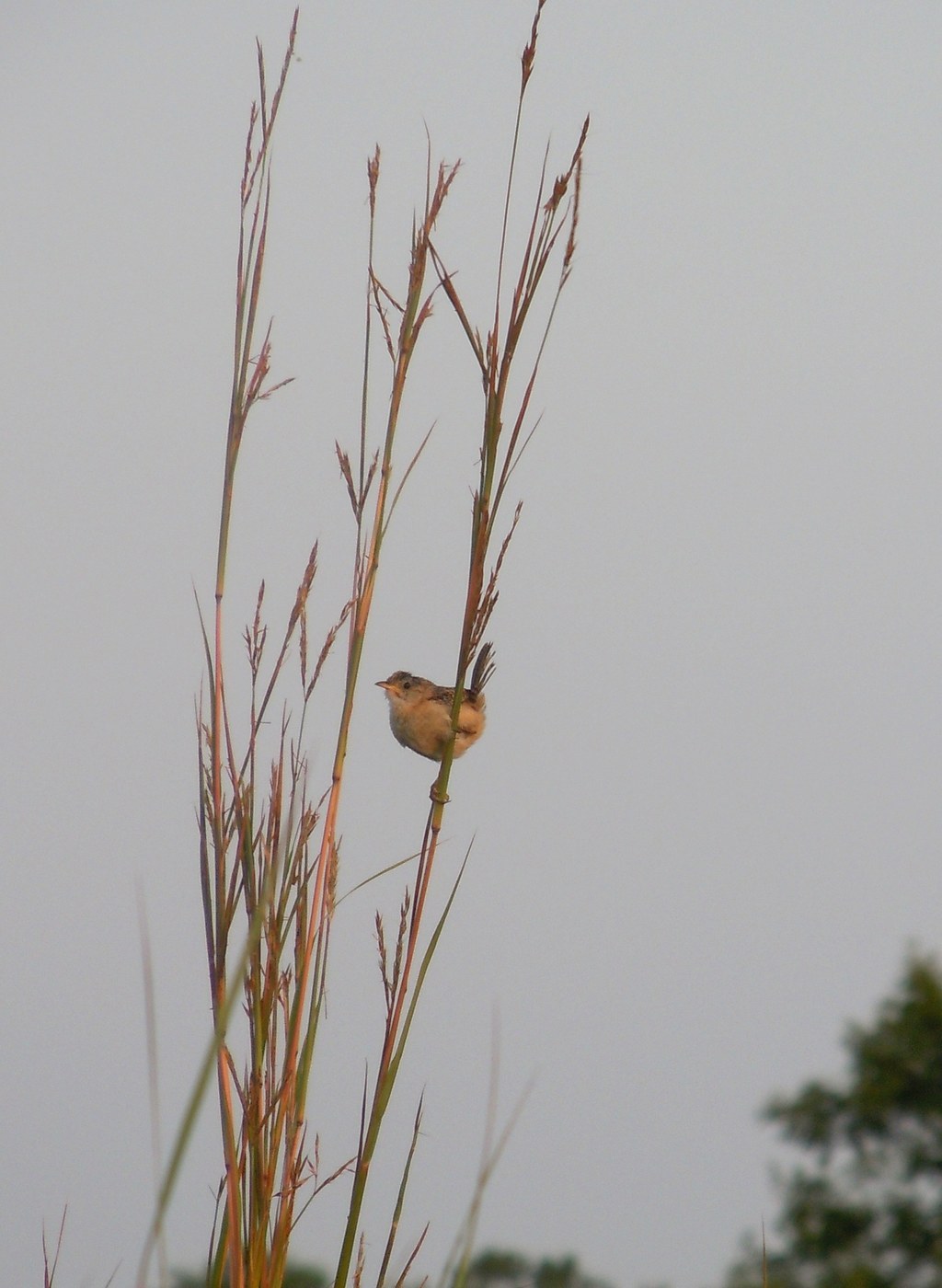
Sedge Wren
Tiny streaked crown and back feathers

Yellow-winged Cacique
Glossy black body feathers, yellow wing patch, shaggy crest

Yellow Warbler
Small contour and flight feathers
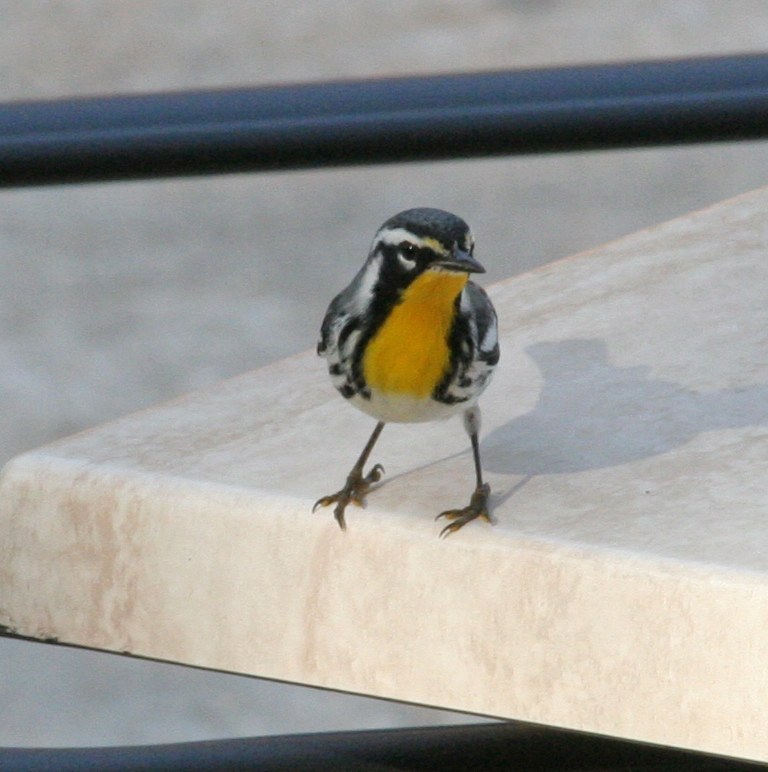
Yellow-throated Warbler
Small contour and flight feathers
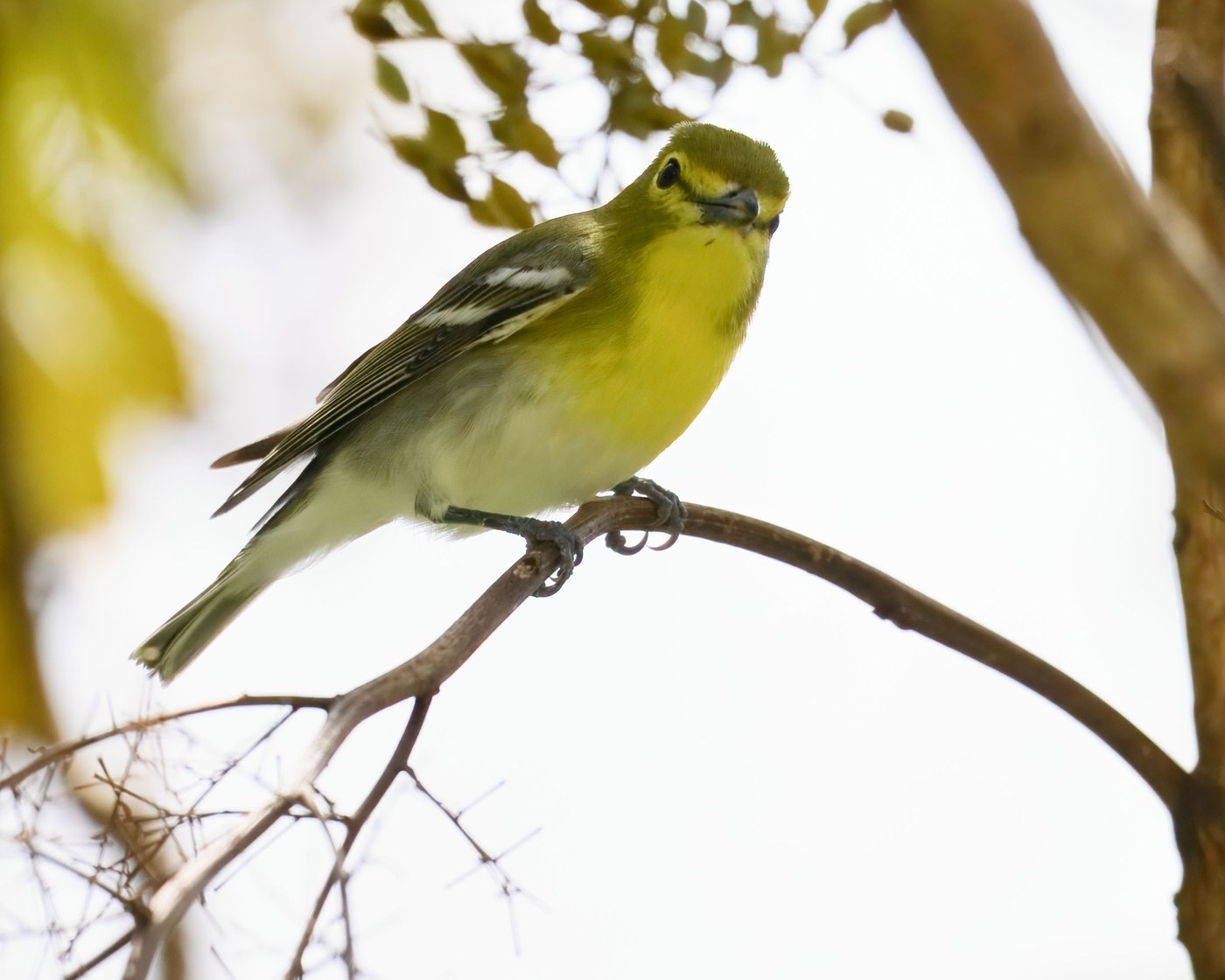
Yellow-throated Vireo
Bright yellow throat and spectacle feathers; olive-green back feathers; two white wing-bar feathers

Yellow-rumped Warbler
Small contour and flight feathers
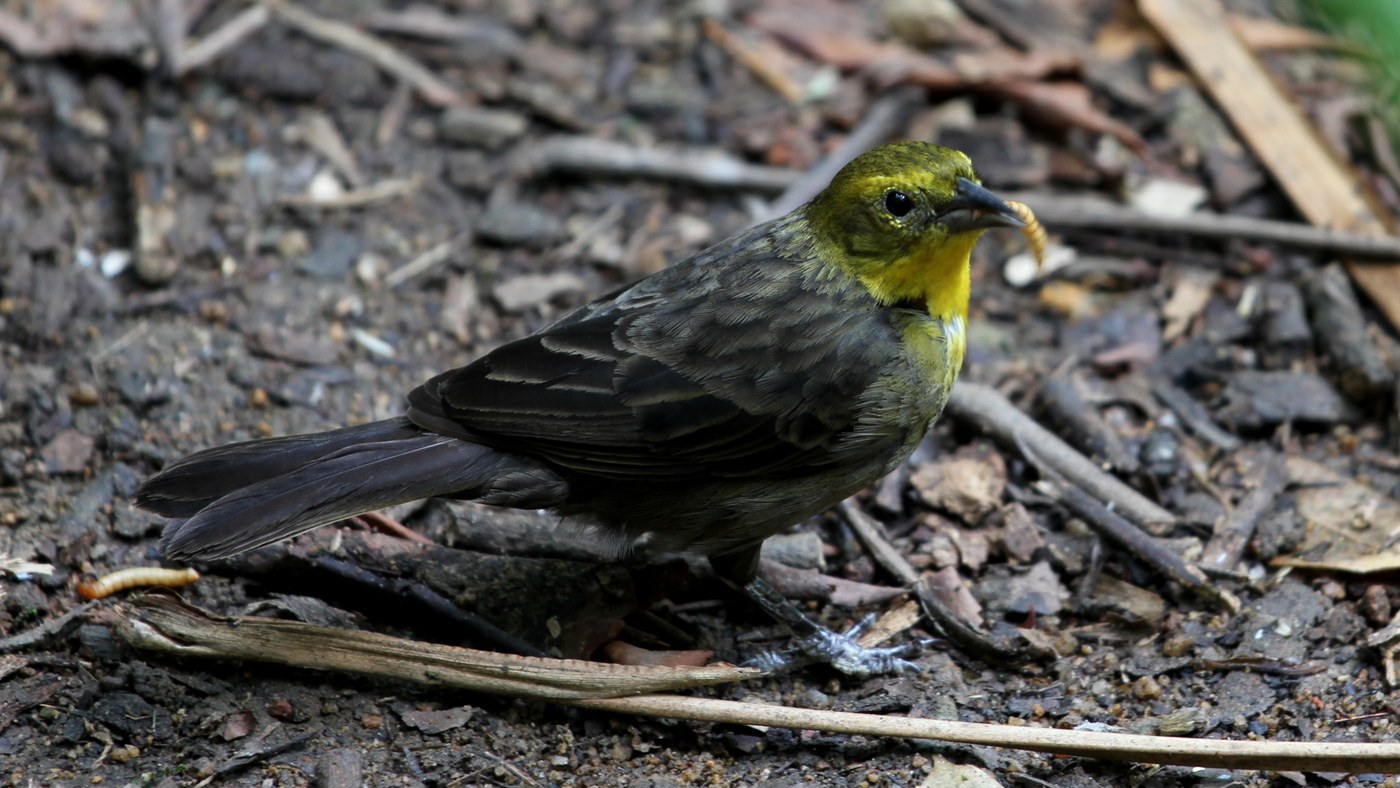
Yellow-hooded Blackbird
Contrasting hood and body feathers
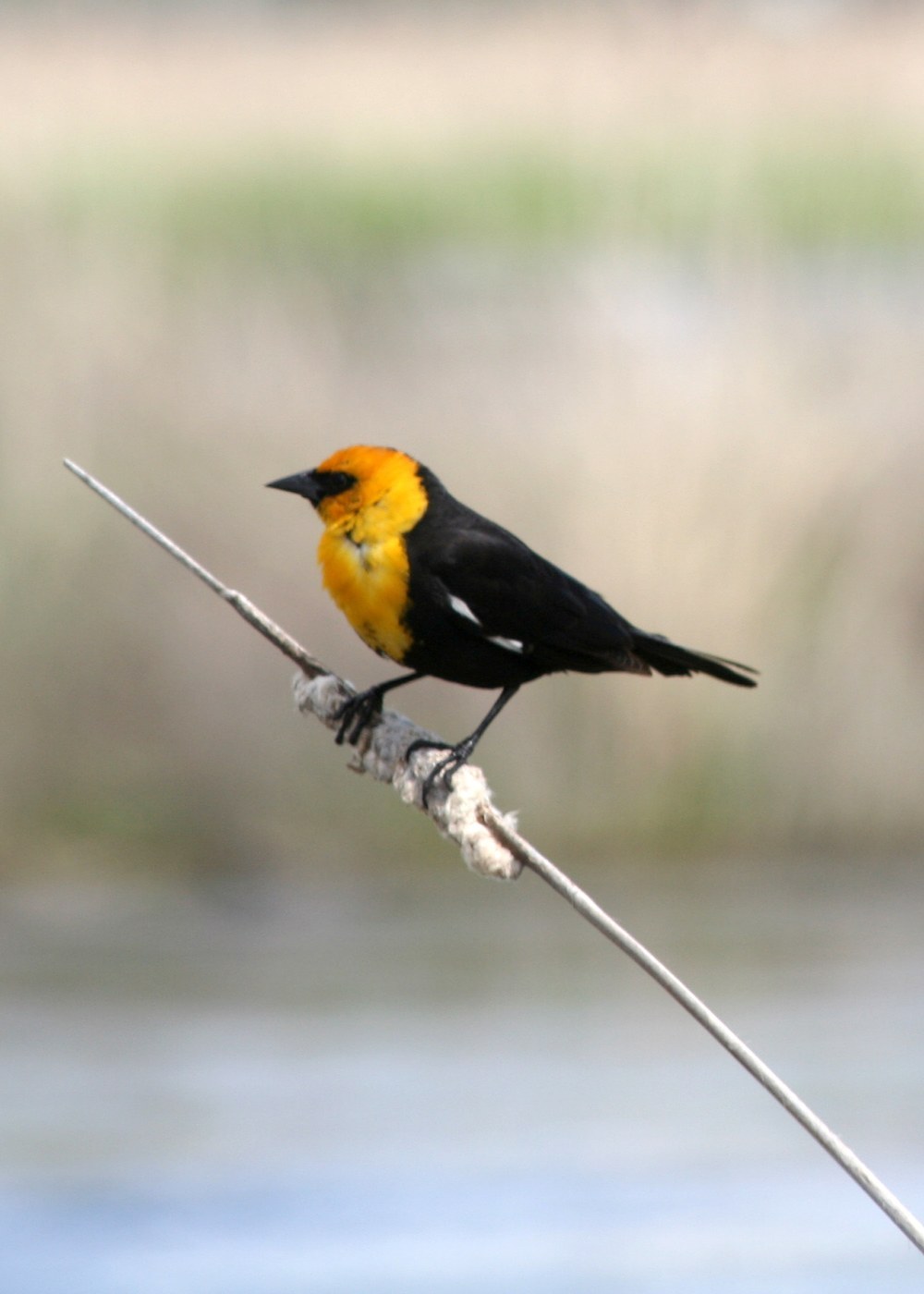
Yellow-headed Blackbird
Glossy black body plumage with a bright yellow head and breast

Yellow-eyed Junco
Contour and flight feathers

Yellow-fronted Canary
Small, smooth body plumage

Yellow-breasted Greenfinch
Compact, smooth body plumage