
Eurasian Blue Tit
Cyanistes caeruleus
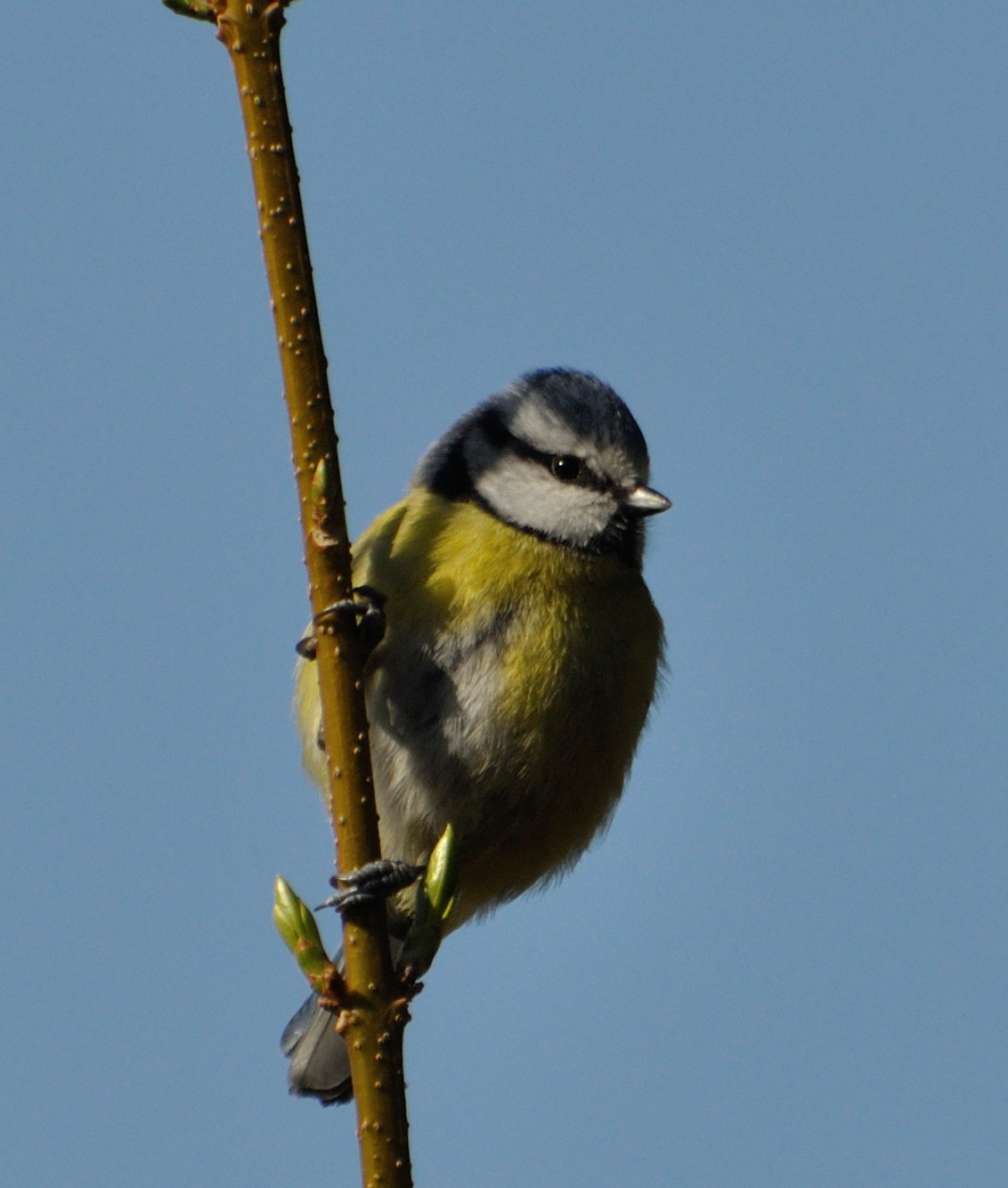
A small, brightly colored garden tit with a blue crown and wings, yellow underparts, and white cheeks bordered by a thin black eye-line, among the most colorful common feathers in European gardens.
- Feather type
- Small, compact contour feathers; short rounded flight feathers
- Colours
- Blue crown, wings, and tail; yellow underparts; white cheeks with a black eye-line
- Bird size
- Very small, ~11-12 cm
Found a feather like this?
Identify any feather from a photo, free.
Overview
The Eurasian Blue Tit is a familiar and colorful visitor to gardens and woodlands across Europe, easily recognized by its blue cap and wings paired with bright yellow underparts. It is a frequent visitor to bird feeders and nest boxes, making it one of the more commonly encountered small songbirds.
Its vivid blue and yellow feathers are distinct enough that even single feathers are usually identifiable to genus, if not species, within its range.
Because it readily uses nest boxes and feeders, its feathers are commonly found in gardens, especially near nesting sites during the breeding season.
Identifying the Feather
Identifying Eurasian Blue Tit feathers
- Crown feathers: Bright cobalt-blue, a color combination not shared by any similarly sized common European songbird.
- Cheek feathers: White, bordered by a thin black line through the eye and around the nape.
- Underpart feathers: Bright lemon-yellow, unmarked, brightest on the breast.
- Wing and tail feathers: Blue with a white wingbar formed by pale tips on the greater coverts.
- Compared to similar species: Great Tit feathers are larger and show a black central belly stripe absent in Blue Tit, and Great Tit's crown is black rather than blue, making the two easy to separate even from single feathers.
Plumage & Molt
Plumage overview
Adults show a blue crown, nape, wings, and tail, white cheeks bordered by a black eye-stripe and thin necklace, an olive-green back, and bright yellow underparts. Sexes are similar, though males average slightly brighter blue crowns visible under ultraviolet light, a difference not perceptible to the human eye.
Juveniles are duller, with a yellowish rather than white cheek patch and a more olive-green, less blue crown, before molting into adult-like plumage in their first autumn.
Habitat & Range
Habitat and range
Eurasian Blue Tits are widespread residents across most of Europe and parts of western Asia and North Africa, inhabiting deciduous and mixed woodland, parks, hedgerows, and gardens. Most populations are non-migratory, staying within a home range year-round, though northern populations may show some local movement in harsh winters.
It is one of the most frequent visitors to garden bird feeders across its range.
Behavior & Field Notes
Behavior and field notes
Eurasian Blue Tits forage actively in tree canopy and shrubs, often hanging upside down on thin twigs while gleaning insects, and readily visit feeders for seeds and fat. They are cavity nesters, frequently using nest boxes as well as natural tree holes.
Their calls are a bright, scolding "tsee-tsee-tsee," and their song is a fast, high-pitched trill. Nests are lined with moss, hair, and feathers. A useful field note: a small blue and yellow feather found near a garden nest box is very likely from this species given how few other small songbirds share this color combination.
Frequently asked questions
How do I tell a Eurasian Blue Tit feather from a Great Tit feather?
Blue Tit feathers show a blue crown and no black belly stripe, while Great Tit feathers have a black crown and a bold black stripe down the yellow underparts.
Do juvenile Blue Tits have the same blue crown as adults?
No, juveniles show a duller, more olive-green crown and yellowish cheeks, becoming fully blue and white after their first molt.
Where are Eurasian Blue Tit feathers commonly found?
Near garden nest boxes, feeders, and deciduous woodland, since this species is a frequent visitor to both.
Is there a visible difference between male and female Blue Tit feathers?
Not to the naked eye — differences in blue crown brightness are only detectable under ultraviolet light, which humans cannot see.
Eurasian Blue Tit guides
In-depth guides for identifying and understanding Eurasian Blue Tit.
Other feathers you may enjoy

Yellow-breasted Bunting
Contour and flight feathers, chestnut-and-yellow breeding pattern
Sedge Wren
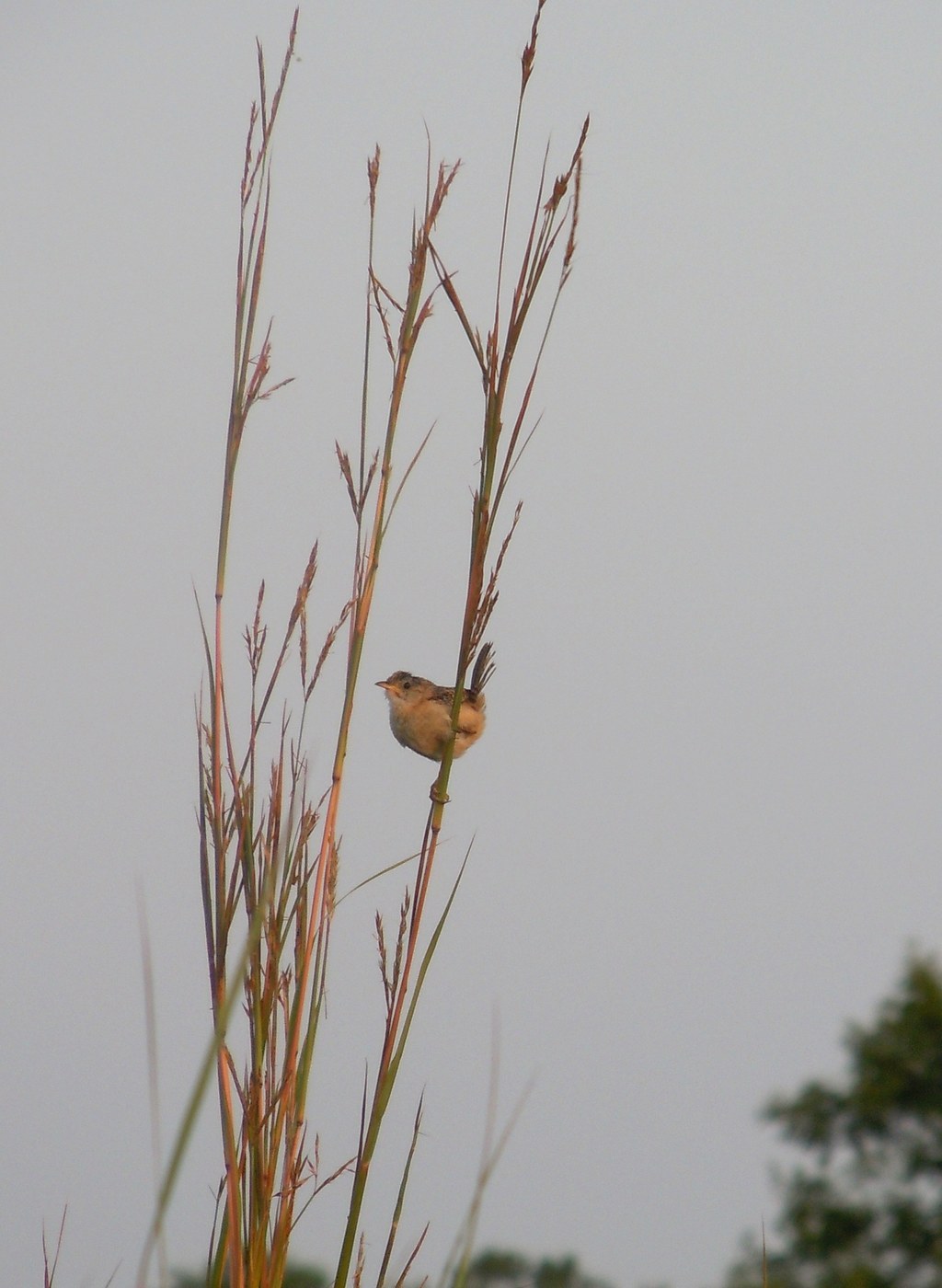
Tiny streaked crown and back feathers

Yellow-winged Cacique
Glossy black body feathers, yellow wing patch, shaggy crest

Yellow Warbler
Small contour and flight feathers
Yellow-throated Warbler
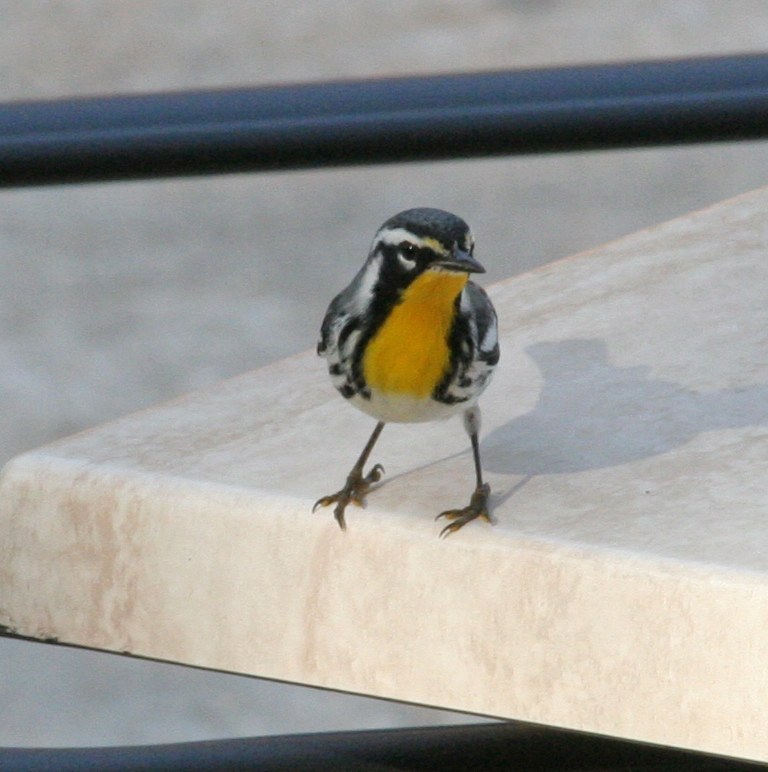
Small contour and flight feathers
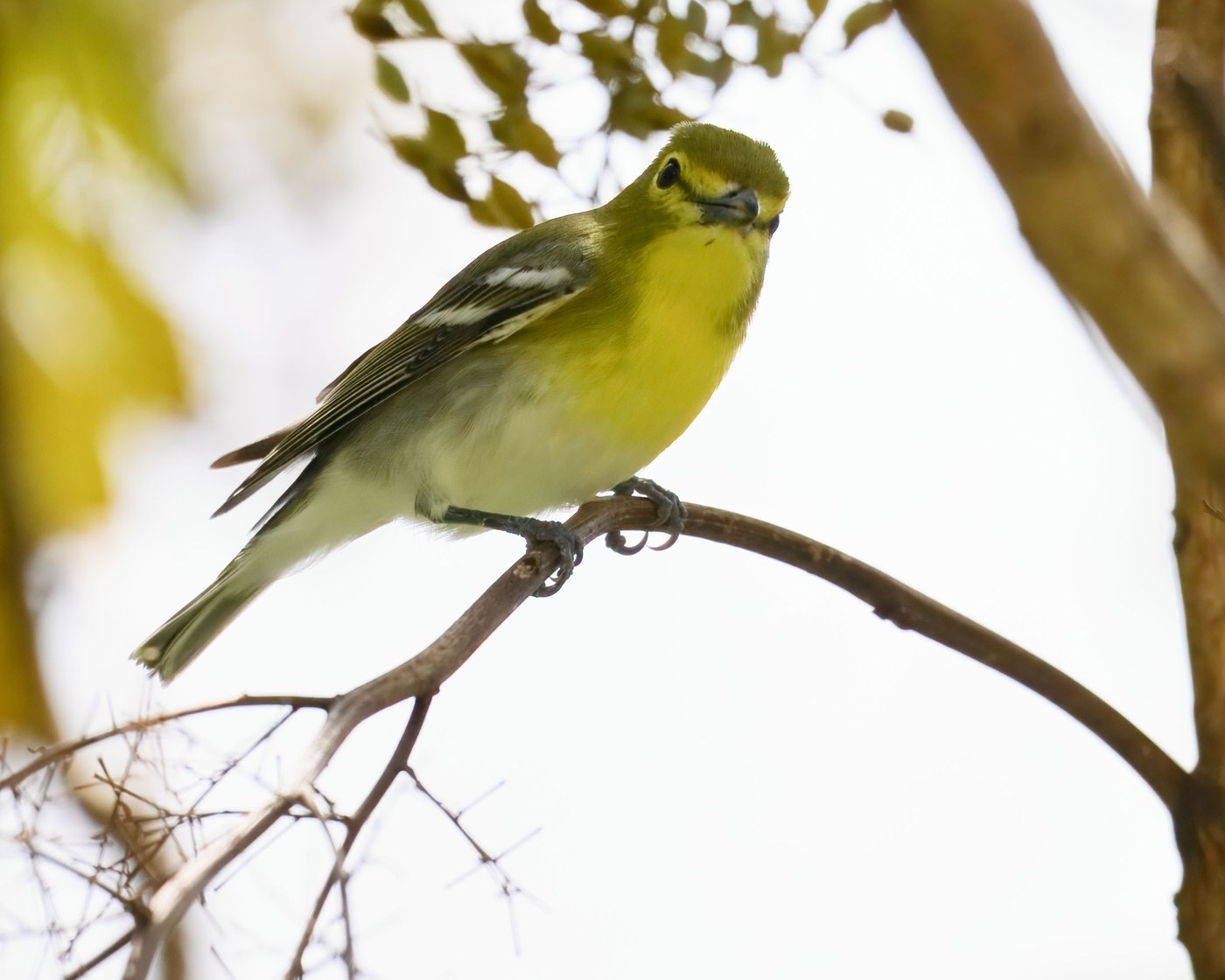
Yellow-throated Vireo
Bright yellow throat and spectacle feathers; olive-green back feathers; two white wing-bar feathers

Yellow-rumped Warbler
Small contour and flight feathers
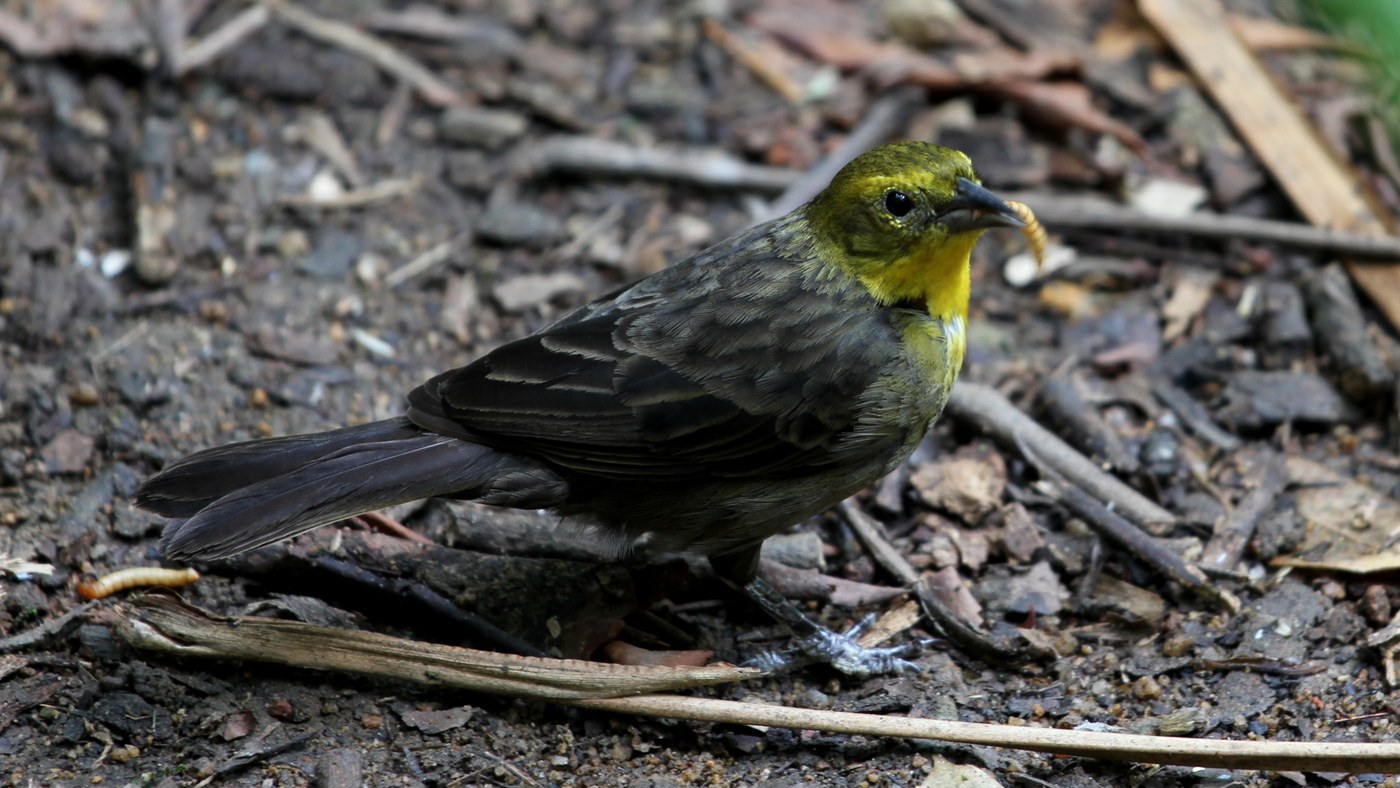
Yellow-hooded Blackbird
Contrasting hood and body feathers
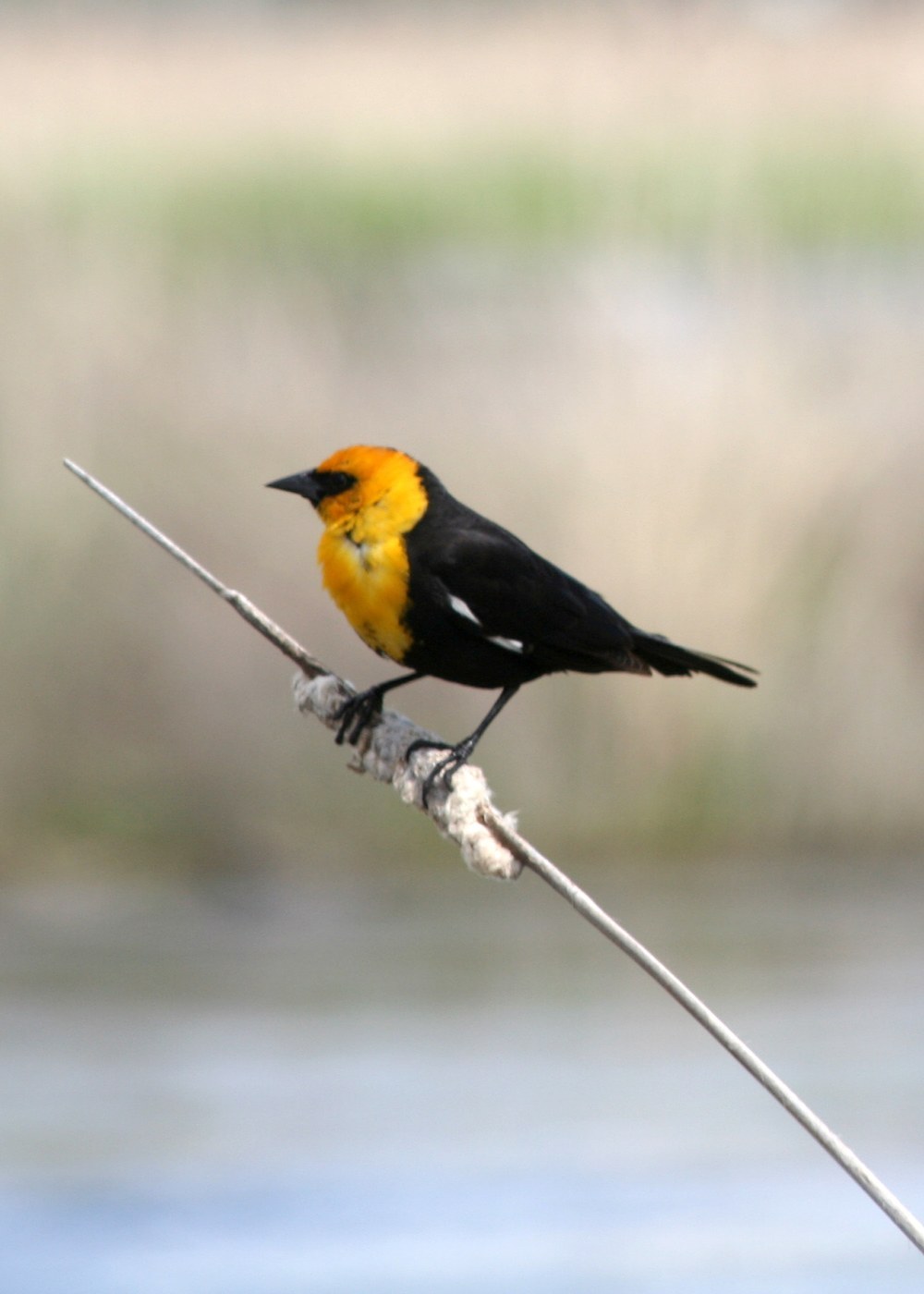
Yellow-headed Blackbird
Glossy black body plumage with a bright yellow head and breast

Yellow-eyed Junco
Contour and flight feathers

Yellow-fronted Canary
Small, smooth body plumage

Yellow-breasted Greenfinch
Compact, smooth body plumage