
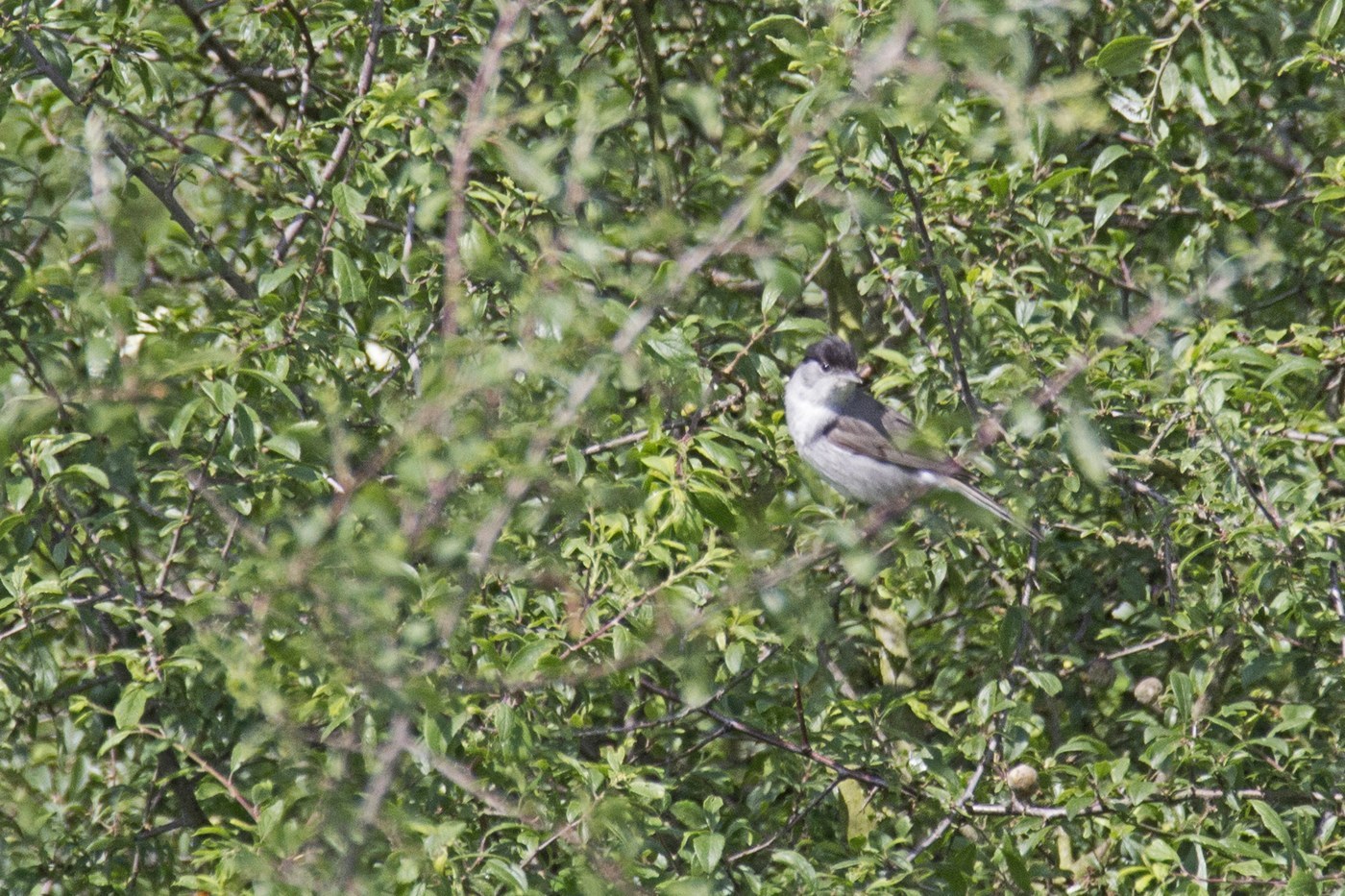
Eurasian Blackcap
Sylvia atricapilla
A plain grey-brown warbler whose crown feathers immediately reveal its sex: solid glossy black in males, warm reddish-brown in females and juveniles.
- Feather type
- Soft grey-brown body feathers; glossy black (male) or reddish-brown (female/juvenile) crown feathers
- Colours
- Grey-brown body with a glossy black cap in males and a reddish-brown cap in females and juveniles
- Bird size
- Small songbird, ~13.5 cm
Found a feather like this?
Identify any feather from a photo, free.
Overview
The Eurasian Blackcap is a common woodland warbler named for the male's neat black cap, which contrasts against otherwise unremarkable grey-brown plumage. It is a skilled singer, often rated among the finest songsters of European woodland birds.
It favors woodland with a well-developed shrub layer, along with scrub and larger gardens, and is found widely across Europe, with increasing numbers wintering in milder areas rather than migrating as far south as in the past.
A Blackcap feather is most easily identified by its crown color: a solid glossy black crown feather indicates a male, while a warm reddish-brown crown feather indicates a female or juvenile — the rest of the plumage is plain grey-brown in both.
Identifying the Feather
Crown feathers
- The single most useful identification feature: males show a solid, unmarked glossy black crown patch, while females and juveniles show a warm reddish-brown crown patch instead.
Body feathers
- Grey-brown overall, unstreaked, with slightly paler grey underparts.
Size
- Small and soft, typical of warbler-family feathers.
Confusion species
No other common European warbler shows this specific crown-color-based sex difference; a plain grey-brown warbler feather paired with either a black or reddish-brown cap feather is a strong indicator of Blackcap.
Plumage & Molt
Adult males have a glossy black cap and otherwise grey-brown plumage, while adult females and juveniles have a warm reddish-brown cap instead of black, with similarly grey-brown body plumage.
Juveniles resemble females until their first molt, after which young males begin to develop the black cap.
Blackcaps undergo a complete post-breeding molt in late summer.
Habitat & Range
Blackcaps favor woodland with dense shrub or understory layers, scrub, hedgerows, and larger gardens with good cover. They are widespread breeders across most of Europe.
Many populations are migratory, wintering in southern Europe and Africa, though a growing number of individuals, especially from central European populations, now winter further north in milder regions, including in gardens with bird feeders.
Behavior & Field Notes
Blackcaps feed on invertebrates during the breeding season and switch substantially to fruit and berries in autumn and winter. Their song is a rich, varied, fluty warble, often considered one of the most accomplished among European songbirds.
They build a cup nest low in dense shrub or bramble cover.
A plain grey-brown feather paired with either a black or reddish-brown cap feather, found in woodland with good undergrowth or in a garden with shrub cover, is characteristic of Blackcap.
Frequently asked questions
How can I tell if a Blackcap feather came from a male or female?
Crown color reveals sex: a solid glossy black crown feather is from a male, while a warm reddish-brown crown feather is from a female or juvenile.
What color is the rest of a Blackcap's plumage?
Plain grey-brown throughout the body in both sexes, with the cap being the only strongly distinguishing color feature.
Do juvenile Blackcaps look like males or females?
Juveniles resemble females, with a reddish-brown cap, until young males develop the black cap after their first molt.
Is the Blackcap a migratory species?
Many populations migrate to southern Europe and Africa for winter, though increasing numbers now winter further north in milder areas.
Where would I find a Blackcap feather?
In woodland with dense undergrowth, scrub, hedgerows, or gardens with good shrub cover.
Eurasian Blackcap guides
In-depth guides for identifying and understanding Eurasian Blackcap.
Other feathers you may enjoy

Yellow-breasted Bunting
Contour and flight feathers, chestnut-and-yellow breeding pattern
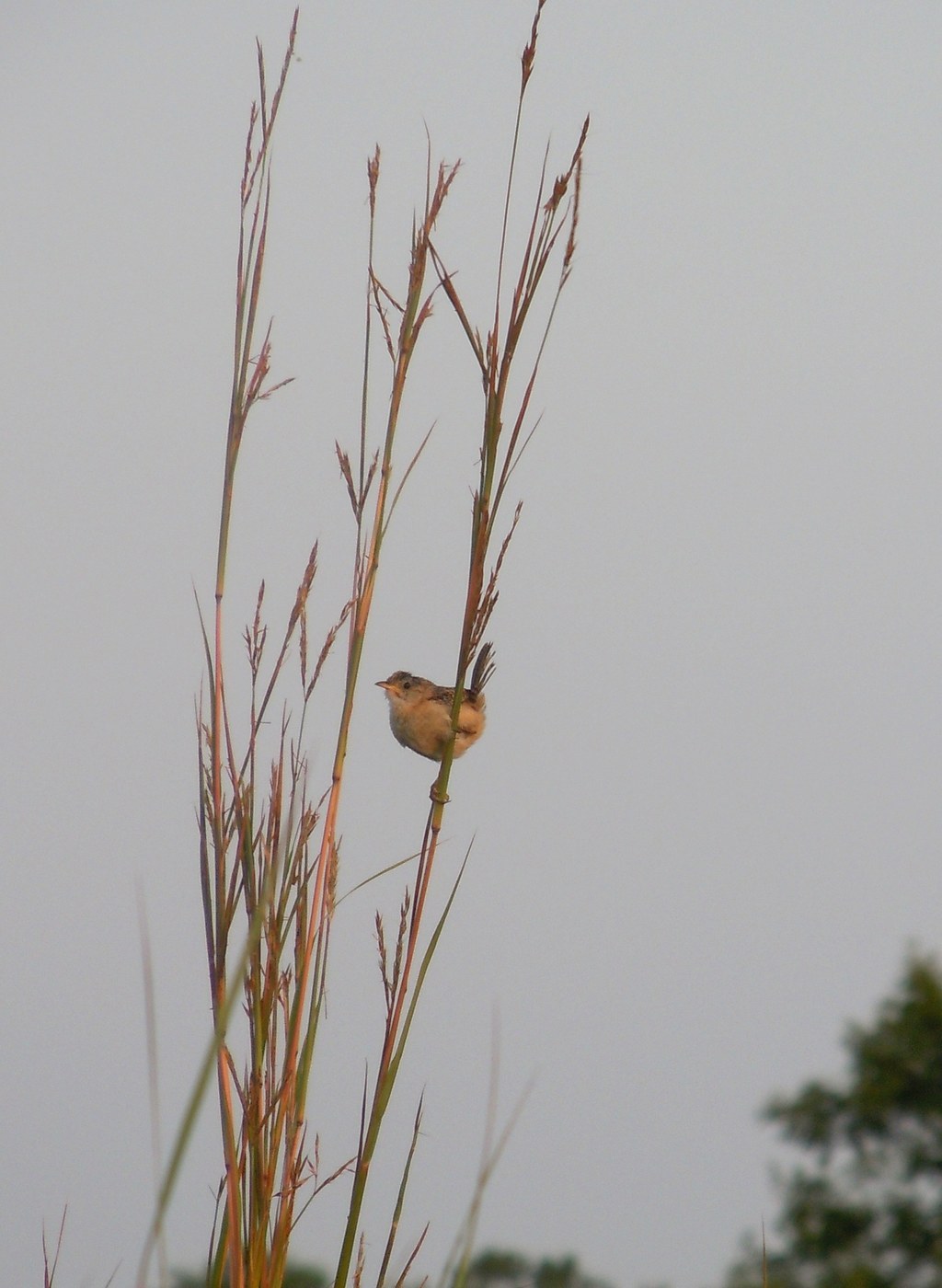
Sedge Wren
Tiny streaked crown and back feathers

Yellow-winged Cacique
Glossy black body feathers, yellow wing patch, shaggy crest

Yellow Warbler
Small contour and flight feathers
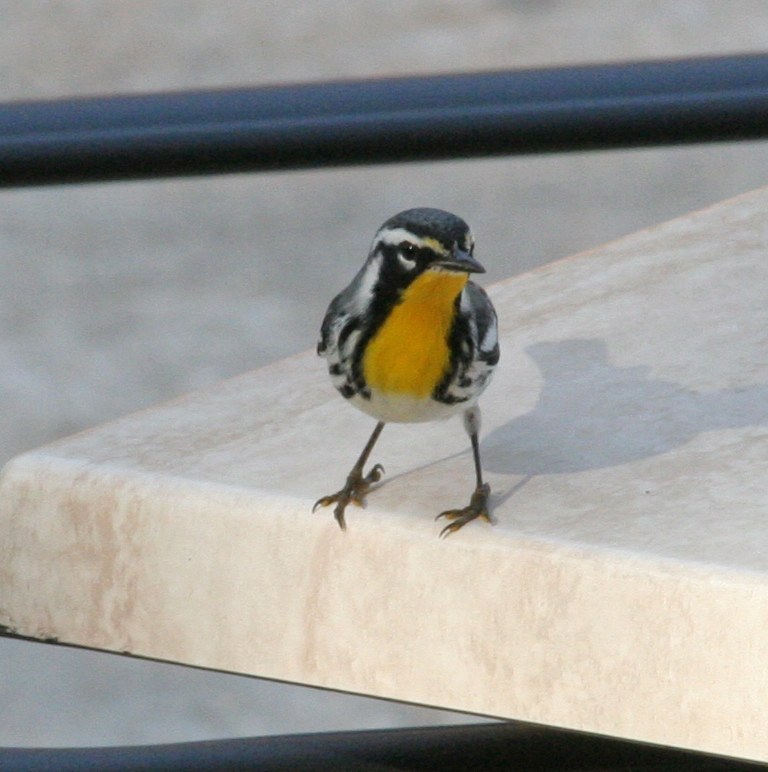
Yellow-throated Warbler
Small contour and flight feathers
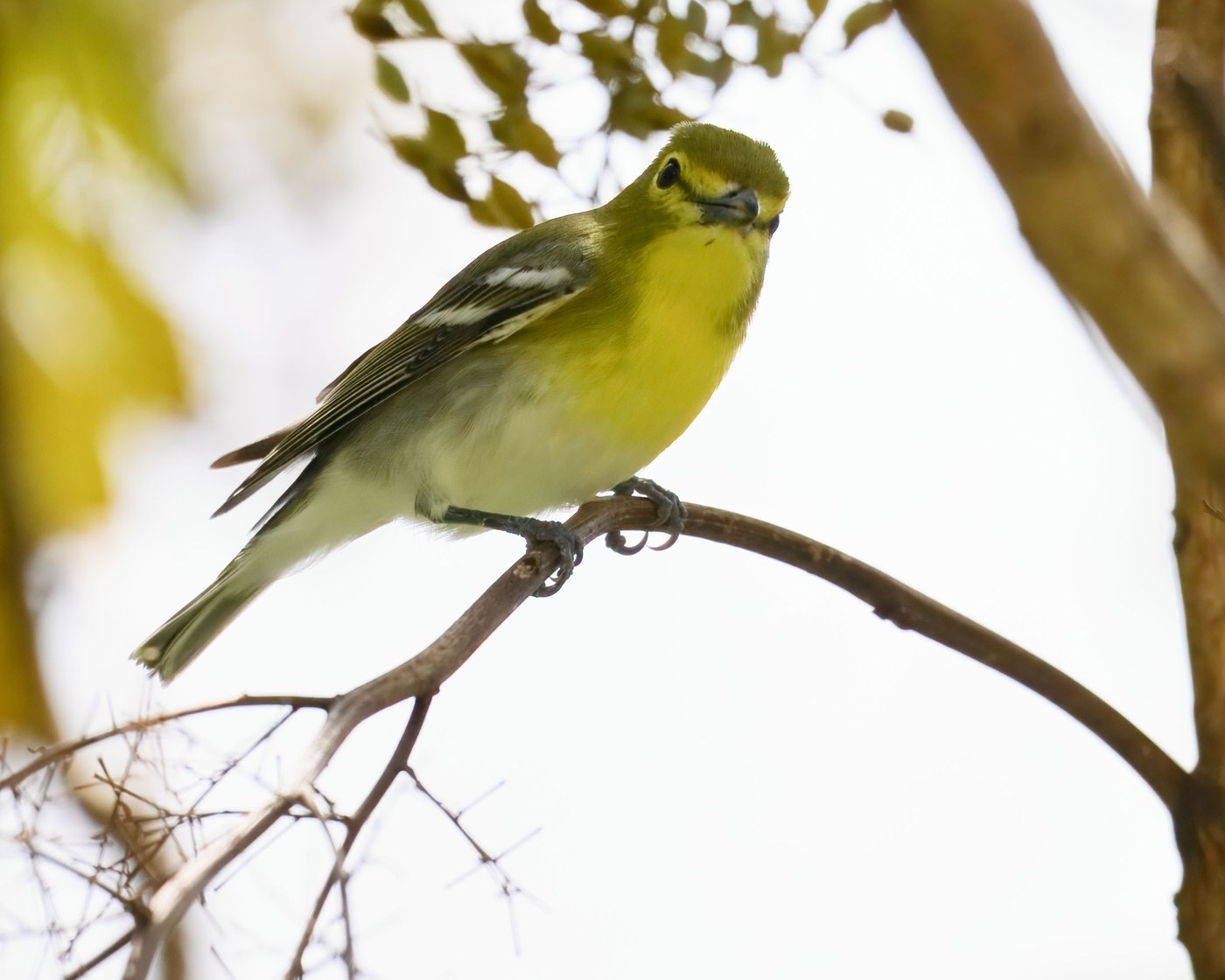
Yellow-throated Vireo
Bright yellow throat and spectacle feathers; olive-green back feathers; two white wing-bar feathers

Yellow-rumped Warbler
Small contour and flight feathers
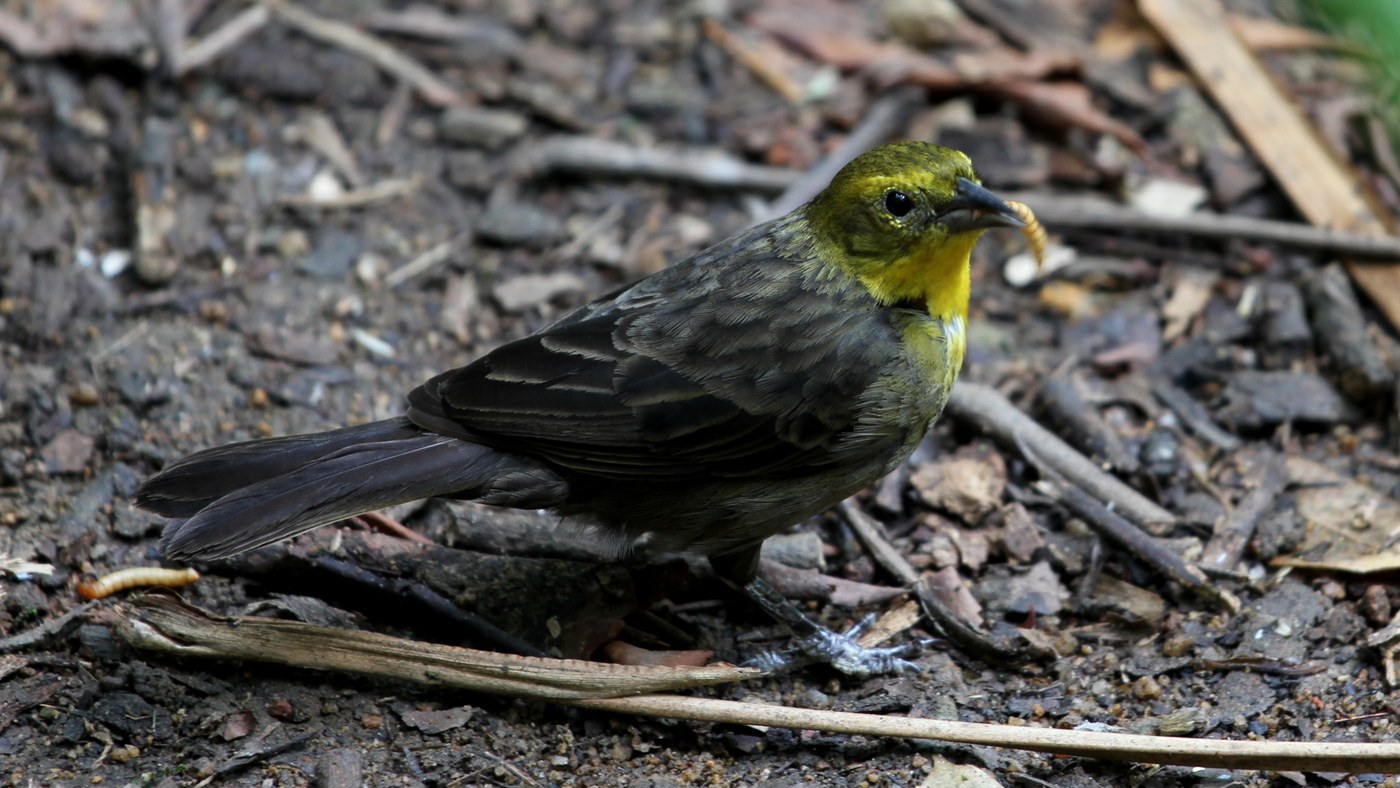
Yellow-hooded Blackbird
Contrasting hood and body feathers
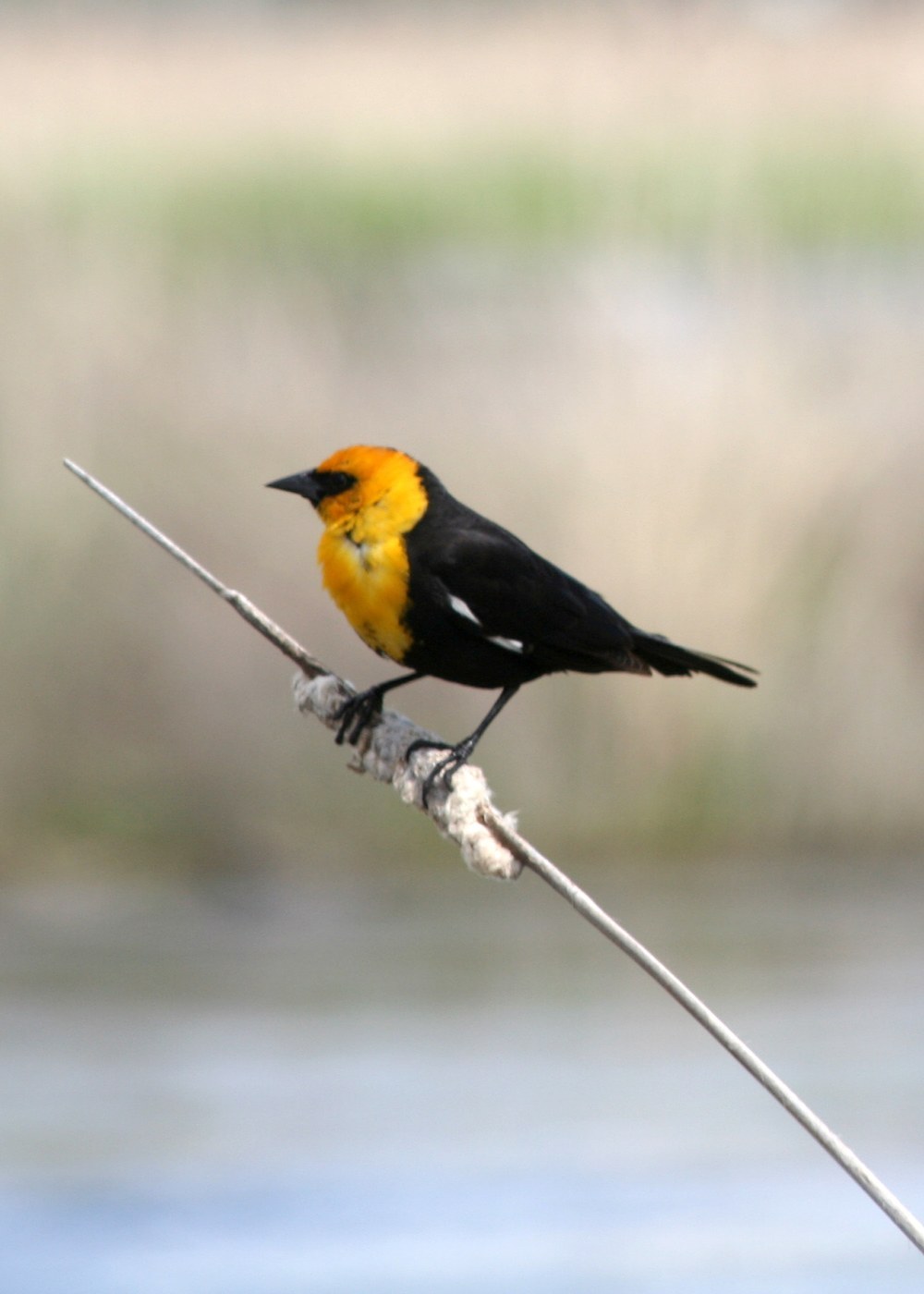
Yellow-headed Blackbird
Glossy black body plumage with a bright yellow head and breast

Yellow-eyed Junco
Contour and flight feathers

Yellow-fronted Canary
Small, smooth body plumage

Yellow-breasted Greenfinch
Compact, smooth body plumage