

Dusky-headed Conure
Aratinga weddellii
A slender green Amazonian parakeet distinguished by its dusky grey-brown head and pale bare eye-ring.
- Feather type
- Medium contour and long, graduated tail feathers
- Colours
- Green body with a grey-brown head and pale eye-ring
- Bird size
- Medium, ~27 cm
Found a feather like this?
Identify any feather from a photo, free.
Overview
Overview
The Dusky-headed Conure is a slender, mostly green Amazonian parakeet set apart by its muted grey-brown head, a contrast to the brighter head colors of many related conures. It is a common species along rivers and forest edges in the western Amazon basin.
- Slim body with a long, graduated tail typical of Aratinga conures
- Head color noticeably duller than the bright green body
- Frequently found in noisy, active flocks
Identifying the Feather
Feather Identification
Dusky-headed Conure feathers combine a mostly green body with distinctly muted head feathering.
- Head feathers: grey-brown to dusky olive, lacking the bright colors seen in many related conures
- Body feathers: bright green overall, providing strong contrast against the dull head
- Eye region: a pale, bare white eye-ring stands out against the darker head feathering
- Tail feathers: long and green, tapering to a point, consistent with other Aratinga conures
- Compared to similar species: most other Amazonian conures show green or brightly colored heads, so the muted grey-brown head combined with the pale eye-ring is the clearest way to identify this species
Plumage & Molt
Plumage Notes
Sexes look alike, both showing the same dusky head and green body pattern. Juveniles are similar to adults but may show a slightly less defined head color and a duller eye-ring.
- No marked sexual dimorphism in plumage
- Juvenile plumage closely resembles that of adults with subtle differences
- Molt is gradual, without pronounced seasonal variation
Habitat & Range
Habitat & Range
Found throughout the western Amazon basin, including parts of Peru, Ecuador, Colombia, Bolivia, and Brazil.
- Favors river-edge forest, floodplain vegetation, and forest edge habitats
- Non-migratory, though it may move locally in response to food availability
- Common and widespread within its range along major Amazonian rivers
Behavior & Field Notes
Behavior & Field Notes
Dusky-headed Conures are social and vocal, often seen in flocks moving between feeding sites along rivers and forest edges.
- Diet: fruits, seeds, and flowers gathered from trees and shrubs
- Nesting: nests in tree cavities, including arboreal termite nests in some areas
- Voice: harsh, chattering calls typically given in flight or while perched in groups
- Field notes: the dull grey-brown head combined with an otherwise typical green conure body is often the quickest clue to identification among mixed parrot flocks
Frequently asked questions
What feather feature identifies the Dusky-headed Conure?
A grey-brown, dusky head contrasting with an otherwise bright green body, along with a pale bare eye-ring, is the key identifying feature.
Is the Dusky-headed Conure closely related to other Amazon conures?
It belongs to the genus *Aratinga*, sharing the long, graduated tail typical of that group of conures.
Where does this species live?
It is found in the western Amazon basin, particularly along rivers and forest edges in Peru, Ecuador, Colombia, Bolivia, and Brazil.
Do males and females look different?
No, both sexes share the same dusky head and green body plumage.
Dusky-headed Conure guides
In-depth guides for identifying and understanding Dusky-headed Conure.

Other feathers you may enjoy
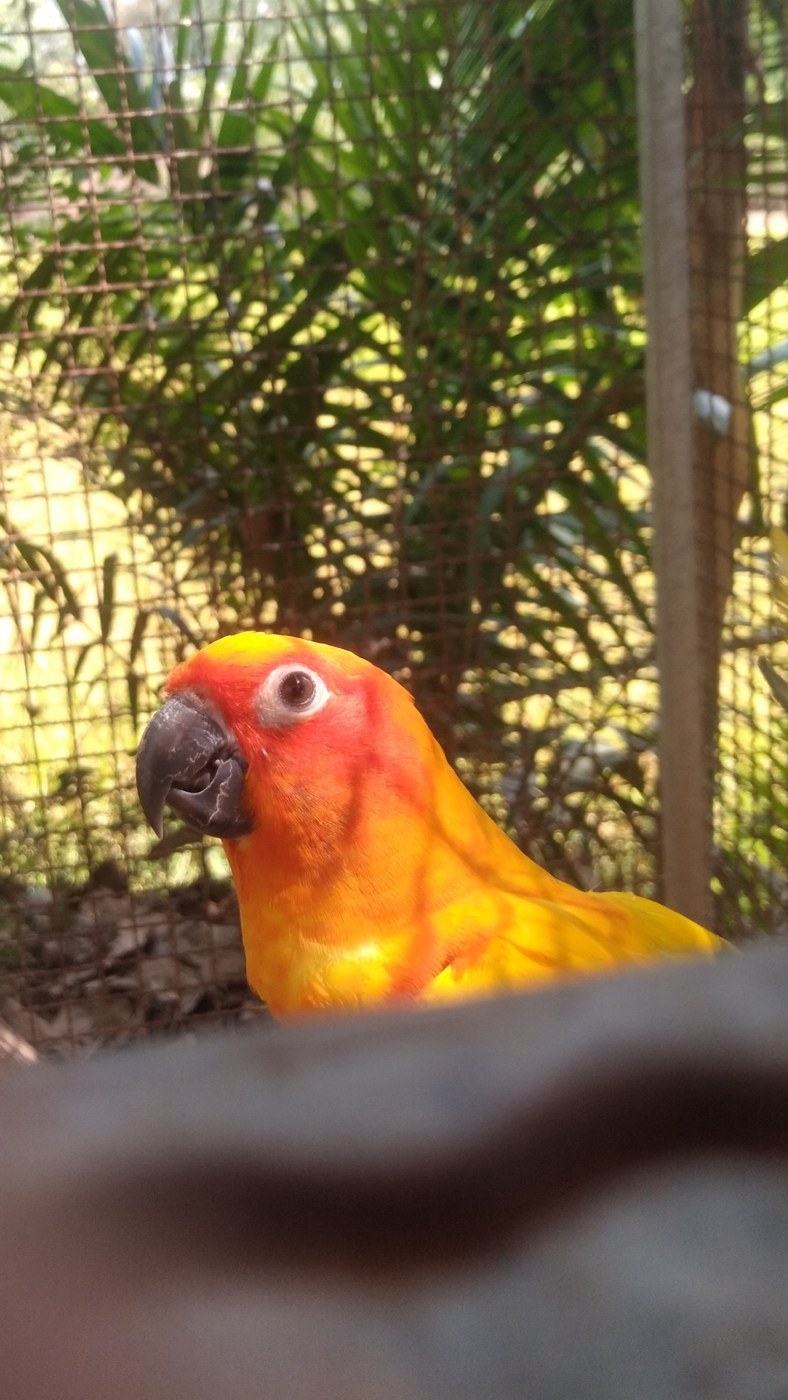
Sun Parakeet
Bright, dense body contour feathers; medium pointed tail feathers

Yellow-naped Amazon
Broad rounded contour feathers with sturdy flight feathers
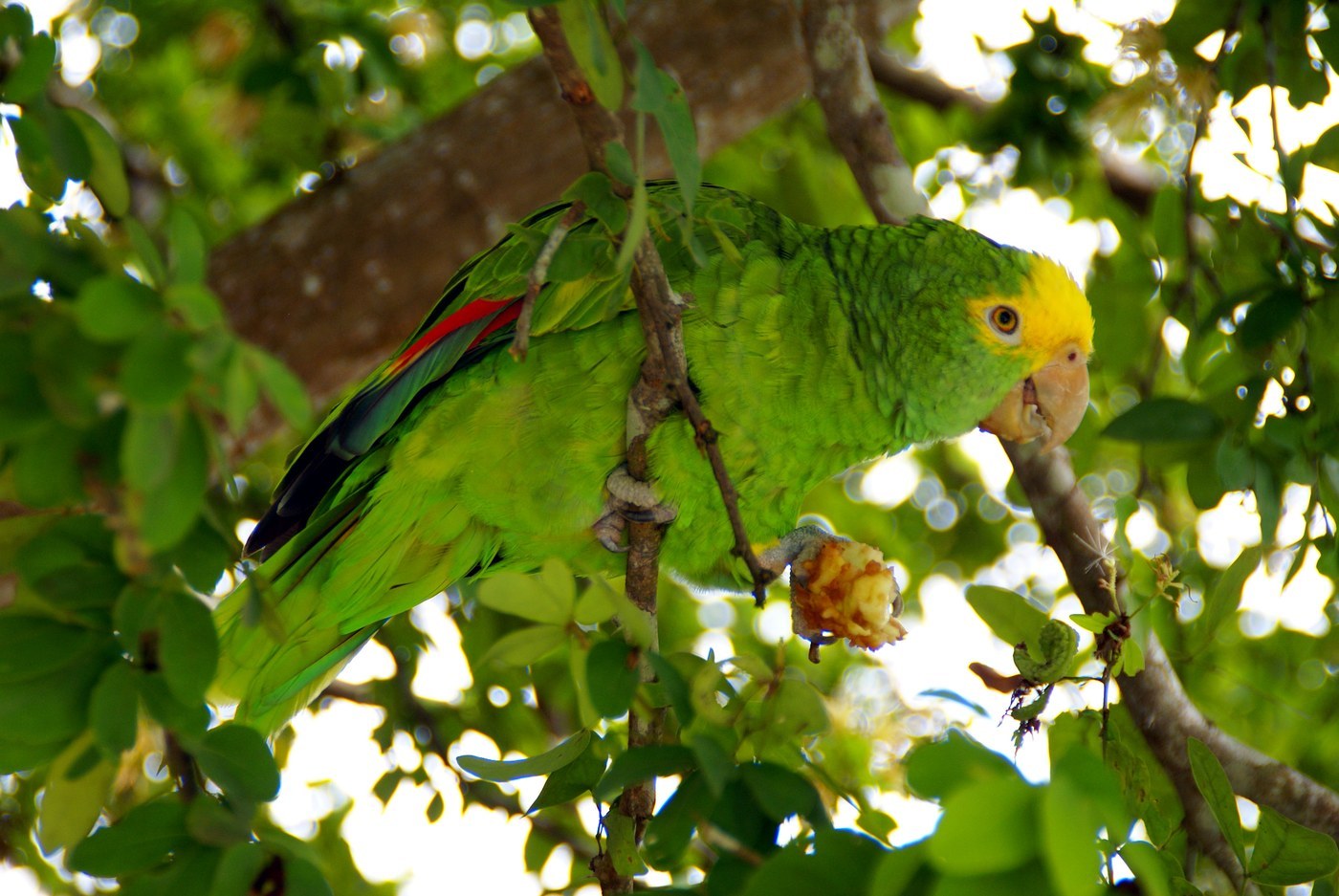
Yellow-headed Amazon
Dense, rounded body contour feathers; broad flight feathers
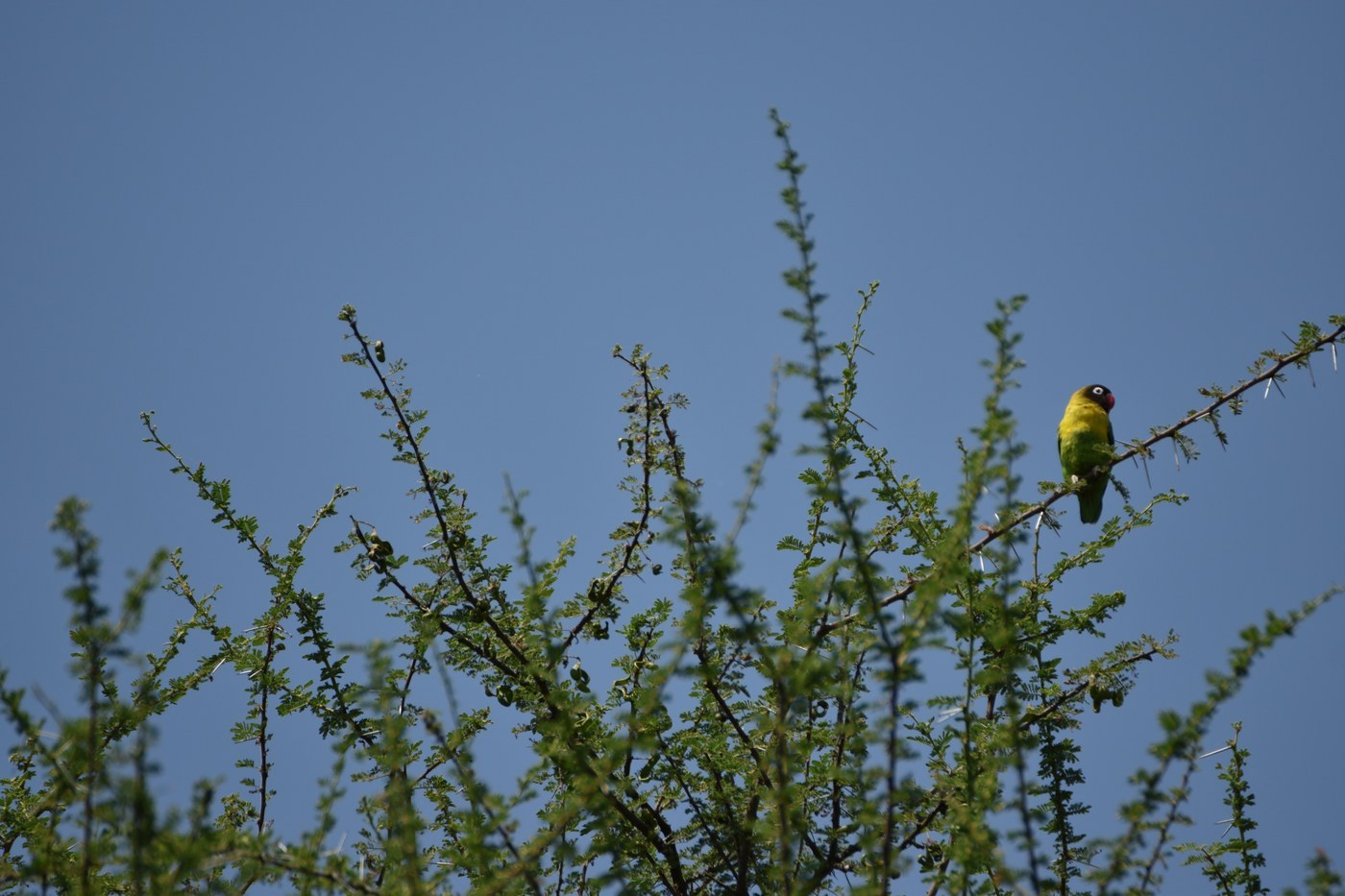
Yellow-collared Lovebird
Small compact flight feathers, short rounded tail

White-eyed Conure
Medium contour and long, graduated tail feathers

Yellow-tailed Black Cockatoo
Large, sturdy contour and flight feathers; short crest

Scarlet-chested Parrot
Small contour and flight feathers

Timneh Parrot
Broad flight feathers, scalloped body feathers with pale edges
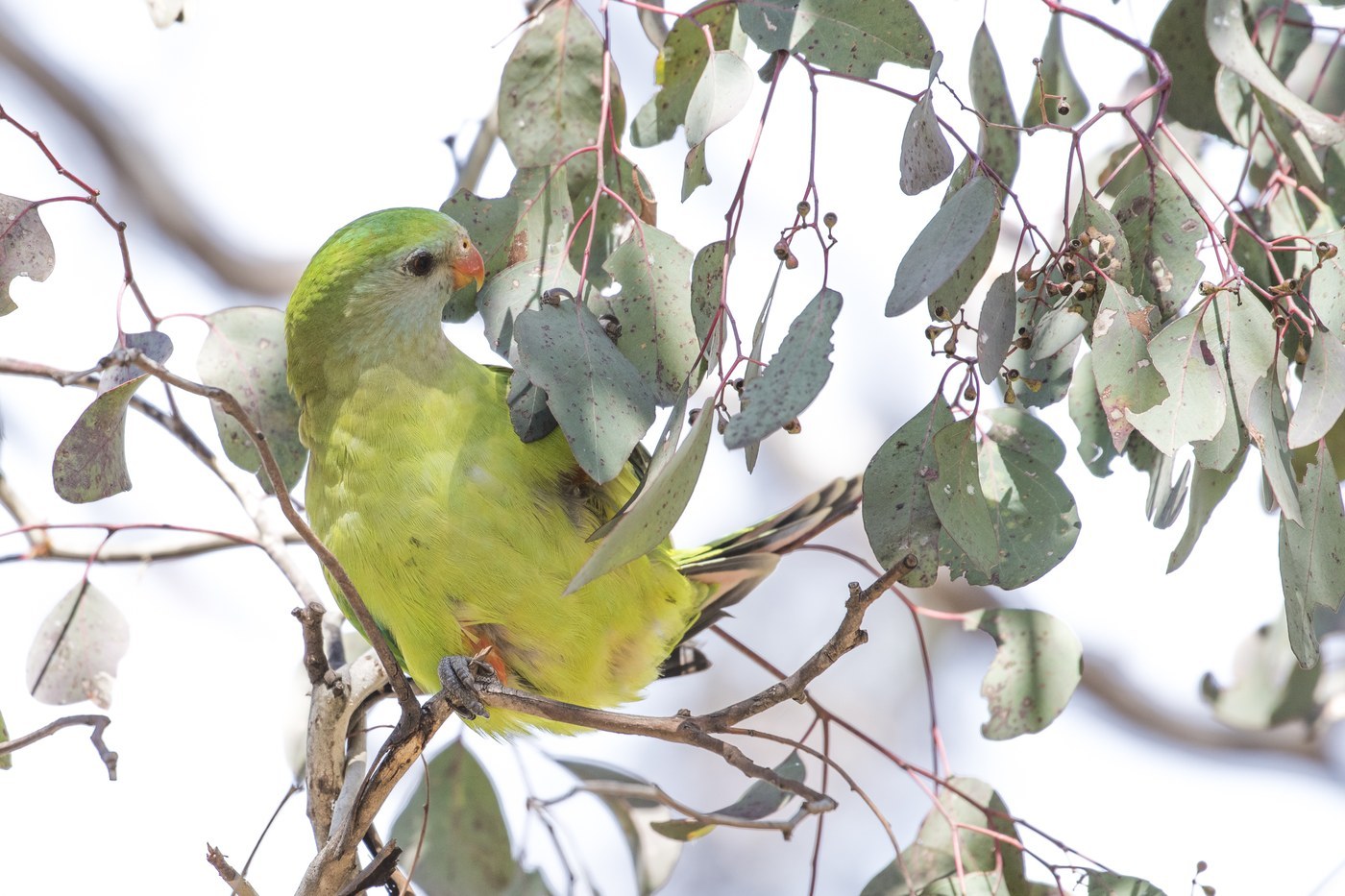
Superb Parrot
Sleek contour feathers with a long tapering tail

Red-shouldered Macaw
Compact body contour feathers; medium flight and tail feathers
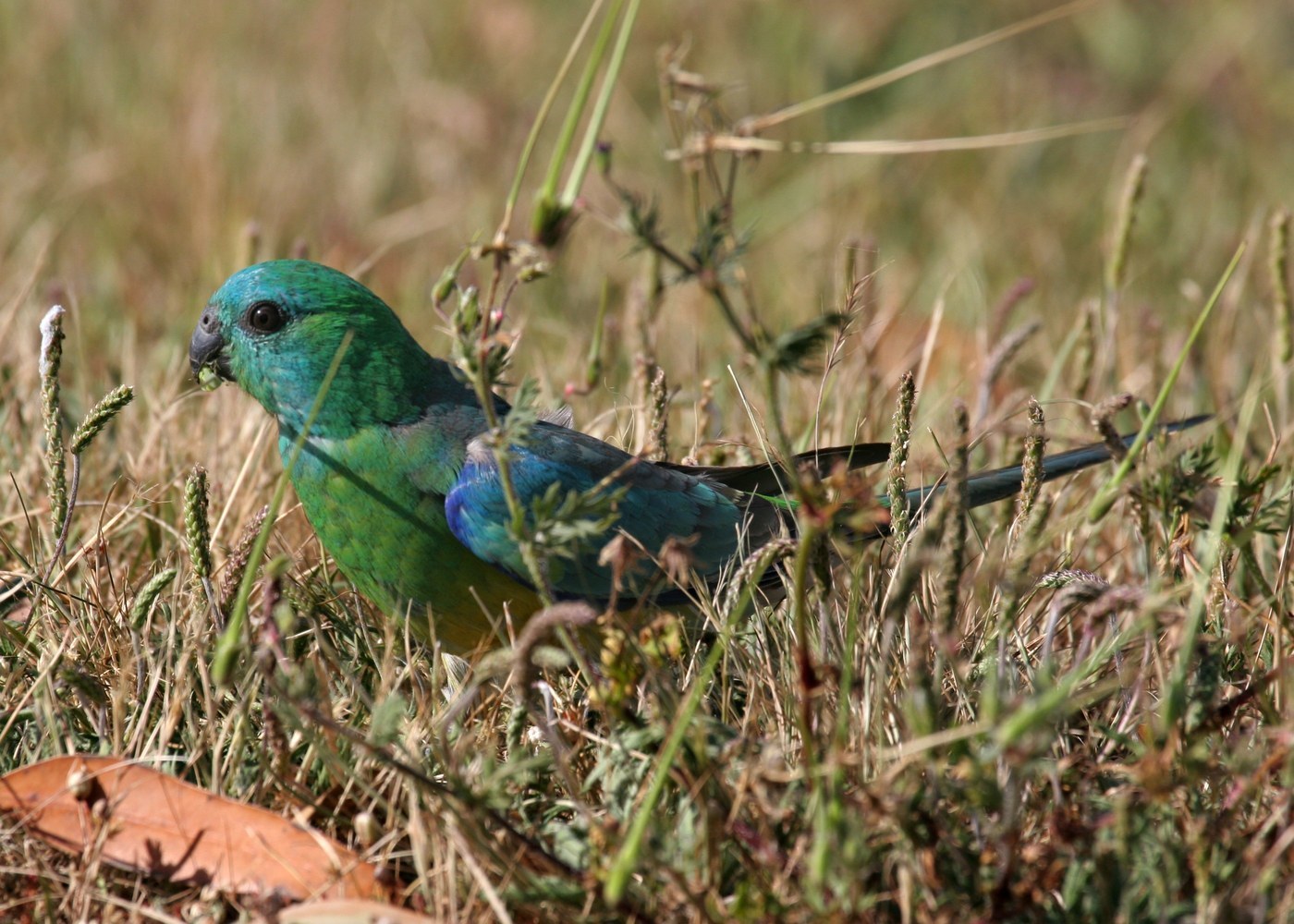
Red-rumped Parrot
Sleek contour feathers with a bright rump patch in males

White-capped Pionus
Compact contour feathers and short, squared tail feathers