

Crimson Rosella
Platycercus elegans
The Crimson Rosella is a richly colored Australian parrot, deep red overall with contrasting blue cheeks, wings, and tail, and a black-scalloped back.
- Feather type
- Broad contour feathers with black-scalloped edging on the back
- Colours
- Deep crimson-red body plumage with blue cheeks, wings, and tail, and black-scalloped back feathers
- Bird size
- Medium-large, ~36 cm
Found a feather like this?
Identify any feather from a photo, free.
Overview
Overview
The Crimson Rosella is found in forests, woodlands, and parks across southeastern Australia, often in cooler, wetter forest types than some other rosellas. It is notable for retaining a green juvenile plumage phase before molting into the deep red adult coloring.
- Long, graduated tail typical of rosellas
- Blue cheek patch rather than white
- Juveniles show a markedly different green-and-red plumage
Identifying the Feather
Feather Identification
Adult body feathers are a deep crimson red across the head, neck, and underparts, with blue on the cheeks, wing coverts, flight feathers, and tail. Back feathers are black, broadly edged in red, giving a scalloped pattern similar in structure to the Eastern Rosella but in red-and-black rather than yellow-green-and-black.
- Flight feathers: Blue primaries and secondaries
- Tail feathers: Long, blue, and graduated
- Cheek patch: Blue, not white, separating it from the Eastern Rosella
The deep crimson body combined with blue (rather than white) cheeks is the clearest way to identify adult feathers of this species; juveniles present a very different mostly-green plumage that gradually converts to red with successive molts.
Plumage & Molt
Sexes look alike in adult plumage. Juveniles are strikingly different, showing mostly green body plumage with patches of red beginning to appear, and this green-to-red transition continues over one to several molts before full adult crimson coloring is reached. This extended immature plumage phase is unusual among rosellas.
Habitat & Range
This species favors wetter forest types, including eucalypt forest, woodland, and adjacent parks and gardens, across southeastern Australia. It is largely resident, with some altitudinal movement in mountainous parts of its range during colder months.
Behavior & Field Notes
Crimson Rosellas forage both on the ground and in trees for seeds, fruit, and blossoms. They nest in tree hollows, with the female incubating and both parents feeding the young. Calls include a distinctive ringing, bell-like whistle as well as more chattering contact notes, often heard from pairs moving through forest canopy.
Frequently asked questions
How can you tell adult Crimson Rosella feathers from Eastern Rosella feathers?
The Crimson Rosella shows blue cheeks and a deep crimson-red body, while the Eastern Rosella has a white cheek patch and a yellow-green, black-scalloped back.
Why might a rosella feather look green rather than red?
Juvenile Crimson Rosellas show mostly green plumage that gradually converts to the deep red adult coloring over one or more molts, so a green feather could belong to an immature bird.
What color are the cheeks in this species?
Blue, which distinguishes it from rosella species with white cheek patches.
What habitat does this species typically favor?
Wetter forest types, including eucalypt forest and woodland, along with adjacent parks and gardens in southeastern Australia.
Crimson Rosella guides
In-depth guides for identifying and understanding Crimson Rosella.

Other feathers you may enjoy
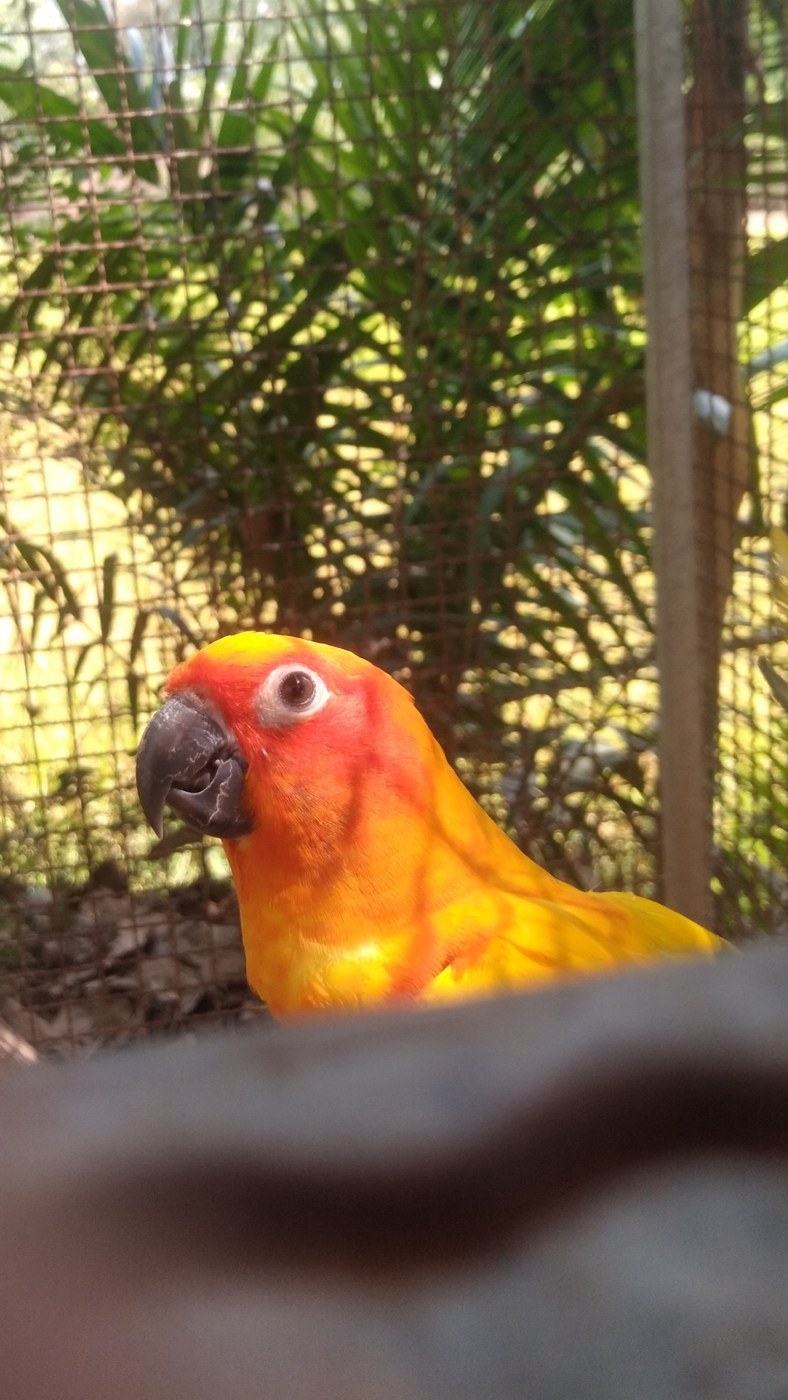
Sun Parakeet
Bright, dense body contour feathers; medium pointed tail feathers

Yellow-naped Amazon
Broad rounded contour feathers with sturdy flight feathers
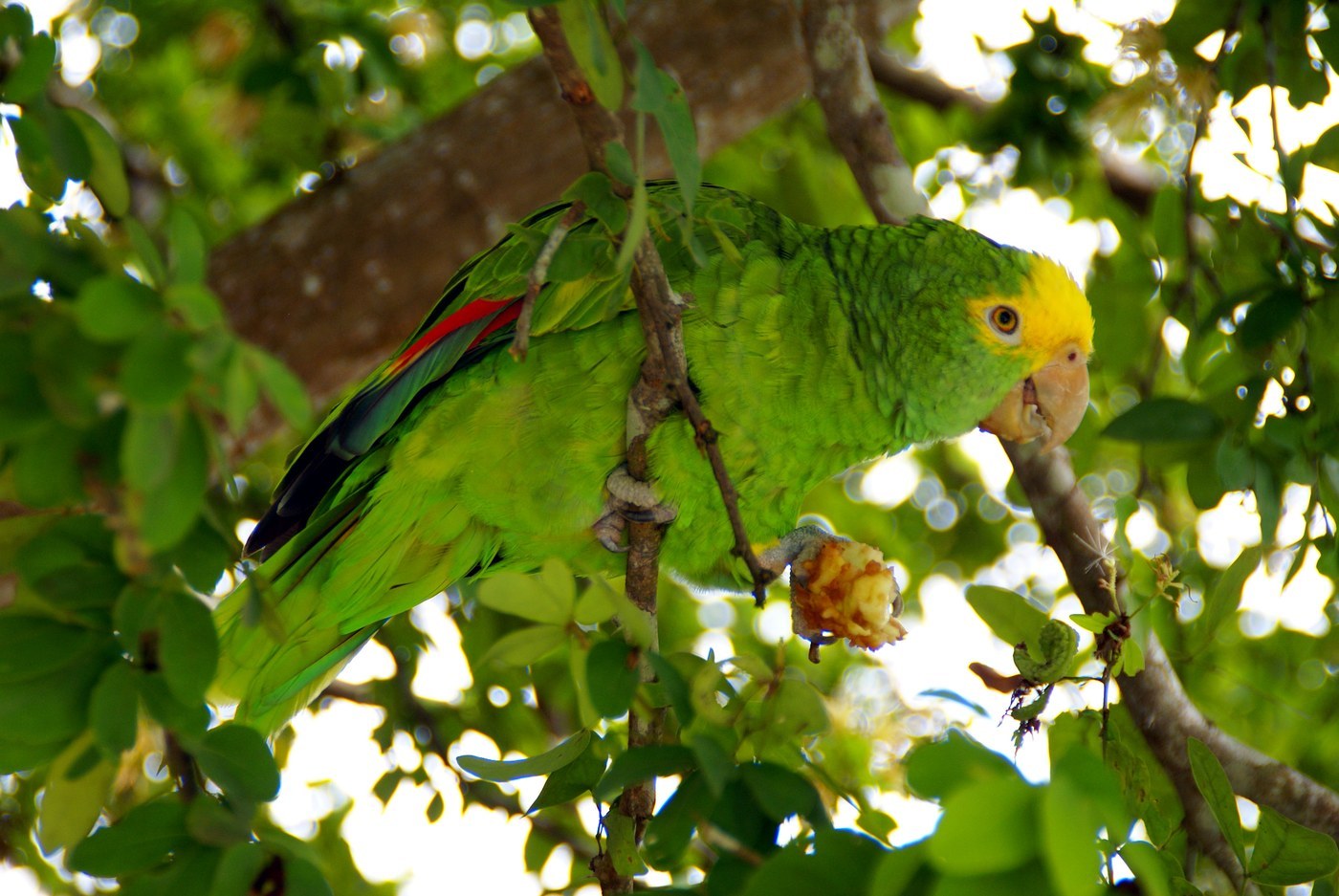
Yellow-headed Amazon
Dense, rounded body contour feathers; broad flight feathers
Yellow-collared Lovebird
Small compact flight feathers, short rounded tail

White-eyed Conure
Medium contour and long, graduated tail feathers

Yellow-tailed Black Cockatoo
Large, sturdy contour and flight feathers; short crest

Scarlet-chested Parrot
Small contour and flight feathers

Timneh Parrot
Broad flight feathers, scalloped body feathers with pale edges
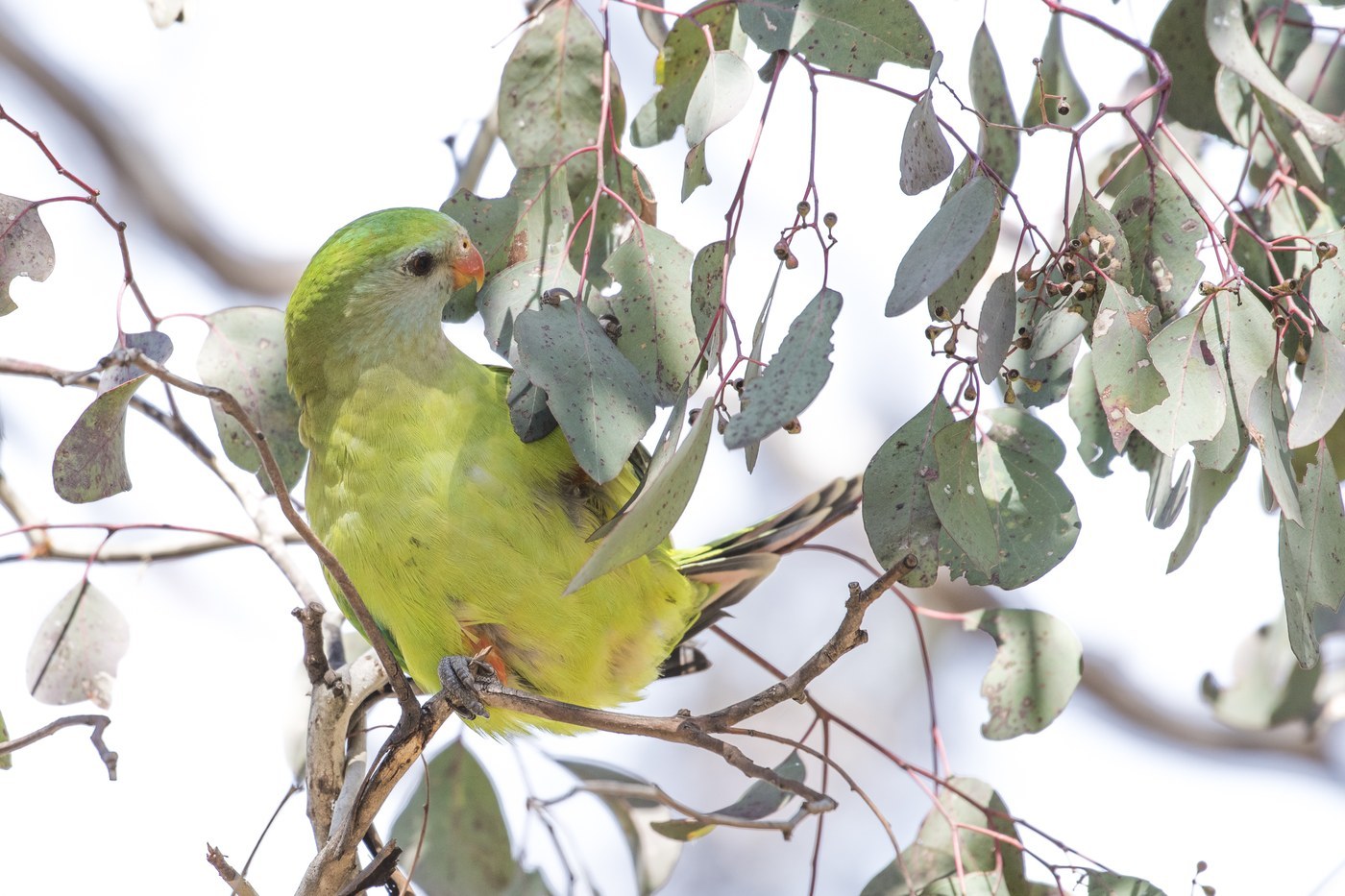
Superb Parrot
Sleek contour feathers with a long tapering tail

Red-shouldered Macaw
Compact body contour feathers; medium flight and tail feathers
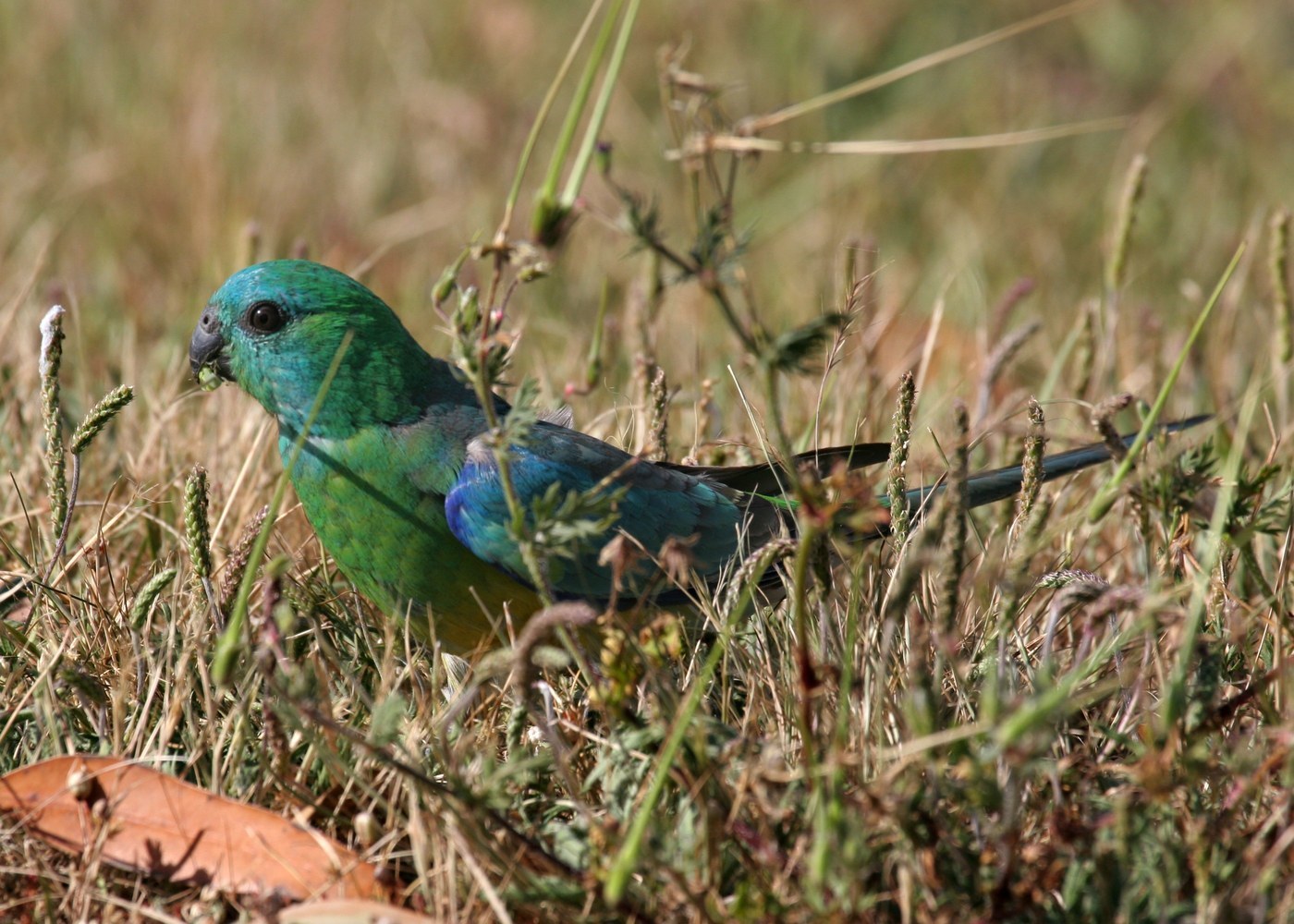
Red-rumped Parrot
Sleek contour feathers with a bright rump patch in males

White-capped Pionus
Compact contour feathers and short, squared tail feathers