

Crimson-collared Grosbeak
Rhodothraupis celaeno
A striking forest songbird of Mexico and Central America, the male Crimson-collared Grosbeak is mostly black with a bold crimson-red collar, breast, and rump.
- Feather type
- Dense contour feathers forming a bold collar and underparts patch
- Colours
- Black overall with a crimson-red collar, breast, and rump in males; olive-green with yellow-orange collar in females
- Bird size
- ~20 cm
Found a feather like this?
Identify any feather from a photo, free.
Overview
The Crimson-collared Grosbeak is a distinctive forest songbird found in humid woodland and dense undergrowth from eastern Mexico into parts of Central America. Males show a dramatic combination of glossy black plumage broken by a broad crimson-red collar across the neck, extending onto the breast and rump, one of the more striking plumage patterns among Central American grosbeaks. Females present an entirely different but equally attractive pattern, olive-green overall with a yellow-orange collar and underparts replacing the male's crimson and black.
Identifying the Feather
Adult male feathers are predominantly glossy black on the head, back, wings, and tail, broken by a broad band of crimson-red feathers forming a collar around the neck that extends down onto the breast and rump. The contrast between the black and crimson areas is sharp and well defined, without gradual blending. Females show olive-green body feathers with a corresponding band of yellow-orange across the neck and underparts, mirroring the male's pattern in position but entirely different in color, making the species easy to sex even at a glance once the collar is visible.
Plumage & Molt
Adult males retain their black-and-crimson pattern year-round, with the crimson areas potentially appearing richer when feathers are fresh after molt. Adult females maintain the olive-and-yellow-orange pattern consistently through the year. Immatures generally resemble females, with young males gradually acquiring the black-and-crimson adult pattern through subsequent molts.
Habitat & Range
Crimson-collared Grosbeaks inhabit humid forest understory, edge, and dense thickets from eastern Mexico (including the lower Rio Grande valley of Texas as a rare visitor) south into parts of Central America. The species is generally resident within this range, favoring shaded, humid habitats over open country.
Behavior & Field Notes
This species forages within dense understory and forest edge for seeds, fruit, and invertebrates, often remaining somewhat secretive within thick cover. The song is a rich, warbling series of notes typical of grosbeaks, often given from a concealed perch. Nests are cup-shaped, built within dense vegetation for cover. The bold collar pattern of both sexes, though different in color, makes for a memorable identification once the bird is seen well despite its tendency to stay within dense habitat.
Frequently asked questions
What is distinctive about male Crimson-collared Grosbeak feathers?
A broad crimson-red collar crossing the neck and extending onto the breast and rump, sharply contrasting with otherwise glossy black plumage.
How do female Crimson-collared Grosbeaks differ from males?
Females are olive-green overall with a yellow-orange collar and underparts in the same position as the male's crimson collar, but in a completely different color.
Where does the Crimson-collared Grosbeak live?
It inhabits humid forest understory and thickets from eastern Mexico into parts of Central America, occasionally straying into southern Texas.
Is the Crimson-collared Grosbeak easy to spot?
It tends to stay within dense cover and can be secretive, though its bold collar pattern makes it memorable when seen well.
Crimson-collared Grosbeak guides
In-depth guides for identifying and understanding Crimson-collared Grosbeak.

Other feathers you may enjoy

Yellow-breasted Bunting
Contour and flight feathers, chestnut-and-yellow breeding pattern
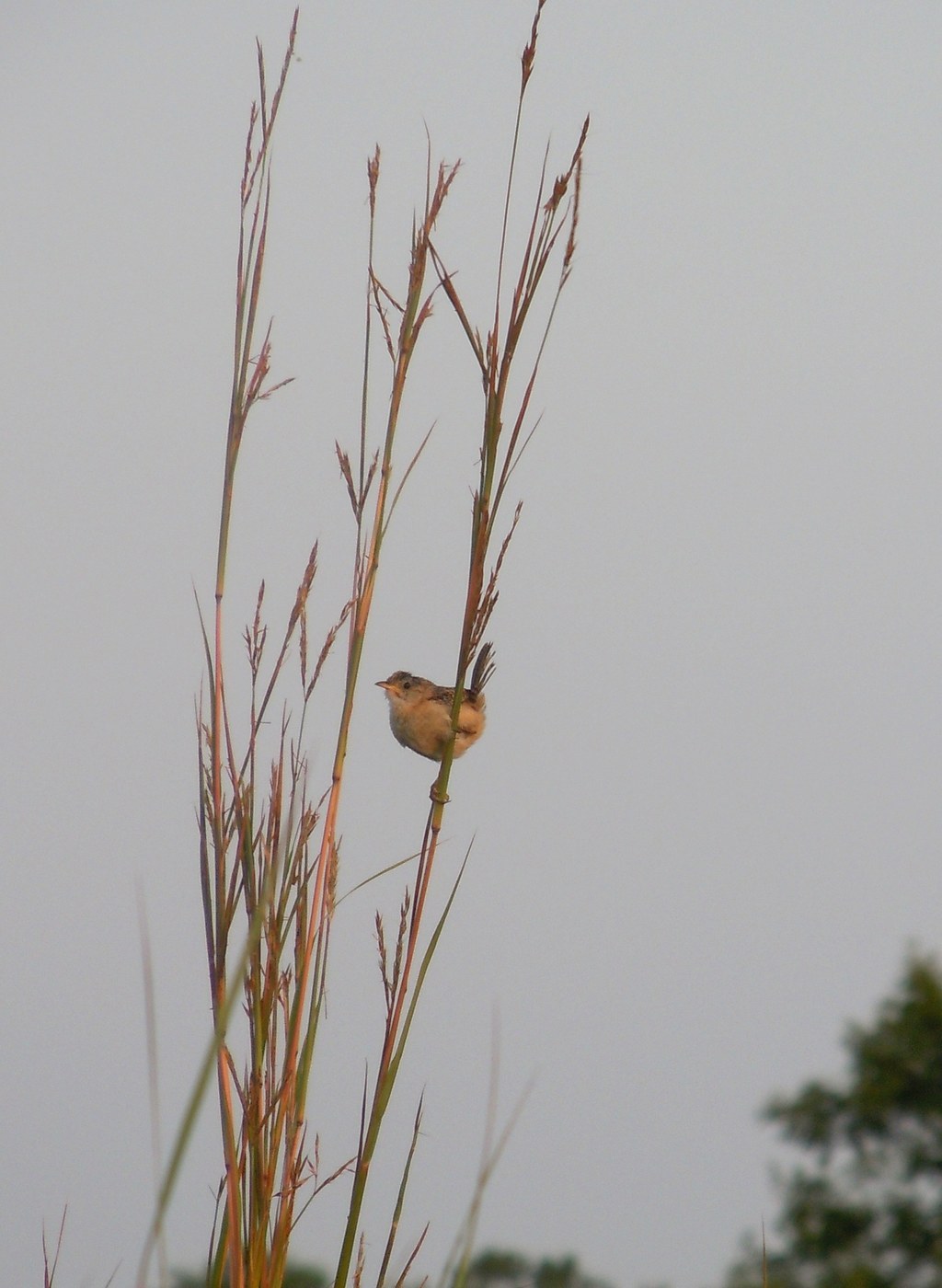
Sedge Wren
Tiny streaked crown and back feathers

Yellow-winged Cacique
Glossy black body feathers, yellow wing patch, shaggy crest

Yellow Warbler
Small contour and flight feathers
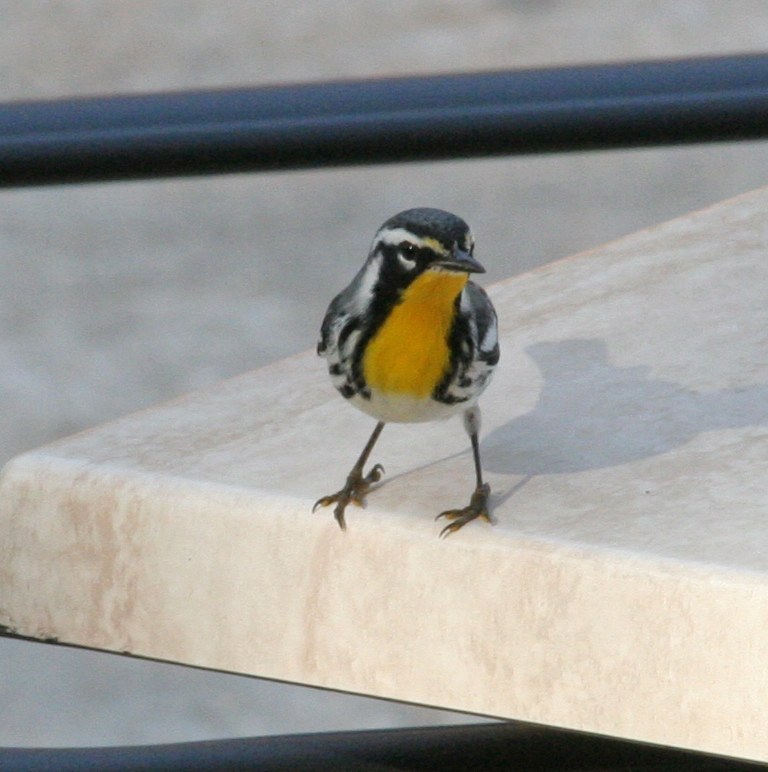
Yellow-throated Warbler
Small contour and flight feathers
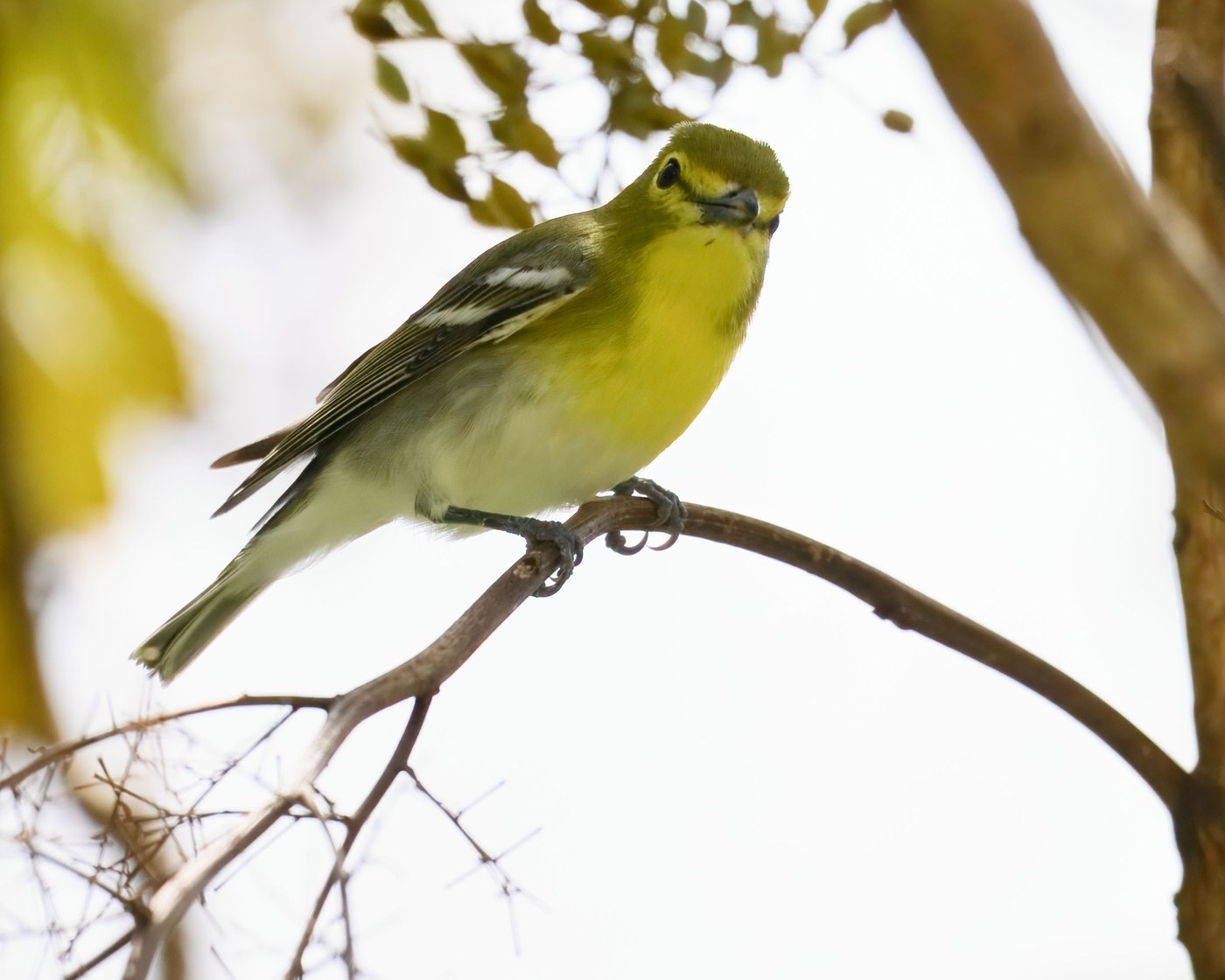
Yellow-throated Vireo
Bright yellow throat and spectacle feathers; olive-green back feathers; two white wing-bar feathers

Yellow-rumped Warbler
Small contour and flight feathers
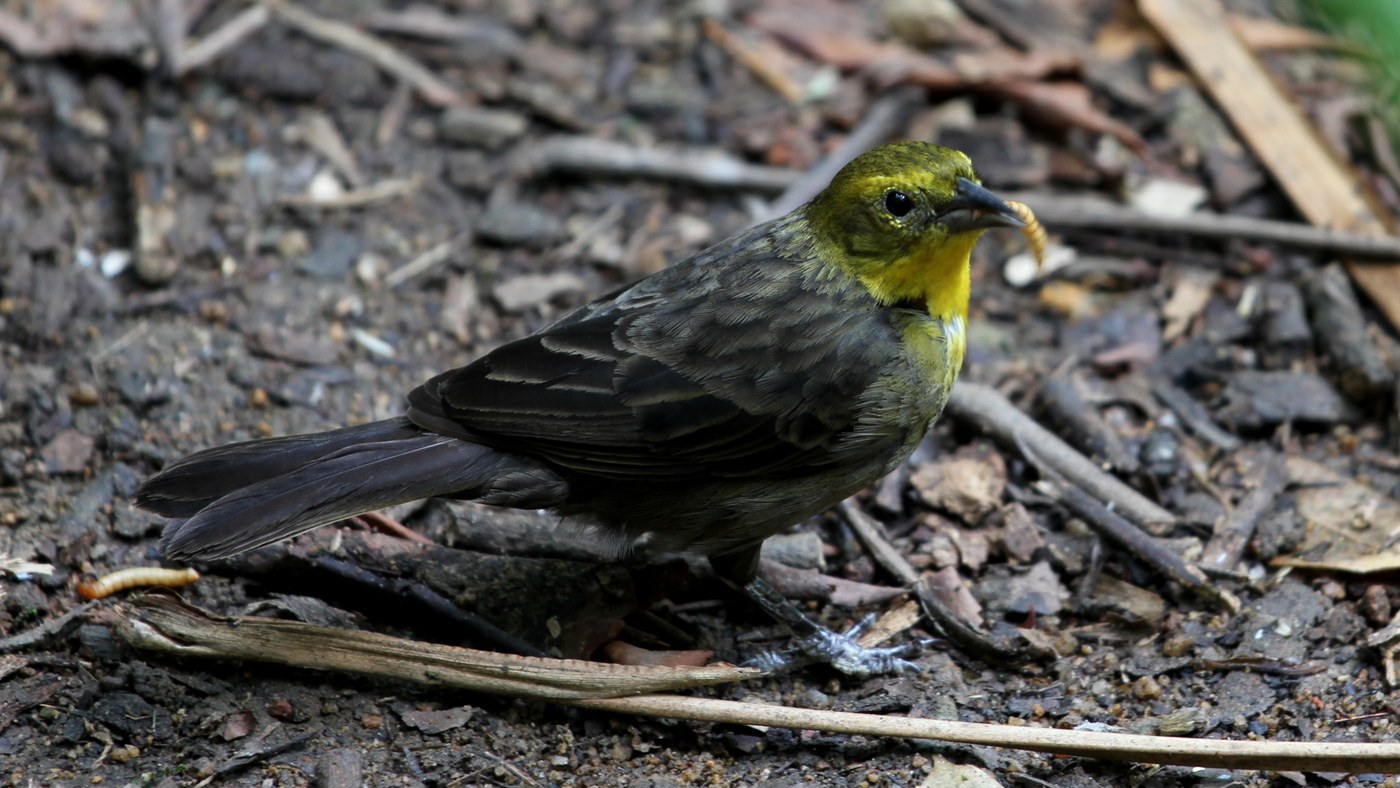
Yellow-hooded Blackbird
Contrasting hood and body feathers
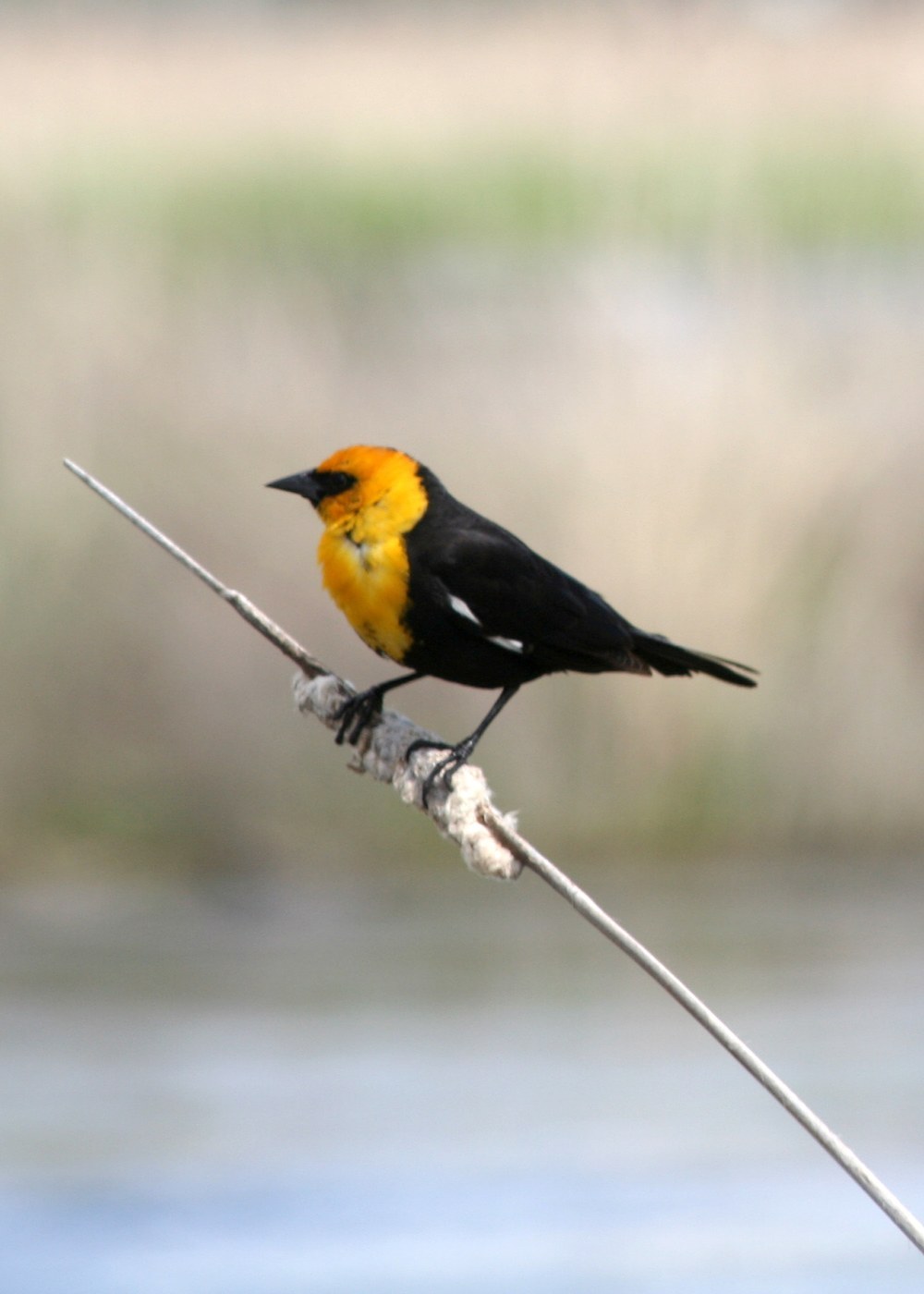
Yellow-headed Blackbird
Glossy black body plumage with a bright yellow head and breast

Yellow-eyed Junco
Contour and flight feathers

Yellow-fronted Canary
Small, smooth body plumage

Yellow-breasted Greenfinch
Compact, smooth body plumage