

Crested Bunting
Emberiza lathami
A South and Southeast Asian bunting easily told from all relatives by its glossy black body, chestnut wings, and prominent pointed crest.
- Feather type
- Elongated crown feathers forming a pointed crest
- Colours
- Glossy black and chestnut
- Bird size
- Sparrow-sized, ~15-16 cm
Found a feather like this?
Identify any feather from a photo, free.
Overview
Overview
The Crested Bunting ranges across parts of South and Southeast Asia, favoring grassy hillsides, scrub, and areas near cultivation. It stands out among buntings for its bold plumage and conspicuous crest, a feature rare within the group.
Its striking appearance and habit of perching in the open make it one of the more readily identified buntings in its range.
Identifying the Feather
Feather Identification
- Crest: long, narrow crown feathers raised into a pointed forward-curving crest, present on both sexes but longer on males.
- Body: glossy black in breeding males, contrasting sharply with chestnut wings and tail.
- Tail: chestnut with dark tips, often flicked while perched.
- Female plumage: streaked brown overall with a shorter, less obvious crest.
The pointed crest combined with black-and-chestnut male plumage makes this species unmistakable among buntings; no other species in its family shows this crest and color combination together.
Plumage & Molt
Plumage Notes
Breeding males are glossy black overall with contrasting chestnut wings and tail, and the longest, most prominent crest. Non-breeding males may show some brown mottling mixed with black.
Females and juveniles are streaked brown, resembling a large sparrow, with a shorter crest that can be raised but is far less conspicuous than the male's. A single annual molt follows breeding.
Habitat & Range
Habitat & Range
This species occurs across parts of the Indian subcontinent, the Himalayan foothills, and into Southeast Asia, typically in open grassy hillsides, scrub, and cultivated margins.
Some populations undertake local altitudinal movements, descending from higher breeding grounds to lower elevations outside the breeding season, though the species is not a long-distance migrant.
Behavior & Field Notes
Behavior & Field Notes
Crested Buntings forage on the ground for seeds and insects, often in pairs or small groups, and perch conspicuously on low bushes, rocks, or wires while singing.
The nest is a grass cup placed on the ground or in low vegetation. The song is a simple, cheerful series of notes. The unmistakable crest and black-and-chestnut male plumage make this one of the easiest buntings to identify by sight alone.
Frequently asked questions
What makes the Crested Bunting stand out from other buntings?
It is the only bunting-type species combining a prominent pointed crest with glossy black body plumage and chestnut wings and tail on males.
Do females also have a crest?
Yes, but it is shorter and less conspicuous than the male's, and their overall plumage is streaked brown rather than black and chestnut.
Where does this species live?
It is found across parts of South Asia, the Himalayan foothills, and into Southeast Asia, in grassy hillsides and scrub near cultivation.
Does the Crested Bunting migrate long distances?
No, it is largely non-migratory, though some populations shift to lower elevations outside the breeding season.
Crested Bunting guides
In-depth guides for identifying and understanding Crested Bunting.

Other feathers you may enjoy

Yellow-breasted Bunting
Contour and flight feathers, chestnut-and-yellow breeding pattern
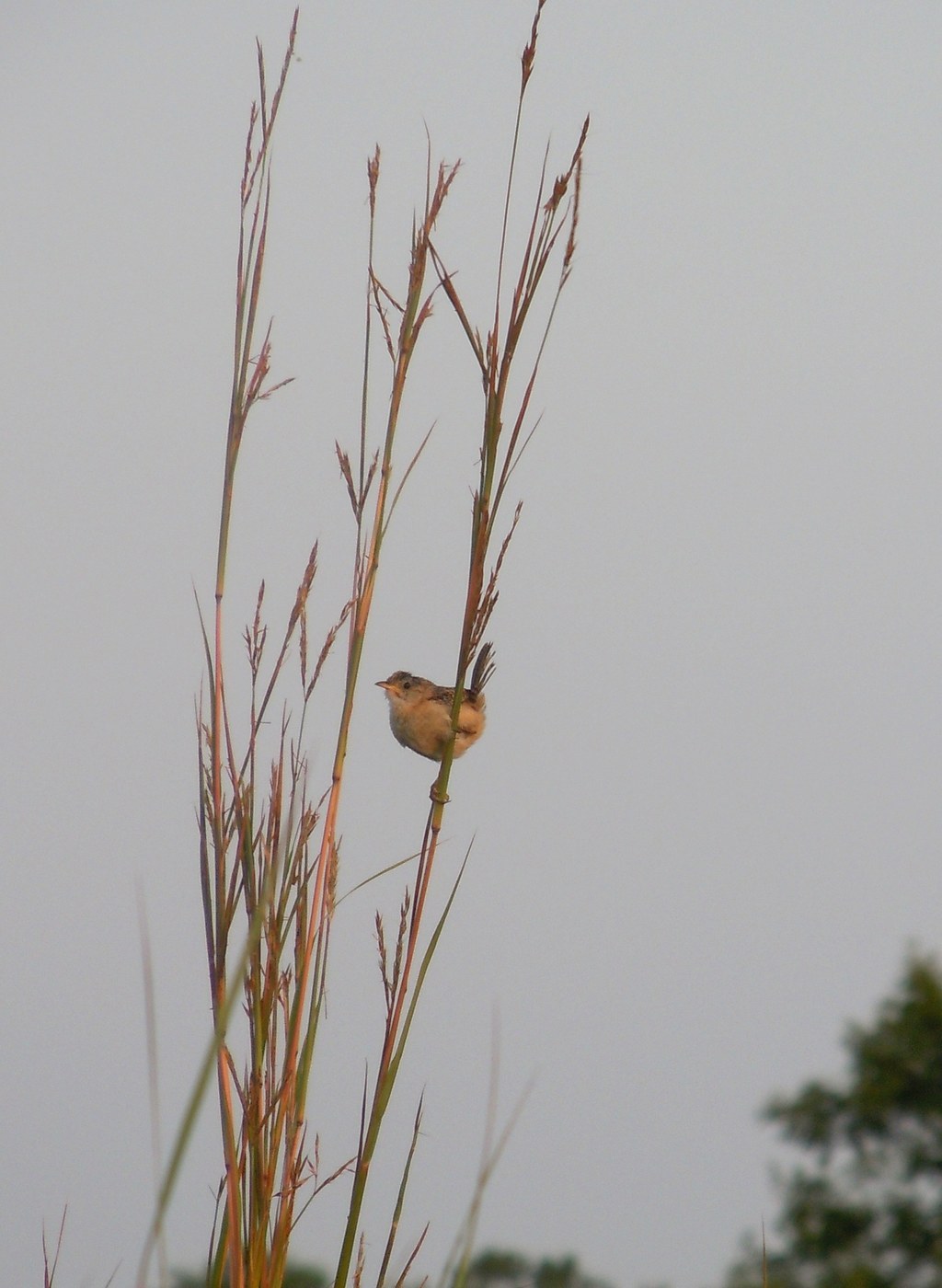
Sedge Wren
Tiny streaked crown and back feathers

Yellow-winged Cacique
Glossy black body feathers, yellow wing patch, shaggy crest

Yellow Warbler
Small contour and flight feathers
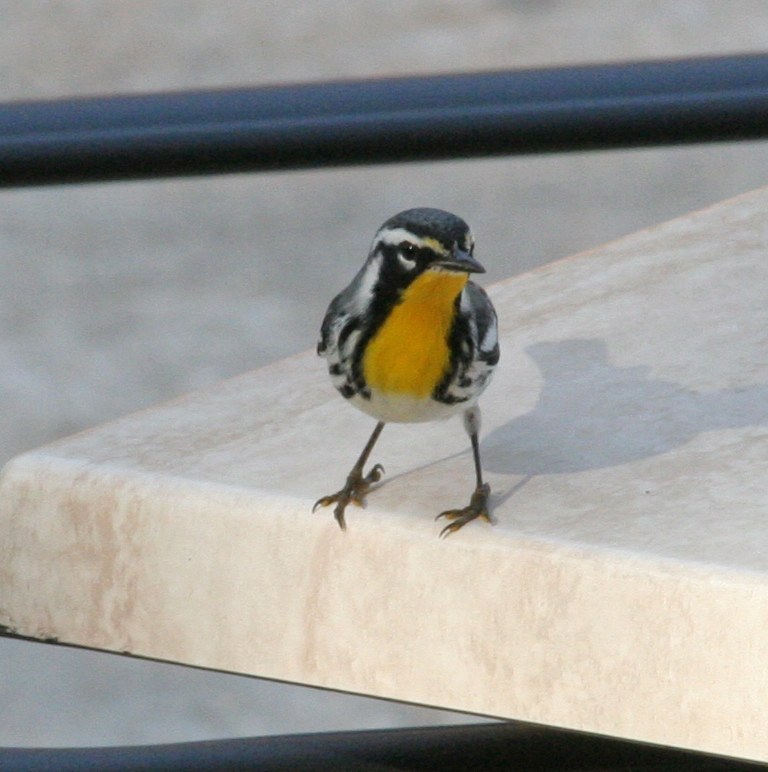
Yellow-throated Warbler
Small contour and flight feathers
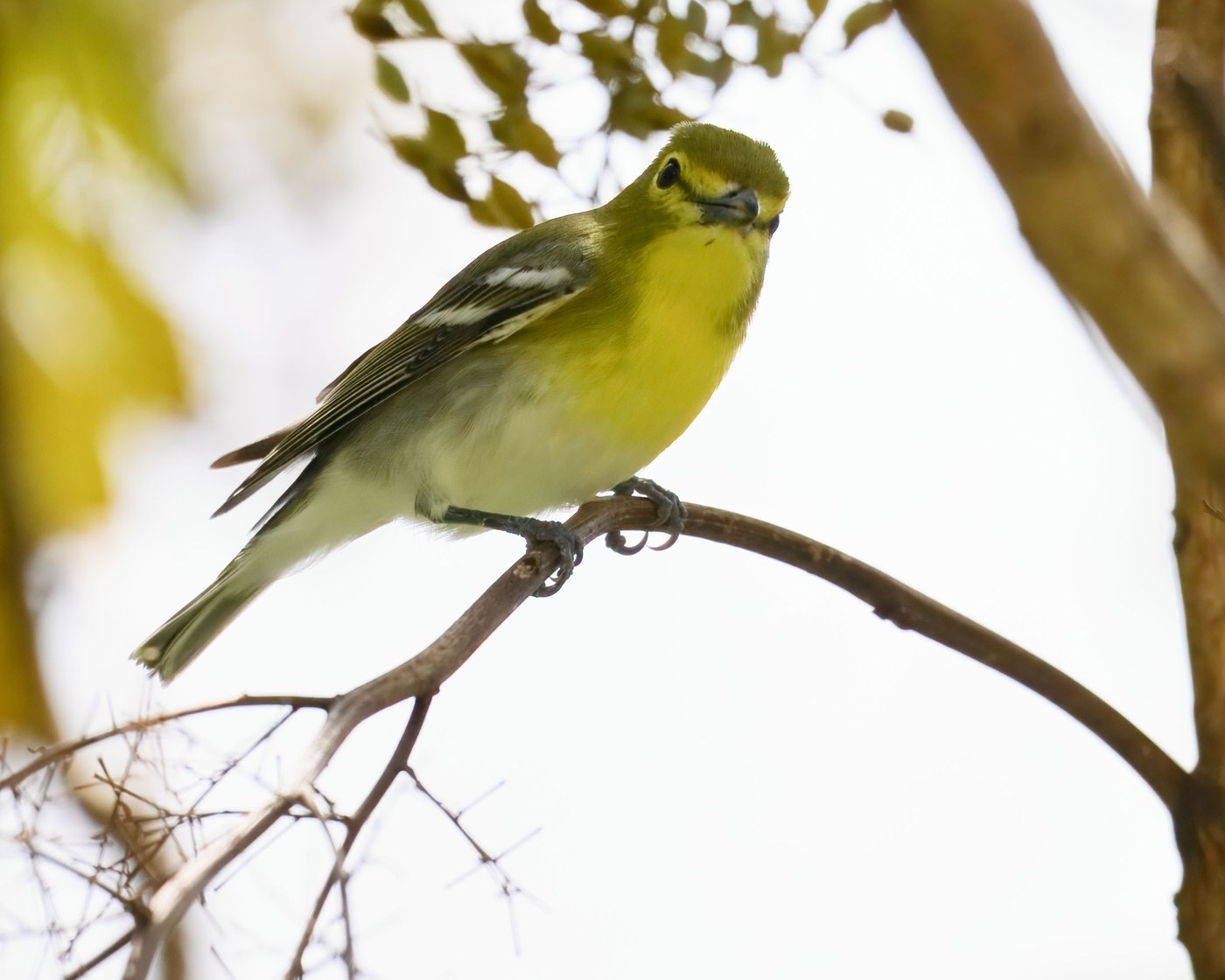
Yellow-throated Vireo
Bright yellow throat and spectacle feathers; olive-green back feathers; two white wing-bar feathers

Yellow-rumped Warbler
Small contour and flight feathers
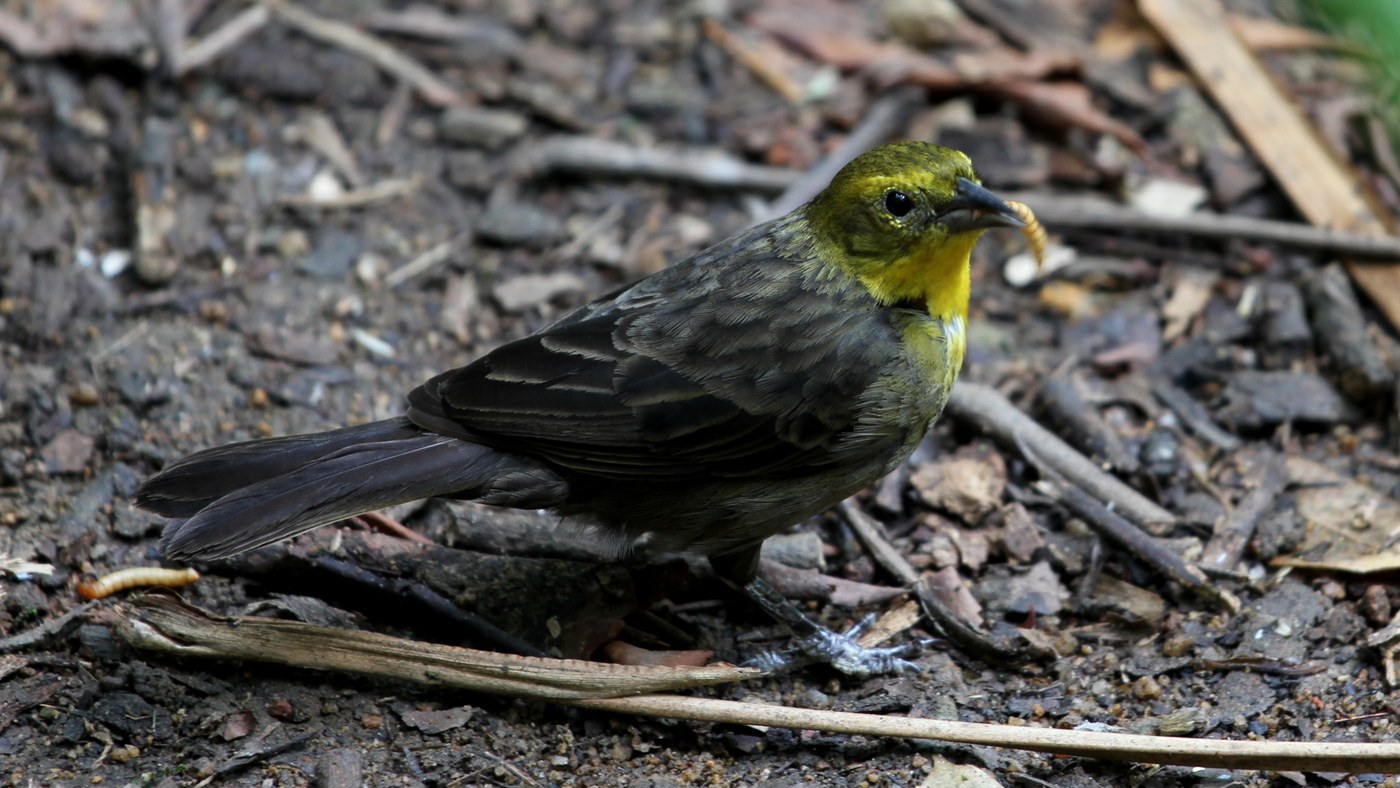
Yellow-hooded Blackbird
Contrasting hood and body feathers
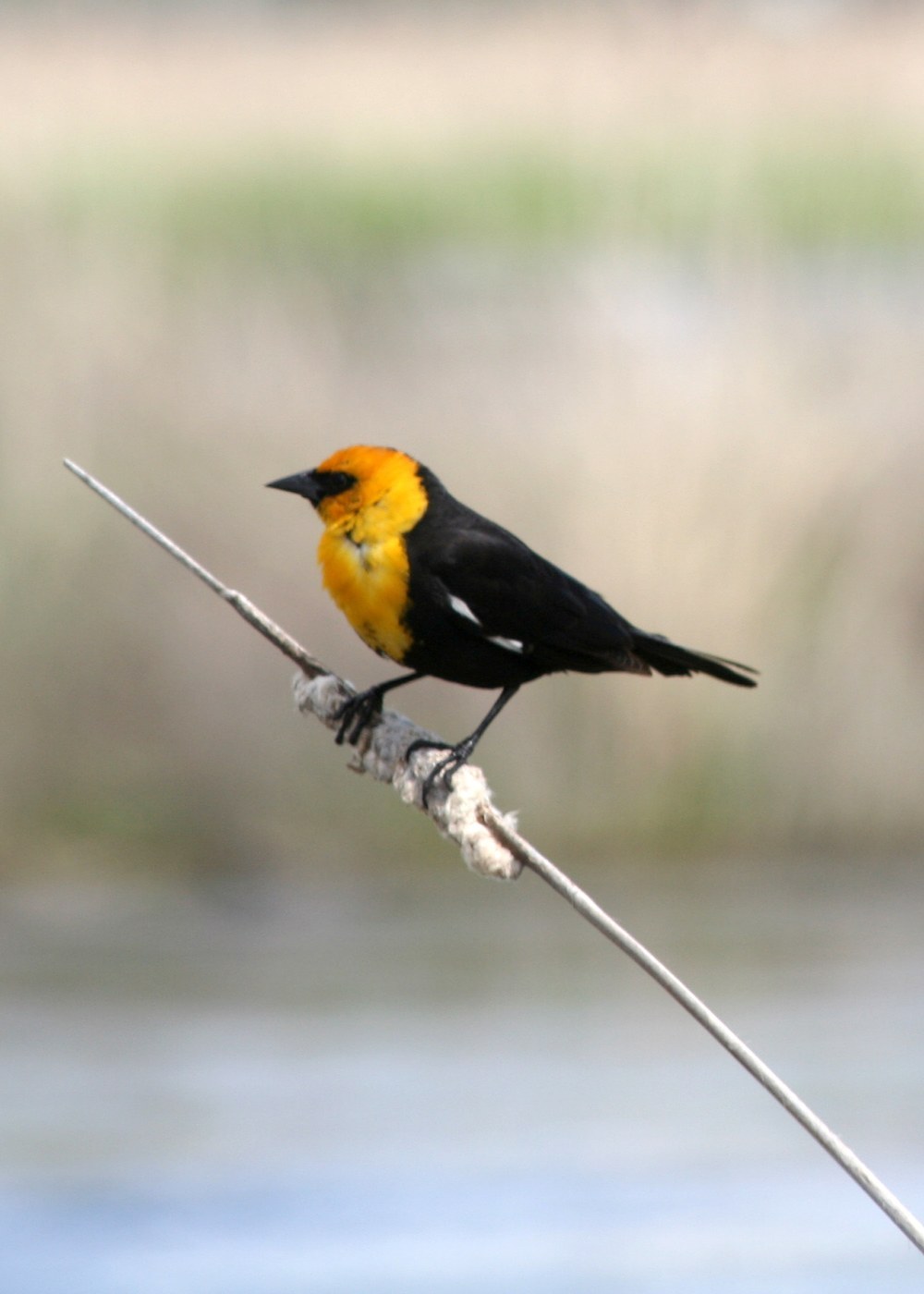
Yellow-headed Blackbird
Glossy black body plumage with a bright yellow head and breast

Yellow-eyed Junco
Contour and flight feathers

Yellow-fronted Canary
Small, smooth body plumage

Yellow-breasted Greenfinch
Compact, smooth body plumage