

Common Starling
Sturnus vulgaris
A glossy, iridescent songbird whose feathers shift from heavily spangled with pale spots in fresh winter plumage to sleek and nearly spot-free by the breeding season.
- Feather type
- Glossy iridescent body feathers with pale spotting, especially prominent after autumn molt
- Colours
- Glossy black with green-purple iridescence, heavily spotted with white or buff, especially in fresh winter plumage
- Bird size
- Small-to-medium songbird, ~21 cm
Found a feather like this?
Identify any feather from a photo, free.
Overview
The Common Starling is an abundant, highly social songbird known for its shimmering, iridescent plumage and its spectacular large-scale flocking displays known as murmurations. Though it often appears simply black at a distance, its feathers reveal rich green and purple iridescence up close.
Starlings are widespread across Europe and have been introduced to other continents, thriving in a huge range of habitats from cities to farmland.
A Starling feather is often recognized by the presence of small pale spots near the tip, a feature most pronounced on fresh feathers grown after the autumn molt, combined with an underlying iridescent green-purple sheen.
Identifying the Feather
Color and iridescence
- Base color is glossy black, with strong green and purple iridescence visible in good light, especially on the head, throat, and wing covert feathers.
Spotting pattern
- Fresh feathers, especially those grown after the autumn molt, show pale buff or white tips creating a spangled, spotted appearance across the body.
- Spotting wears away through the winter and spring as feather tips abrade, so breeding-season feathers may show little or no spotting.
Size and shape
- Feathers are small to medium, with fairly pointed wing feathers reflecting the Starling's fast, direct flight.
Confusion species
The combination of small size, iridescent black base color, and pale spotting is distinctive among common garden and farmland birds; Blackbird feathers lack both the iridescence and the spotting.
Plumage & Molt
In fresh autumn and winter plumage, Starlings are heavily spotted with pale buff or white tips over a glossy black, iridescent body. Through winter and into spring these pale tips gradually wear away, leaving breeding adults looking sleeker and almost unspotted with strong green-purple iridescence.
Males and females look similar, though subtle differences exist in eye and bill base coloring during the breeding season. Juveniles are markedly different, appearing plain greyish-brown without iridescence or spotting until their first molt in late summer.
Starlings undergo a complete molt after breeding, typically in mid- to late summer, producing the heavily spotted fresh plumage seen through autumn and winter.
Habitat & Range
Starlings occupy an extremely broad range of habitats, including towns, farmland, grassland, and woodland edge, often nesting in cavities in buildings, trees, or nest boxes. They are highly adaptable and gregarious.
The species is native across most of Europe and temperate Asia and has been introduced successfully to North America, Australia, and other regions. Many populations are resident, though some northern birds migrate south for winter.
Behavior & Field Notes
Starlings feed on a wide variety of invertebrates, fruit, and grain, often foraging in flocks on open ground with a characteristic probing bill action. They are famous for forming enormous, swirling winter flocks called murmurations.
They nest in cavities, and their song is a varied, chattering mix of whistles, clicks, and mimicry of other birds and even mechanical sounds.
A small, glossy black feather with pale spotting near the tip, especially in autumn or winter, is a reliable sign of Common Starling.
Frequently asked questions
Why do some Starling feathers look spotted while others look plain black?
Fresh feathers grown after the autumn molt have pale tips creating a spotted look, which gradually wears away by the breeding season, leaving feathers looking sleeker and less spotted.
What colors show up in Starling feather iridescence?
Green and purple iridescence over an underlying glossy black base, most visible in good light.
How do juvenile Starling feathers differ from adult feathers?
Juveniles have plain greyish-brown feathers without iridescence or spotting, quite different from the glossy, spangled adult plumage.
Could a Starling feather be confused with a Blackbird feather?
Unlikely — Blackbird feathers are matte black or brown without iridescence or pale spotting, unlike a Starling's glossy, spangled feathers.
When are spotted Starling feathers most commonly found?
In autumn and winter, when fresh post-molt feathers still show their pale spotted tips.
Common Starling guides
In-depth guides for identifying and understanding Common Starling.

Other feathers you may enjoy

Yellow-breasted Bunting
Contour and flight feathers, chestnut-and-yellow breeding pattern
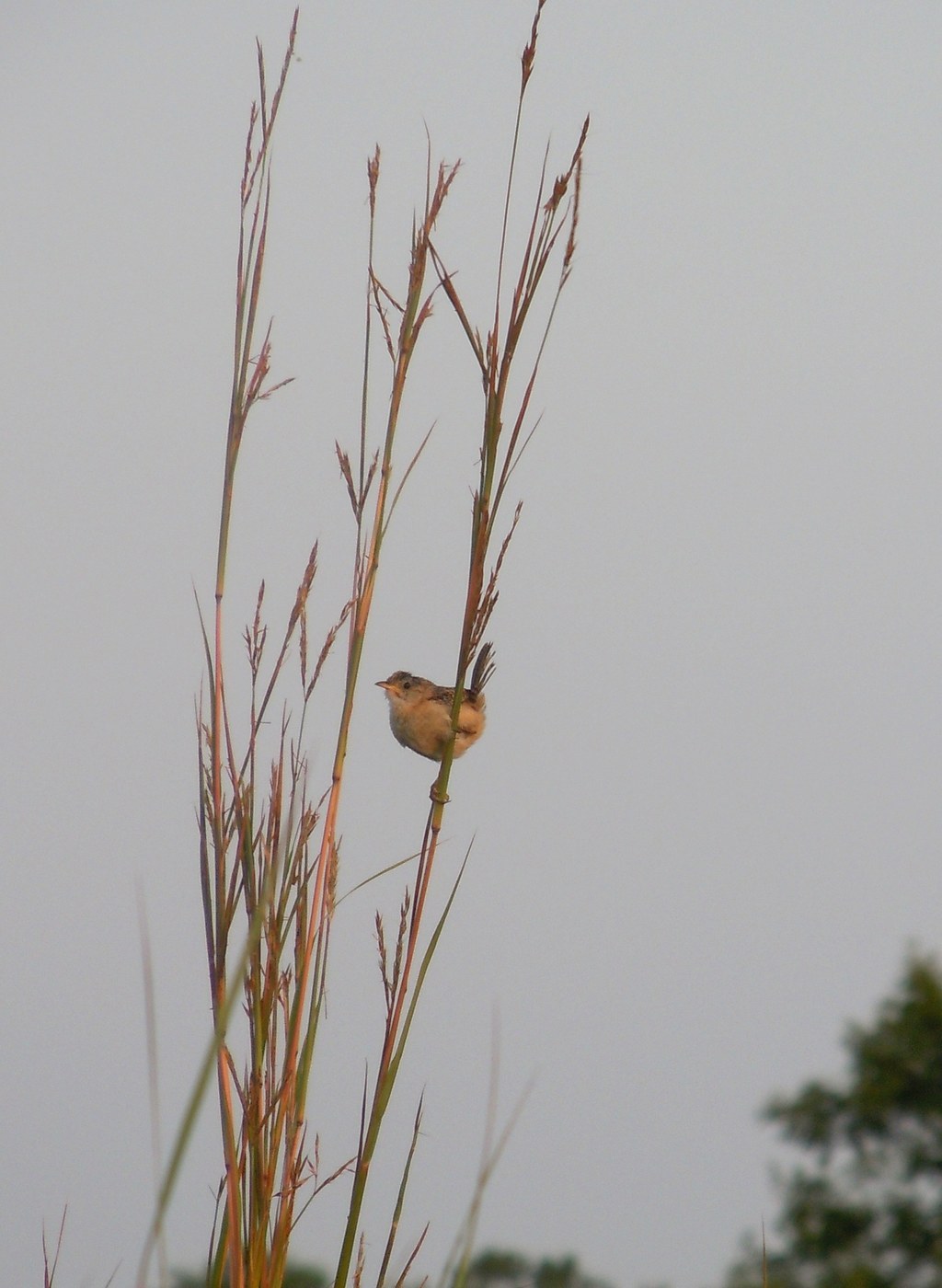
Sedge Wren
Tiny streaked crown and back feathers

Yellow-winged Cacique
Glossy black body feathers, yellow wing patch, shaggy crest

Yellow Warbler
Small contour and flight feathers
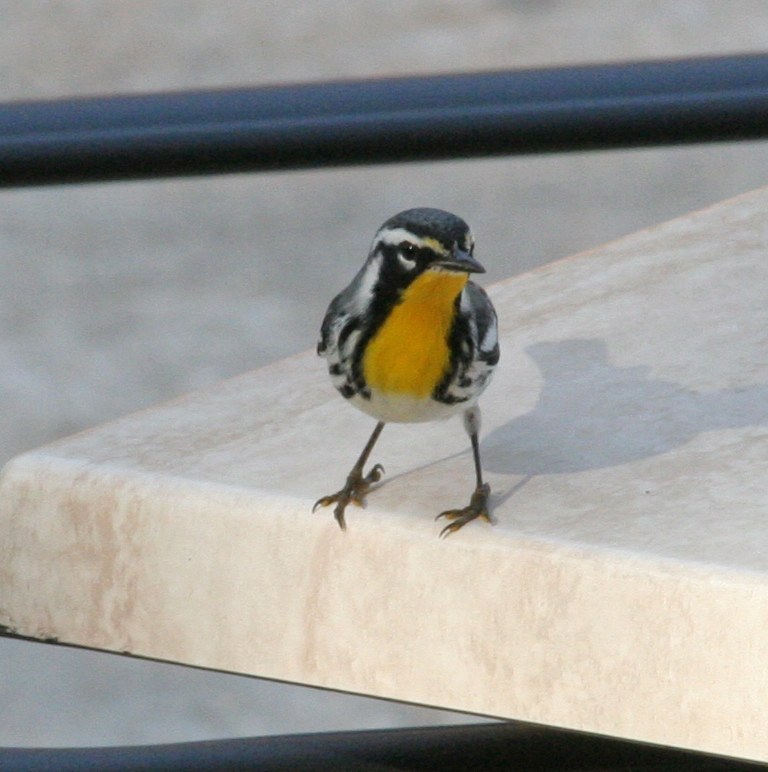
Yellow-throated Warbler
Small contour and flight feathers
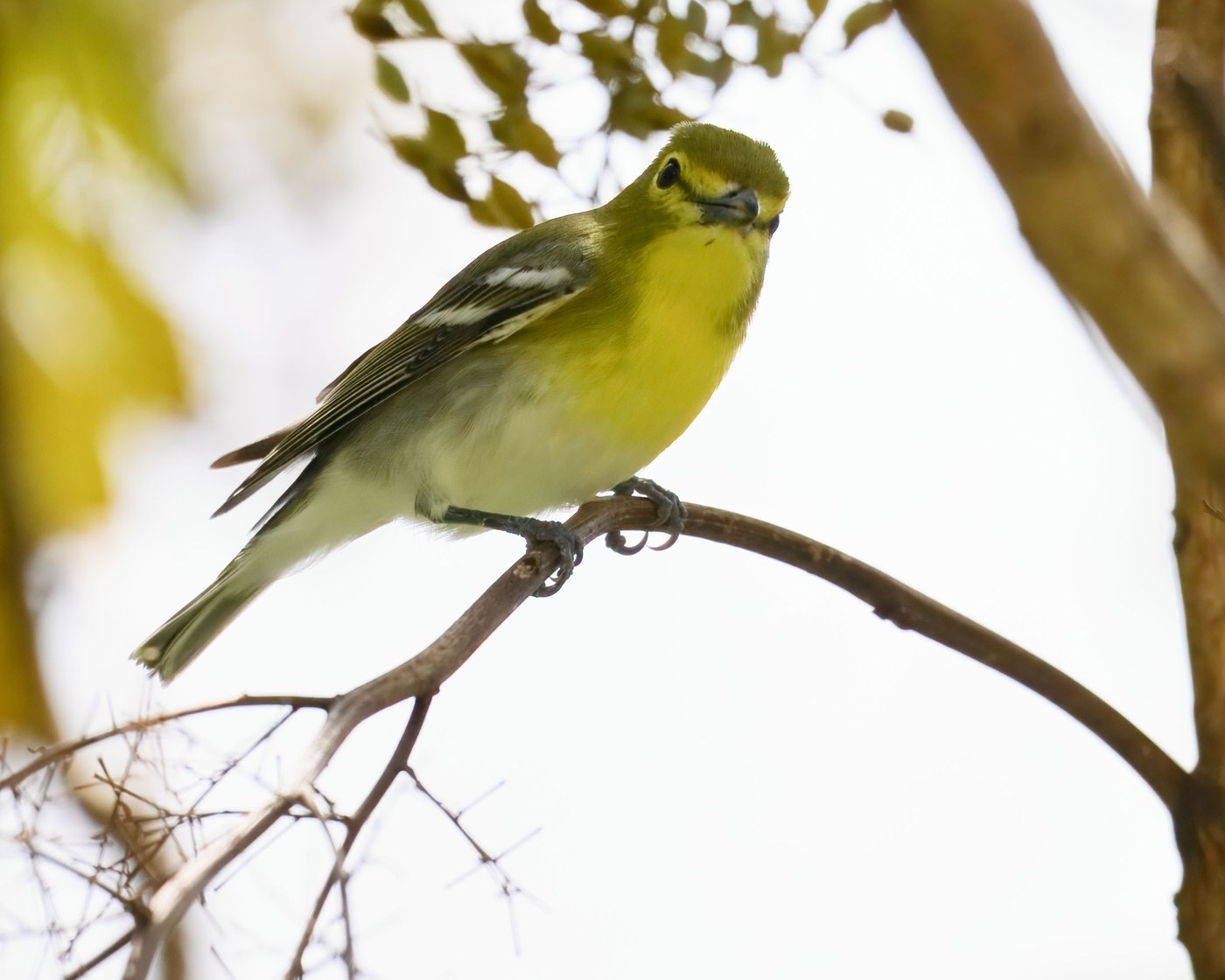
Yellow-throated Vireo
Bright yellow throat and spectacle feathers; olive-green back feathers; two white wing-bar feathers

Yellow-rumped Warbler
Small contour and flight feathers
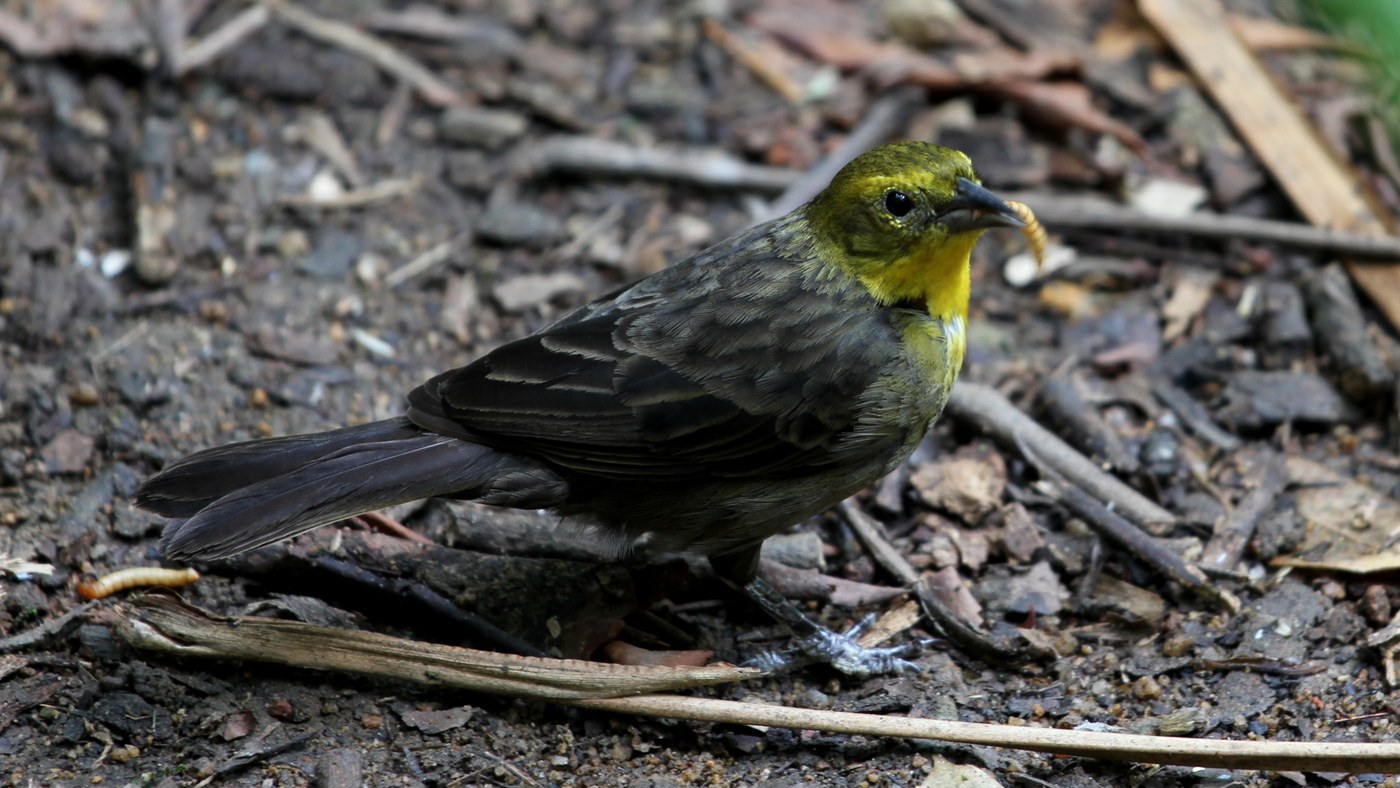
Yellow-hooded Blackbird
Contrasting hood and body feathers
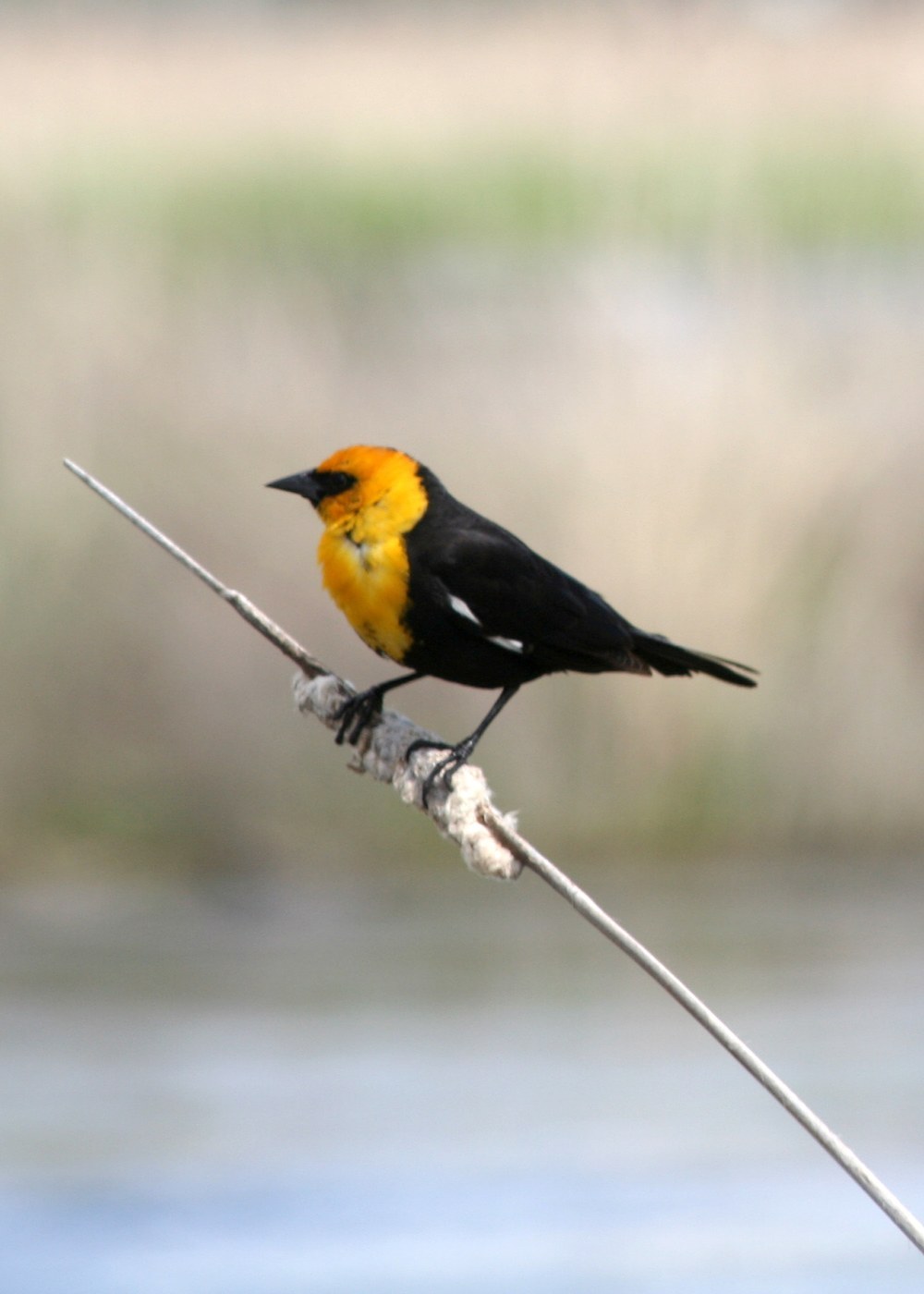
Yellow-headed Blackbird
Glossy black body plumage with a bright yellow head and breast

Yellow-eyed Junco
Contour and flight feathers

Yellow-fronted Canary
Small, smooth body plumage

Yellow-breasted Greenfinch
Compact, smooth body plumage