
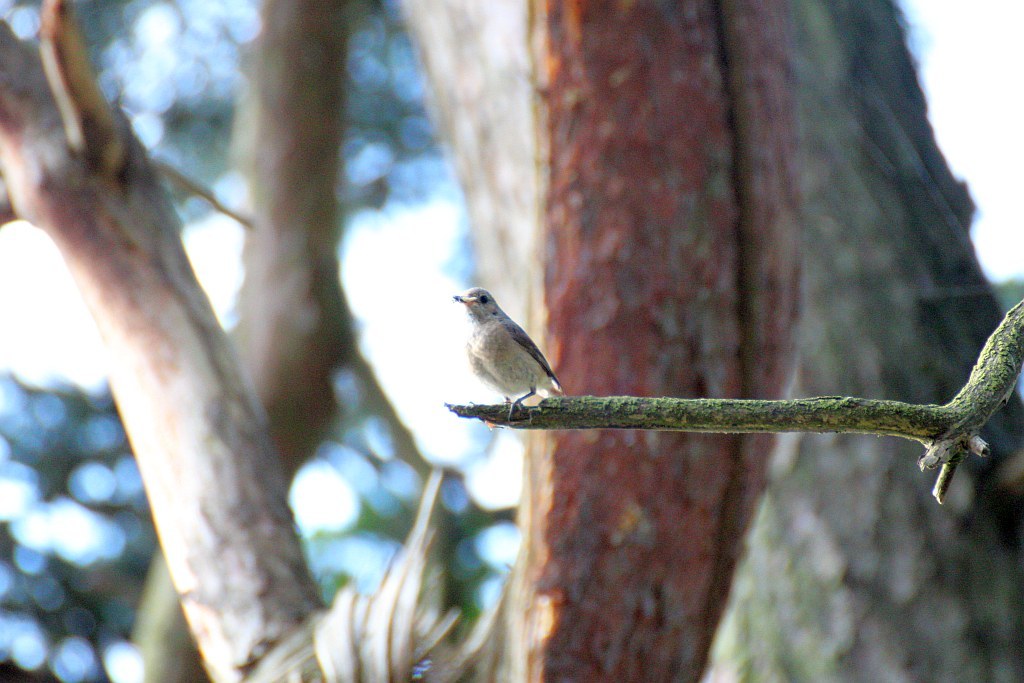
Common Redstart
Phoenicurus phoenicurus
The Common Redstart is a small songbird named for its bright rufous-red tail feathers, which it constantly quivers, contrasting with a slate-grey back and black face in breeding males.
- Feather type
- Bright rufous-red tail feathers (constantly quivered); contrasting contour feathers
- Colours
- Slate-grey back, black face/throat, orange-red breast and tail (male); duller brown-buff female
- Bird size
- Small, ~14 cm
Found a feather like this?
Identify any feather from a photo, free.
Overview
The Common Redstart is a summer-visiting songbird whose most distinctive feature, in both life and feather, is its bright orange-red tail, constantly quivered as the bird perches.
Breeding males combine this fiery tail with a slate-grey back, black face and throat, and an orange breast, making them one of the more strikingly patterned small woodland birds.
Females and juveniles are much duller brown-buff, but still show the diagnostic reddish tail.
Identifying the Feather
Size & Shape
- Tail feathers are proportionally bright and are the single most diagnostic feature, being a vivid rufous-orange in both sexes.
- Body feathers are otherwise typical small-songbird proportions.
Color & Pattern
- Male upperpart feathers: slate-grey back, black face and throat, white forehead patch.
- Male underparts: orange-red breast fading to whitish belly.
- Female/juvenile feathers: brown-grey above, buffy-orange below, much duller than the male but retaining the orange-red tail.
- Tail feathers in both sexes: bright rufous-orange with darker central feathers.
Similar Species
- The bright rufous-orange tail separates Redstart feathers from most other small European songbirds; Black Redstart, a related species, is similar but typically shows sootier overall body plumage with less contrast, though tail color is similarly bright.
Plumage & Molt
Overall Plumage
Males: slate-grey back, black face/throat, white forehead, orange-red breast, rufous-orange tail. Females/juveniles: brown-grey above, buff-orange below, with the same bright tail.
Sex & Age Differences
Males are far more boldly patterned than females; juveniles resemble females but with additional pale spotting on the upperparts before their first molt.
Molt
One complete molt after breeding, often beginning before autumn migration and completing on or near the wintering grounds in Africa.
Habitat & Range
Habitat
Open woodland, parkland, orchards, and heathland edges with mature trees offering nest holes.
Range
Breeds across Europe and western Asia; winters in sub-Saharan Africa.
Movements
Fully migratory, present in breeding areas from spring to late summer.
Behavior & Field Notes
Behavior
Perches prominently and constantly quivers its tail, a habit that gives the bird its name and helps distinguish it in life.
Diet
Feeds on insects and other invertebrates, caught on the ground or in short aerial sallies.
Nesting
Nests in a tree hole, wall crevice, or nest box, lined with grass and feathers.
Voice
A short, warbling song, often including mimicry of other species.
Field Notes
A bright rufous-orange tail feather found in open woodland or parkland during the breeding season strongly suggests Redstart; check for a slate-grey or brown-grey body to confirm sex.
Frequently asked questions
What is the single most diagnostic Redstart feather?
The tail feather, which is a bright rufous-orange in both sexes.
How do male and female Redstart feathers differ?
Males have a slate-grey back, black face, and orange breast; females are duller brown-grey above and buff-orange below.
Is the Common Redstart present year-round?
No, it is a summer migrant that winters in sub-Saharan Africa.
Why does the Redstart quiver its tail?
It is a habitual behavior thought to be used in signaling or startling prey, and gives the bird its common name.
Common Redstart guides
In-depth guides for identifying and understanding Common Redstart.
Other feathers you may enjoy

Yellow-breasted Bunting
Contour and flight feathers, chestnut-and-yellow breeding pattern
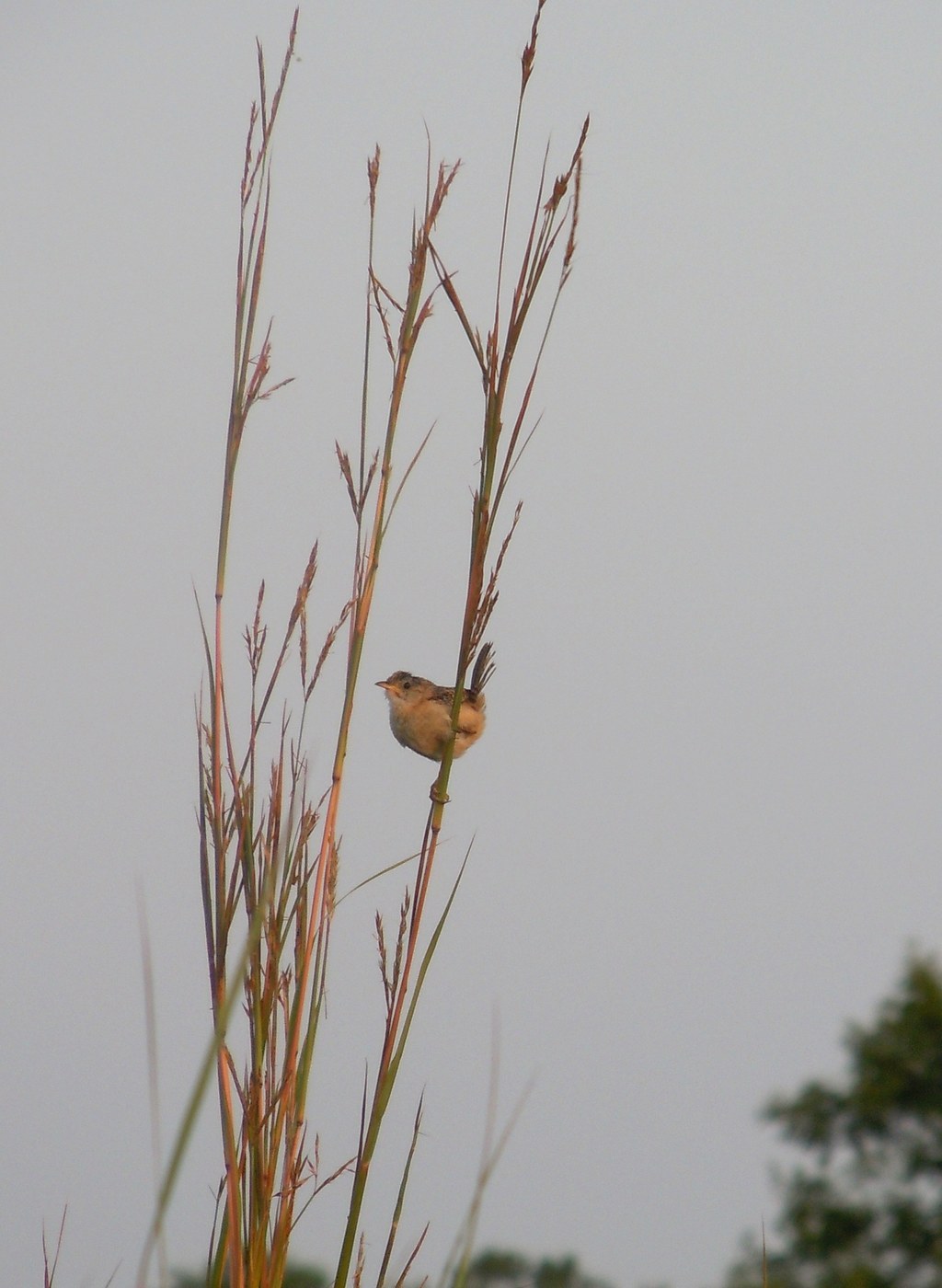
Sedge Wren
Tiny streaked crown and back feathers

Yellow-winged Cacique
Glossy black body feathers, yellow wing patch, shaggy crest

Yellow Warbler
Small contour and flight feathers
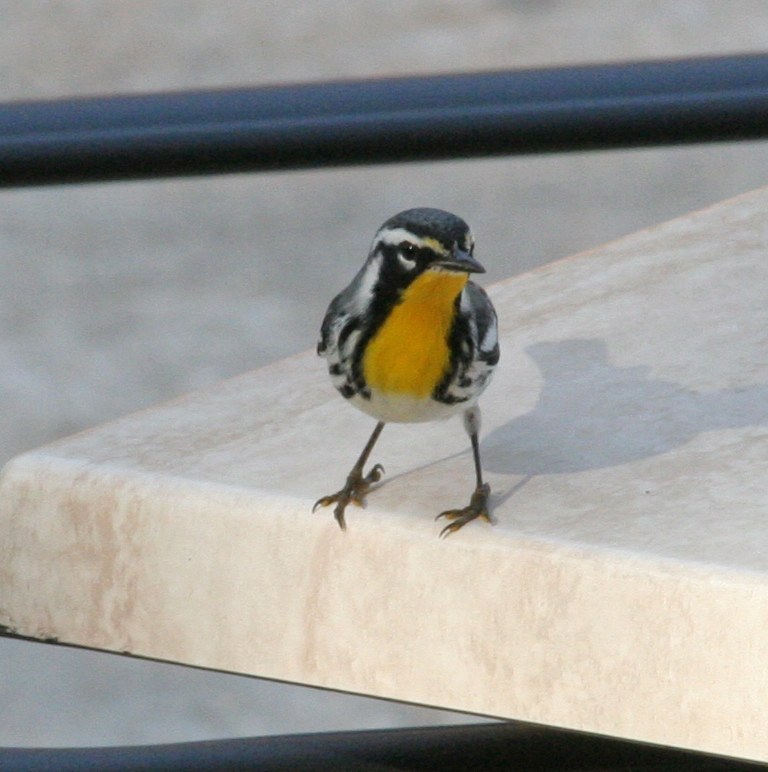
Yellow-throated Warbler
Small contour and flight feathers
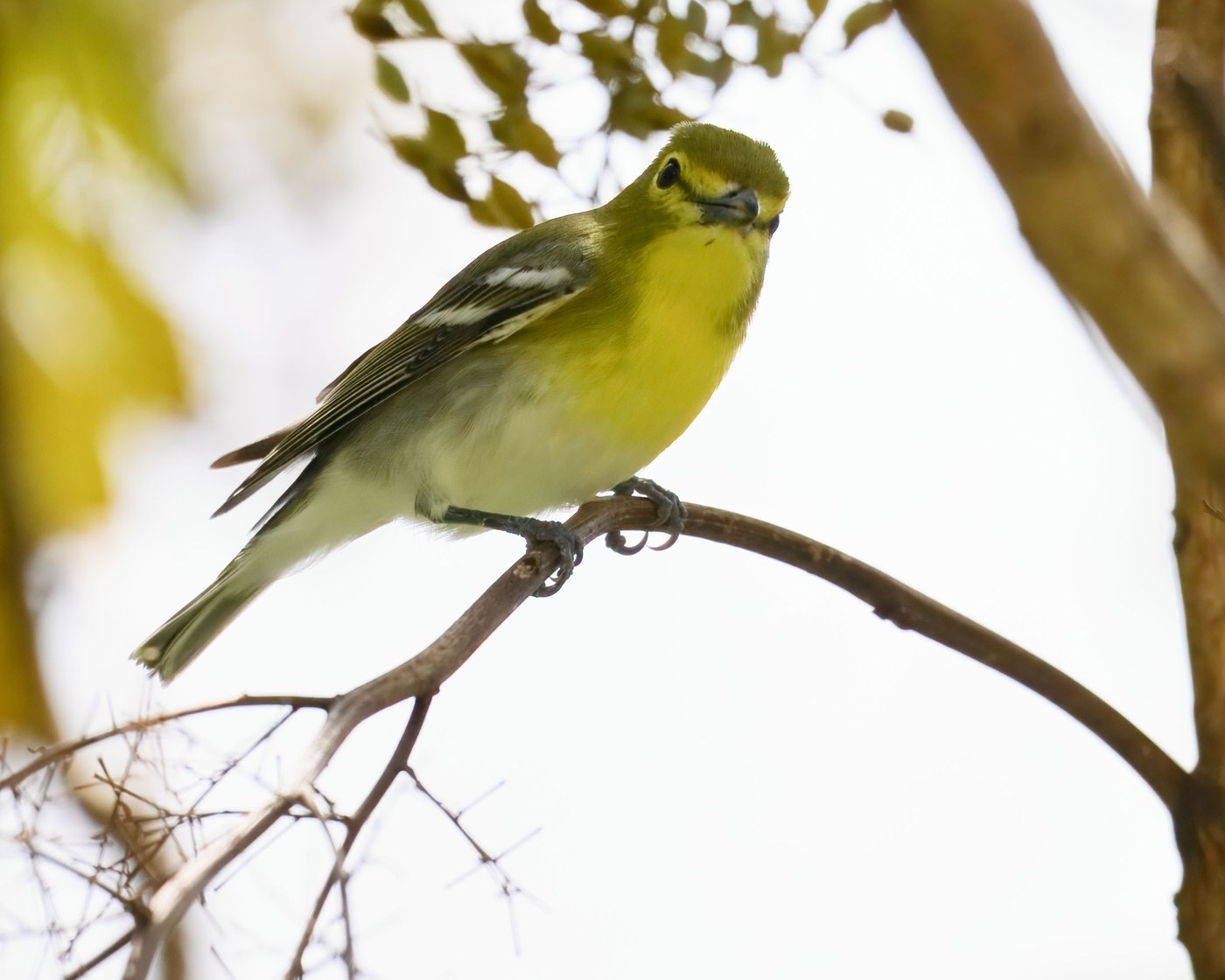
Yellow-throated Vireo
Bright yellow throat and spectacle feathers; olive-green back feathers; two white wing-bar feathers

Yellow-rumped Warbler
Small contour and flight feathers
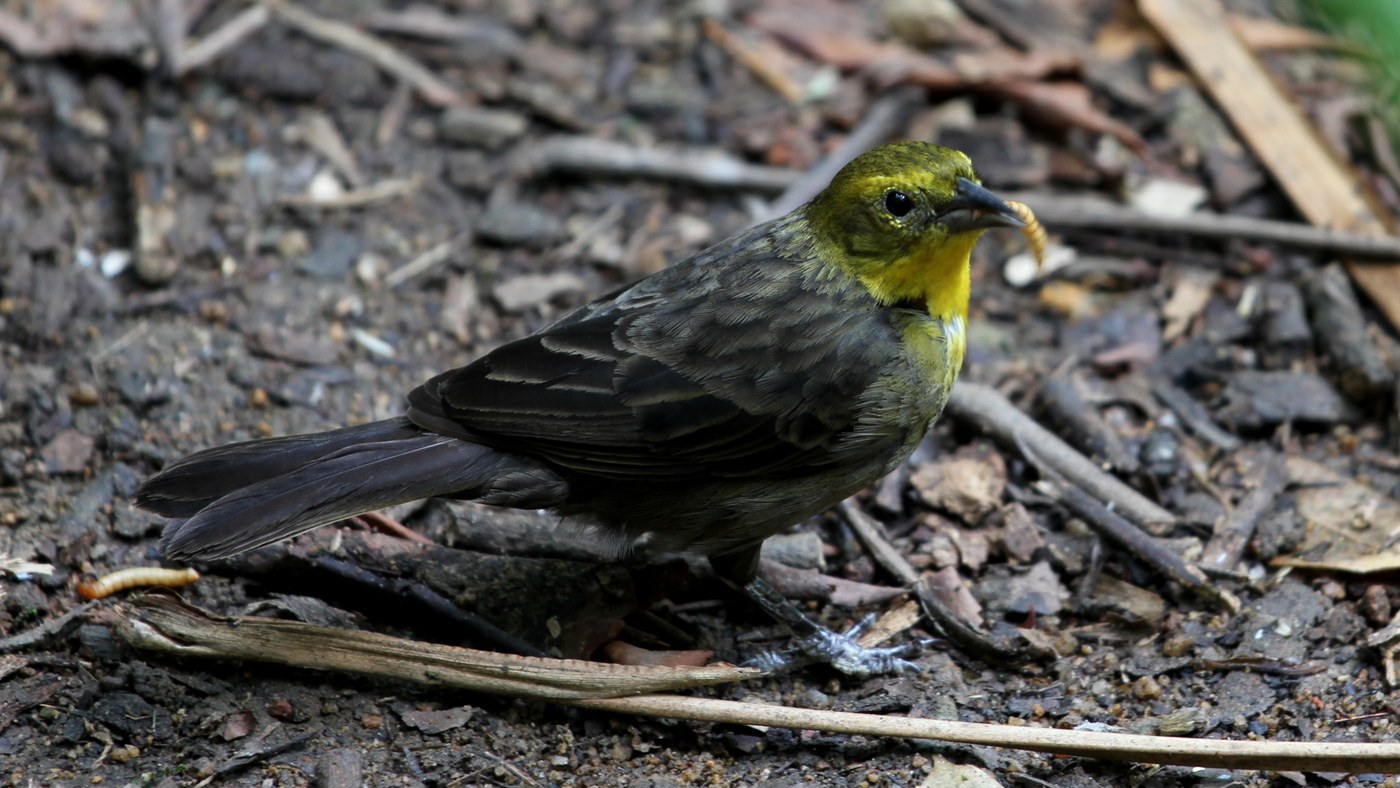
Yellow-hooded Blackbird
Contrasting hood and body feathers
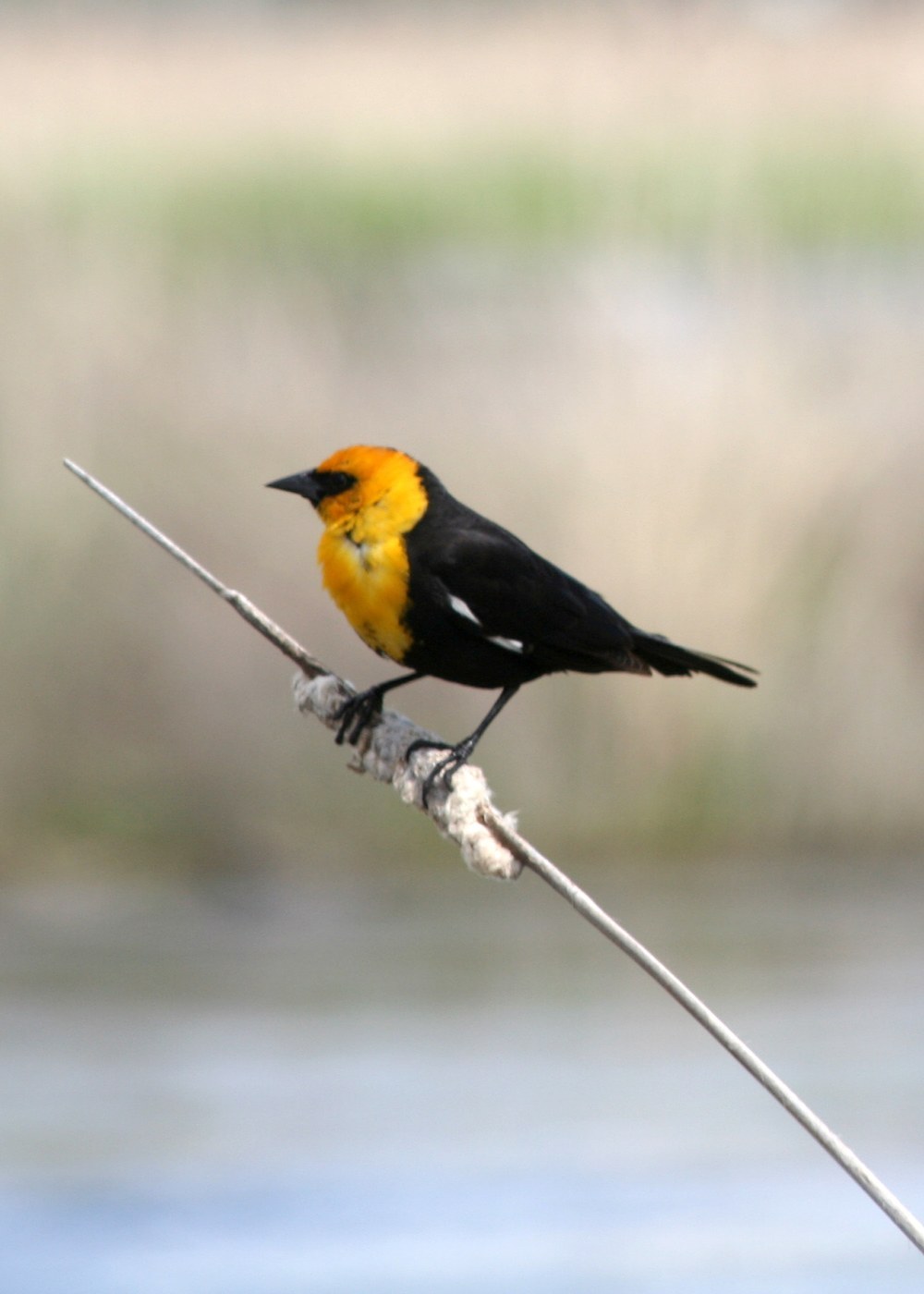
Yellow-headed Blackbird
Glossy black body plumage with a bright yellow head and breast

Yellow-eyed Junco
Contour and flight feathers

Yellow-fronted Canary
Small, smooth body plumage

Yellow-breasted Greenfinch
Compact, smooth body plumage