
Cockatiel
Nymphicus hollandicus
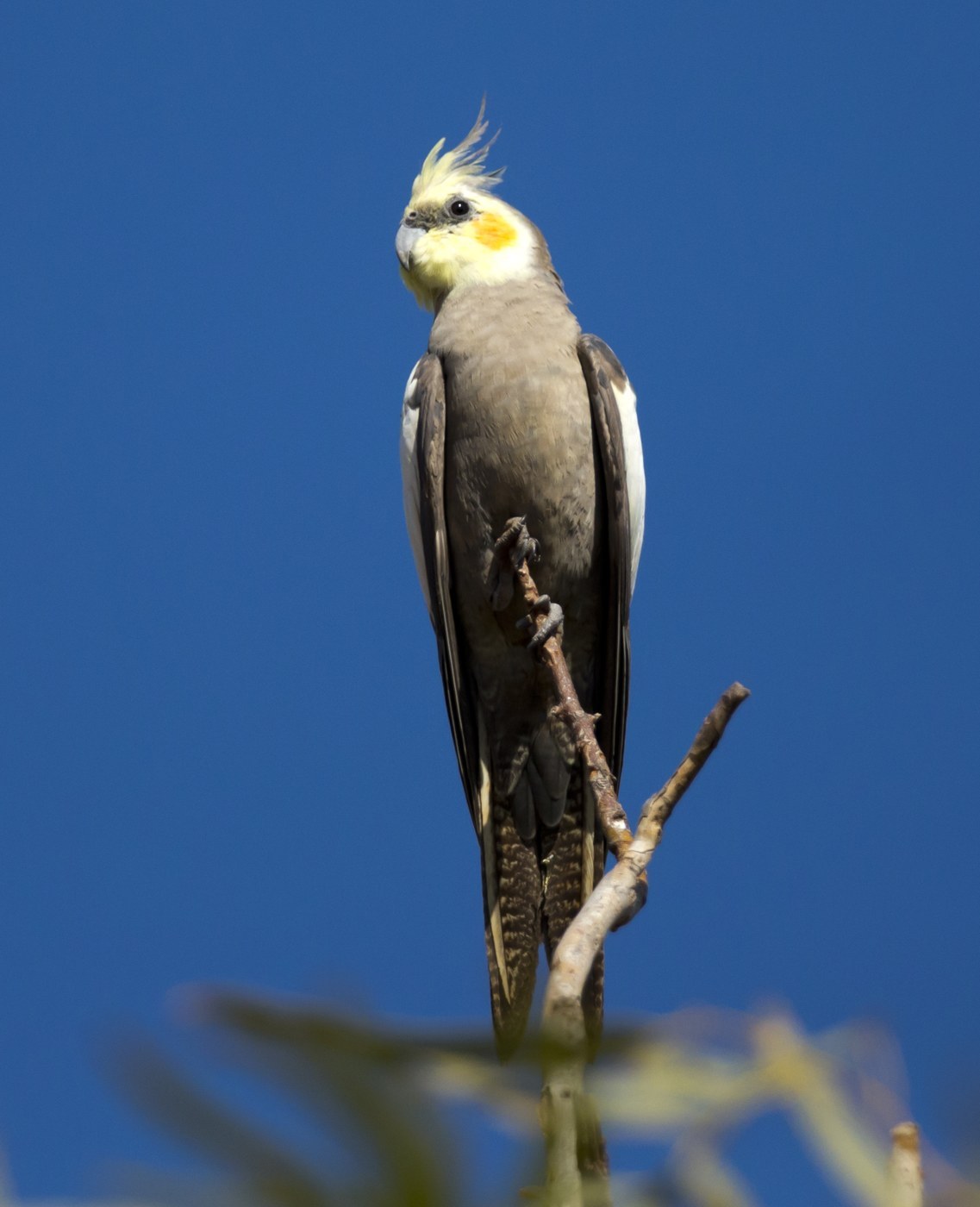
A slender, crested Australian parrot with soft grey plumage, a bold white wing patch, and, in males, a yellow face marked by a bright orange cheek spot.
- Feather type
- Soft grey body feathers with a prominent pointed crest; white wing patch
- Colours
- Grey body, yellow face with orange cheek patch in males, white wing patch
- Bird size
- Small cockatoo relative, ~30-33 cm
Found a feather like this?
Identify any feather from a photo, free.
Overview
The Cockatiel is the smallest member of the cockatoo family, native to the dry interior and open woodlands of Australia. It is instantly recognizable by its long, pointed crest, which it raises and lowers to express mood, and by the contrast between its otherwise grey body and its brighter facial markings. Highly nomadic in the wild, it moves in flocks tracking food and water across the arid interior.
Identifying the Feather
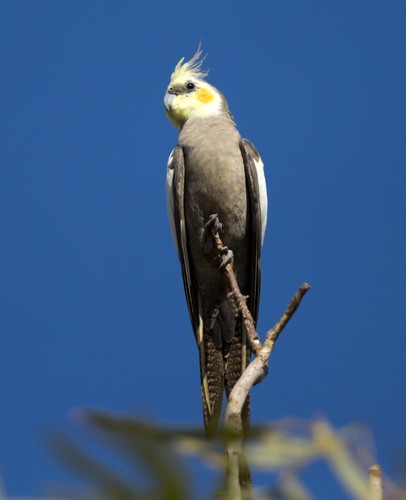
Body feathers are soft grey overall, with a prominent white to pale yellow patch on the wing coverts that shows clearly both at rest and in flight. The crest consists of elongated, narrow grey feathers on the crown that can be raised into a point or flattened close to the head. Males show a bright yellow face and forehead with a distinct orange patch on the cheek, while the tail is long, tapered, and grey with darker barring visible on the underside in females. Wing and tail feathers are relatively soft-textured compared with larger cockatoos, reflecting the bird's smaller, more lightly built frame.
Plumage & Molt
Males show a bright yellow face and crest with a vivid orange cheek patch, while females have a duller grey-brown face with a muted cheek patch and show fine yellow barring on the underside of the tail, a pattern males lack once mature. Juveniles resemble females regardless of sex, with young males gradually developing the yellow face and bright cheek patch over their first year through successive molts.
Habitat & Range
Cockatiels inhabit open woodland, scrubland, and grassland across the arid and semi-arid interior of Australia, generally near watercourses and seasonal wetlands. The species is nomadic, moving in flocks in response to rainfall, food availability, and water rather than following a set migratory path, though some populations show more regular seasonal movement patterns.
Behavior & Field Notes
Cockatiels forage on the ground and in low vegetation for grass and other seeds, often in flocks that can number in the hundreds where food is abundant. They nest in tree hollows, typically near water. Calls include a range of whistled and chattering notes used for flock contact, along with a distinctive rolling contact call given in flight. They are strong, fast fliers capable of covering long distances between food and water sources.
Frequently asked questions
How can you tell a male from a female Cockatiel by its feathers?
Males have a bright yellow face with an orange cheek patch; females have a duller grey-brown face and show yellow barring under the tail.
What does the white patch on a Cockatiel's wing indicate?
It is a normal plumage feature present in both sexes, visible as a bright patch on the wing coverts at rest and in flight.
Where do Cockatiels live in the wild?
Across arid and semi-arid inland Australia, in open woodland, scrub, and grassland near water.
What is the crest on a Cockatiel's head for?
It is a flexible feather structure raised or lowered to signal mood and alertness.
Cockatiel guides
In-depth guides for identifying and understanding Cockatiel.
Cockatiel identified by the community
Real feathers identified with Feather Identifier.


Other feathers you may enjoy
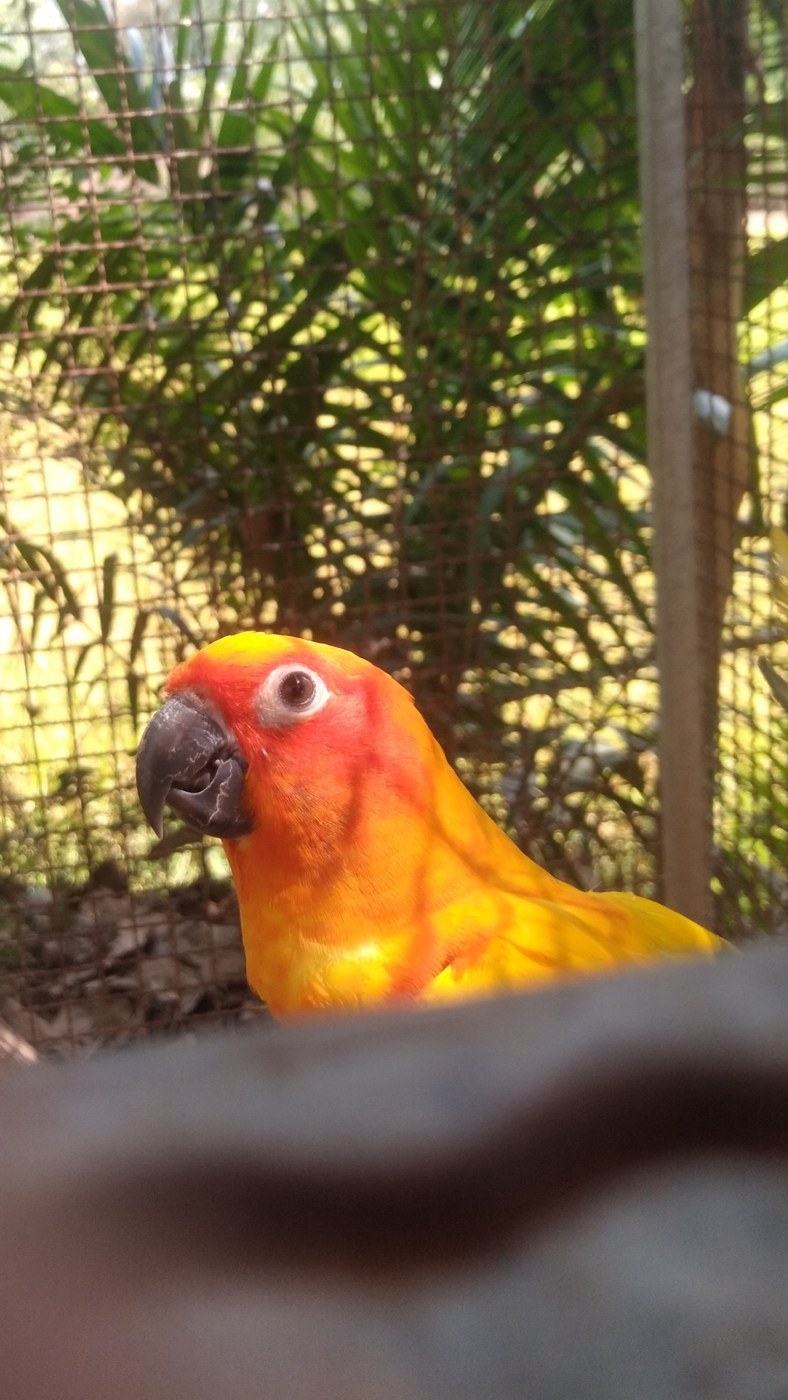
Sun Parakeet
Bright, dense body contour feathers; medium pointed tail feathers

Yellow-naped Amazon
Broad rounded contour feathers with sturdy flight feathers
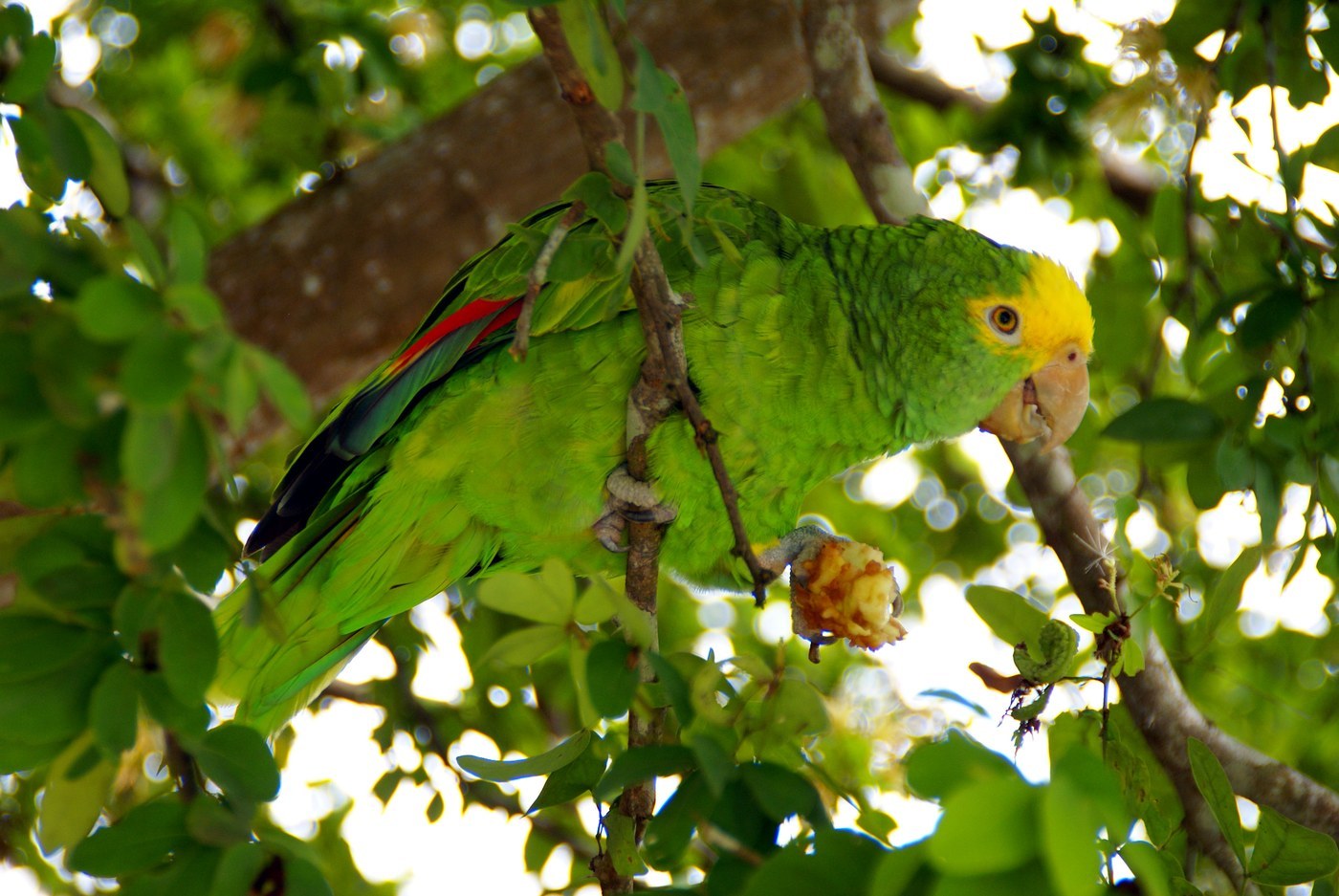
Yellow-headed Amazon
Dense, rounded body contour feathers; broad flight feathers
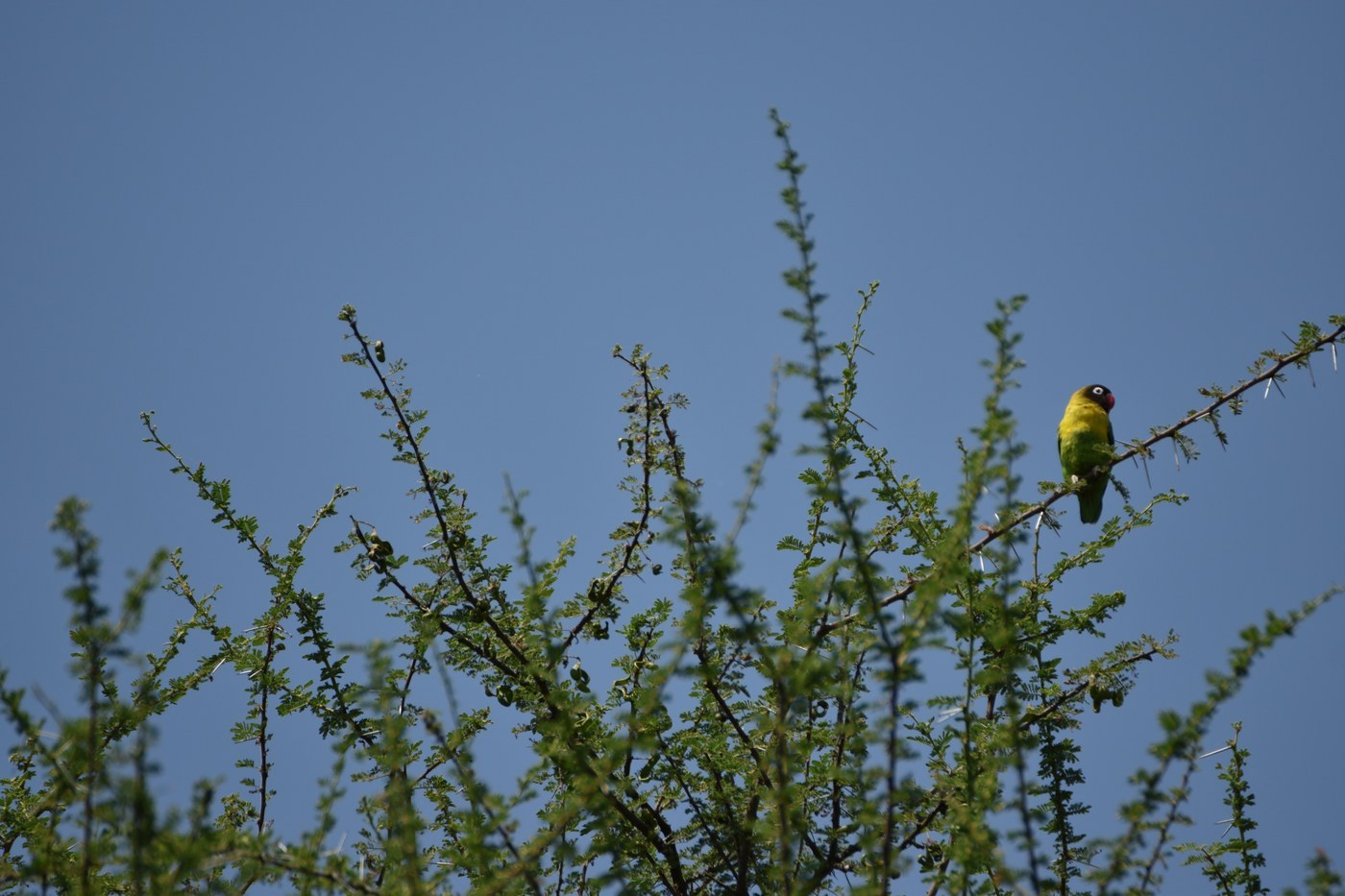
Yellow-collared Lovebird
Small compact flight feathers, short rounded tail

White-eyed Conure
Medium contour and long, graduated tail feathers

Yellow-tailed Black Cockatoo
Large, sturdy contour and flight feathers; short crest

Scarlet-chested Parrot
Small contour and flight feathers

Timneh Parrot
Broad flight feathers, scalloped body feathers with pale edges
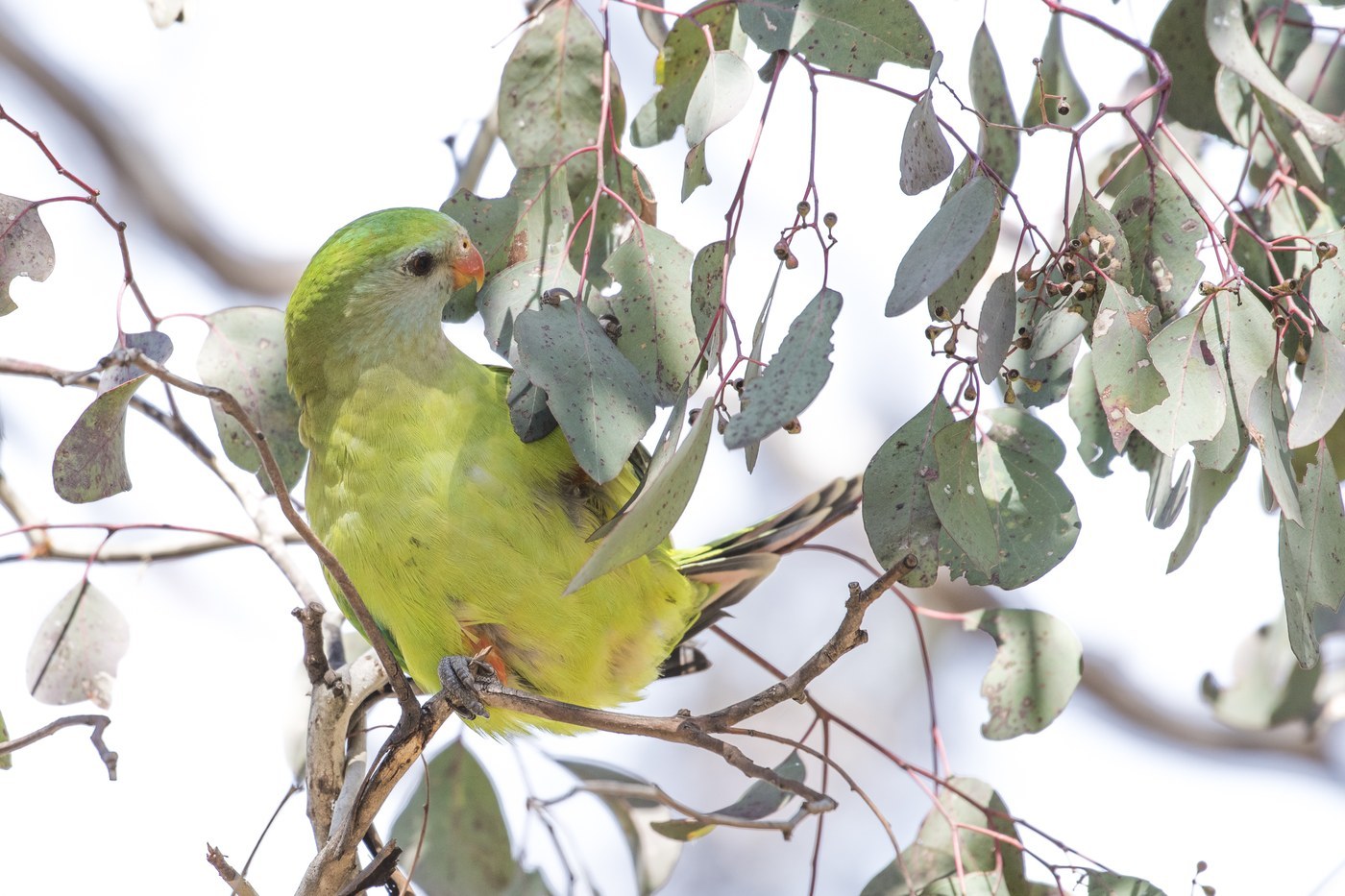
Superb Parrot
Sleek contour feathers with a long tapering tail

Red-shouldered Macaw
Compact body contour feathers; medium flight and tail feathers
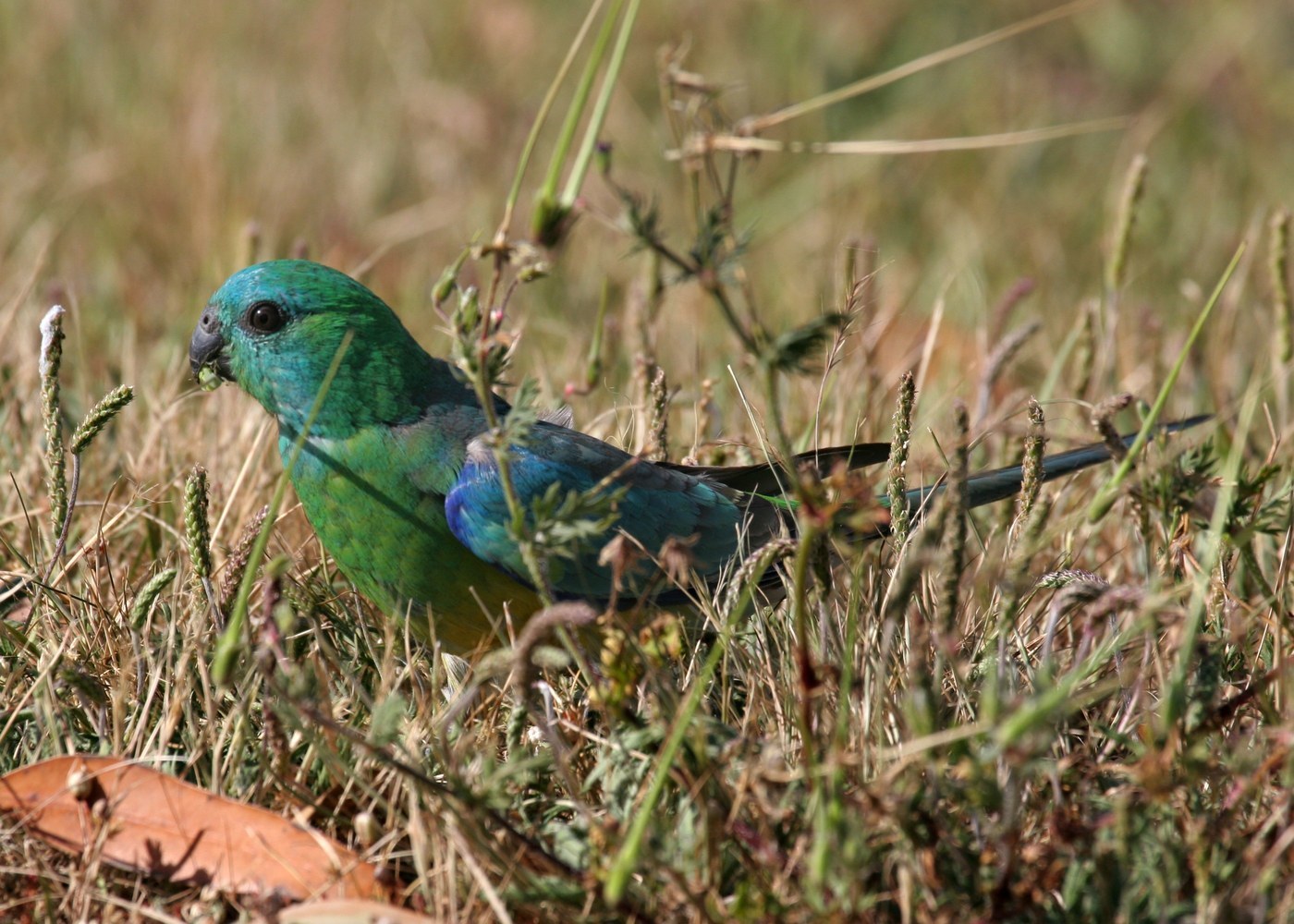
Red-rumped Parrot
Sleek contour feathers with a bright rump patch in males

White-capped Pionus
Compact contour feathers and short, squared tail feathers