

Chestnut-backed Chickadee
Poecile rufescens
The Chestnut-backed Chickadee is a Pacific coastal chickadee whose warm chestnut-brown back and flank feathers set it apart from every other North American chickadee.
- Feather type
- Small soft body feathers; rich chestnut-brown back & flank feathers
- Colours
- Dark brown cap, white cheeks, rich chestnut/rufous back and flanks, gray wings
- Bird size
- Tiny, ~11-12 cm
Found a feather like this?
Identify any feather from a photo, free.
Overview
Overview
The Chestnut-backed Chickadee is a Pacific coastal specialist, easily told apart from other chickadees by its warm rufous-brown back and flanks rather than the plain gray seen in most relatives. It inhabits damp coniferous forests from coastal Alaska south through California.
This coloring makes it one of the most distinctively colored chickadees, and a chestnut-brown back feather is a strong clue that it comes from this species rather than a Black-capped or Mountain Chickadee.
Identifying the Feather
Recognizing the Feathers
- Cap feathers: dark brown to blackish-brown, duller than the jet-black cap of other chickadees
- Back feathers: rich chestnut-brown, distinctive among chickadees
- Flank feathers: warm rufous-chestnut wash
- Wing & tail feathers: gray, unbarred
The chestnut-brown back and flank feathers are diagnostic; no other widespread North American chickadee shows this warm rufous tone, making this species one of the easiest chickadees to identify from a single body feather.
Plumage & Molt
Plumage
Sexes are alike, both with a dark brown cap, white cheeks, chestnut back and flanks, and gray wings and tail. Juveniles are slightly duller. One complete molt occurs in late summer after breeding.
Habitat & Range
Habitat & Range
This species is restricted to humid coniferous and mixed forests along the Pacific coast, from southern Alaska through British Columbia, Washington, Oregon, and into central California. It is a non-migratory permanent resident.
Behavior & Field Notes
Behavior & Field Notes
Chestnut-backed Chickadees forage in dense conifer foliage for insects and seeds, often high in the canopy, and readily join mixed-species foraging flocks. They nest in tree cavities, sometimes excavating their own in soft, rotten wood, and give a hoarser, faster call than other chickadees. A chestnut-toned body feather found along the Pacific coast in conifer forest is a strong indicator of this species.
Frequently asked questions
What makes Chestnut-backed Chickadee feathers unique?
The warm chestnut-brown back and flank color, unlike the plain gray of most chickadees.
Where is this species found?
Along the humid Pacific coast from Alaska to central California.
Is the cap feather glossy black like other chickadees?
No, it's a duller dark brown rather than jet black.
Does this chickadee migrate?
No, it is a year-round resident of coastal conifer forest.
Chestnut-backed Chickadee guides
In-depth guides for identifying and understanding Chestnut-backed Chickadee.

Other feathers you may enjoy

Yellow-breasted Bunting
Contour and flight feathers, chestnut-and-yellow breeding pattern
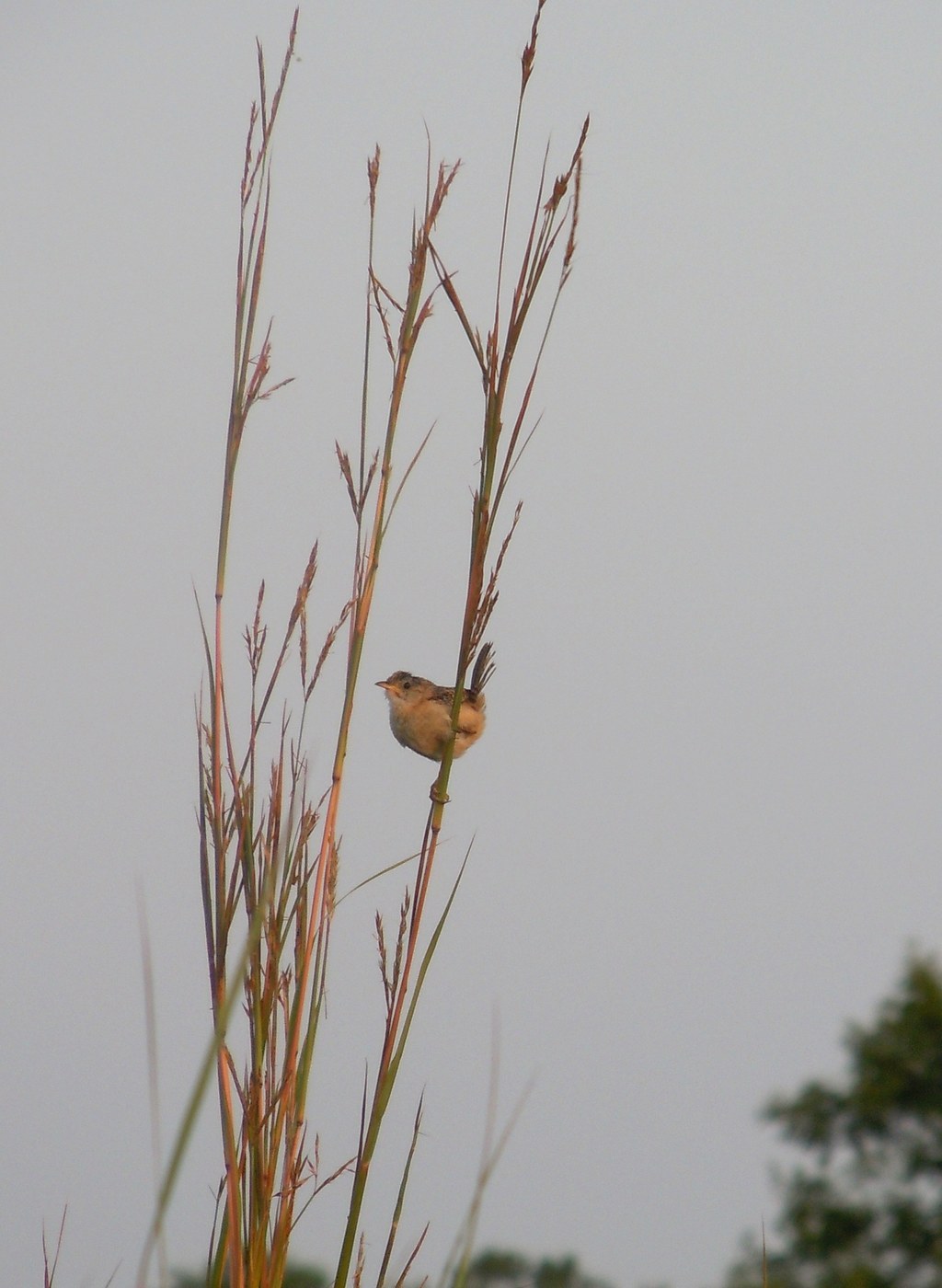
Sedge Wren
Tiny streaked crown and back feathers

Yellow-winged Cacique
Glossy black body feathers, yellow wing patch, shaggy crest

Yellow Warbler
Small contour and flight feathers
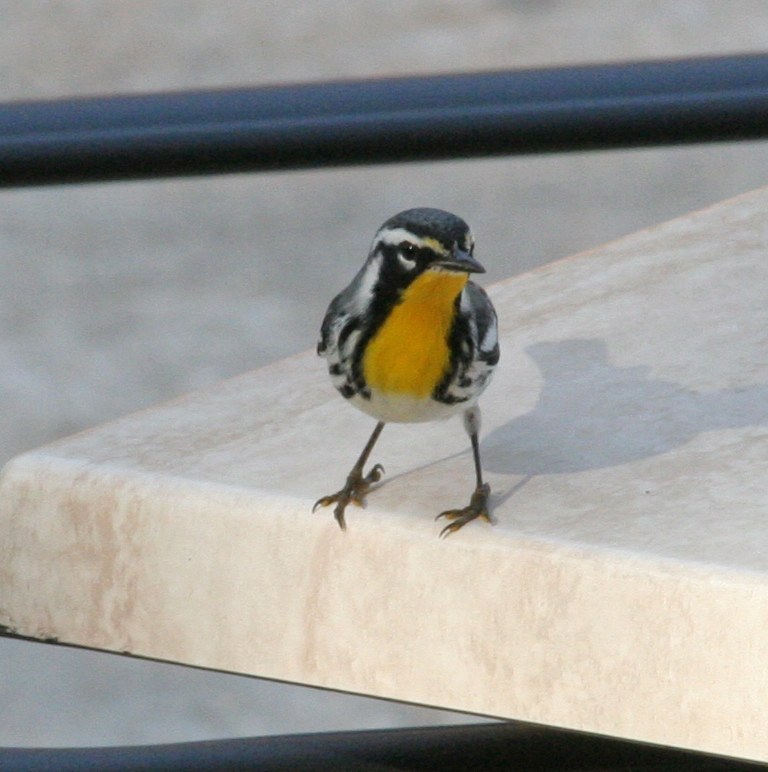
Yellow-throated Warbler
Small contour and flight feathers
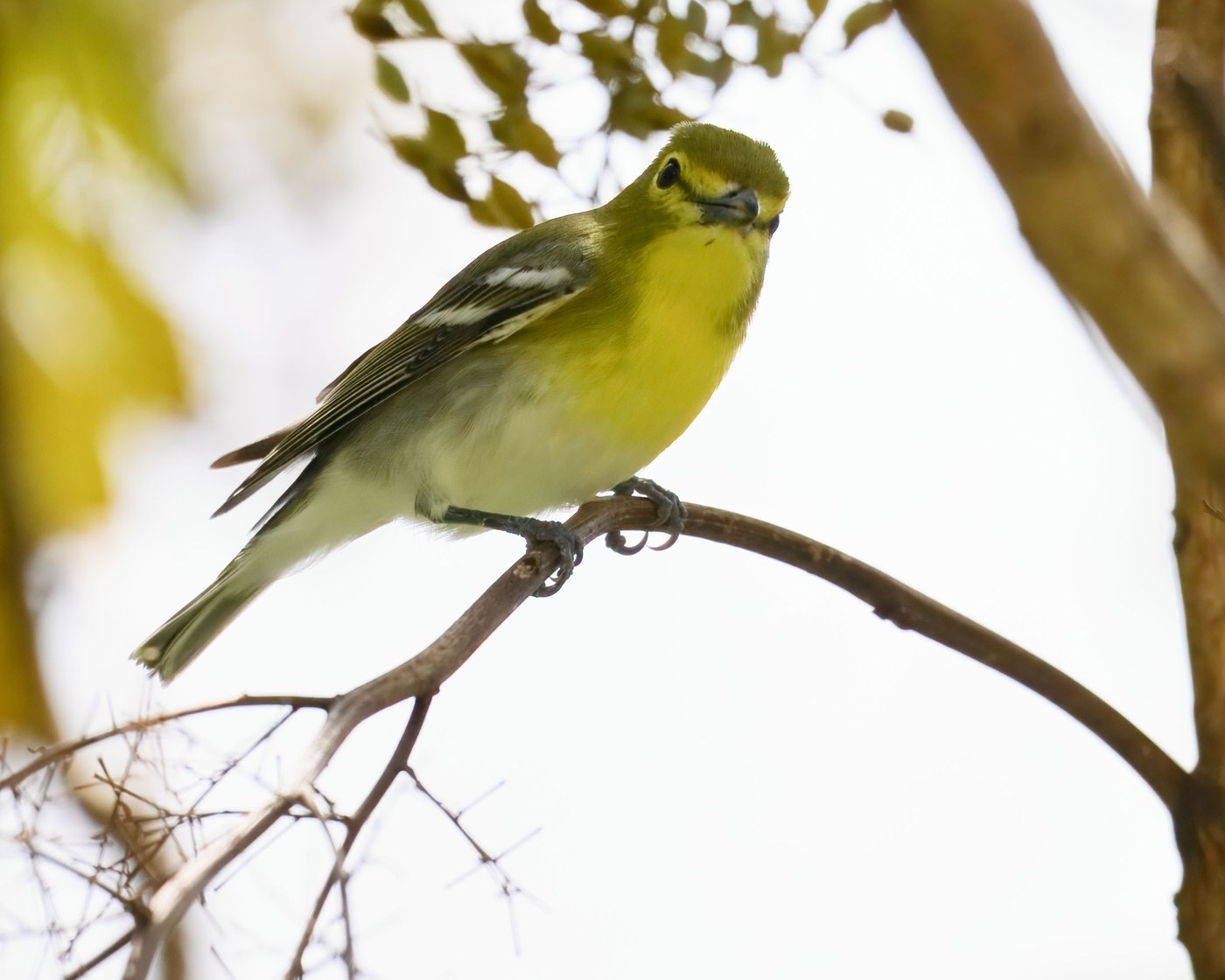
Yellow-throated Vireo
Bright yellow throat and spectacle feathers; olive-green back feathers; two white wing-bar feathers

Yellow-rumped Warbler
Small contour and flight feathers
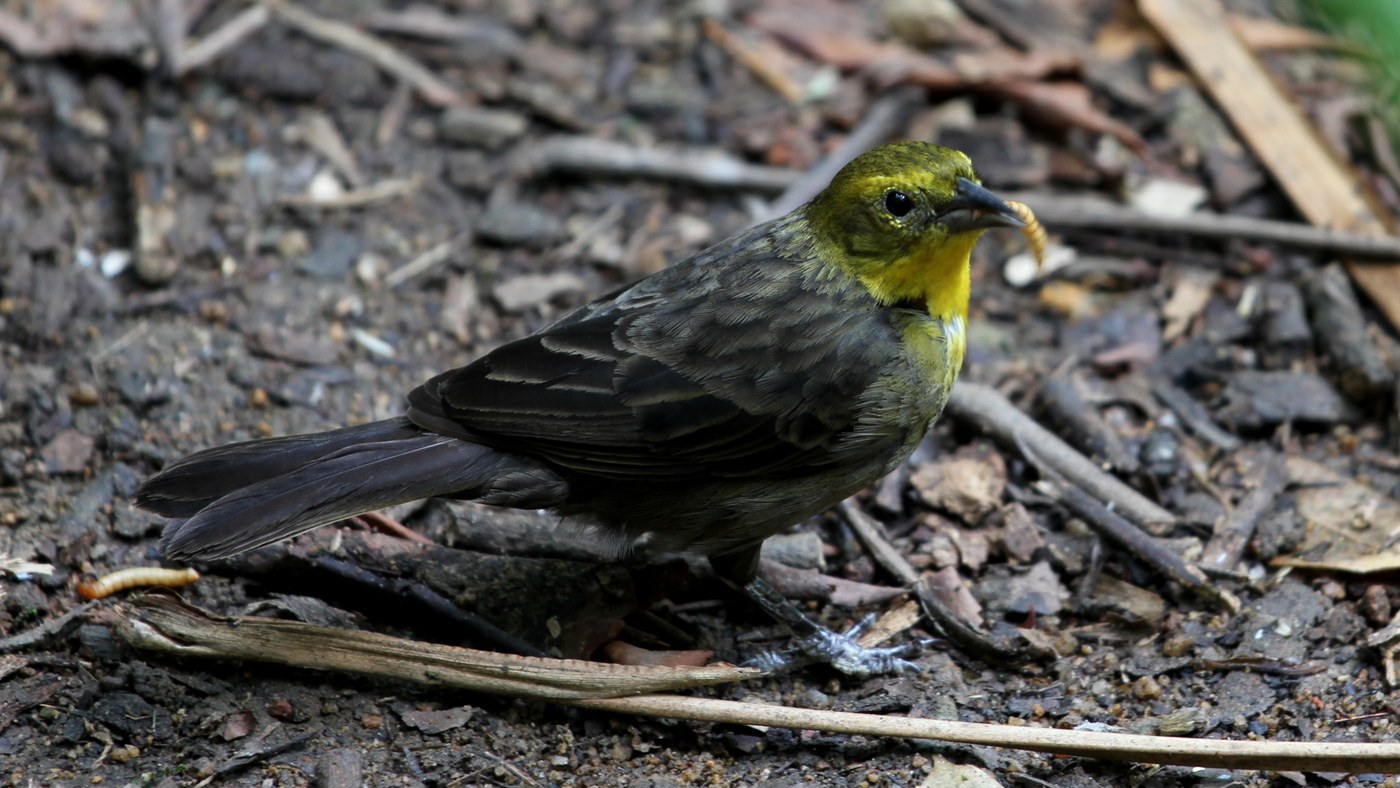
Yellow-hooded Blackbird
Contrasting hood and body feathers
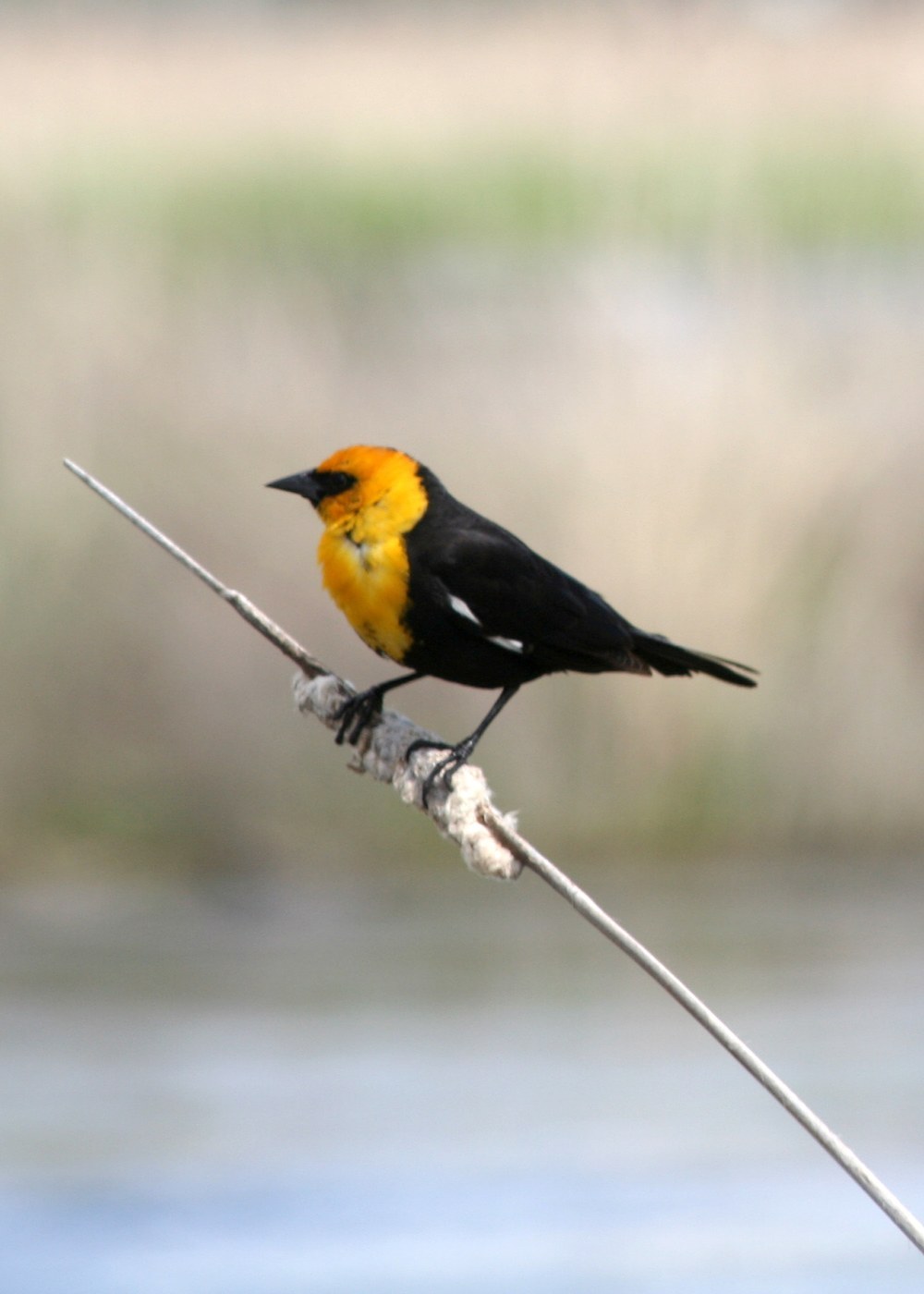
Yellow-headed Blackbird
Glossy black body plumage with a bright yellow head and breast

Yellow-eyed Junco
Contour and flight feathers

Yellow-fronted Canary
Small, smooth body plumage

Yellow-breasted Greenfinch
Compact, smooth body plumage