

Carolina Chickadee
Poecile carolinensis
The Carolina Chickadee is the southeastern counterpart to the Black-capped Chickadee, producing nearly identical tiny black-capped, gray-backed feathers.
- Feather type
- Tiny soft body feathers; plain gray flight feathers with narrow pale fringes
- Colours
- Black cap and bib, white cheeks, gray back, pale gray-buff underside
- Bird size
- Tiny, ~11-12 cm
Found a feather like this?
Identify any feather from a photo, free.
Overview
Overview
The Carolina Chickadee is the southeastern counterpart to the Black-capped Chickadee, sharing the same black-and-white head pattern but occupying a range across the southeastern United States. It is a common backyard bird whose tiny feathers closely resemble those of its northern relative.
Because the two chickadee species overlap only in a narrow zone, geography is often the best way to know which one produced a found feather.
Identifying the Feather
Recognizing the Feathers
- Cap & bib: solid black, soft and small
- Cheeks: white, unmarked
- Back & wings: plain gray with very narrow, faint pale fringes on the flight feathers
- Underside: pale grayish-buff, unstreaked
Carolina Chickadee feathers are essentially indistinguishable from Black-capped Chickadee feathers by eye; the slightly shorter overall size and southeastern range are the main clues, since both share the same black cap, white cheek, and plain gray back pattern.
Plumage & Molt
Plumage
Sexes look alike, with a black cap and throat, white cheeks, gray back, and pale buffy underparts. Wing feathers show less white edging than the Black-capped Chickadee, a subtle difference visible mainly in the hand. One complete molt occurs after the breeding season.
Habitat & Range
Habitat & Range
Carolina Chickadees inhabit deciduous forests, woodland edges, and suburban areas across the southeastern United States, from the Gulf Coast north to a narrow overlap zone with Black-capped Chickadees. They are non-migratory permanent residents.
Behavior & Field Notes
Behavior & Field Notes
Like other chickadees, this species forages actively for insects and seeds, readily visits feeders, and nests in tree cavities or nest boxes. Its call is a faster, higher-pitched version of the Black-capped Chickadee's call, and its song is a clear whistle. Feathers found in southeastern yards and woodlots are far more likely to belong to this species than to the Black-capped Chickadee.
Frequently asked questions
Can you reliably tell Carolina and Black-capped Chickadee feathers apart?
Not by pattern alone - the two are nearly identical; location within their respective ranges is the best clue.
What is distinctive about a Carolina Chickadee's cap?
It is solid black, matching the bib, contrasting sharply with white cheeks.
Does the Carolina Chickadee have streaked feathers?
No, its feathers are plain, without streaks or bars.
Where would I most likely find a Carolina Chickadee feather?
In woodlands, parks, or backyards of the southeastern United States.
Carolina Chickadee guides
In-depth guides for identifying and understanding Carolina Chickadee.

Other feathers you may enjoy

Yellow-breasted Bunting
Contour and flight feathers, chestnut-and-yellow breeding pattern
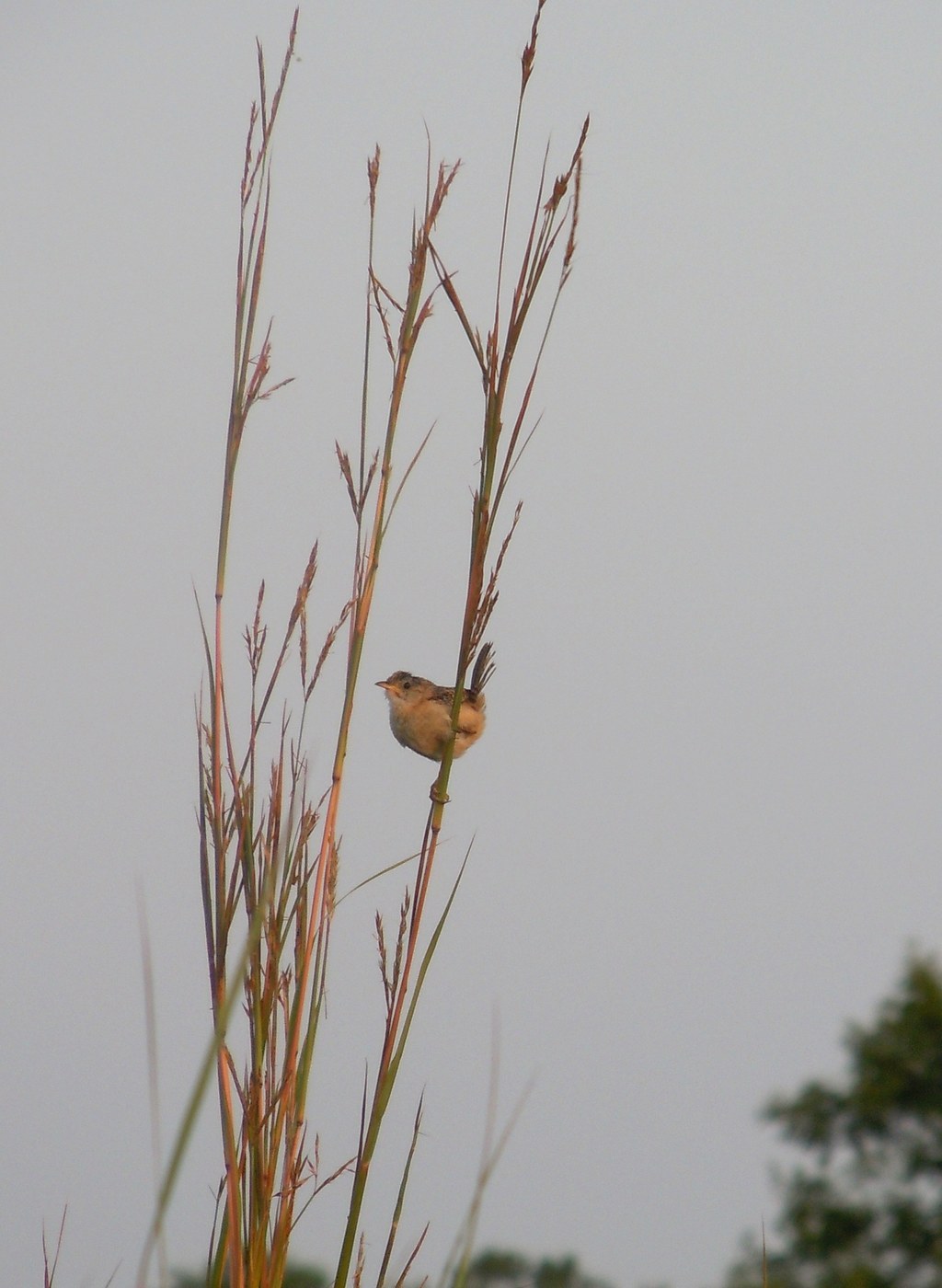
Sedge Wren
Tiny streaked crown and back feathers

Yellow-winged Cacique
Glossy black body feathers, yellow wing patch, shaggy crest

Yellow Warbler
Small contour and flight feathers
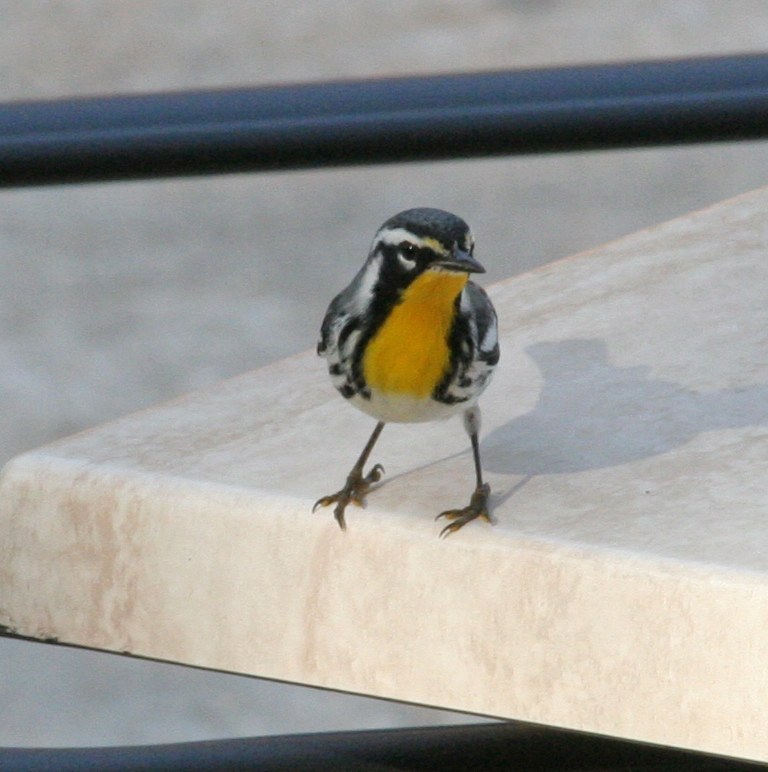
Yellow-throated Warbler
Small contour and flight feathers
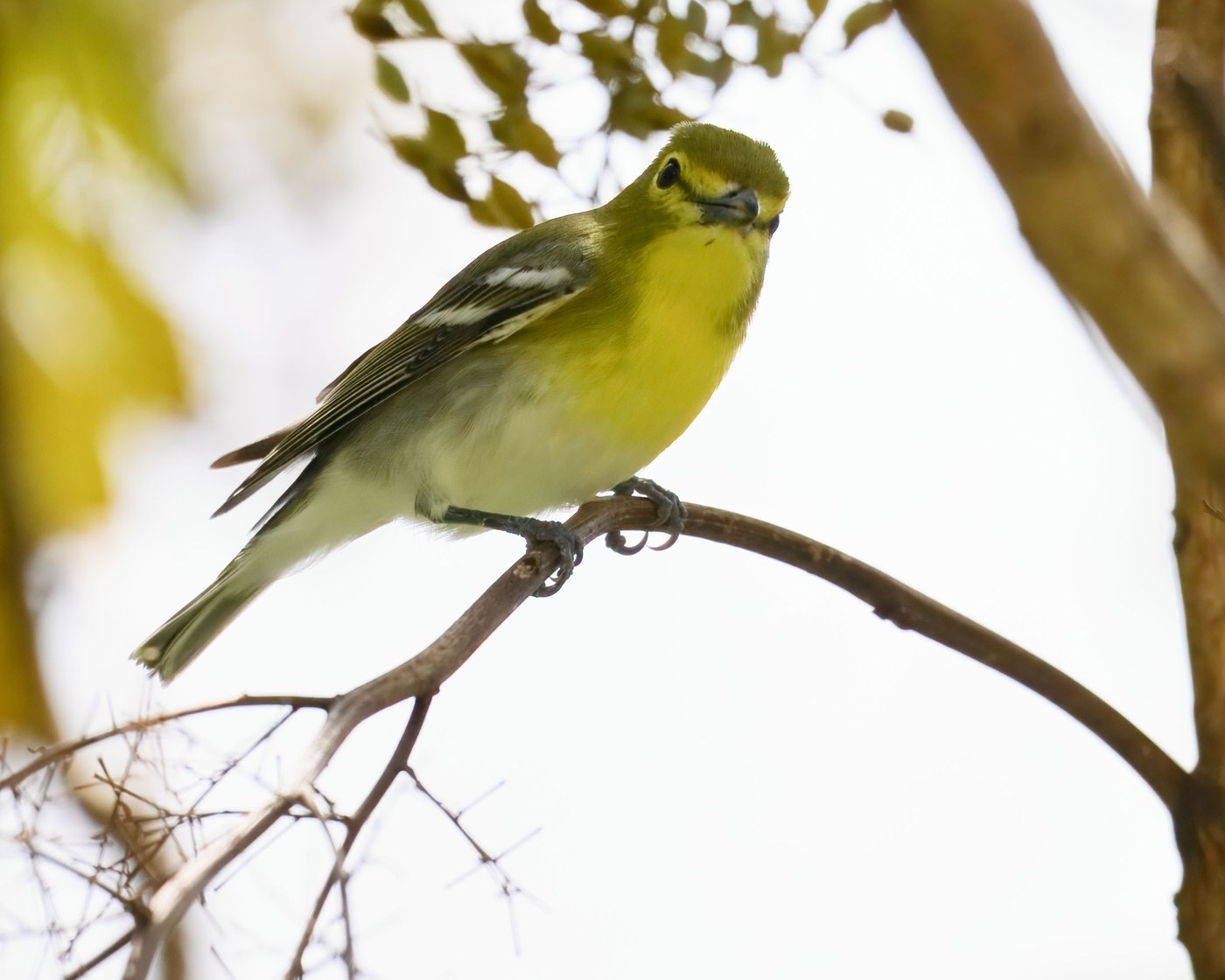
Yellow-throated Vireo
Bright yellow throat and spectacle feathers; olive-green back feathers; two white wing-bar feathers

Yellow-rumped Warbler
Small contour and flight feathers
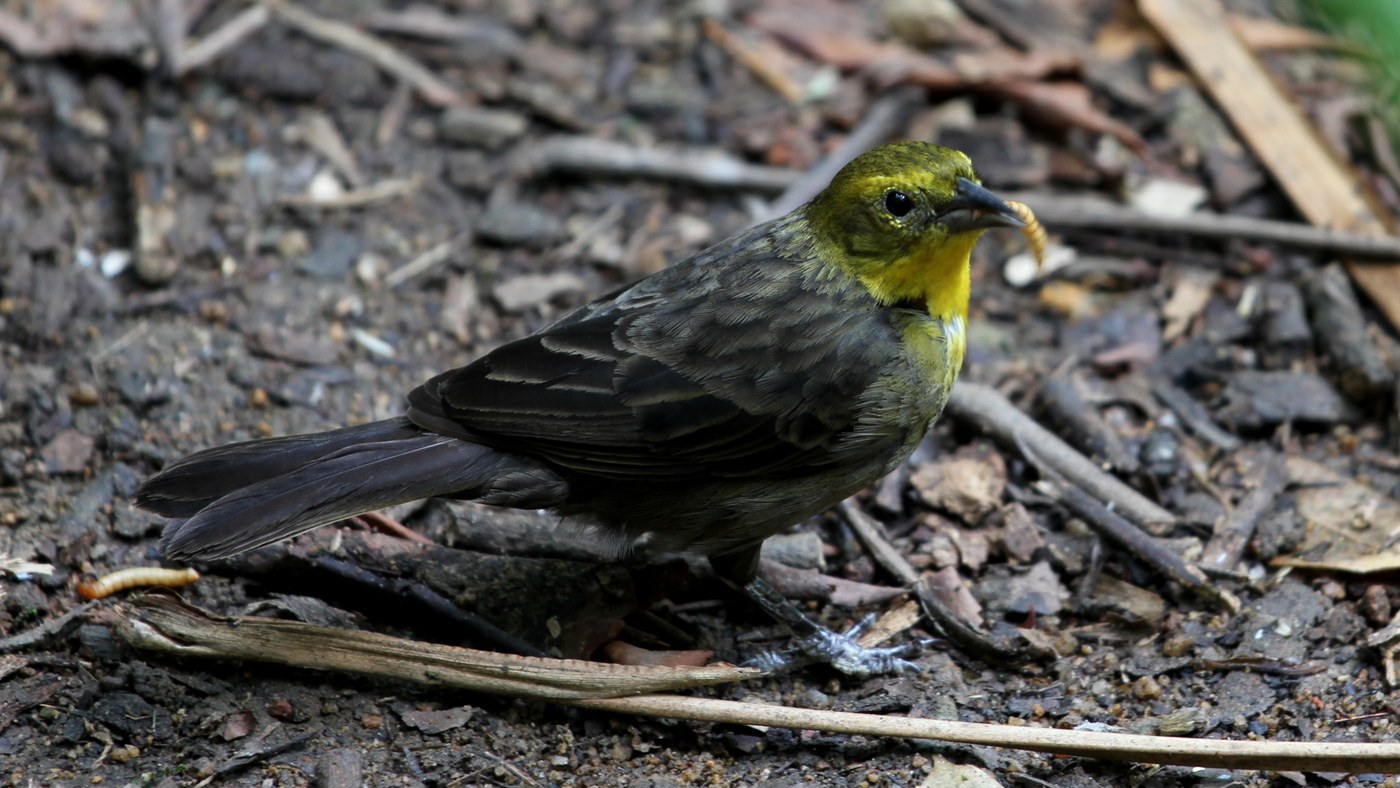
Yellow-hooded Blackbird
Contrasting hood and body feathers
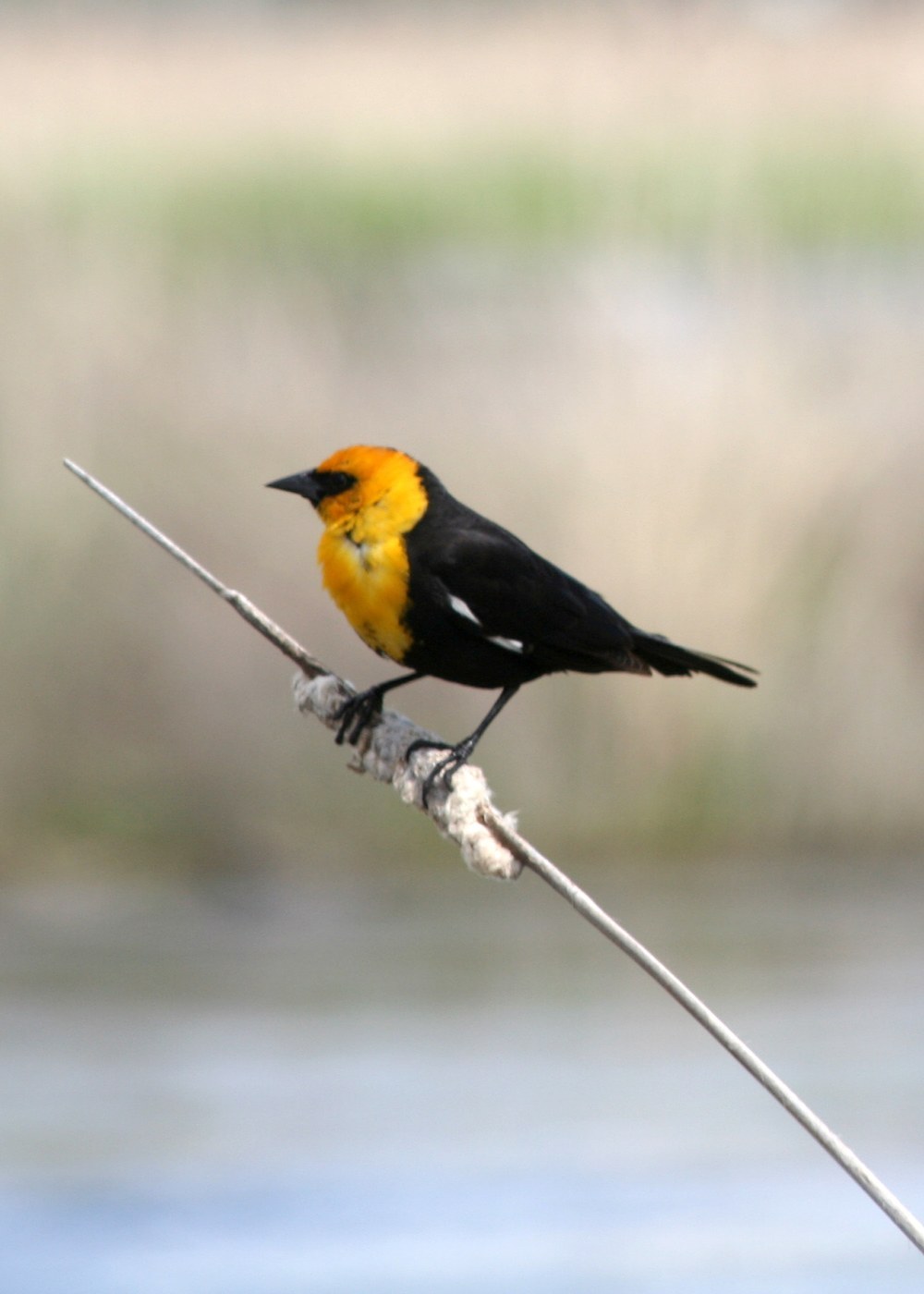
Yellow-headed Blackbird
Glossy black body plumage with a bright yellow head and breast

Yellow-eyed Junco
Contour and flight feathers

Yellow-fronted Canary
Small, smooth body plumage

Yellow-breasted Greenfinch
Compact, smooth body plumage