

Cape Bunting
Emberiza capensis
A southern African bunting with a black-and-white striped face and a warm chestnut wing panel, favoring rocky, hilly terrain.
- Feather type
- Boldly striped facial feathers with chestnut wing panel
- Colours
- Grey, black, white, and chestnut
- Bird size
- Sparrow-sized, ~16 cm
Found a feather like this?
Identify any feather from a photo, free.
Overview
Overview
The Cape Bunting is found across southern Africa, typically on rocky hillsides, koppies, and grassland studded with rock outcrops. Its bold facial stripes and chestnut wing panel make it a distinctive bunting within its range.
It is a familiar bird of rocky habitats, often seen perched conspicuously on boulders.
Identifying the Feather
Feather Identification
- Face: black-and-white striped pattern with a pale central crown stripe.
- Wings: chestnut panel formed by the wing coverts, contrasting with darker flight feathers.
- Underparts: pale grey, unstreaked.
- Upperparts: streaked grey-brown, blending with rocky backgrounds.
The chestnut wing panel combined with the striped black-and-white face is a reliable combination distinguishing this species from other African buntings sharing rocky habitat.
Plumage & Molt
Plumage Notes
Sexes are similar in this species, both showing the striped face and chestnut wing panel with little seasonal change. Juveniles are more diffusely streaked and show a less defined facial pattern.
A single annual molt follows breeding, after which plumage remains fairly stable given the limited seasonal plumage variation typical of many African buntings.
Habitat & Range
Habitat & Range
This species is widespread across southern Africa, favoring rocky hillsides, koppies, and grassland with scattered rock outcrops from South Africa north into parts of eastern and central Africa.
Most populations are resident, remaining on territory year-round given the stability of their rocky habitat.
Behavior & Field Notes
Behavior & Field Notes
Cape Buntings forage on the ground among rocks for seeds and insects, often perching prominently on boulders while singing.
The nest is tucked into rock crevices or ledges. The song is a clear, whistled series of notes. The combination of striped face and chestnut wing panel, together with its habit of perching openly on rocks, makes this species relatively easy to identify in its rocky range.
Frequently asked questions
What is the most useful field mark for the Cape Bunting?
A black-and-white striped face combined with a chestnut wing panel is the most reliable identifying combination.
Where does this species typically occur?
It favors rocky hillsides, koppies, and grassland with rock outcrops across southern Africa and into parts of eastern and central Africa.
Do males and females look different?
No, the sexes are similar, both showing the same striped face and chestnut wing panel pattern.
Is the Cape Bunting migratory?
Most populations are resident, staying on territory year-round in stable rocky habitat.
Cape Bunting guides
In-depth guides for identifying and understanding Cape Bunting.

Other feathers you may enjoy

Yellow-breasted Bunting
Contour and flight feathers, chestnut-and-yellow breeding pattern
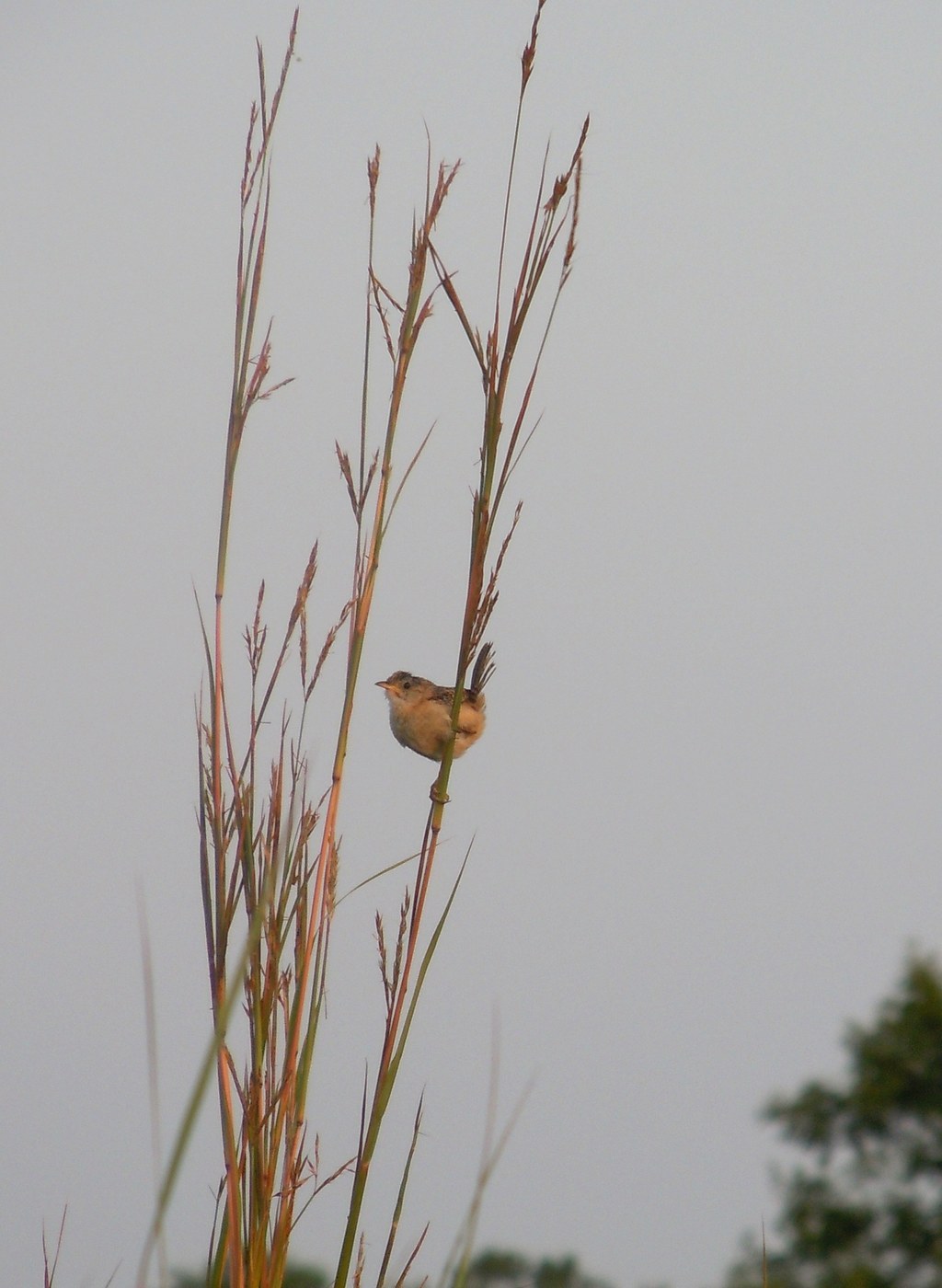
Sedge Wren
Tiny streaked crown and back feathers

Yellow-winged Cacique
Glossy black body feathers, yellow wing patch, shaggy crest

Yellow Warbler
Small contour and flight feathers
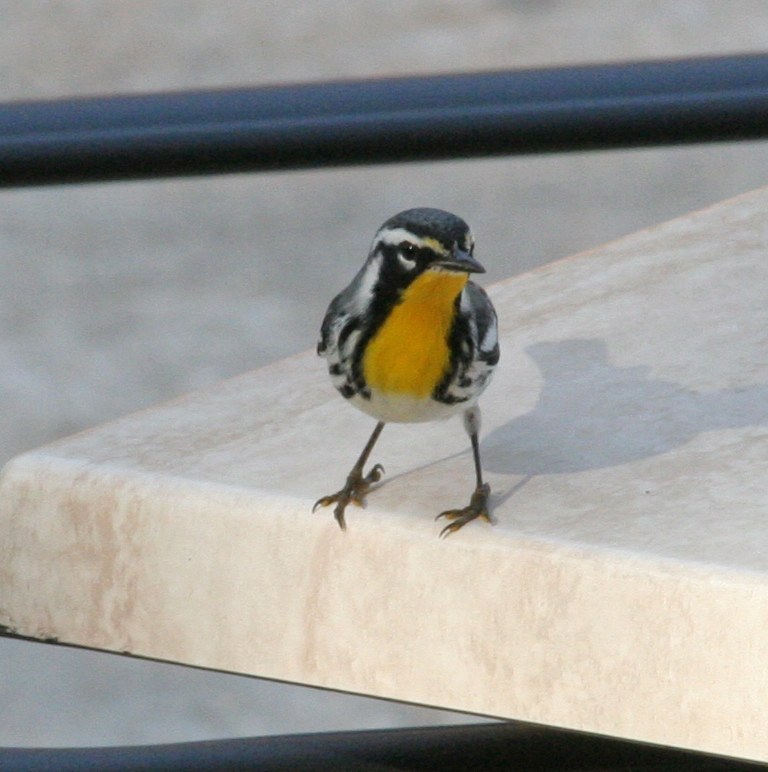
Yellow-throated Warbler
Small contour and flight feathers
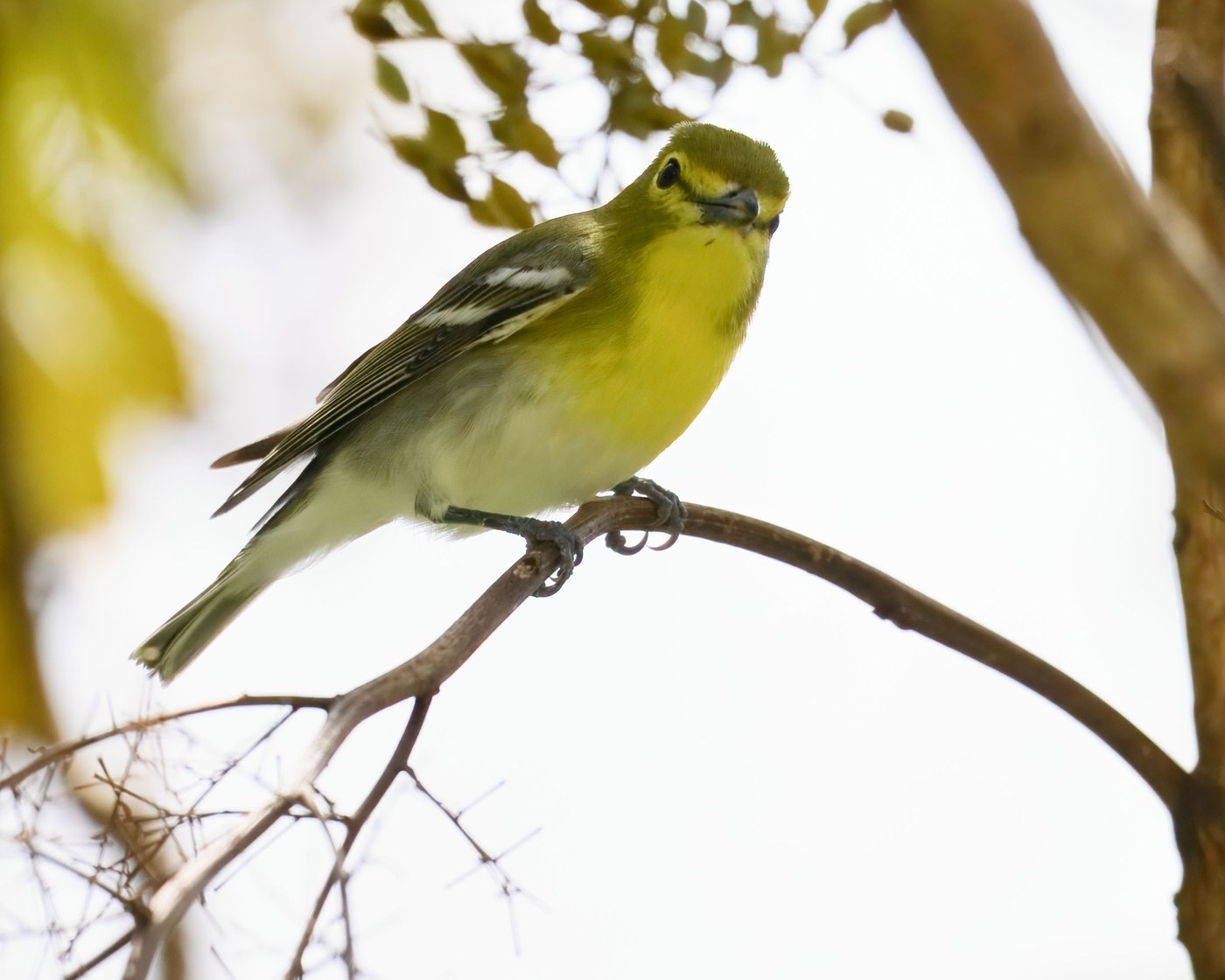
Yellow-throated Vireo
Bright yellow throat and spectacle feathers; olive-green back feathers; two white wing-bar feathers

Yellow-rumped Warbler
Small contour and flight feathers
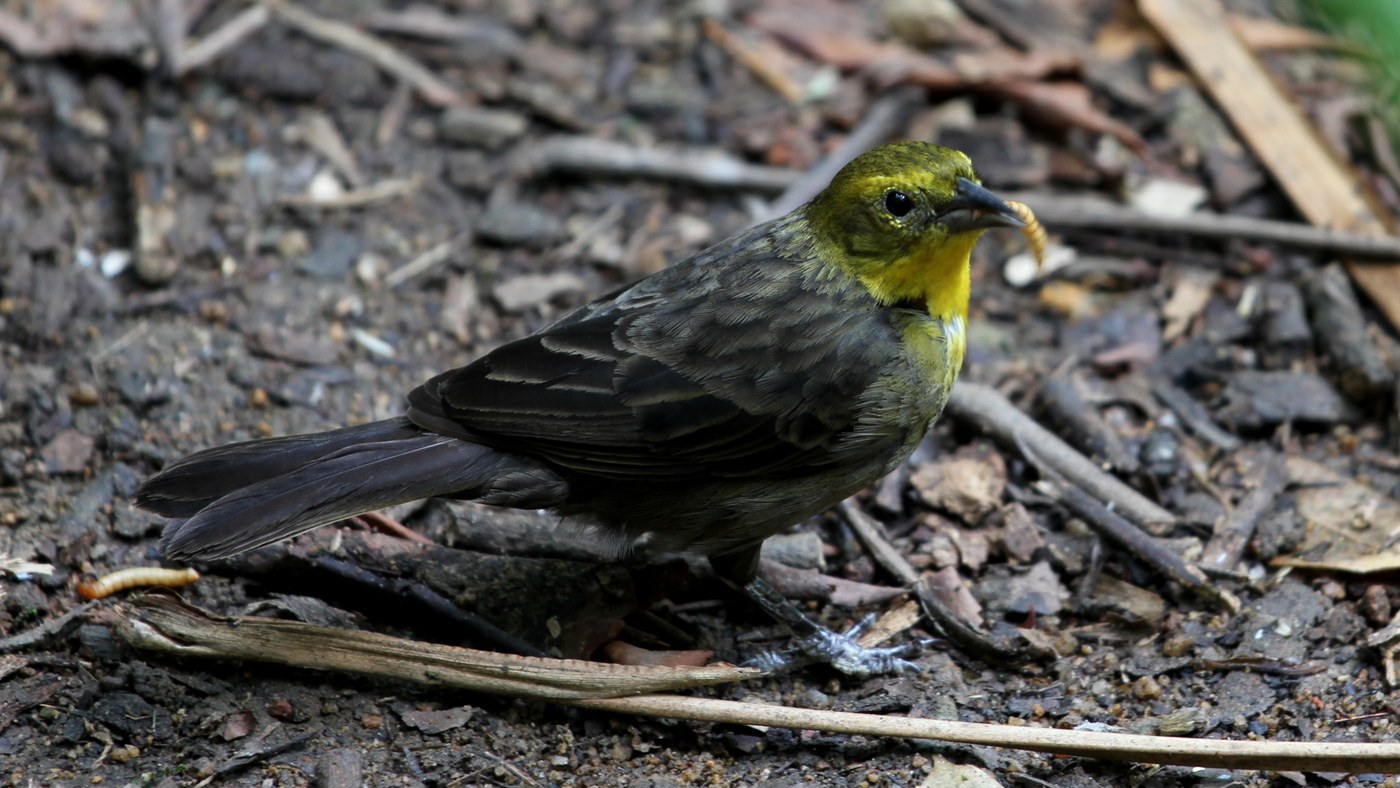
Yellow-hooded Blackbird
Contrasting hood and body feathers
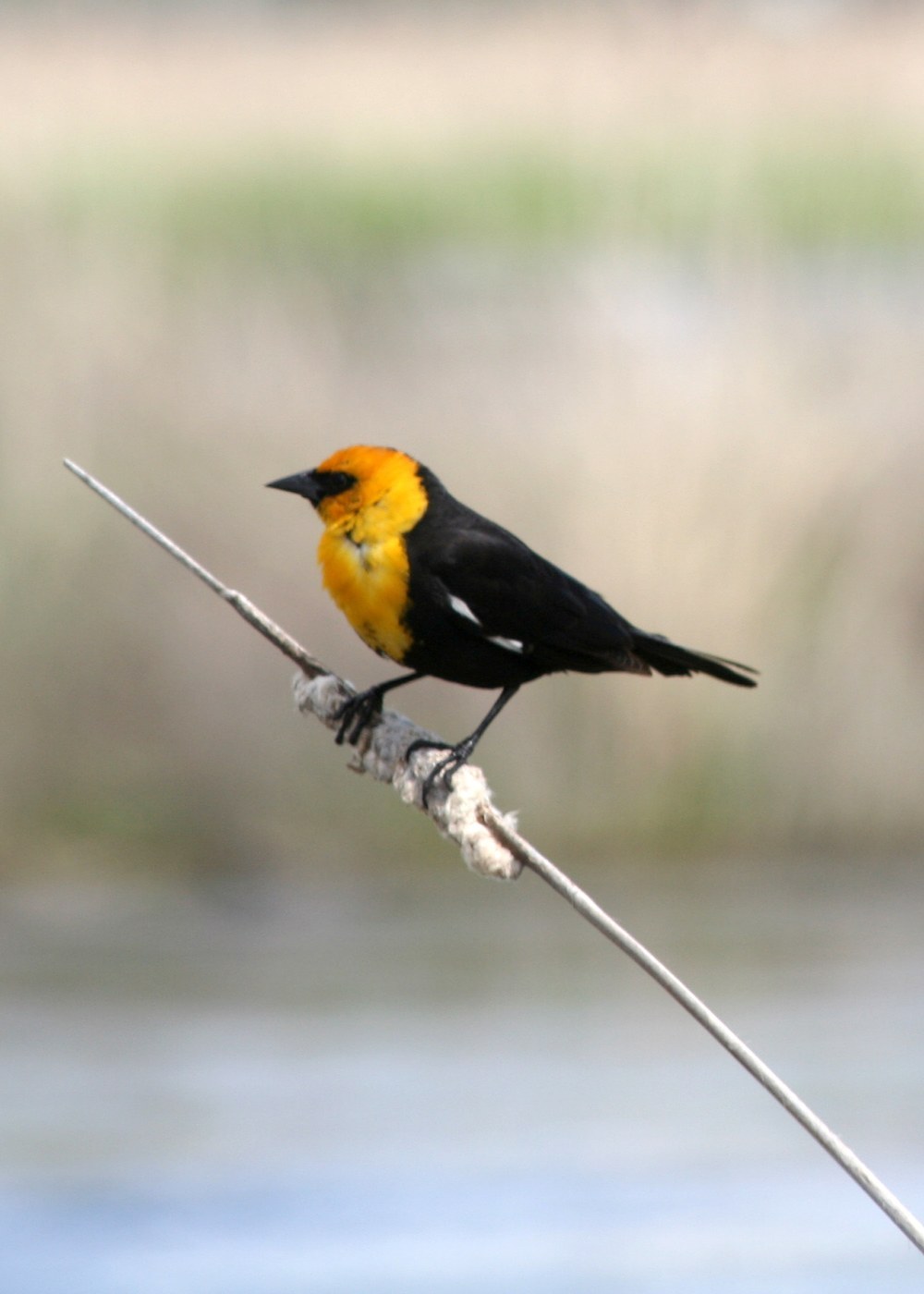
Yellow-headed Blackbird
Glossy black body plumage with a bright yellow head and breast

Yellow-eyed Junco
Contour and flight feathers

Yellow-fronted Canary
Small, smooth body plumage

Yellow-breasted Greenfinch
Compact, smooth body plumage