

Bushtit
Psaltriparus minimus
A tiny, drab, highly social western songbird whose plain gray-brown feathers and long slender tail relative to its round body make it easy to identify despite its lack of bold markings.
- Feather type
- Very small, soft contour feathers; long slender tail feathers relative to body
- Colours
- Plain gray-brown overall, sometimes with a brownish cap or cheek patch
- Bird size
- Very small, ~10-11 cm, with a proportionally long tail
Found a feather like this?
Identify any feather from a photo, free.
Overview
The Bushtit is a small, plain-plumaged songbird of the western United States and Mexico, best known for traveling in large, constantly chattering flocks through shrubs and low tree canopy. Its subdued gray-brown feathers reflect its low-key foraging lifestyle rather than territorial display.
Because Bushtits move in tight flocks and forage low in shrubs, feathers are sometimes found in dense chaparral or garden hedges where flocks have been active.
Its extremely small size combined with a long tail relative to body length is one of the more useful identification clues for its feathers.
Identifying the Feather
Identifying Bushtit feathers
- Size: Among the smallest passerine feathers likely to be found in western North America, reflecting the bird's tiny 5-6 gram body mass.
- Body feathers: Plain gray-brown, unmarked, soft and fluffy with no barring or streaking.
- Head feathers: In some populations (interior birds), males show a brownish cap or females/juveniles a paler brown cheek patch, though coastal birds are more uniformly gray.
- Tail feathers: Notably long and slender relative to overall body size, dark grayish-brown, giving the tail a graduated shape.
- Compared to similar species: Bushtit feathers lack the yellow, black, or white patterning seen in kinglets or chickadees and are duller and plainer overall, with the long thin tail being the best distinguishing shape.
Plumage & Molt
Plumage overview
Adults are plain gray-brown overall, paler below, with subtle regional variation — interior populations may show a warm brown crown in males and a brown cheek patch in females and juveniles, while Pacific coastal birds are more uniformly gray with less contrast. Eye color also varies by sex in some populations, though this is not a feather trait.
Juveniles closely resemble adults with only minor differences in feather freshness. Molt occurs once annually after the breeding season.
Habitat & Range
Habitat and range
Bushtits are resident (non-migratory) across much of the western United States and into Mexico, inhabiting oak woodland, chaparral, pinyon-juniper scrub, and shrubby suburban and urban gardens. They rarely move far from their home range across seasons.
Their range spans from the Pacific coast to the interior Southwest, generally avoiding higher elevation conifer forest in favor of brushy, broadleaf habitats.
Behavior & Field Notes
Behavior and field notes
Bushtits are highly social, foraging in flocks of a dozen or more that move together through shrubs and low tree canopy, gleaning small insects and spiders from leaves and twigs. Flocks maintain constant contact with soft, high-pitched twittering calls.
They build distinctive hanging, sock-like woven nests suspended from branches, camouflaged with lichen and moss. A useful field note: because flocks forage together in a tight group, finding one Bushtit feather often means others from flockmates may be nearby.
Frequently asked questions
What is the best clue for identifying a Bushtit feather?
Extremely small size combined with a proportionally long, slender tail feather and plain gray-brown coloration without bold markings.
Do Bushtit feathers have any bright colors?
No, this species has uniformly drab gray-brown plumage with at most a subtle brown cap or cheek patch in some populations.
Where are Bushtit feathers most likely to be found?
In chaparral, oak woodland, or shrubby gardens across the western United States, especially where flocks are known to forage.
Is there a plumage difference between male and female Bushtits?
In interior populations, males may show a brown cap and females a brown cheek patch, but coastal birds show little sexual plumage difference.
Bushtit guides
In-depth guides for identifying and understanding Bushtit.

Other feathers you may enjoy

Yellow-breasted Bunting
Contour and flight feathers, chestnut-and-yellow breeding pattern
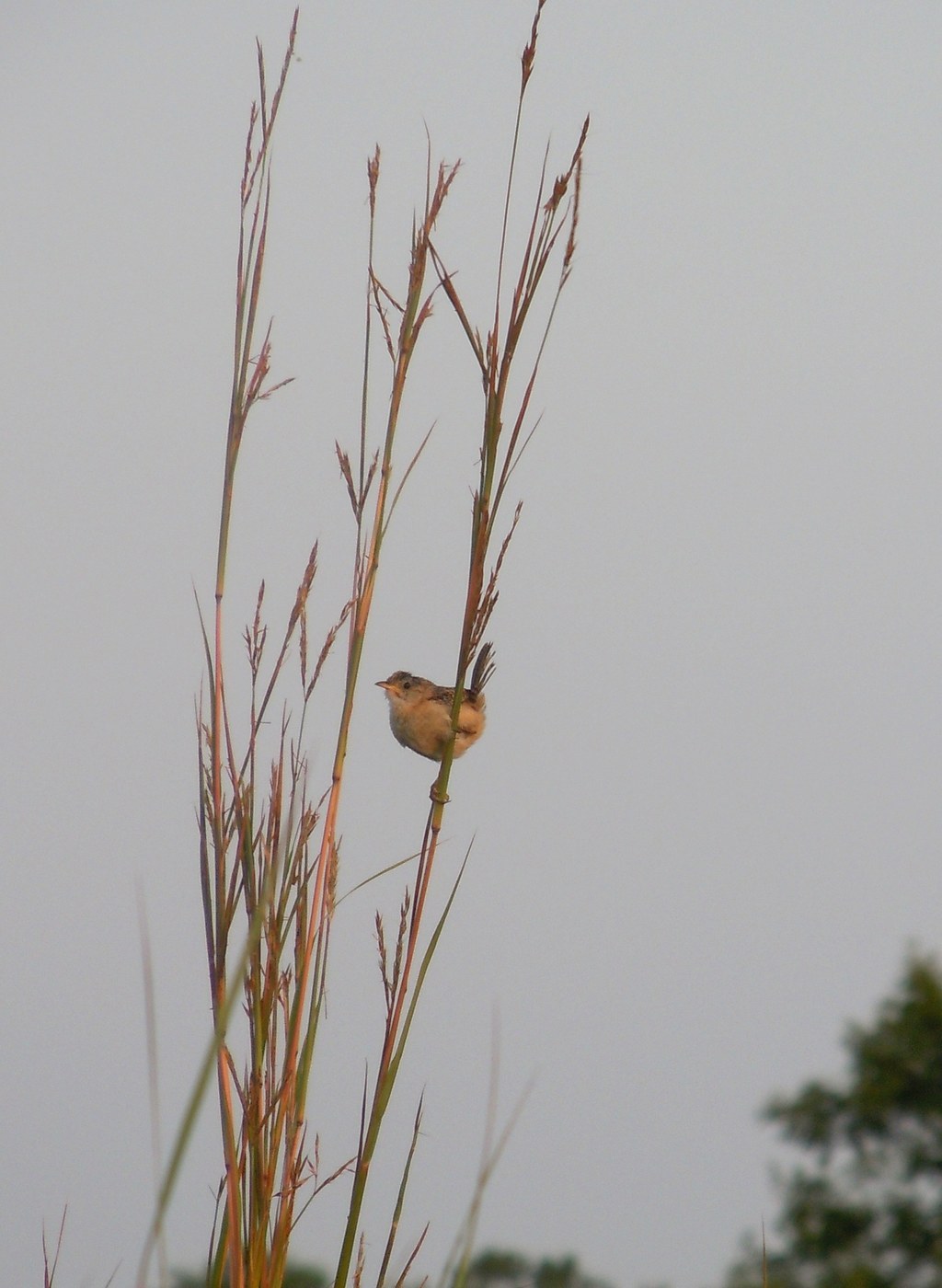
Sedge Wren
Tiny streaked crown and back feathers

Yellow-winged Cacique
Glossy black body feathers, yellow wing patch, shaggy crest

Yellow Warbler
Small contour and flight feathers
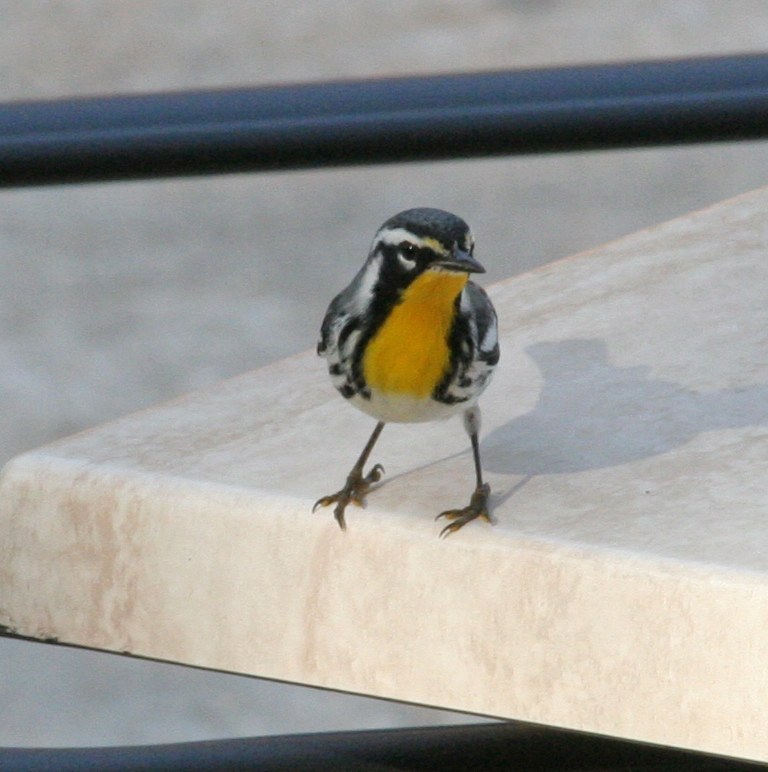
Yellow-throated Warbler
Small contour and flight feathers
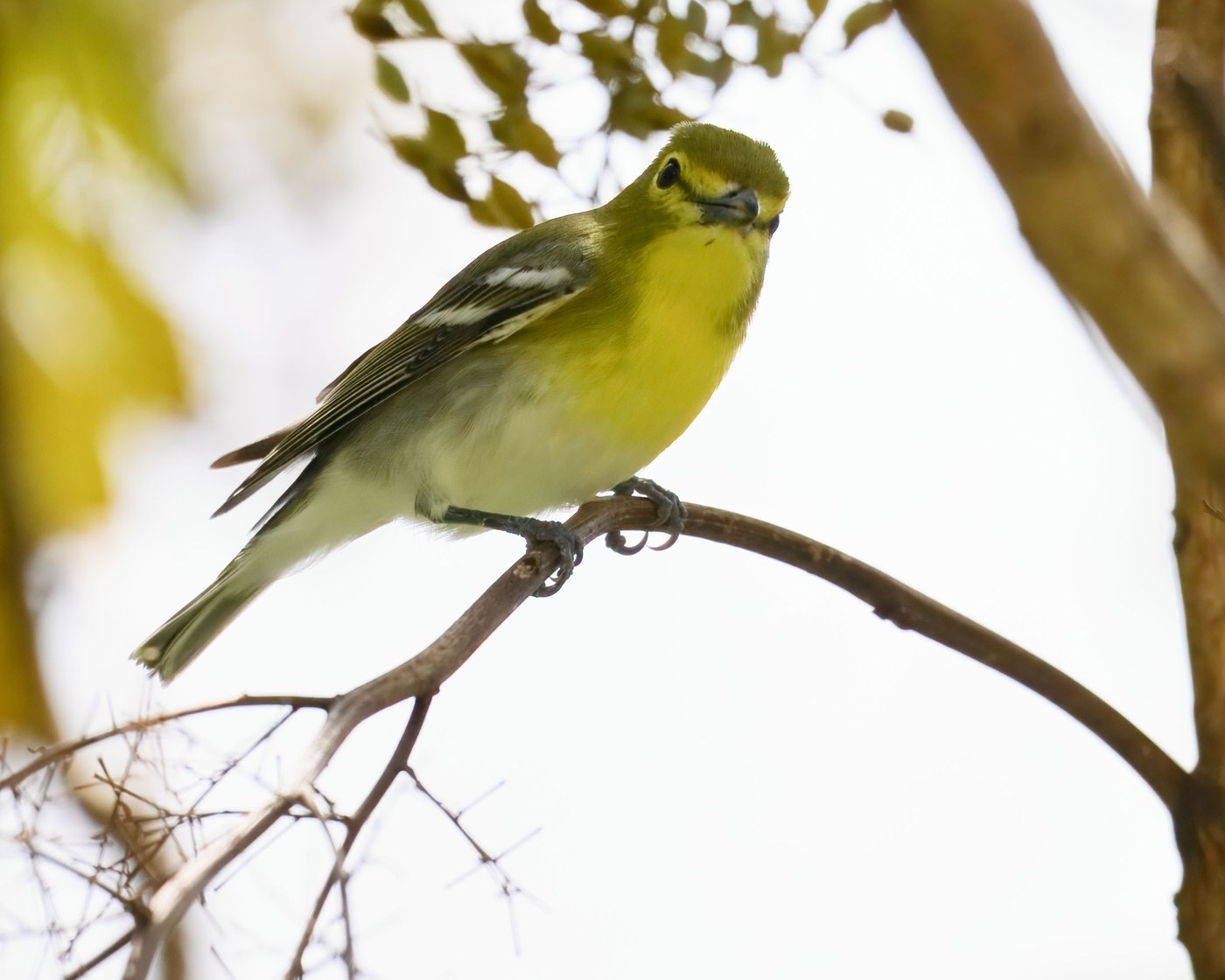
Yellow-throated Vireo
Bright yellow throat and spectacle feathers; olive-green back feathers; two white wing-bar feathers

Yellow-rumped Warbler
Small contour and flight feathers
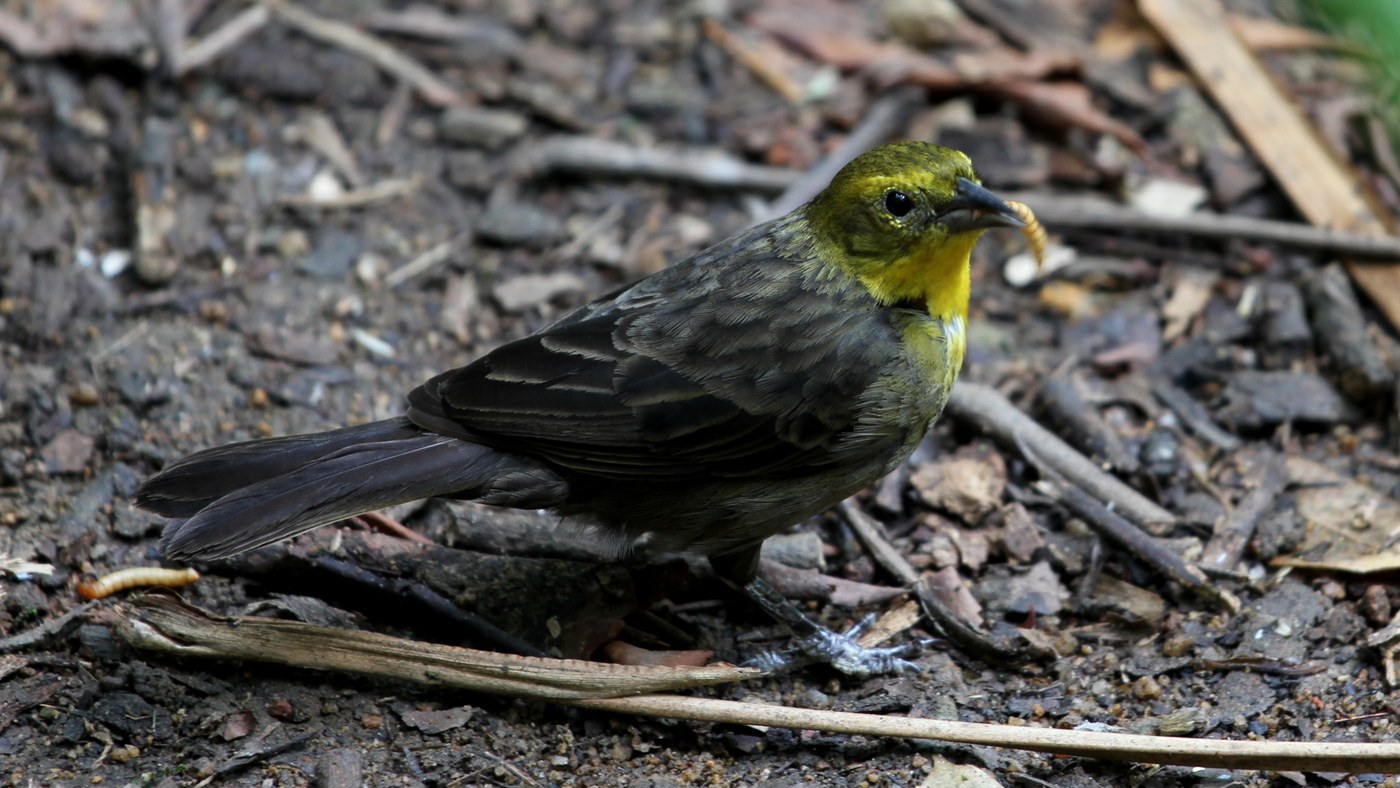
Yellow-hooded Blackbird
Contrasting hood and body feathers
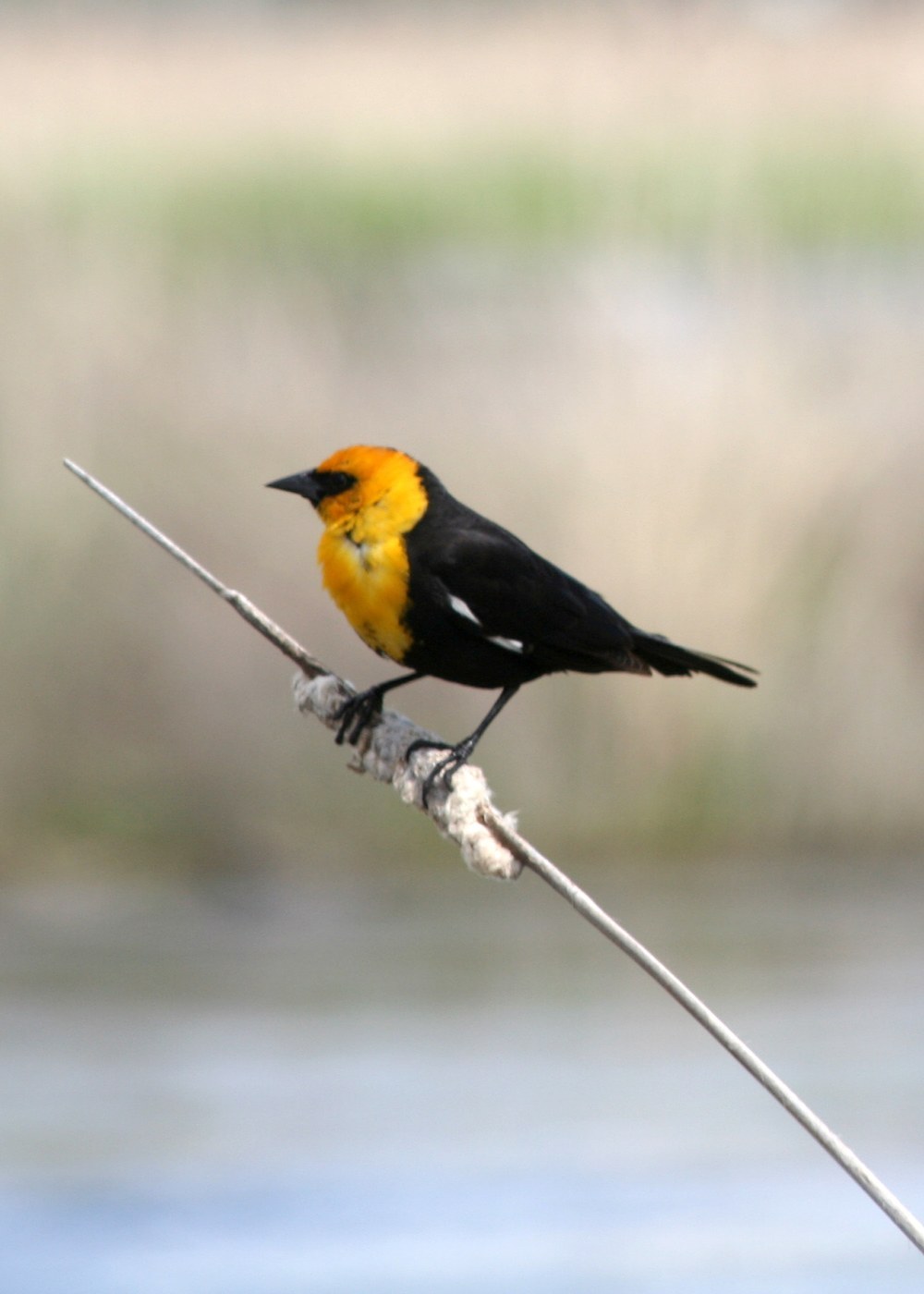
Yellow-headed Blackbird
Glossy black body plumage with a bright yellow head and breast

Yellow-eyed Junco
Contour and flight feathers

Yellow-fronted Canary
Small, smooth body plumage

Yellow-breasted Greenfinch
Compact, smooth body plumage