

Brown Bullfinch
Pyrrhula nipalensis
A drab, olive-brown bullfinch of Asian hill forests that lacks the bright colors of its relatives, identified mainly by its stubby bill and subtle wing bar.
- Feather type
- Dense, plain-toned body feathers with subtle wing markings
- Colours
- Olive-brown overall with a pale grayish wing bar and dark cap
- Bird size
- Sparrow-sized, ~15-16 cm
Found a feather like this?
Identify any feather from a photo, free.
Overview
The Brown Bullfinch is the plainest member of its genus, occurring in a broken range across the Himalayas, hill forests of mainland Southeast Asia, and the mountains of Taiwan. Its subdued, uniform coloring contrasts with the more colorful bullfinches it shares habitat with, making overall shape, bill structure, and subtle wing pattern the most reliable identification cues.
Identifying the Feather
- Body feathers: Overall olive-brown to grayish-brown, with little contrast between back, breast, and belly.
- Head feathers: A subtly darker cap, less defined than the bold black cap of many other bullfinches.
- Wing feathers: Blackish flight feathers crossed by a narrow, pale grayish wing bar, more muted than in brightly marked relatives.
- Rump feathers: Pale buffy-white, visible as a small flash in flight.
- Compared to similar species: Lacks the bright orange or pink underparts of other bullfinches; its uniformly drab brown tone combined with the stubby, rounded bill is the best clue to its identity.
Plumage & Molt
Both sexes are similarly plain, showing olive-brown body plumage with only slight differences in saturation between males and females. Males may show a marginally warmer or grayer tone on the underparts, but the difference is subtle compared to other bullfinch species. Juveniles are even duller and softer in texture, gradually acquiring adult-like plumage through their first molt. A single annual post-breeding molt refreshes the feathers.
Habitat & Range
Brown Bullfinches inhabit montane broadleaf and mixed forest, forest edge, and secondary growth from the Himalayan foothills through Southeast Asian highlands to Taiwan. They are typically found at middle to upper elevations in forested hills and mountains, and are largely resident, though some populations shift downslope outside the breeding season.
Behavior & Field Notes
This species forages inconspicuously in pairs or small flocks, feeding on buds, seeds, and small fruits in the forest canopy and understory. Its calls are soft, low whistled notes, often the first indication of its presence in dense foliage. Nesting occurs in shrubs or low trees, with a simple cup nest of twigs and fine plant material. Its subdued plumage and quiet habits make it an unobtrusive forest species, often overlooked among more colorful associates.
Frequently asked questions
What is the easiest way to recognize Brown Bullfinch feathers?
Look for uniformly drab olive-brown plumage with only a narrow, pale wing bar and no bright orange, pink, or red tones.
How does it differ from more colorful bullfinches?
It lacks the bright underparts and bold black cap of relatives like the Red-headed or Eurasian Bullfinch, appearing much plainer overall.
Where is it typically found?
It occurs in montane forest across the Himalayas, Southeast Asian highlands, and the mountains of Taiwan.
Is it a social species?
It is generally seen in pairs or small, quiet groups foraging within forest canopy and undergrowth.
Brown Bullfinch guides
In-depth guides for identifying and understanding Brown Bullfinch.

Other feathers you may enjoy

Yellow-breasted Bunting
Contour and flight feathers, chestnut-and-yellow breeding pattern
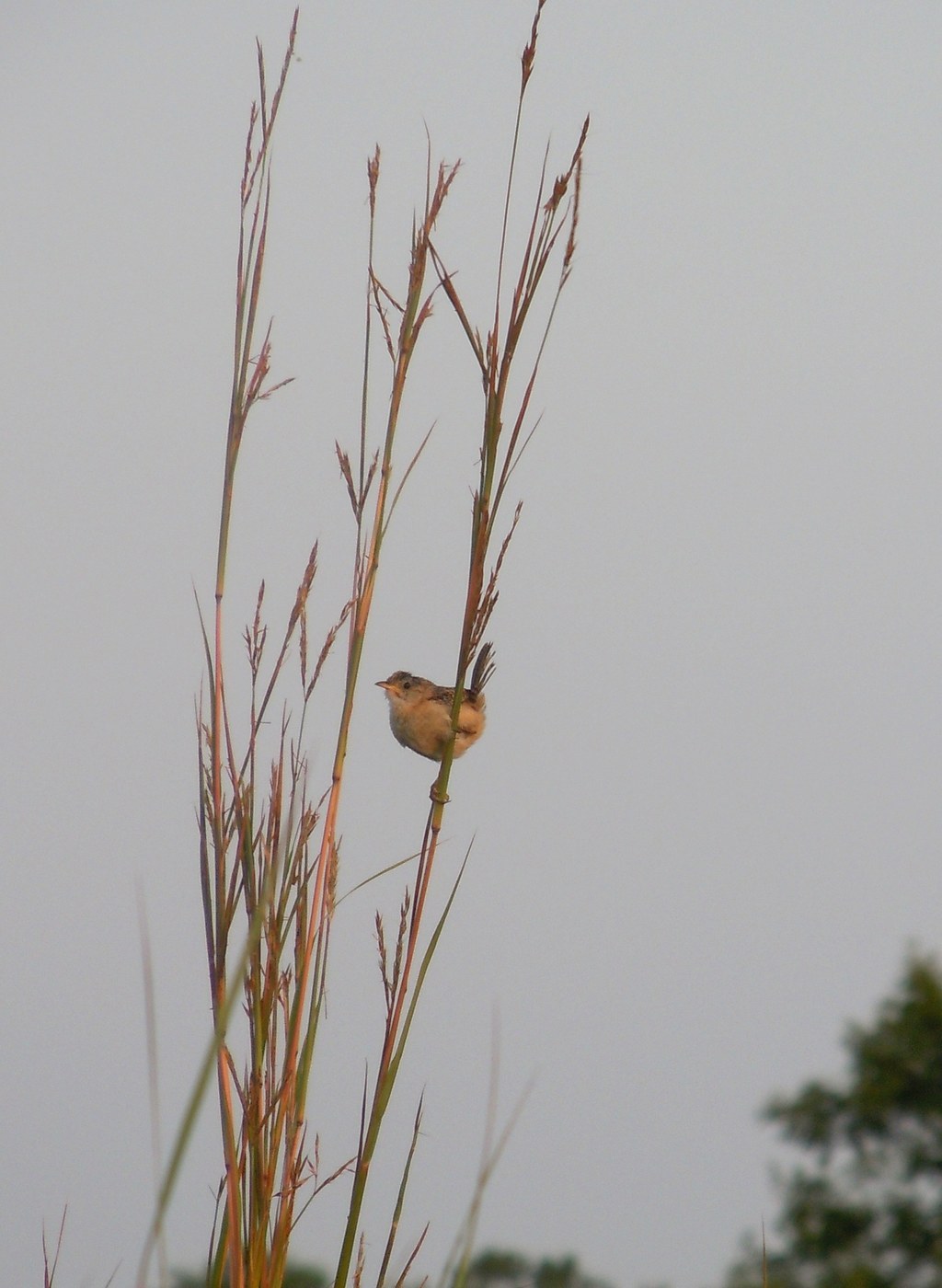
Sedge Wren
Tiny streaked crown and back feathers

Yellow-winged Cacique
Glossy black body feathers, yellow wing patch, shaggy crest

Yellow Warbler
Small contour and flight feathers
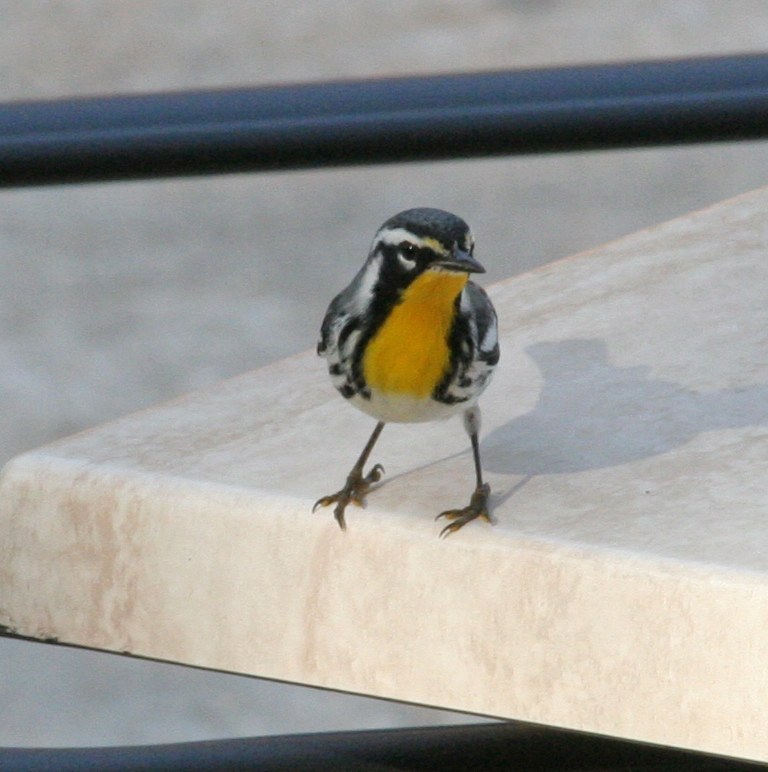
Yellow-throated Warbler
Small contour and flight feathers
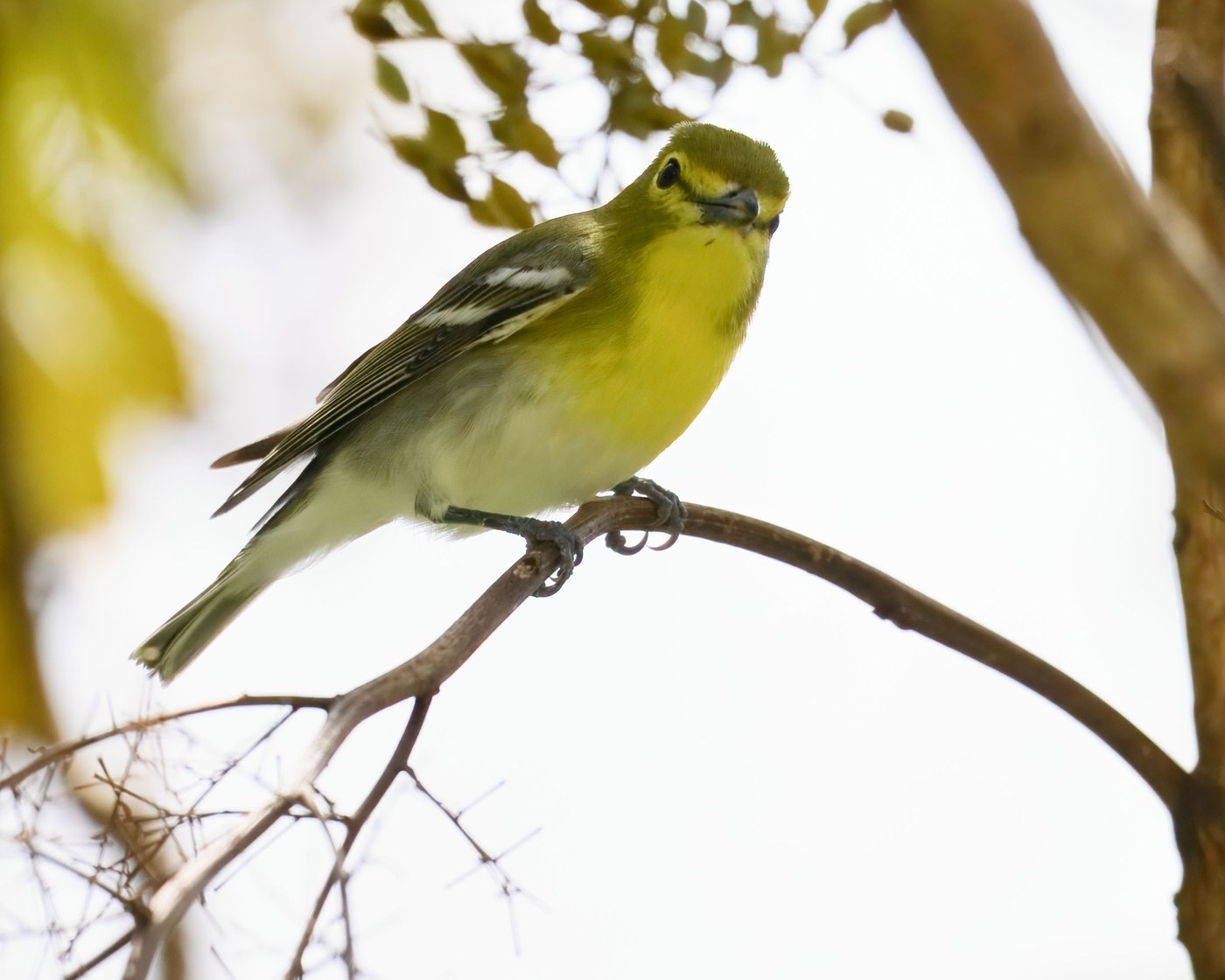
Yellow-throated Vireo
Bright yellow throat and spectacle feathers; olive-green back feathers; two white wing-bar feathers

Yellow-rumped Warbler
Small contour and flight feathers
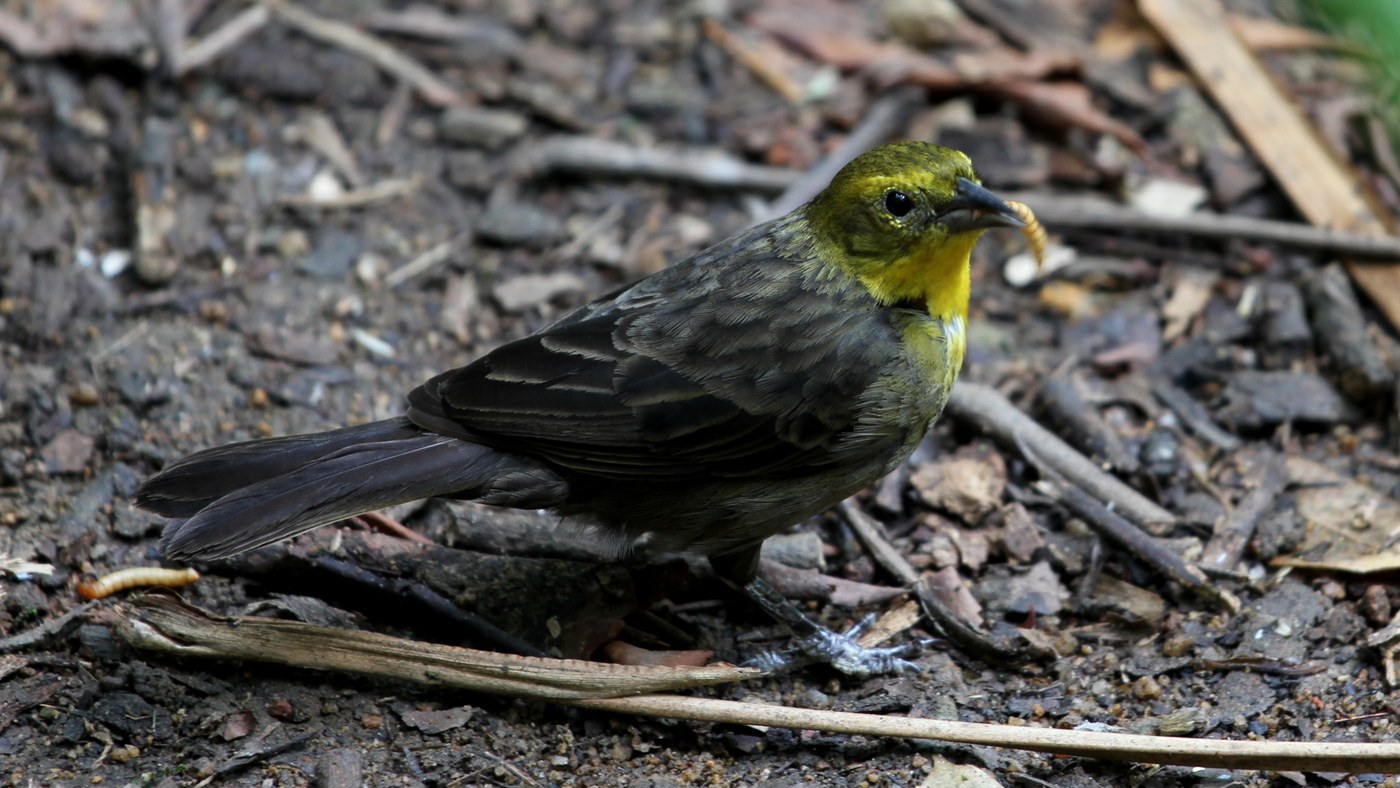
Yellow-hooded Blackbird
Contrasting hood and body feathers
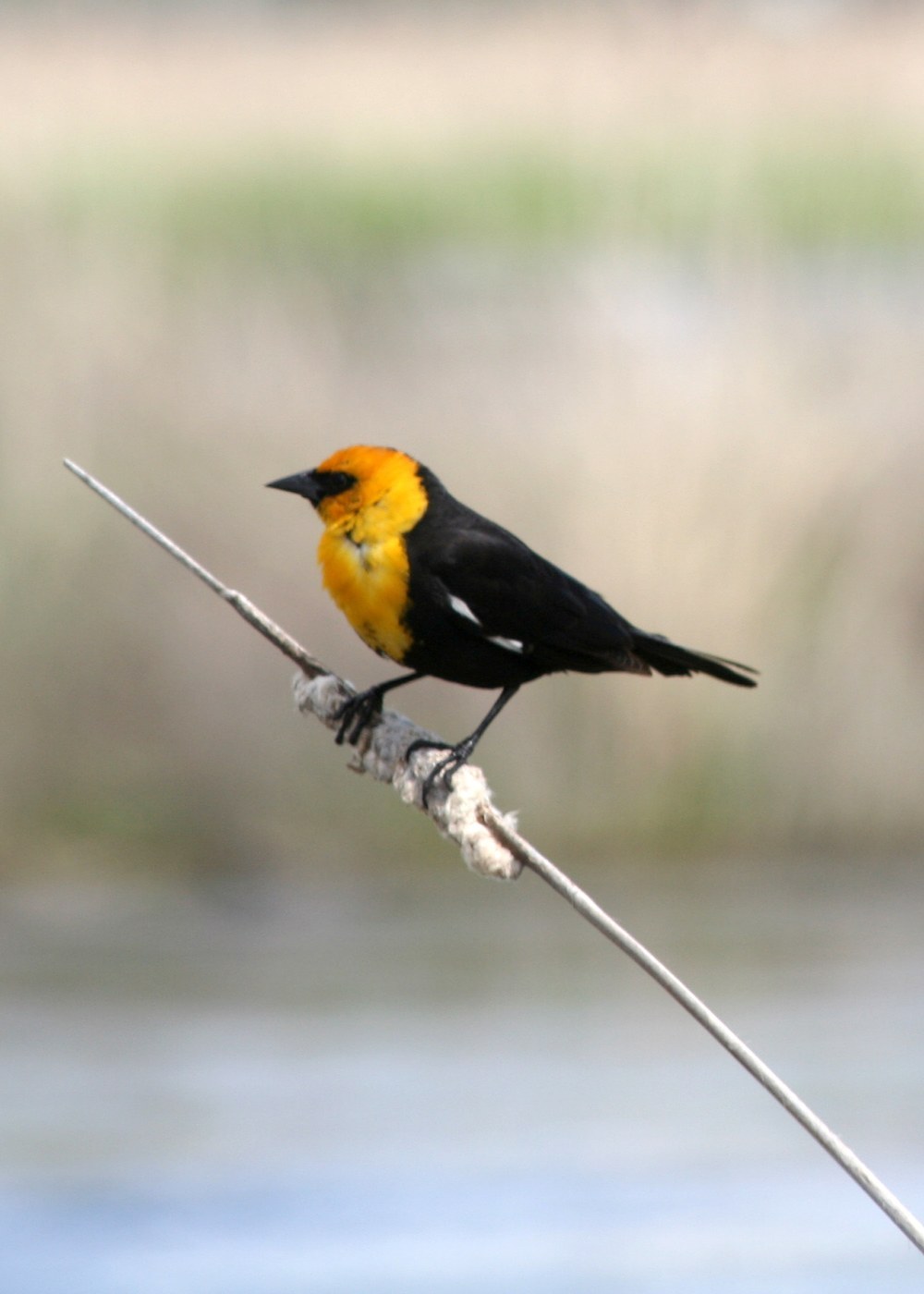
Yellow-headed Blackbird
Glossy black body plumage with a bright yellow head and breast

Yellow-eyed Junco
Contour and flight feathers

Yellow-fronted Canary
Small, smooth body plumage

Yellow-breasted Greenfinch
Compact, smooth body plumage