

Boreal Owl
Aegolius funereus
A small, secretive owl of northern boreal and subalpine conifer forests, marked by dark brown plumage boldly spotted with white and a distinctive dark-rimmed facial disc.
- Feather type
- Small soft-fringed flight feathers; spotted dark-brown body feathers
- Colours
- Dark brown with bold white spotting, framed by a whitish, dark-bordered facial disc
- Bird size
- Small, ~22-27 cm
Found a feather like this?
Identify any feather from a photo, free.
Overview
The Boreal Owl is a small, elusive owl of northern conifer forests across North America and Eurasia (where it is also called Tengmalm's Owl), spending most of its life hidden within dense forest and rarely seen despite occupying a huge circumpolar range.
It has a rounded head with no ear tufts, a whitish facial disc distinctly bordered in black, and dark brown body plumage boldly marked with white spotting.
Its feathers show strong contrast between the spotted brown body and pale disc, useful for separating it from the closely related, but more streaked, Northern Saw-whet Owl.
Identifying the Feather
Recognizing the feathers
- Body feathers are dark brown with bold, well-defined white spots rather than fine streaking, giving a more strongly contrasted pattern than the Saw-whet Owl.
- Facial disc feathers are whitish with a conspicuous black border, more strongly marked than the disc of the Saw-whet Owl.
- Flight feathers are small and soft-fringed, scaled to this owl's compact size.
- No ear-tuft feathers are present.
Similar species
- Bolder white spotting (versus streaking) and a more strongly black-bordered facial disc separate this species from the Northern Saw-whet Owl, its closest relative in North America.
Plumage & Molt
Plumage
Adults are dark brown above with bold white spots, and pale below with brown spotting, plus a whitish facial disc rimmed in black. Sexes look alike, females somewhat larger.
Juveniles show a darker, more uniformly chocolate-brown plumage with a paler facial patch, before molting into the spotted adult pattern.
Molt occurs mainly in late summer.
Habitat & Range
Habitat & range
Found across the boreal forest belt of North America, Scandinavia, and Siberia, as well as subalpine conifer forest farther south in mountainous regions, generally in dense, old conifer stands with cavities for nesting.
Mostly non-migratory or only locally nomadic, though some individuals move south in years of poor food supply.
Behavior & Field Notes
Behavior & field notes
A nocturnal hunter of small mammals, particularly voles, caught from perches within dense forest.
Its call is a rapid, rising series of whistled notes, used mainly during the breeding season and helpful for detecting this otherwise elusive species.
A dark brown, boldly white-spotted feather with a whitish, black-bordered facial disc feather, found in dense boreal or subalpine conifer forest, is consistent with this species.
Frequently asked questions
How is this species' feather different from a Saw-whet Owl's?
Boreal Owl feathers show bolder white spotting rather than fine streaking, and the facial disc has a more strongly black-bordered edge.
Where does this owl live?
Dense boreal or subalpine conifer forest across North America, Scandinavia, and Siberia.
Is this an easy owl to see?
No, it is highly secretive and nocturnal, rarely observed despite its wide range.
Does it migrate?
Mostly not - it is largely resident or locally nomadic, though poor food years can push some individuals farther south.
Boreal Owl guides
In-depth guides for identifying and understanding Boreal Owl.

Other feathers you may enjoy

Tawny Owl
Wing (flight) and body (contour) feathers
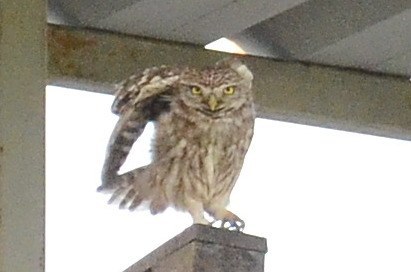
Little Owl
Wing and body feathers

Balsas Screech-Owl
Small ear-tuft feathers; soft, finely vermiculated body feathers

Blakiston's Fish Owl
Massive flight feathers with looser structure; shaggy body plumage; prominent ear-tuft feathers

Barn Owl
Wing and facial-disc feathers
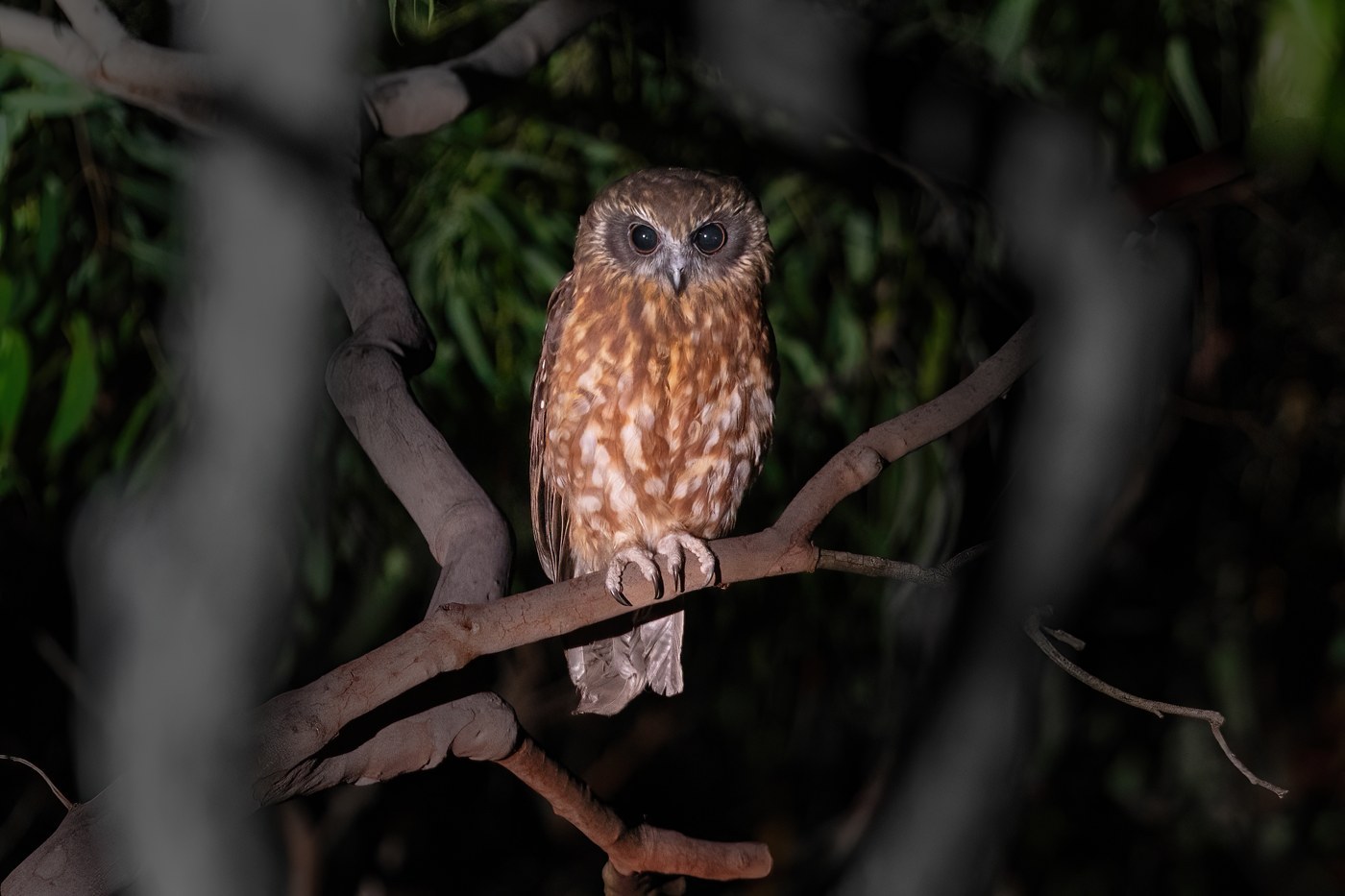
Southern Boobook
Rounded flight feathers; banded tail; spotted body plumage

Sooty Owl
Broad soft-edged flight feathers; heart-shaped facial disc feathers; finely speckled body plumage

Short-eared Owl
Broad soft-fringed flight feathers; streaked body feathers; tiny, rarely visible ear tufts

Stygian Owl
Dark, mottled flight and body feathers with long, closely-set ear tufts
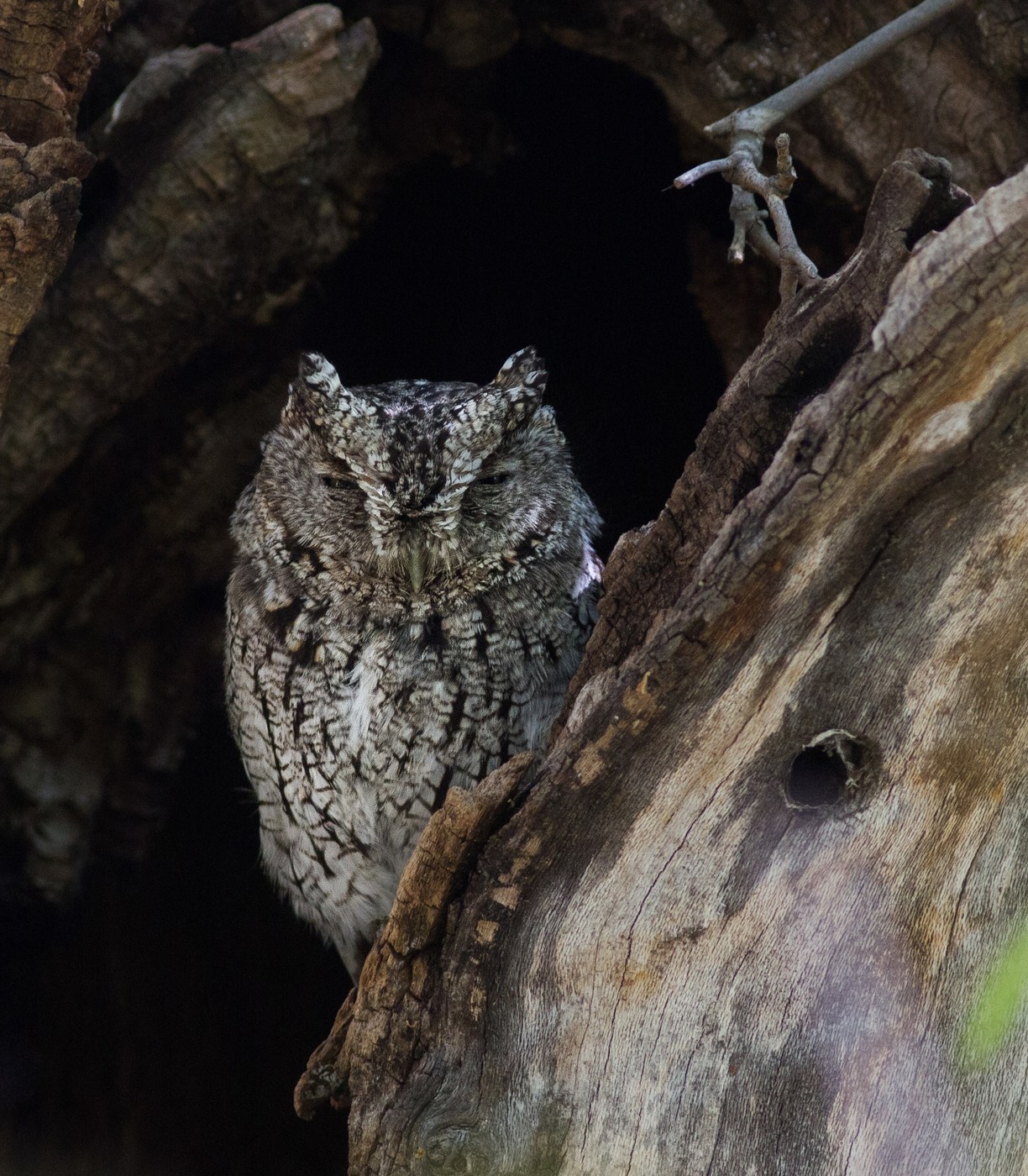
Whiskered Screech-Owl
Small soft-fringed flight feathers; finely mottled body feathers; short ear tufts
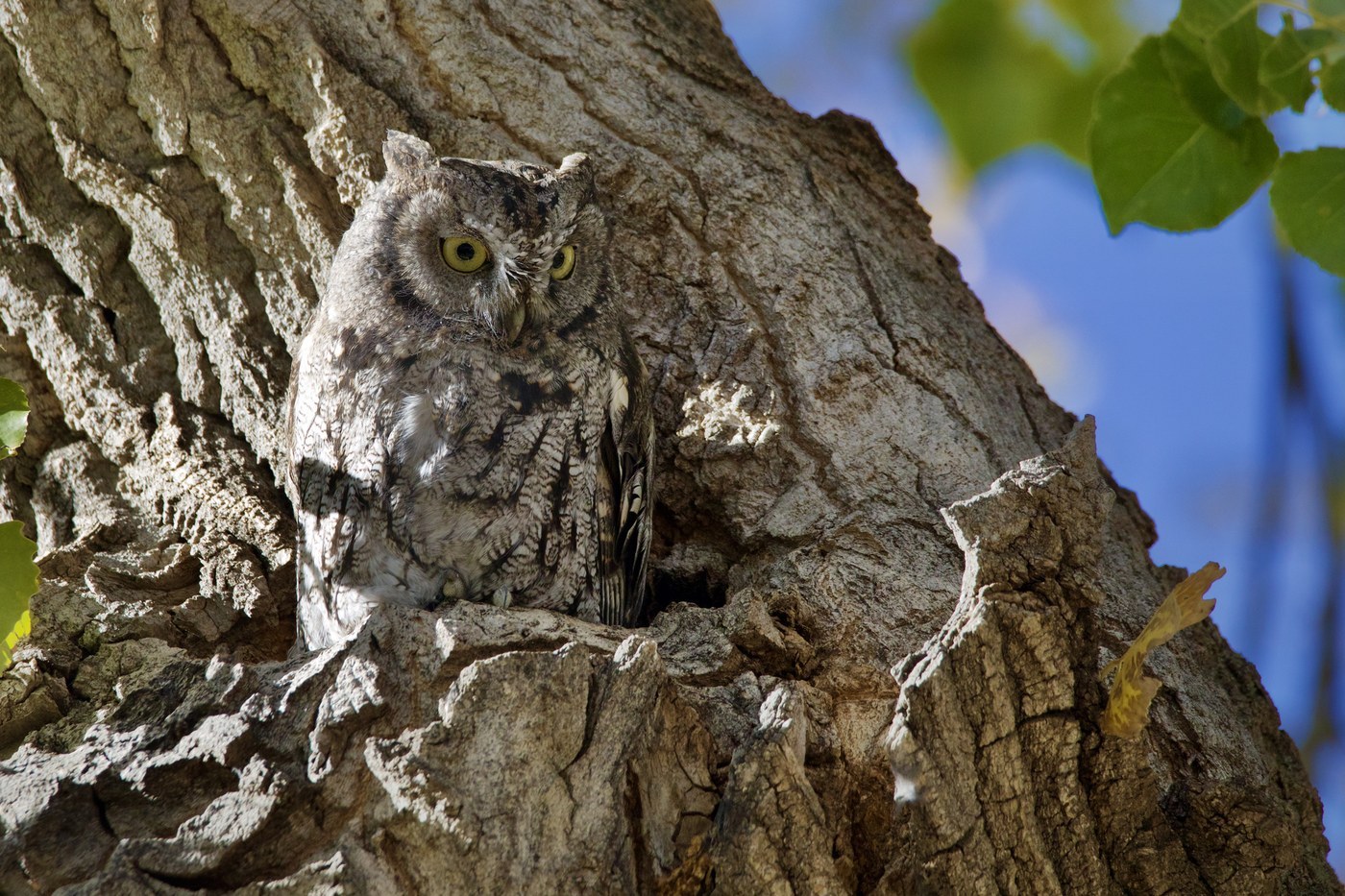
Western Screech-Owl
Small soft-fringed flight feathers; cryptic mottled/streaked body feathers; short ear tufts

White-faced Scops Owl
Small to medium flight feathers with a distinctive whitish facial disc and long ear-tuft plumes