

Boat-tailed Grackle
Quiscalus major
The Boat-tailed Grackle is a large coastal grackle with a long, distinctively keeled tail, males glossy black with iridescence and females a much smaller warm brown, common along Atlantic and Gulf Coast marshes.
- Feather type
- Long, keeled tail feathers and glossy iridescent body plumage in males
- Colours
- Glossy blue-black or purplish-black (male), warm brown (female)
- Bird size
- Large grackle, ~32-42 cm depending on sex
Found a feather like this?
Identify any feather from a photo, free.
Overview
Overview
The Boat-tailed Grackle is a large, strongly sexually dimorphic blackbird closely tied to coastal habitats of the southeastern and Gulf Coast United States. Males are considerably larger than females and display a long, keeled tail, while females are notably smaller and plainer brown.
- Strong size difference between males and females, among the largest in North American songbirds
- Tail is held in a distinctive V-shaped or keeled profile in flight and display
- Closely tied to coastal salt marsh and shoreline habitat
Identifying the Feather
Feather Identification
Boat-tailed Grackle feathers differ dramatically between the sexes.
- Tail feathers (male): Long, keeled (V-shaped in cross-section), glossy black with blue or purple iridescence
- Body feathers (male): Glossy black overall, with iridescent sheen strongest on the head and back
- Body feathers (female): Considerably smaller, warm brown above and paler buffy-brown below, lacking iridescence
- Tail feathers (female): Shorter and less strongly keeled than the male's
- The long, keeled tail feathers combined with large size and glossy iridescence are diagnostic for adult male feathers of this species
Plumage & Molt
Plumage, Sex & Age Differences
Adult males are glossy black with a long, keeled tail and iridescent sheen. Females are considerably smaller and plain warm brown, without iridescence, and show a shorter tail. Juveniles resemble females initially. A complete molt occurs after breeding.
Habitat & Range
Habitat & Range
Boat-tailed Grackles are non-migratory residents of coastal salt marshes, mangroves, and shorelines along the Atlantic coast from the Mid-Atlantic states south through Florida and along the Gulf Coast. The species rarely strays far from coastal or brackish habitat.
Behavior & Field Notes
Behavior, Voice & Field Notes
Boat-tailed Grackles forage on the ground and in shallow water for insects, other invertebrates, and various food scraps, often around marshes, docks, and coastal developments. Males give a variety of loud, harsh calls and displays during the breeding season, often perching prominently while calling. The species breeds in loose colonies within marsh vegetation, with a mating system in which a small number of males mate with many females.
Frequently asked questions
What feather feature identifies a male Boat-tailed Grackle?
A long, keeled tail and glossy black iridescent plumage, considerably larger than the female.
How do female Boat-tailed Grackle feathers differ from males?
Females are much smaller, plain warm brown, and lack iridescence, with a shorter tail.
Where do Boat-tailed Grackles live?
Coastal salt marshes and shorelines along the Atlantic and Gulf coasts of the southeastern United States.
Are Boat-tailed Grackles migratory?
No, they are non-migratory residents of coastal habitat.
Boat-tailed Grackle guides
In-depth guides for identifying and understanding Boat-tailed Grackle.

Other feathers you may enjoy

Yellow-breasted Bunting
Contour and flight feathers, chestnut-and-yellow breeding pattern
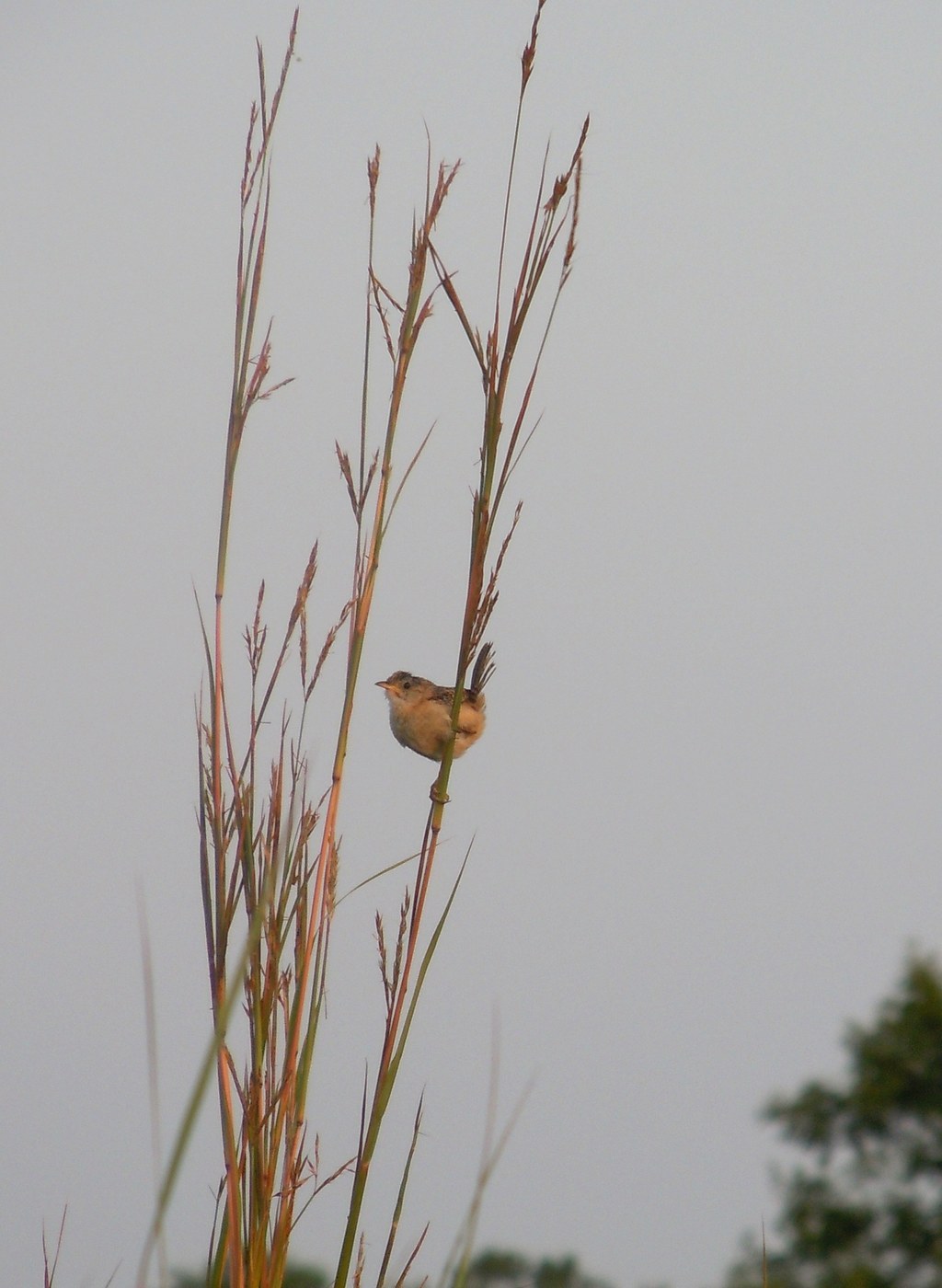
Sedge Wren
Tiny streaked crown and back feathers

Yellow-winged Cacique
Glossy black body feathers, yellow wing patch, shaggy crest

Yellow Warbler
Small contour and flight feathers
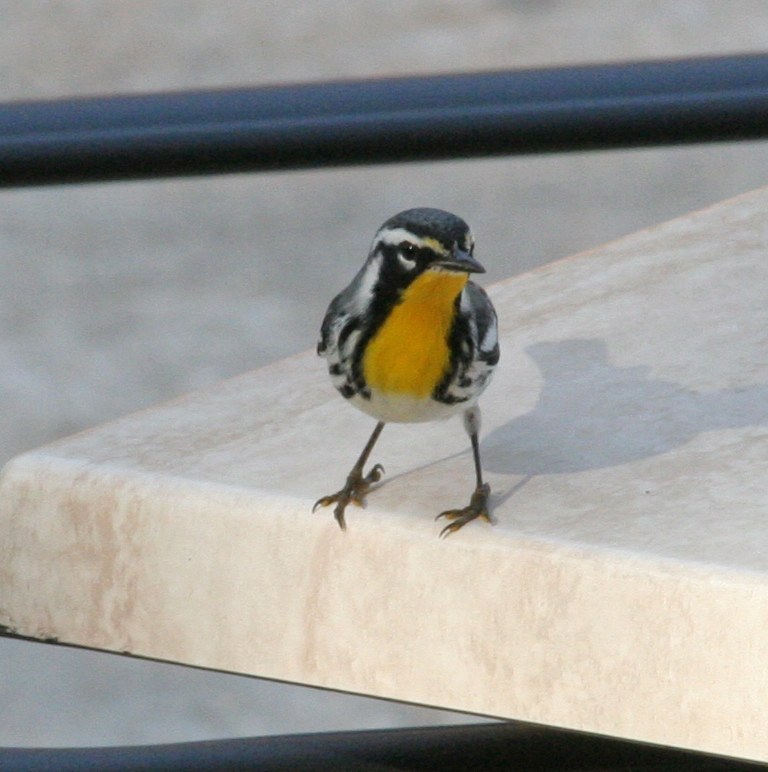
Yellow-throated Warbler
Small contour and flight feathers
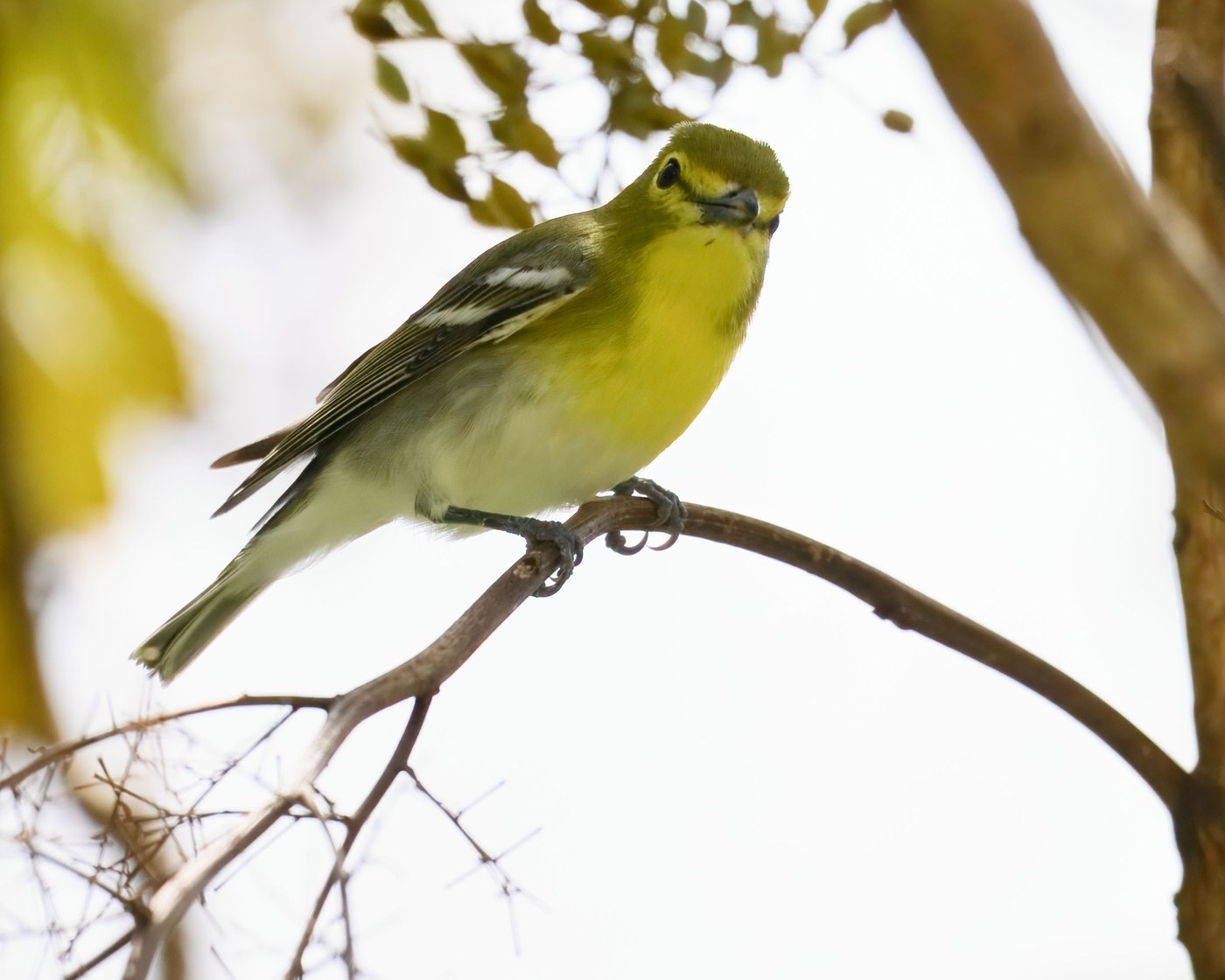
Yellow-throated Vireo
Bright yellow throat and spectacle feathers; olive-green back feathers; two white wing-bar feathers

Yellow-rumped Warbler
Small contour and flight feathers
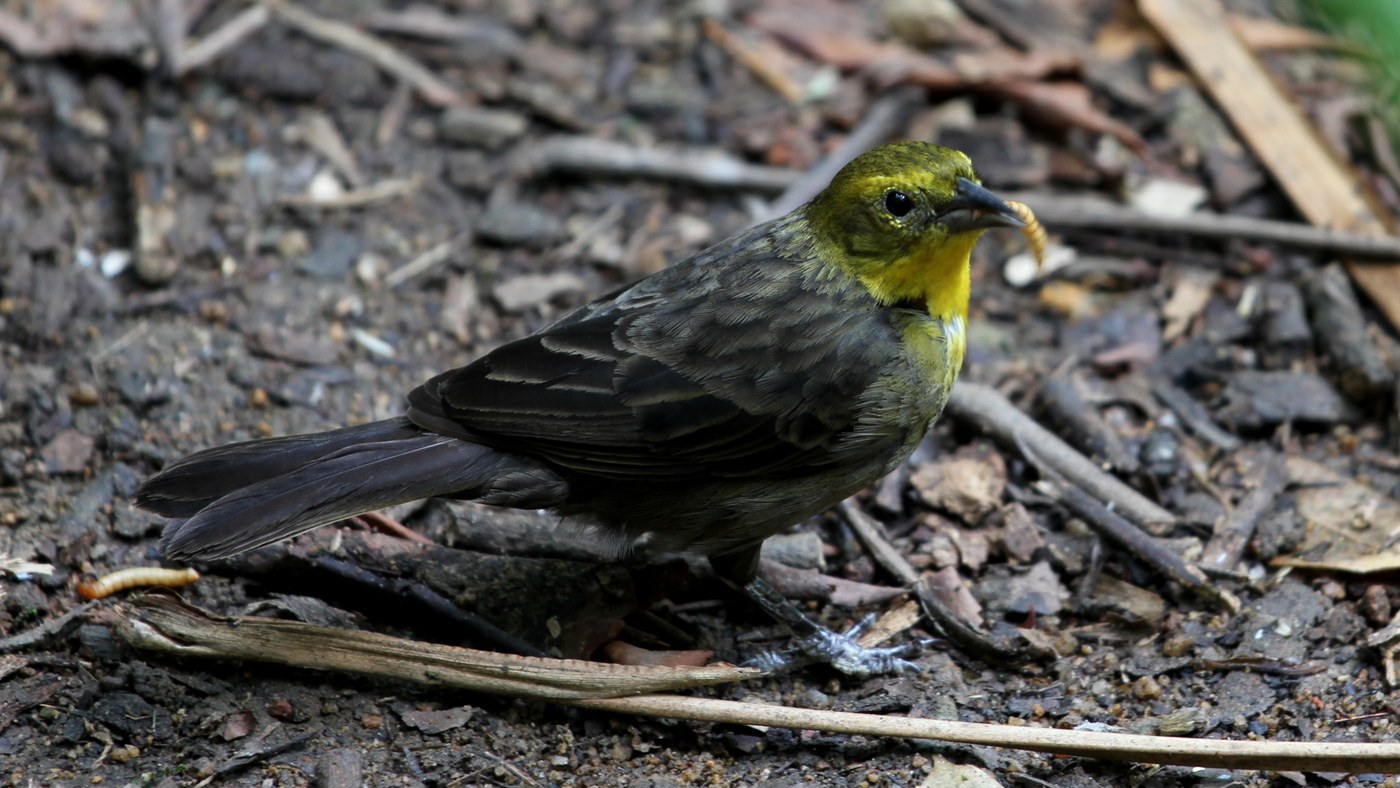
Yellow-hooded Blackbird
Contrasting hood and body feathers
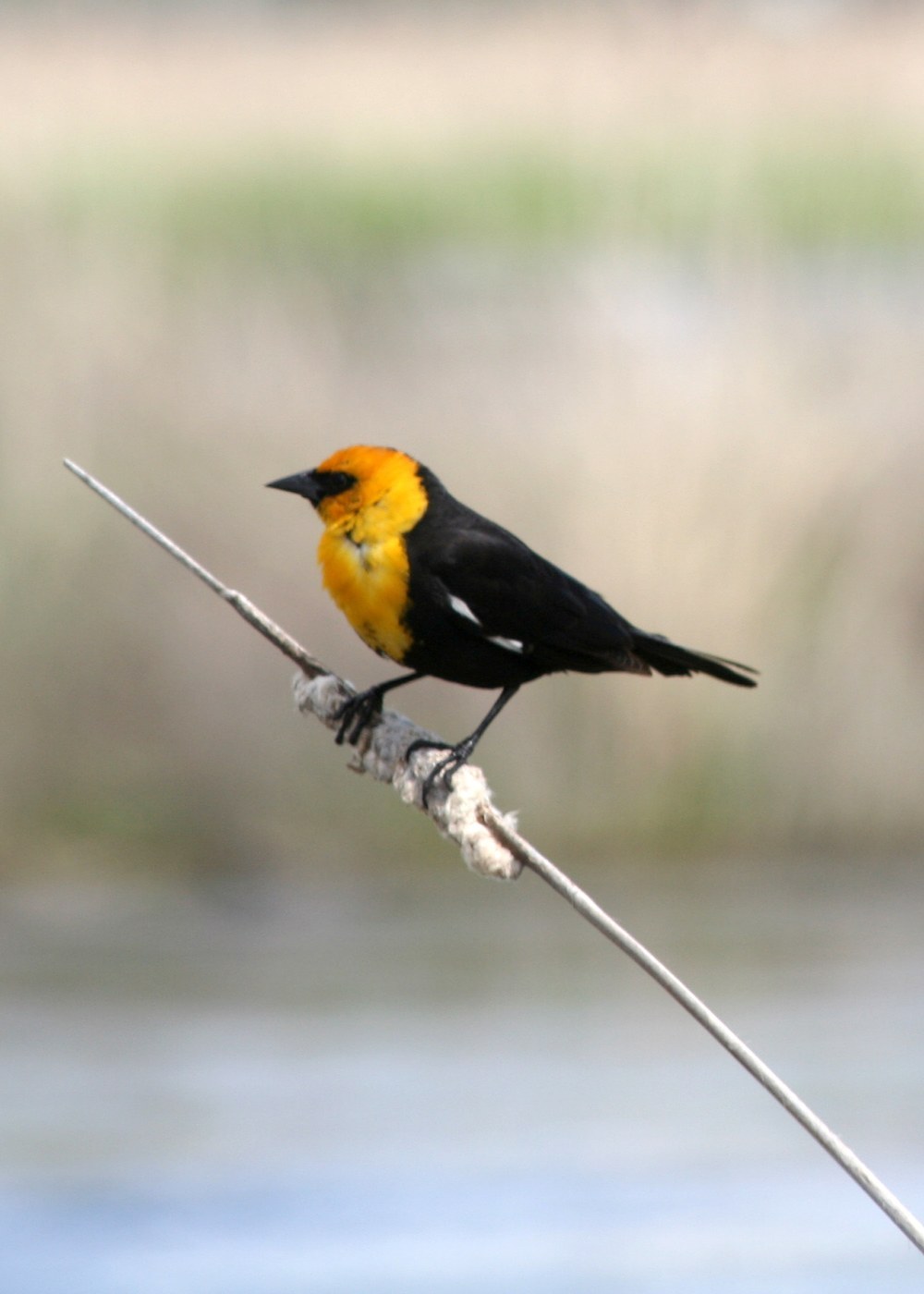
Yellow-headed Blackbird
Glossy black body plumage with a bright yellow head and breast

Yellow-eyed Junco
Contour and flight feathers

Yellow-fronted Canary
Small, smooth body plumage

Yellow-breasted Greenfinch
Compact, smooth body plumage