
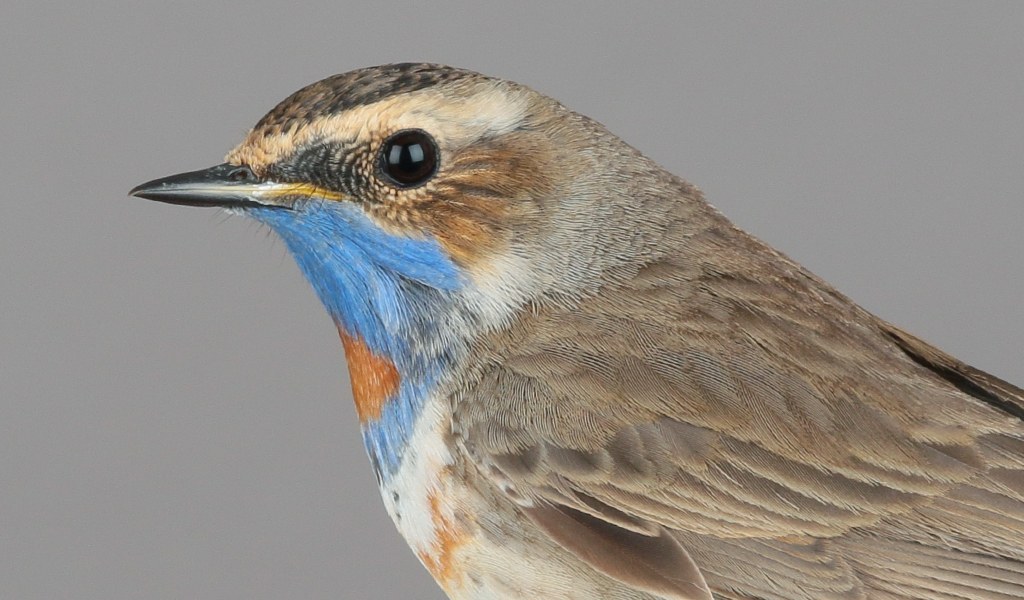
Bluethroat
Luscinia svecica
The Bluethroat is a small, ground-dwelling songbird whose breeding males display a strikingly iridescent blue-and-chestnut throat patch, set off by warm rufous tail feathers.
- Feather type
- Soft body plumage with a rufous-based tail; breeding males show iridescent throat feathers
- Colours
- Brown above; males show blue, chestnut, and white throat patch, rufous tail base
- Bird size
- Small songbird, ~13-14 cm
Found a feather like this?
Identify any feather from a photo, free.
Overview
Overview
The Bluethroat is a small, brown-backed songbird best known for the male's brilliant blue throat patch during the breeding season, often marked with a central chestnut or white spot. It breeds across northern Eurasia and locally in Alaska, favoring wet scrub and tundra edge habitat.
- Male's iridescent throat patch is one of the most striking features among small songbirds
- Rufous patches at the base of the tail flash visibly in flight
- Breeds at high latitudes and migrates south for winter
Identifying the Feather
Feather Identification
Bluethroat feathers show a mix of plain and highly colorful elements depending on sex and season.
- Tail feathers: Blackish with a bright rufous-chestnut base, forming a flashing patch visible in flight and in shed tail feathers
- Throat feathers (breeding male): Iridescent blue, often with a central chestnut or white spot, bordered below by black and chestnut bands
- Throat feathers (female/non-breeding): Whitish with a dark necklace of streaking rather than blue
- Back feathers: Plain brown, unmarked
- The rufous tail base is present in both sexes and ages, making it a reliable feature even when the male's colorful throat feathers are not present
Plumage & Molt
Plumage, Sex & Age Differences
Breeding males show a vivid blue throat bordered by black and chestnut bands, with a variable central spot of white or chestnut depending on subspecies. Females and non-breeding males show a whitish throat with a dark malar streak and necklace of spotting instead of blue. Juveniles are heavily spotted overall, resembling young thrushes, before molting into a more adult-like plumage. Adults undergo a complete molt after breeding.
Habitat & Range
Habitat & Range
Bluethroats breed across a broad swath of northern Eurasia, from Scandinavia to Siberia, with an isolated population in western Alaska, favoring wet scrub, willow thickets, tundra edges, and reedbeds. Most populations are migratory, wintering in southern Europe, the Middle East, Africa, and South Asia.
Behavior & Field Notes
Behavior, Voice & Field Notes
Bluethroats forage on the ground, often running or hopping through low vegetation while flicking their reddish-based tail, gleaning insects and other invertebrates. Males give a varied, mimicking song, often incorporating sounds copied from other species, delivered from a low perch or during a fluttering display flight. Nests are built on or near the ground in dense wet vegetation.
Frequently asked questions
What is the most distinctive feather feature of a male Bluethroat?
Its iridescent blue throat patch, often marked with a chestnut or white central spot.
How can you identify a Bluethroat feather without the blue throat?
Look for the rufous-chestnut patch at the base of the tail feathers, present in both sexes and all ages.
Do female Bluethroats have blue throats?
No, females show a whitish throat with dark streaking rather than blue.
Where do Bluethroats breed?
Across northern Eurasia, with a small population in western Alaska, in wet scrub and tundra-edge habitat.
Bluethroat guides
In-depth guides for identifying and understanding Bluethroat.
Other feathers you may enjoy

Yellow-breasted Bunting
Contour and flight feathers, chestnut-and-yellow breeding pattern
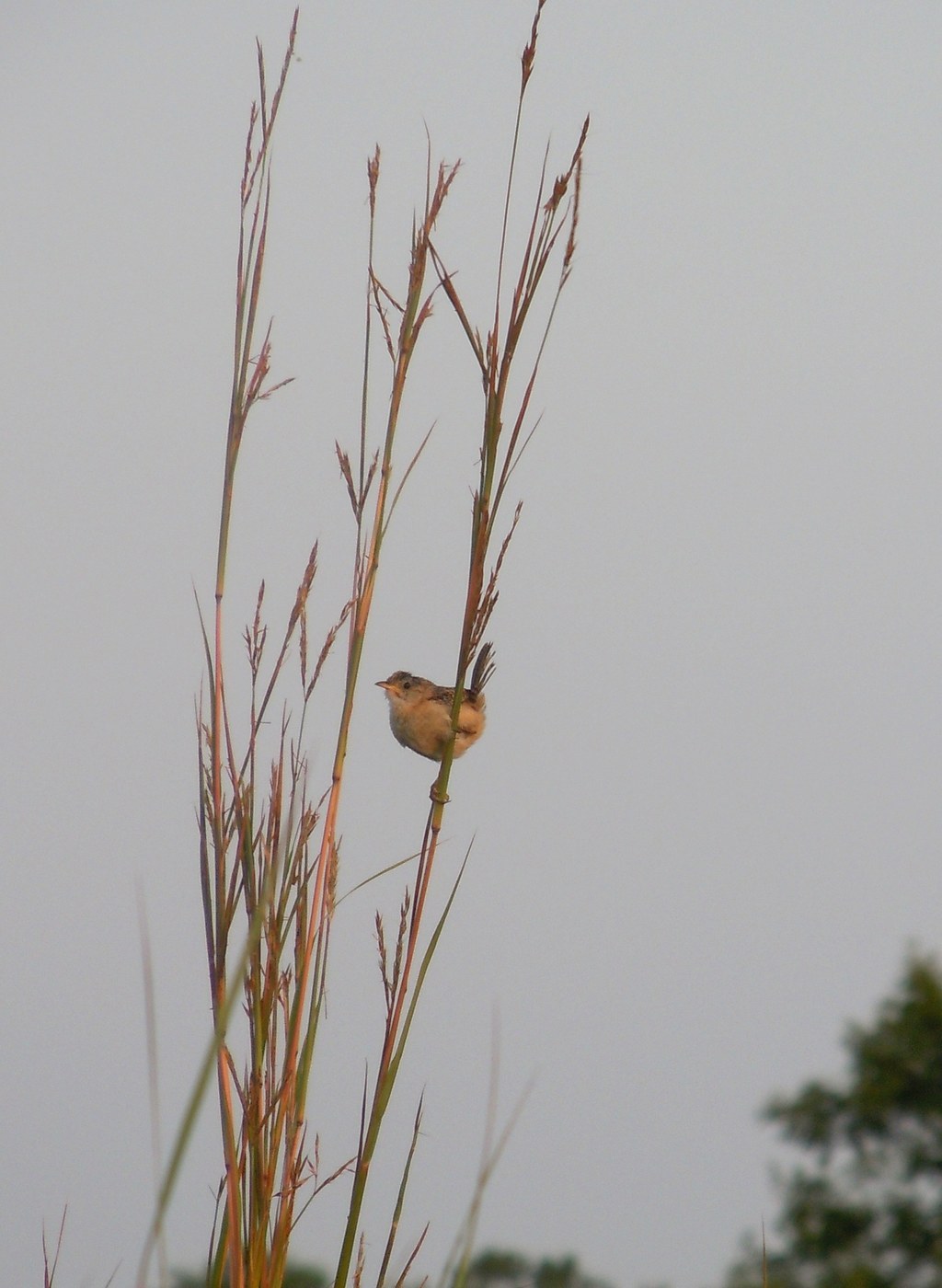
Sedge Wren
Tiny streaked crown and back feathers

Yellow-winged Cacique
Glossy black body feathers, yellow wing patch, shaggy crest

Yellow Warbler
Small contour and flight feathers
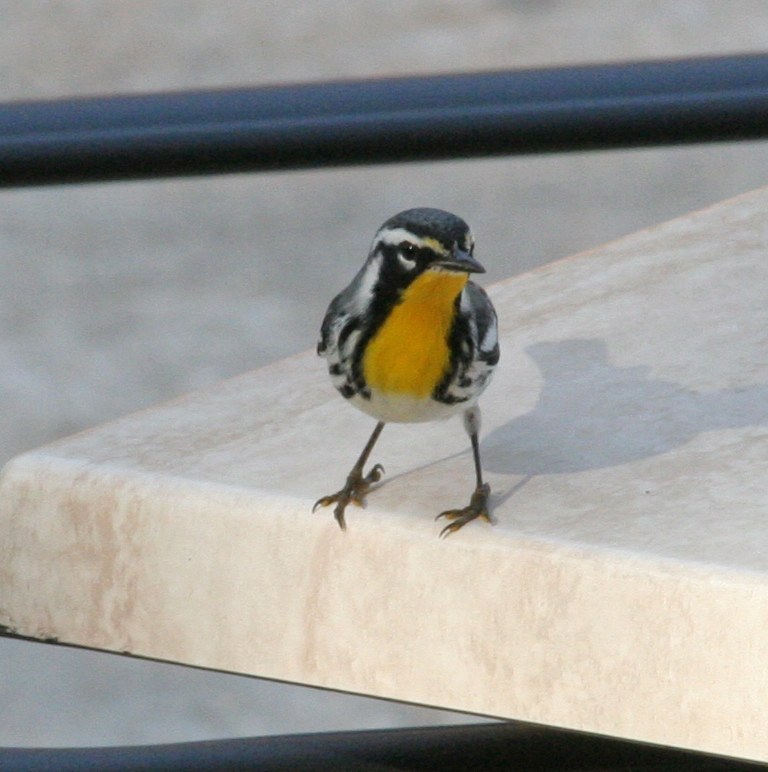
Yellow-throated Warbler
Small contour and flight feathers
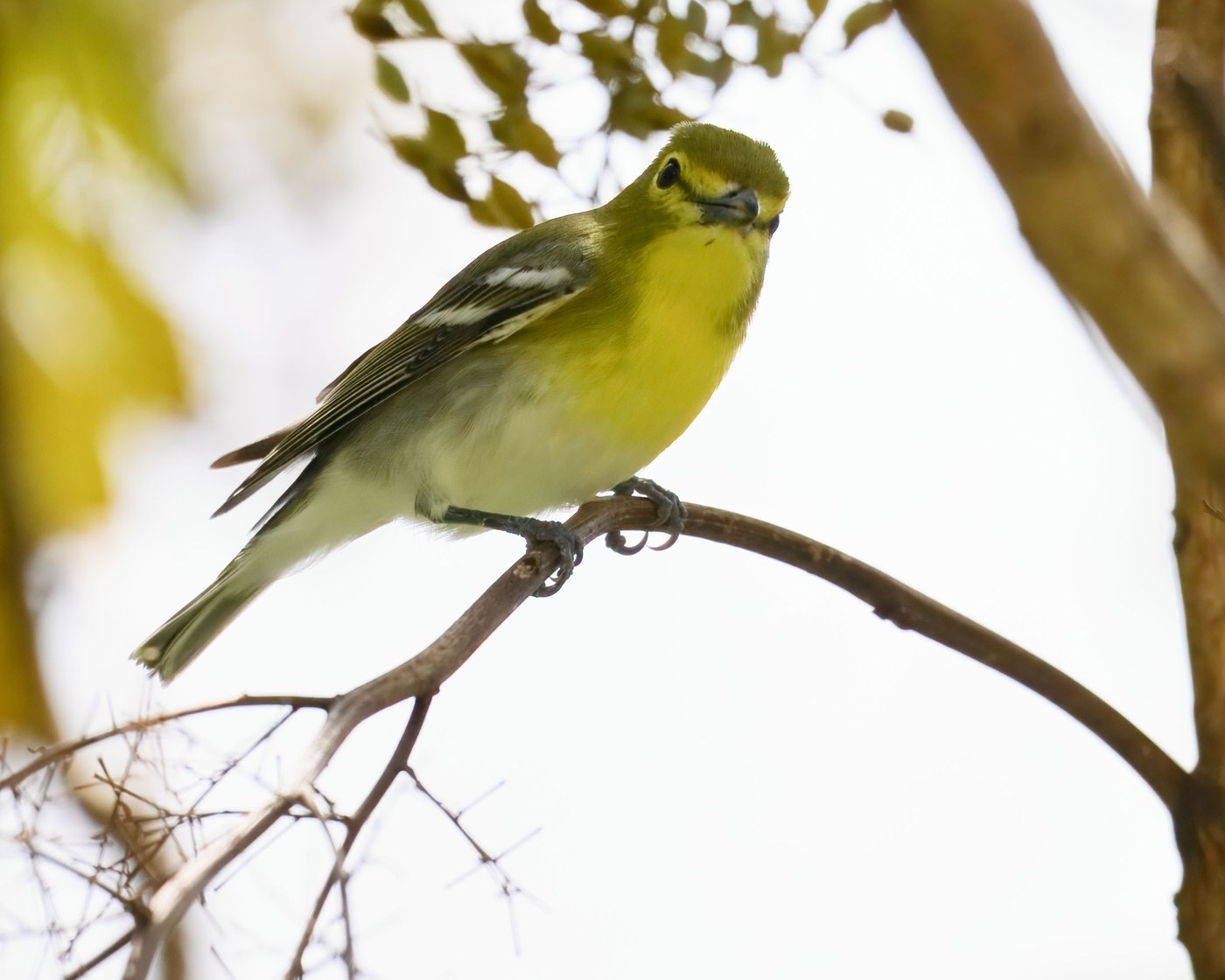
Yellow-throated Vireo
Bright yellow throat and spectacle feathers; olive-green back feathers; two white wing-bar feathers

Yellow-rumped Warbler
Small contour and flight feathers
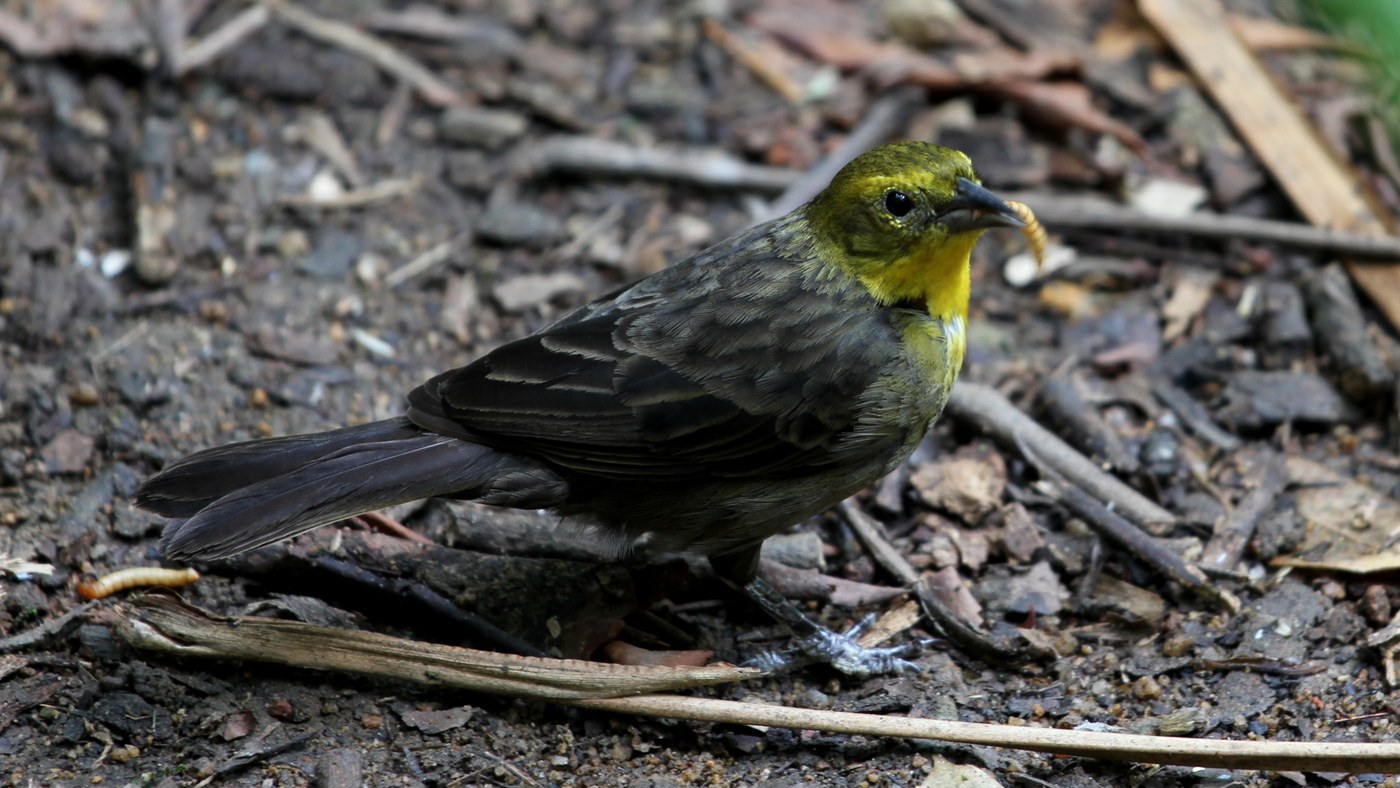
Yellow-hooded Blackbird
Contrasting hood and body feathers
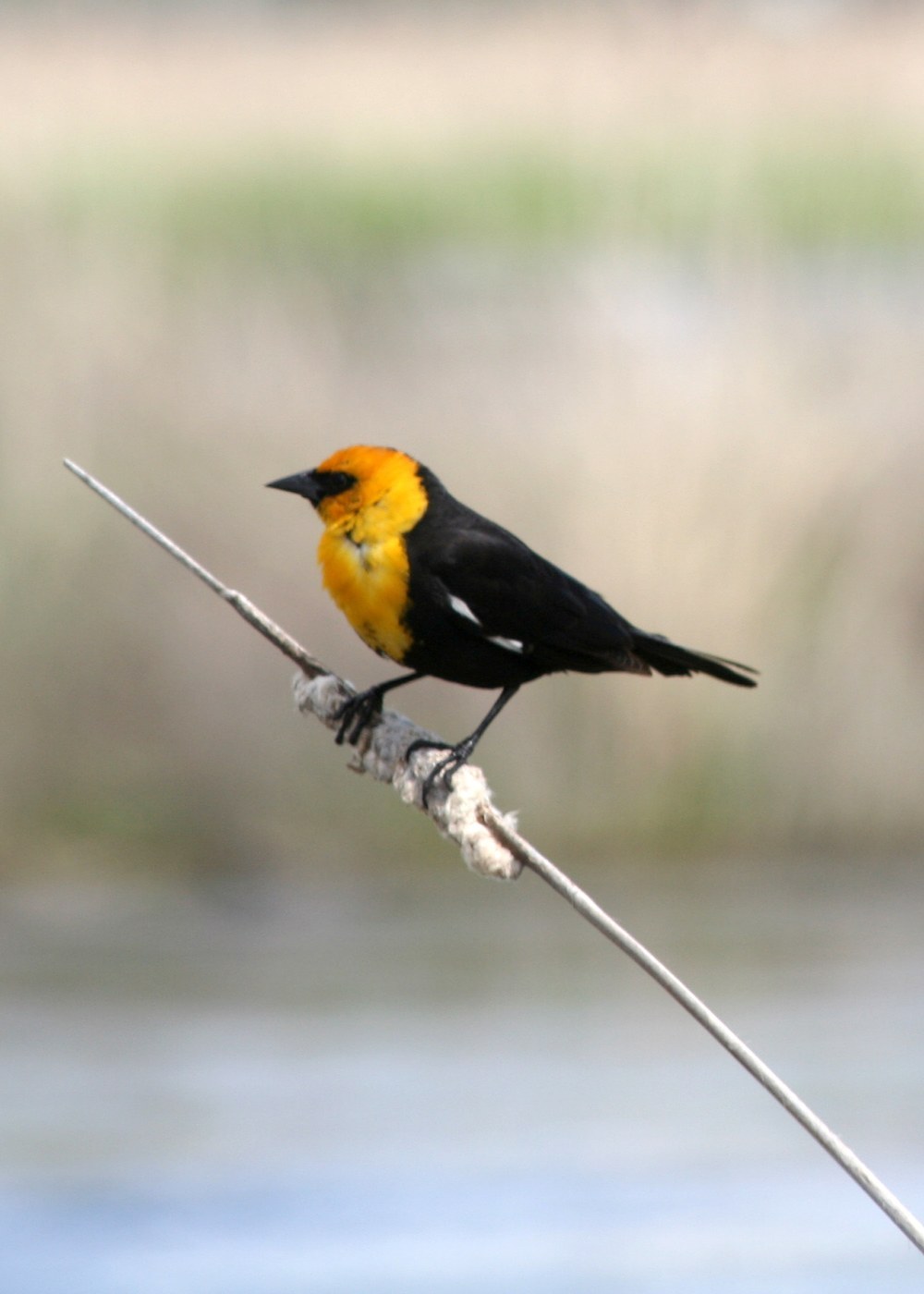
Yellow-headed Blackbird
Glossy black body plumage with a bright yellow head and breast

Yellow-eyed Junco
Contour and flight feathers

Yellow-fronted Canary
Small, smooth body plumage

Yellow-breasted Greenfinch
Compact, smooth body plumage