

Blue-winged Parrotlet
Forpus xanthopterygius
The Blue-winged Parrotlet is a tiny, widespread South American parrot in which males show a notable patch of blue across the wing coverts.
- Feather type
- Tiny, tightly packed contour feathers typical of parrotlets
- Colours
- Green body overall, with males showing extensive blue on the wing coverts and rump
- Bird size
- Very small, ~13 cm
Found a feather like this?
Identify any feather from a photo, free.
Overview
Overview
The Blue-winged Parrotlet has one of the broadest ranges among the Forpus parrotlets, occurring across much of tropical South America in forest-edge, savanna, and secondary-growth habitats. Like its relatives, it shows a marked sexual difference in wing coloring.
- Tiny, compact body typical of parrotlets
- Short, squared tail
- Stubby pale bill
Identifying the Feather
Feather Identification
Both sexes are largely green, but males display a noticeably larger patch of blue across the wing coverts (and sometimes the rump) compared to closely related parrotlet species, while females remain green without blue markings.
- Flight feathers: Green in females; males show blue wing coverts and often blue in the secondaries
- Tail feathers: Short and green
- Sex-based mark: Extensive blue wing coverts indicate a male; their absence indicates a female
The relatively larger extent of blue in males, compared with the more restricted blue patches of the Pacific and Green-rumped Parrotlets, is a useful (though subtle) distinguishing feature among these closely related species.
Plumage & Molt
This species shows clear sexual dimorphism, with males carrying extensive blue wing feathering that females lack entirely. Juveniles resemble females, with young males developing blue feathering progressively as they mature. Molt is gradual and continuous.
Habitat & Range
Blue-winged Parrotlets occupy forest edge, clearings, secondary growth, and savanna woodland across a broad range of lowland South America. They are largely resident, with local movements linked to seed and fruit availability.
Behavior & Field Notes
These small parrots forage in pairs or small flocks, often low in vegetation or on the ground, feeding mainly on seeds along with some fruit and blossoms. They nest in cavities in trees, posts, or other structures, with both parents involved in raising chicks. Calls are high-pitched chirps and twitters given while foraging or in flight.
Frequently asked questions
What feather feature distinguishes male Blue-winged Parrotlets?
Males show an extensive patch of blue across the wing coverts, larger than in some related parrotlet species, while females lack blue entirely.
How widespread is this species?
It has one of the broadest ranges of any Forpus parrotlet, occurring across much of tropical South America.
How can you distinguish this species from the Pacific Parrotlet by plumage?
Male Blue-winged Parrotlets tend to show a larger extent of blue on the wing coverts compared with the more localized blue markings of male Pacific Parrotlets.
Do female Blue-winged Parrotlets show any blue feathering?
No, females are essentially uniformly green without blue markings.
Blue-winged Parrotlet guides
In-depth guides for identifying and understanding Blue-winged Parrotlet.

Other feathers you may enjoy
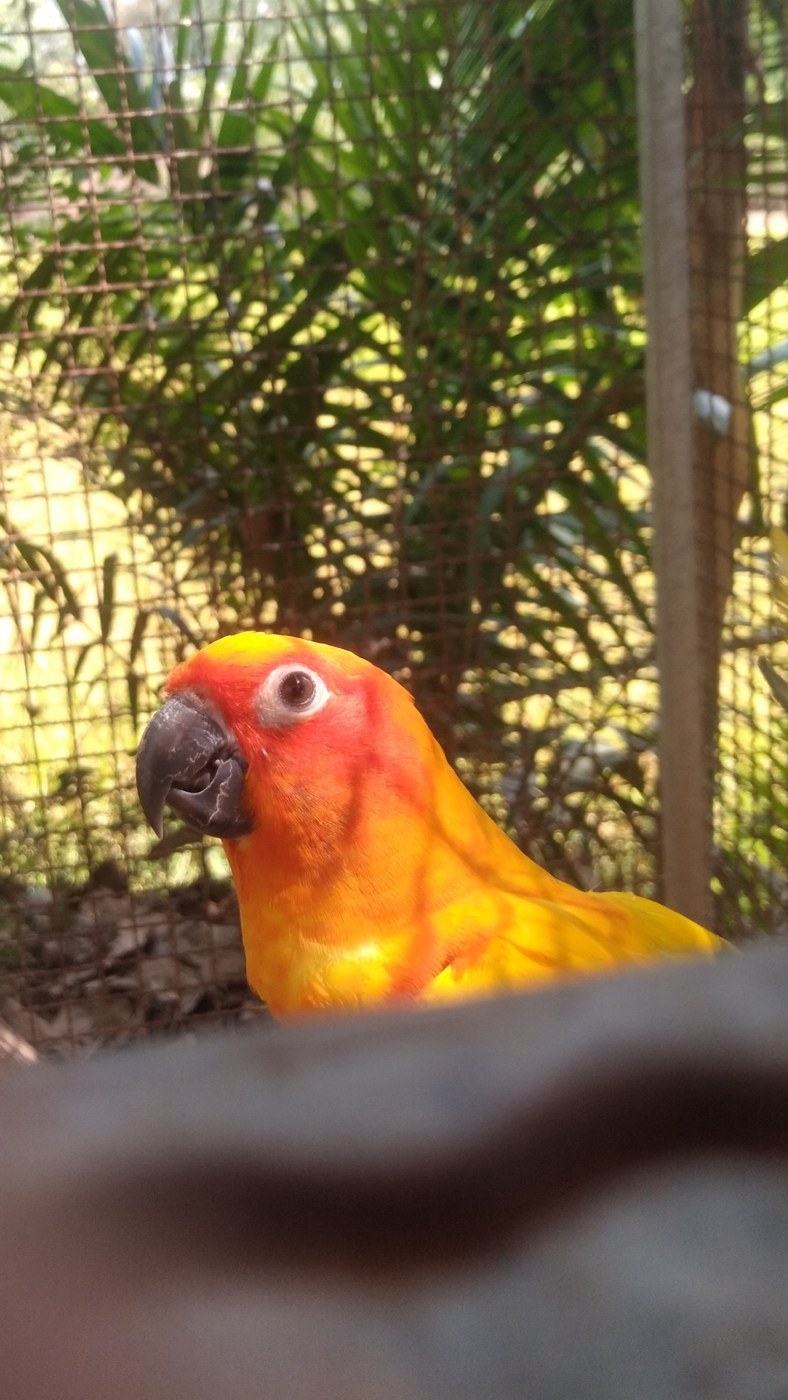
Sun Parakeet
Bright, dense body contour feathers; medium pointed tail feathers

Yellow-naped Amazon
Broad rounded contour feathers with sturdy flight feathers
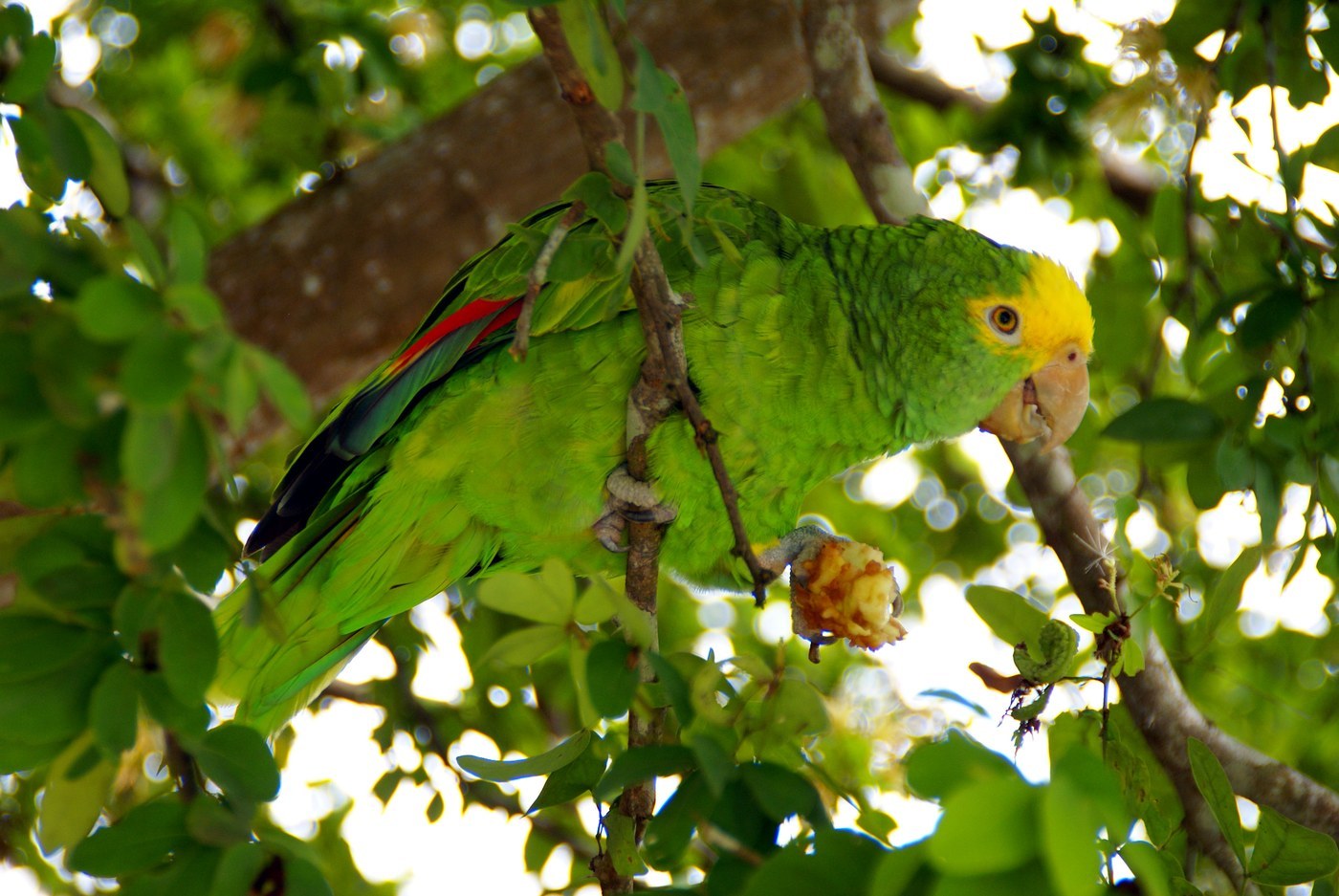
Yellow-headed Amazon
Dense, rounded body contour feathers; broad flight feathers
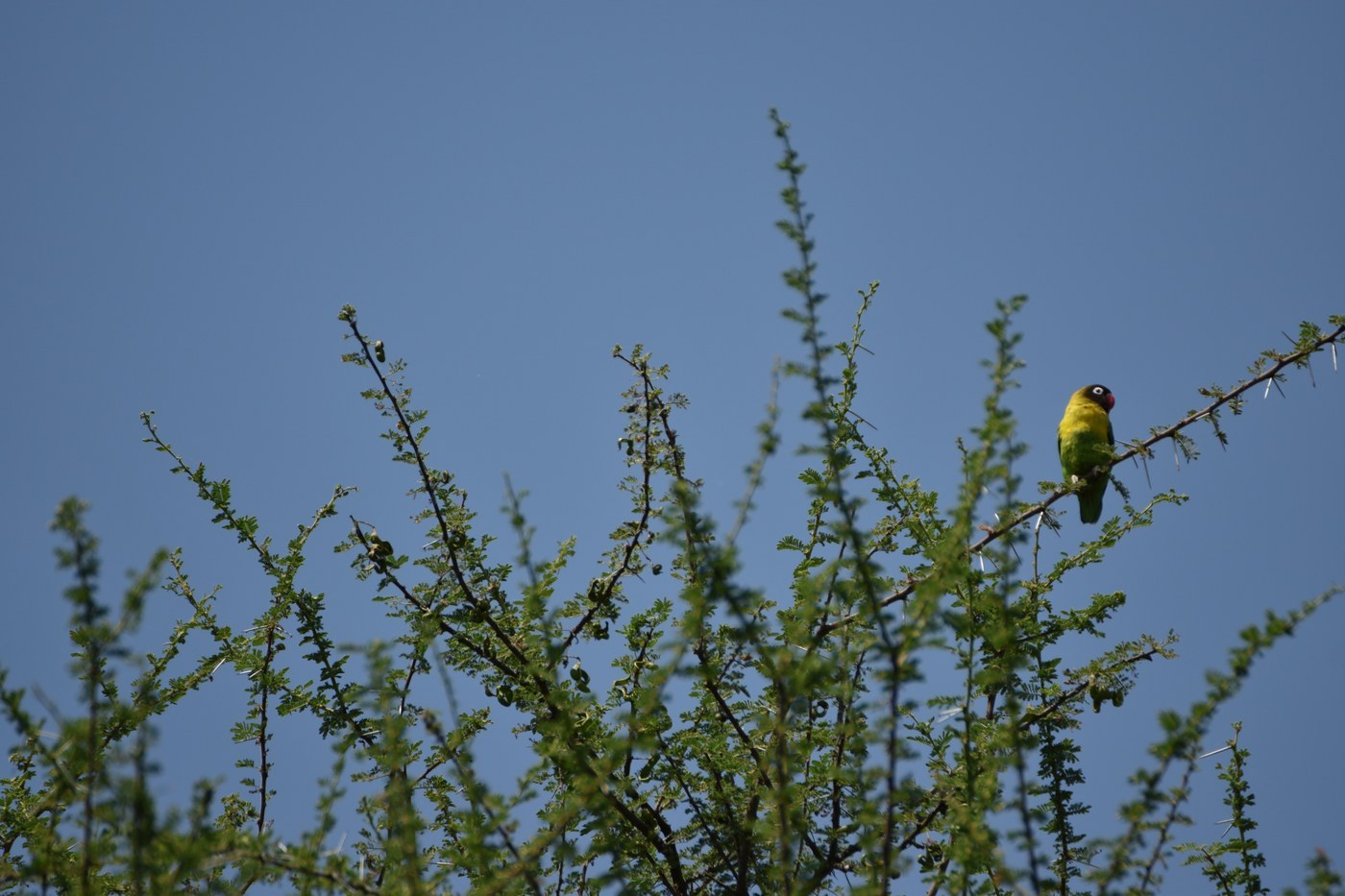
Yellow-collared Lovebird
Small compact flight feathers, short rounded tail

White-eyed Conure
Medium contour and long, graduated tail feathers

Yellow-tailed Black Cockatoo
Large, sturdy contour and flight feathers; short crest

Scarlet-chested Parrot
Small contour and flight feathers

Timneh Parrot
Broad flight feathers, scalloped body feathers with pale edges
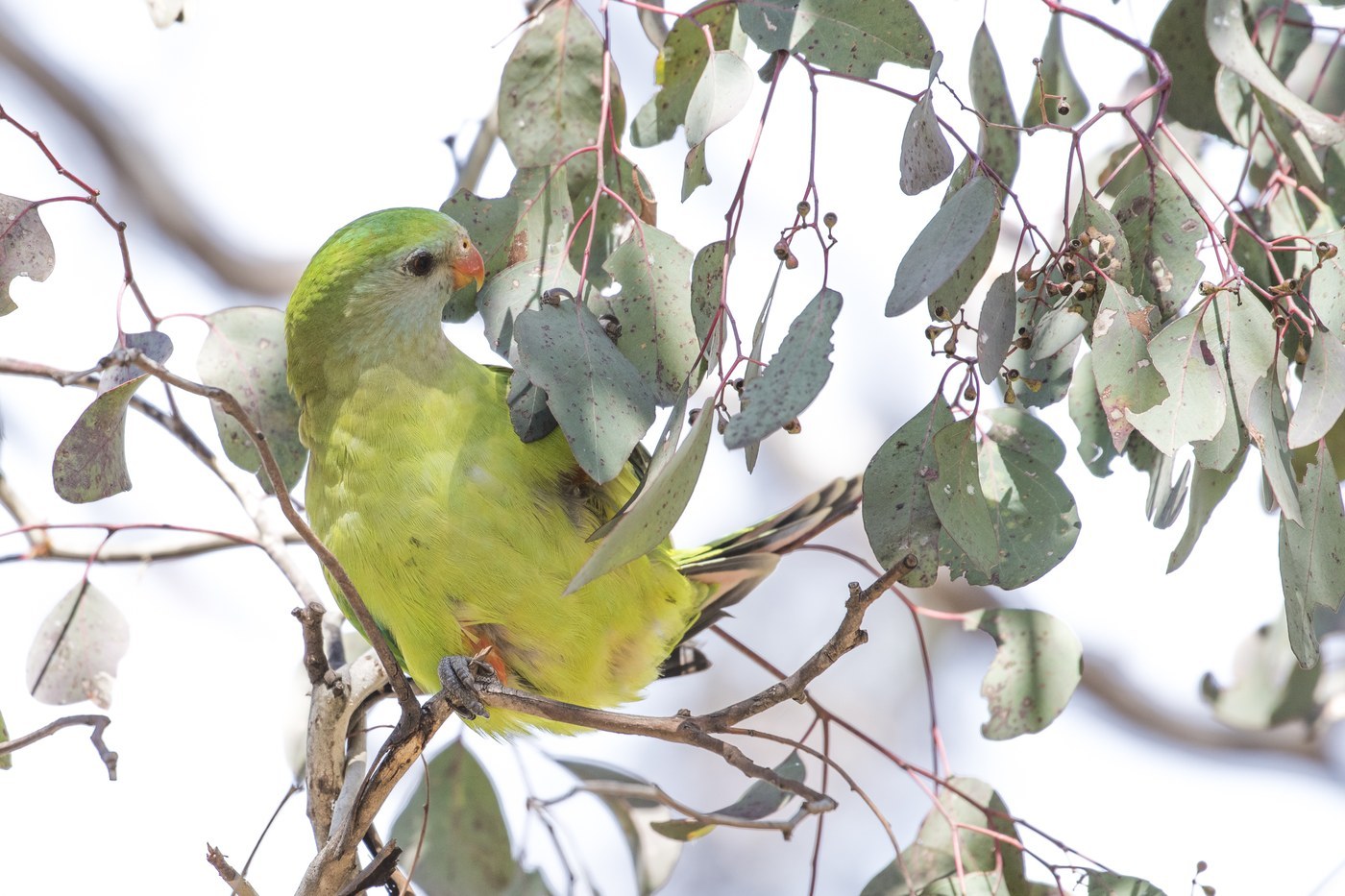
Superb Parrot
Sleek contour feathers with a long tapering tail

Red-shouldered Macaw
Compact body contour feathers; medium flight and tail feathers
Red-rumped Parrot
Sleek contour feathers with a bright rump patch in males

White-capped Pionus
Compact contour feathers and short, squared tail feathers