
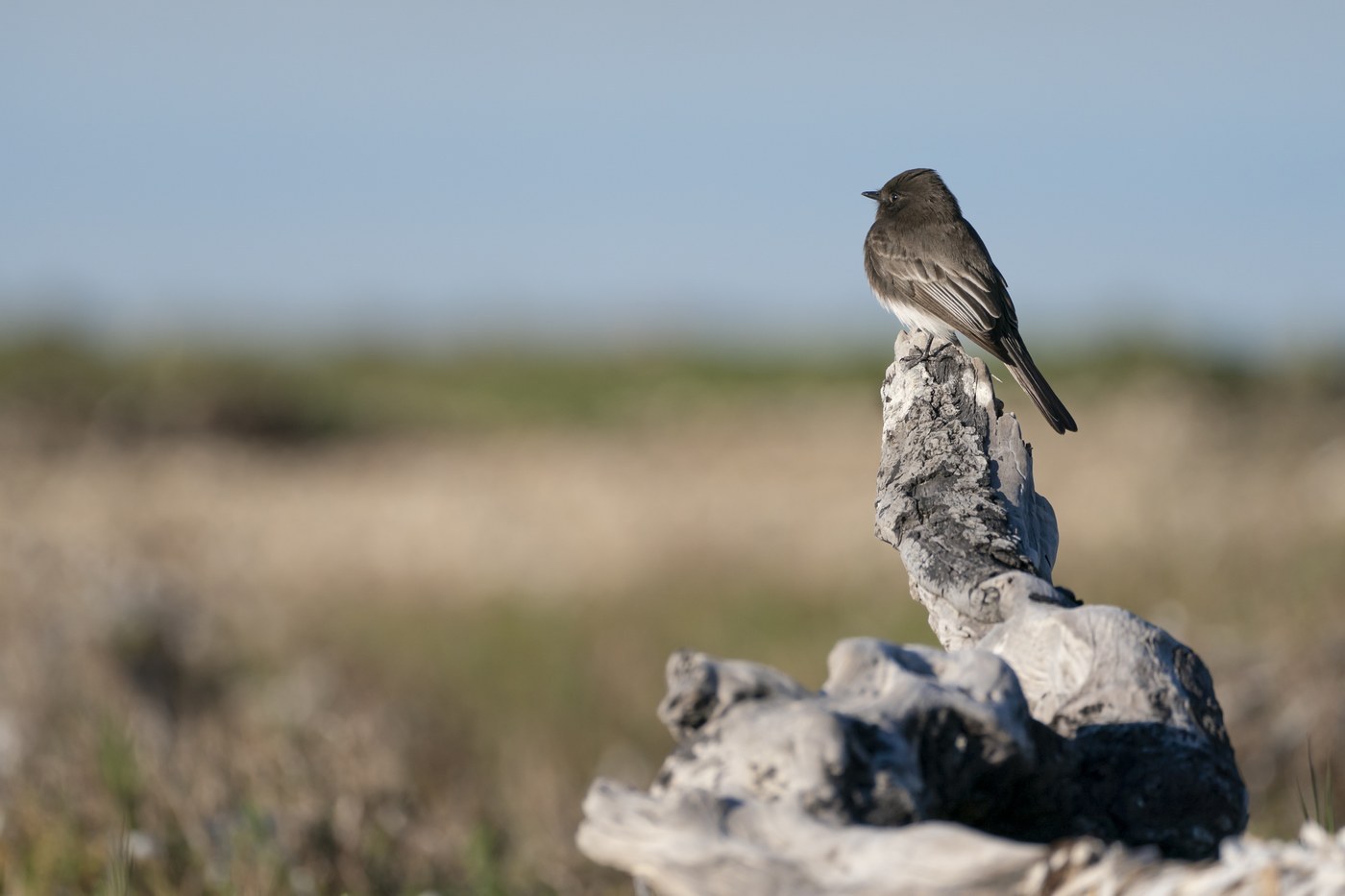
Black Phoebe
Sayornis nigricans
A dark, tail-wagging flycatcher almost always found perched near water, easily told by its sooty black body and clean white belly.
- Feather type
- Contour, body plumage
- Colours
- Sooty black head/upperparts, crisp white belly
- Bird size
- Sparrow-sized, ~17 cm
Found a feather like this?
Identify any feather from a photo, free.
Overview
Overview
The Black Phoebe is a small tyrant flycatcher closely tied to water, typically seen perched on rocks, fences, or low branches near streams, ponds, and irrigation ditches across the southwestern United States, Mexico, and Central and South America. It is a familiar sight to birders because of its habit of perching low, sallying out for insects, and returning to the same spot while pumping its tail.
Its plumage is simple but distinctive: an overall sooty black-brown body sharply divided from a white lower belly and undertail, giving it a two-toned look reminiscent of a small dark-and-white songbird rather than a typically drab flycatcher.
Identifying the Feather
Feather ID Notes
Black Phoebe feathers are almost entirely sooty black to dark brownish-black across the head, back, throat, and breast, with a clean white patch confined to the lower belly and undertail coverts. Wing feathers show narrow pale edges when fresh, creating faint wing bars that wear away over the year.
- Head/breast feathers: uniform sooty black, feel soft and unmarked
- Belly feathers: bright white, sharply demarcated from the black breast
- Wing feathers: dark with thin pale fringes when fresh
- Tail feathers: black, fairly long and often held cocked or fanned This crisp black-and-white split, without any rufous or gray tones, separates it from Say's Phoebe and from Eastern Phoebe, both of which show buffy or grayish underparts rather than pure white.
Plumage & Molt
Plumage Details
Males and females look alike in the Black Phoebe, both showing the same sooty black-and-white pattern year-round with no seasonal change. Juveniles differ by having cinnamon-buff edges to the wing feathers and sometimes a slightly browner overall cast, which fades as they molt into adult plumage within their first year. There is a single annual molt with no bright breeding versus nonbreeding distinction.
Habitat & Range
Habitat & Range
Black Phoebes are closely associated with water sources - streams, rivers, ponds, and even man-made structures like bridges and culverts - across the southwestern and western United States south through Mexico and into Central and South America. Populations are largely resident, with birds often remaining on the same territory year-round, though some northern or higher-elevation birds may shift to lower ground in winter.
Behavior & Field Notes
Behavior & Field Notes
This species forages by sallying from a low, exposed perch to catch flying insects over or near water, often returning to the same perch afterward. Its diet consists mainly of flying insects captured on the wing. Nests are cup-shaped structures built with mud and plant fibers, frequently placed under bridges, eaves, or rock overhangs near water. The call is a sharp, thin "tsip," and the song is a simple repeated phrase. Persistent tail-pumping while perched is a useful behavioral cue for field identification.
Frequently asked questions
How can you tell Black Phoebe feathers from other phoebes?
The sharp division between sooty black upperparts/breast and pure white belly, without buff or gray tones, is distinctive to this species.
Why is this bird almost always near water?
It forages for flying insects over water and often builds mud nests under bridges or overhangs close to a water source.
Do juveniles look different from adults?
Yes, juveniles show cinnamon-buff wing edges and a slightly browner tone that fades with the first molt.
Is the Black Phoebe migratory?
Most populations are resident year-round, though some individuals at higher elevations move to lower ground in winter.
Black Phoebe guides
In-depth guides for identifying and understanding Black Phoebe.
Black Phoebe identified by the community
Real feathers identified with Feather Identifier.


Other feathers you may enjoy

Yellow-breasted Bunting
Contour and flight feathers, chestnut-and-yellow breeding pattern
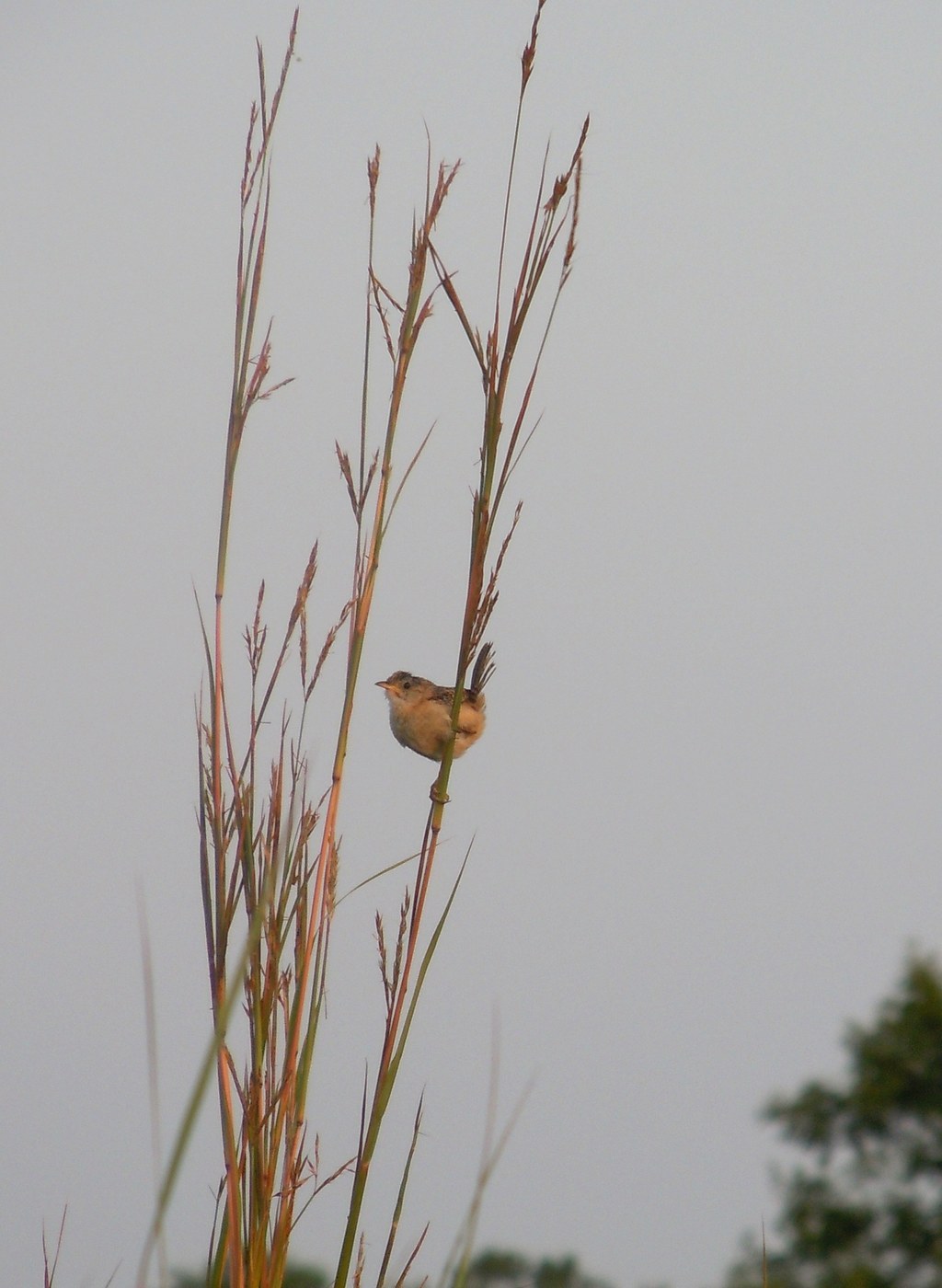
Sedge Wren
Tiny streaked crown and back feathers

Yellow-winged Cacique
Glossy black body feathers, yellow wing patch, shaggy crest

Yellow Warbler
Small contour and flight feathers
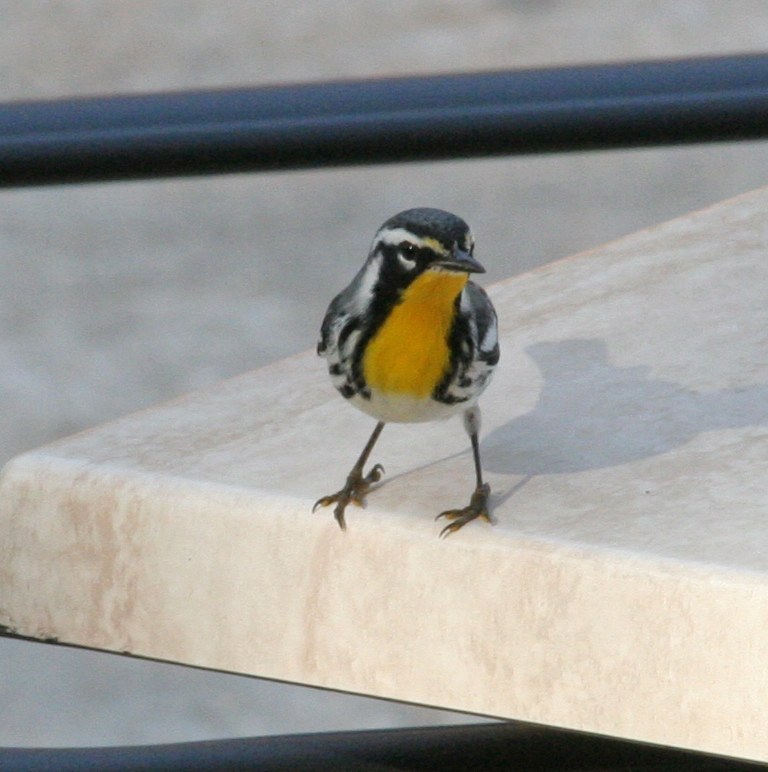
Yellow-throated Warbler
Small contour and flight feathers
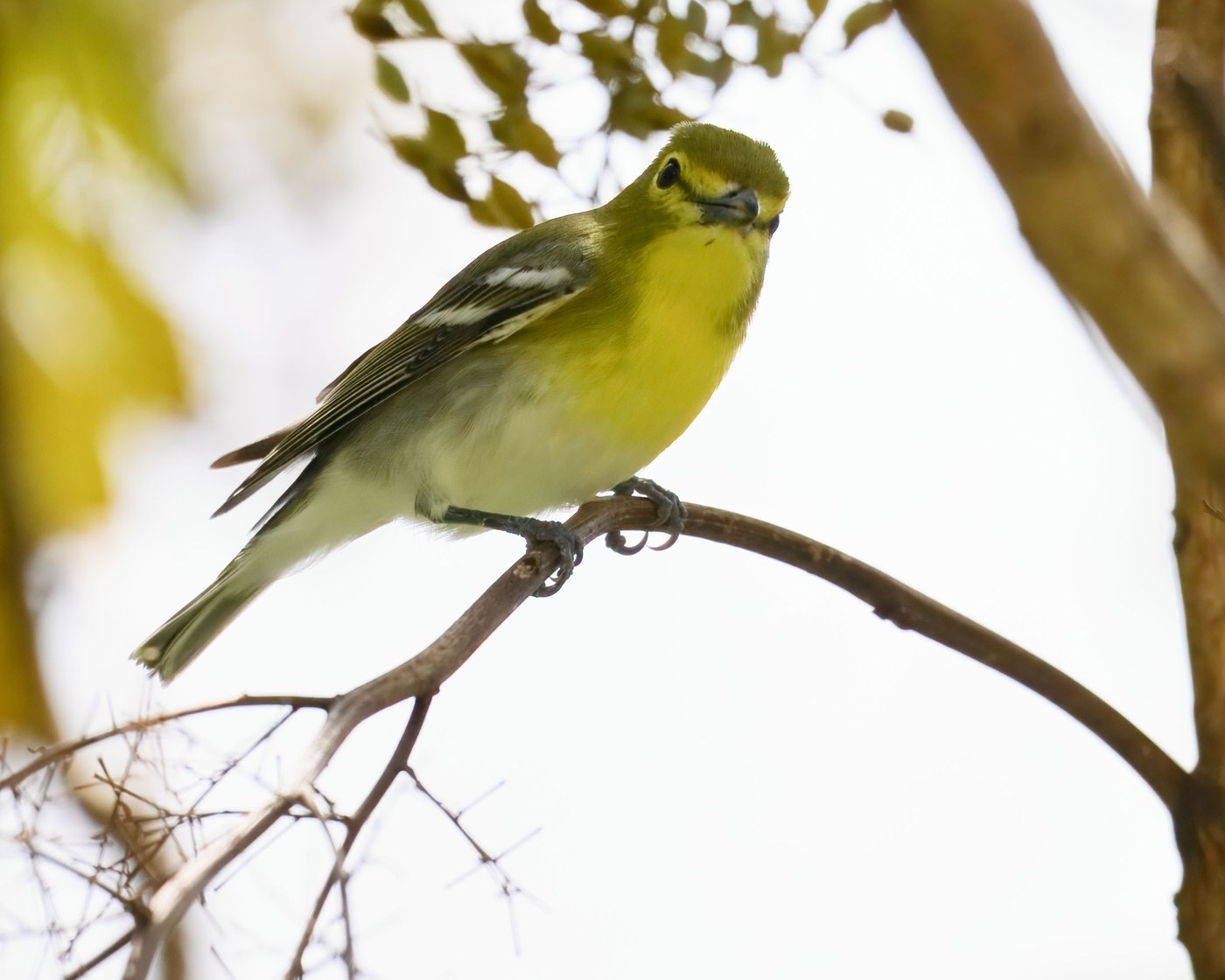
Yellow-throated Vireo
Bright yellow throat and spectacle feathers; olive-green back feathers; two white wing-bar feathers

Yellow-rumped Warbler
Small contour and flight feathers
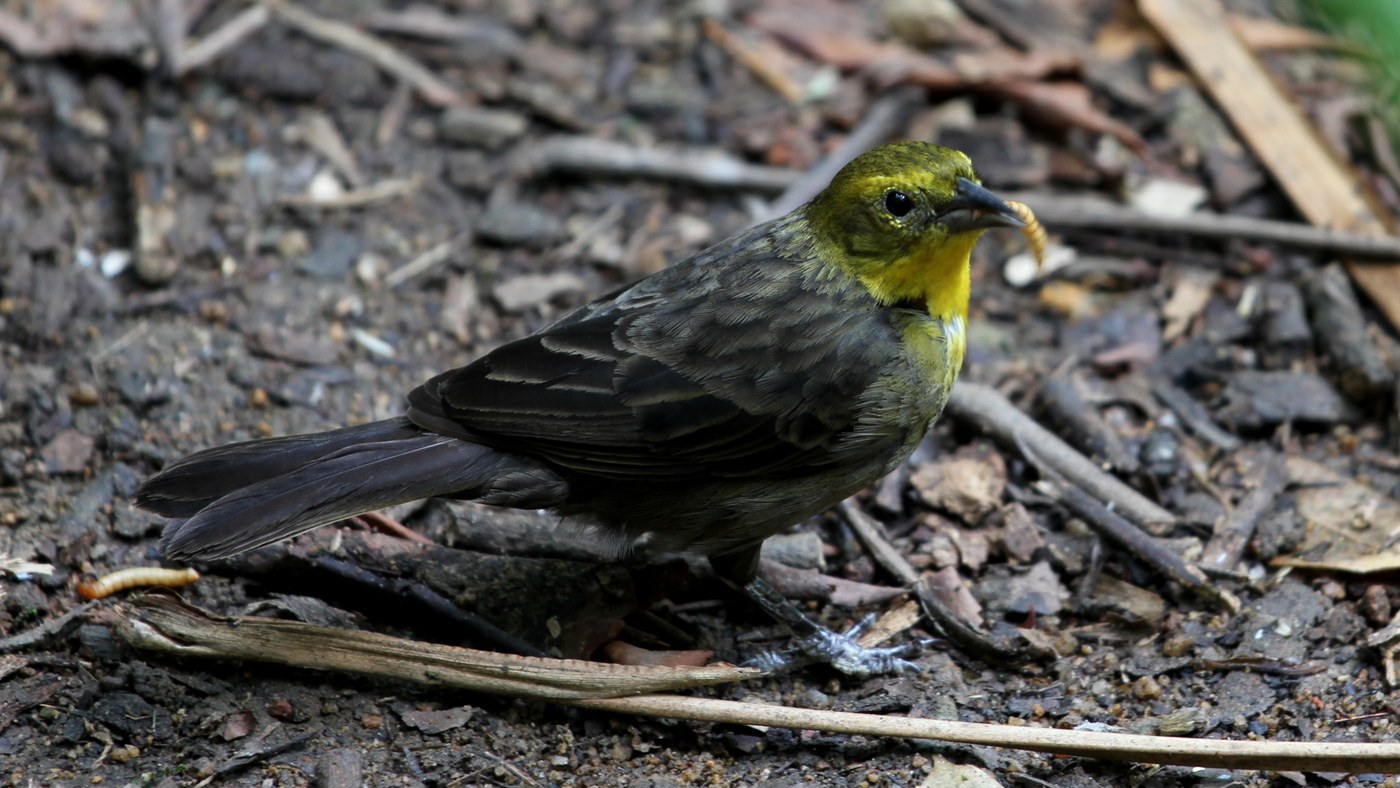
Yellow-hooded Blackbird
Contrasting hood and body feathers
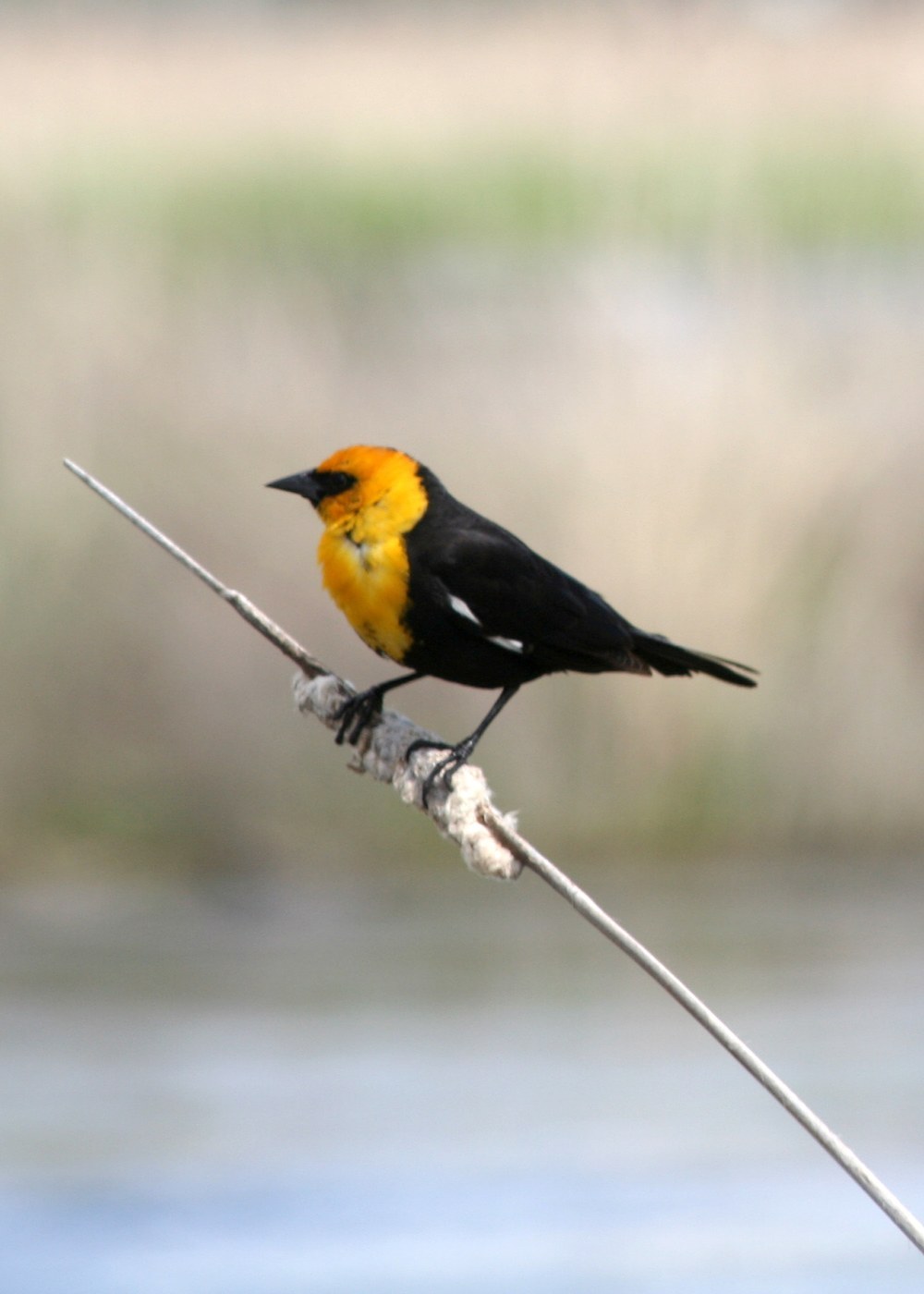
Yellow-headed Blackbird
Glossy black body plumage with a bright yellow head and breast

Yellow-eyed Junco
Contour and flight feathers

Yellow-fronted Canary
Small, smooth body plumage

Yellow-breasted Greenfinch
Compact, smooth body plumage