

Black-capped Lory
Lorius lory
The Black-capped Lory is a vividly red New Guinea parrot topped with a solid black cap and accented by blue patches on the nape and thighs.
- Feather type
- Soft, dense contour feathers typical of lories
- Colours
- Red body plumage with a black cap, blue nape and thigh patches, and green wings
- Bird size
- Medium, ~31 cm
Found a feather like this?
Identify any feather from a photo, free.
Overview
Overview
The Black-capped Lory is native to lowland and hill rainforest across New Guinea and some nearby islands. Its combination of red body plumage, a black cap, and blue accents makes it one of the more distinctively marked lories.
- Stocky lory build with a strong, hooked bill
- Coloring can vary somewhat between recognized subspecies
- Blue markings are typically confined to the nape and thighs
Identifying the Feather
Feather Identification
The crown is covered by a solid black cap, sharply demarcated from the surrounding red feathers of the face, neck, and breast. A patch of blue feathers typically marks the nape, and blue is also present on the thighs, while the wings are green.
- Flight feathers: Green primaries and secondaries, contrasting with the red body
- Tail feathers: Red at the base with darker tips
- Head pattern: Black cap plus blue nape patch distinguishes this species from the all-red head of the Chattering Lory
The solid black cap combined with blue nape and thigh patches is the clearest identifying feature for feathers of this species.
Plumage & Molt
Sexes are alike in plumage. Juveniles show a less defined black cap and duller blue patches, both sharpening with maturity. Molt occurs gradually throughout the year.
Habitat & Range
This species inhabits lowland and hill rainforest across New Guinea and some surrounding islands. It is largely resident, with local movements tied to the availability of flowering and fruiting trees.
Behavior & Field Notes
Black-capped Lories are usually seen in pairs or small groups foraging in the forest canopy for nectar, pollen, and soft fruit, aided by a brush-tipped tongue. They nest in tree hollows, with pairs sharing incubation and chick-rearing duties. Calls include loud, harsh screeches and chattering notes typical of lories, given both at rest and in flight.
Frequently asked questions
What head marking is diagnostic for the Black-capped Lory?
A solid black cap sharply set off from the surrounding red plumage is the key identifying feature.
Where does blue coloring appear on this species?
Blue is typically found on the nape and on the thighs, contrasting with the red body and black cap.
How does this species differ from the Chattering Lory?
The Chattering Lory lacks a black cap, showing an entirely red head, while the Black-capped Lory has a distinct black crown.
Are juveniles marked the same as adults?
No, young birds show a less defined black cap and duller blue patches that become more distinct with age.
Black-capped Lory guides
In-depth guides for identifying and understanding Black-capped Lory.

Other feathers you may enjoy
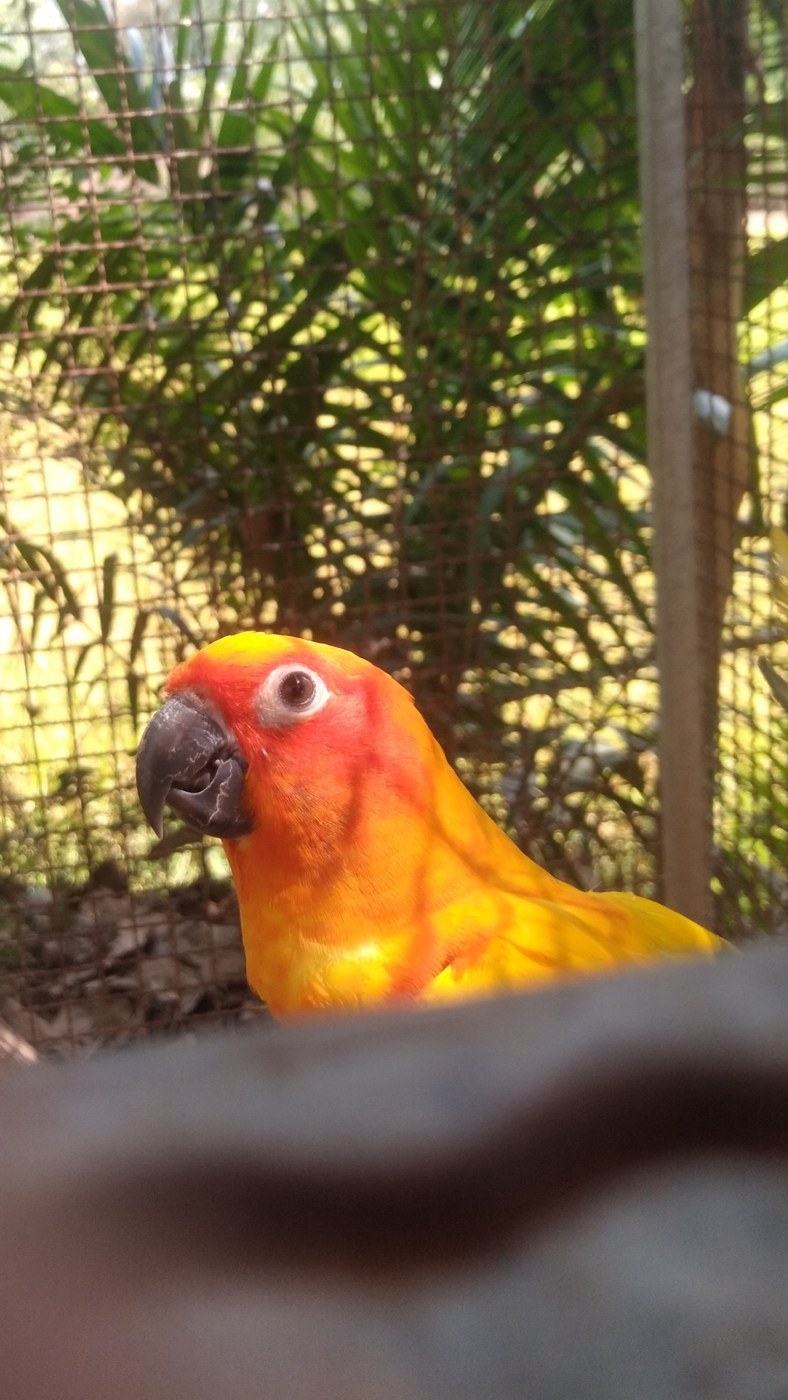
Sun Parakeet
Bright, dense body contour feathers; medium pointed tail feathers

Yellow-naped Amazon
Broad rounded contour feathers with sturdy flight feathers
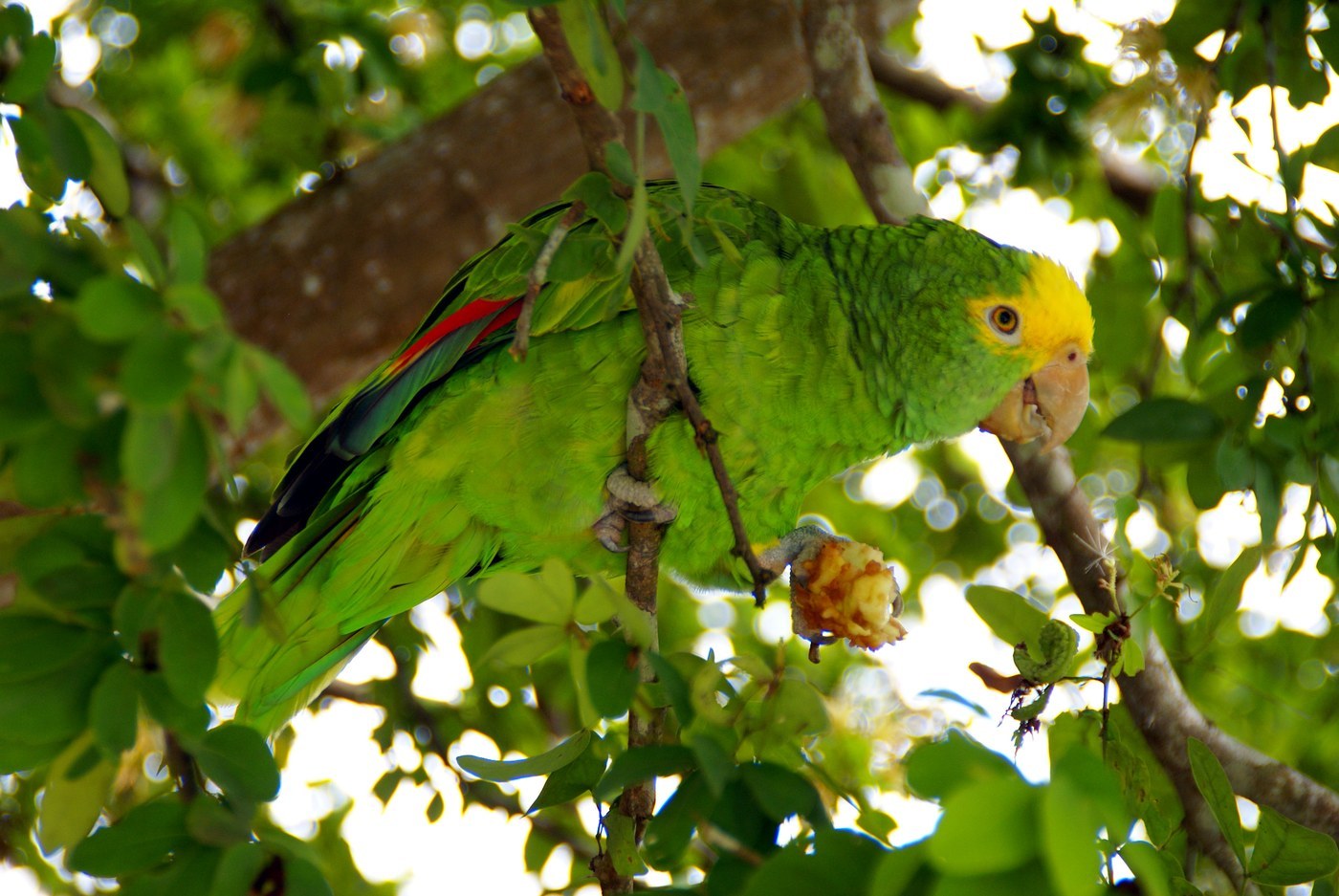
Yellow-headed Amazon
Dense, rounded body contour feathers; broad flight feathers
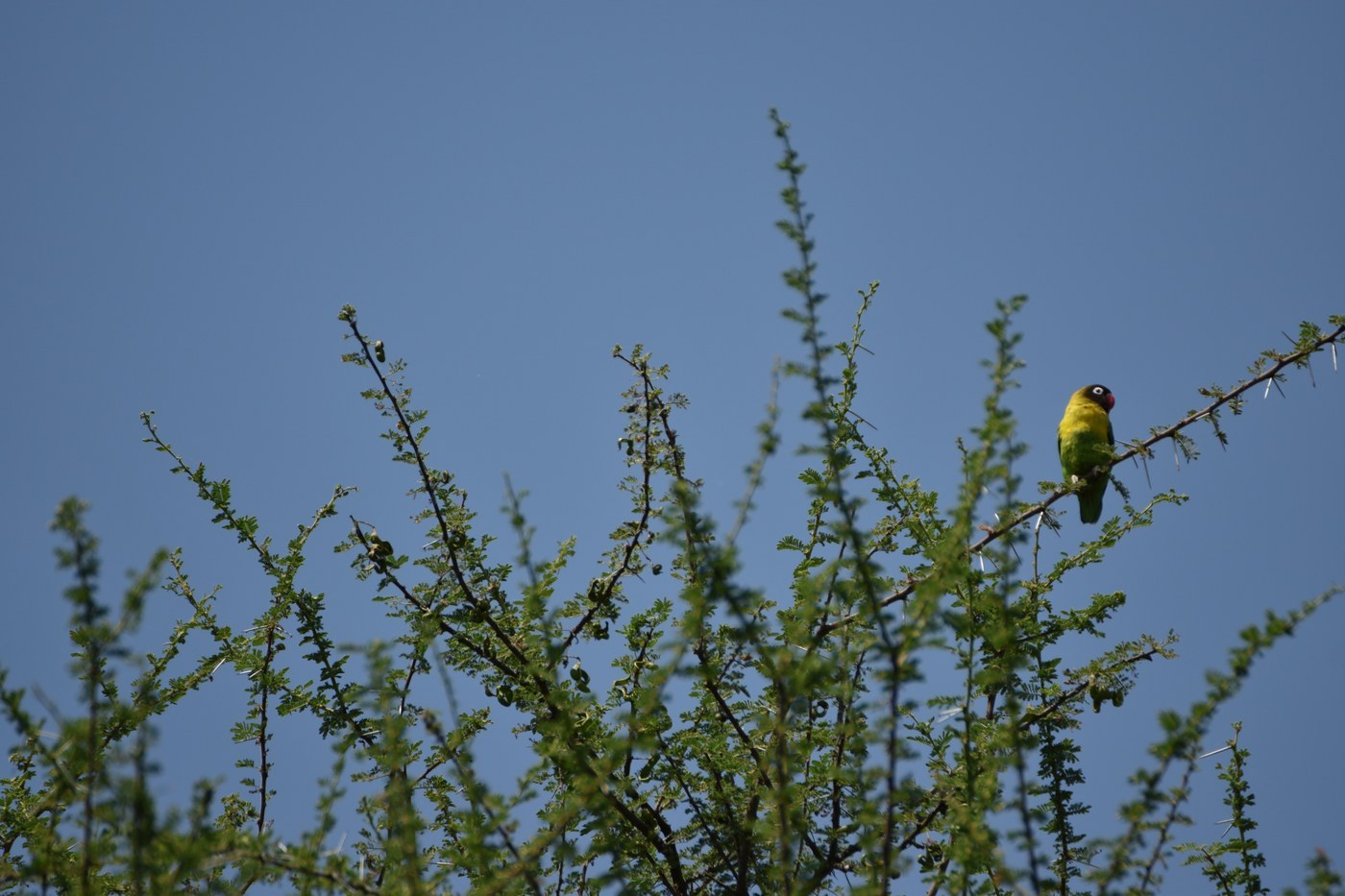
Yellow-collared Lovebird
Small compact flight feathers, short rounded tail

White-eyed Conure
Medium contour and long, graduated tail feathers

Yellow-tailed Black Cockatoo
Large, sturdy contour and flight feathers; short crest

Scarlet-chested Parrot
Small contour and flight feathers

Timneh Parrot
Broad flight feathers, scalloped body feathers with pale edges
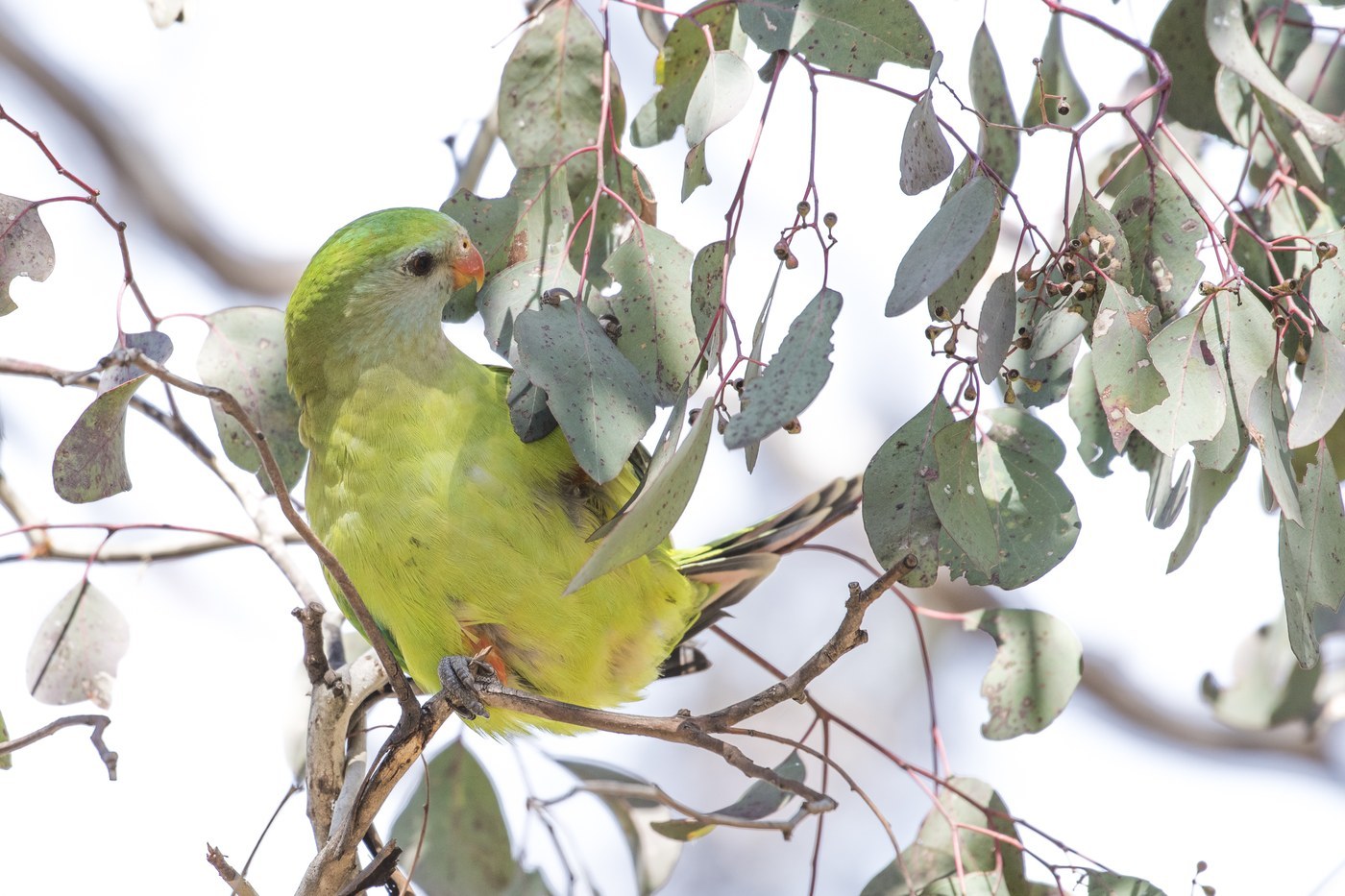
Superb Parrot
Sleek contour feathers with a long tapering tail

Red-shouldered Macaw
Compact body contour feathers; medium flight and tail feathers
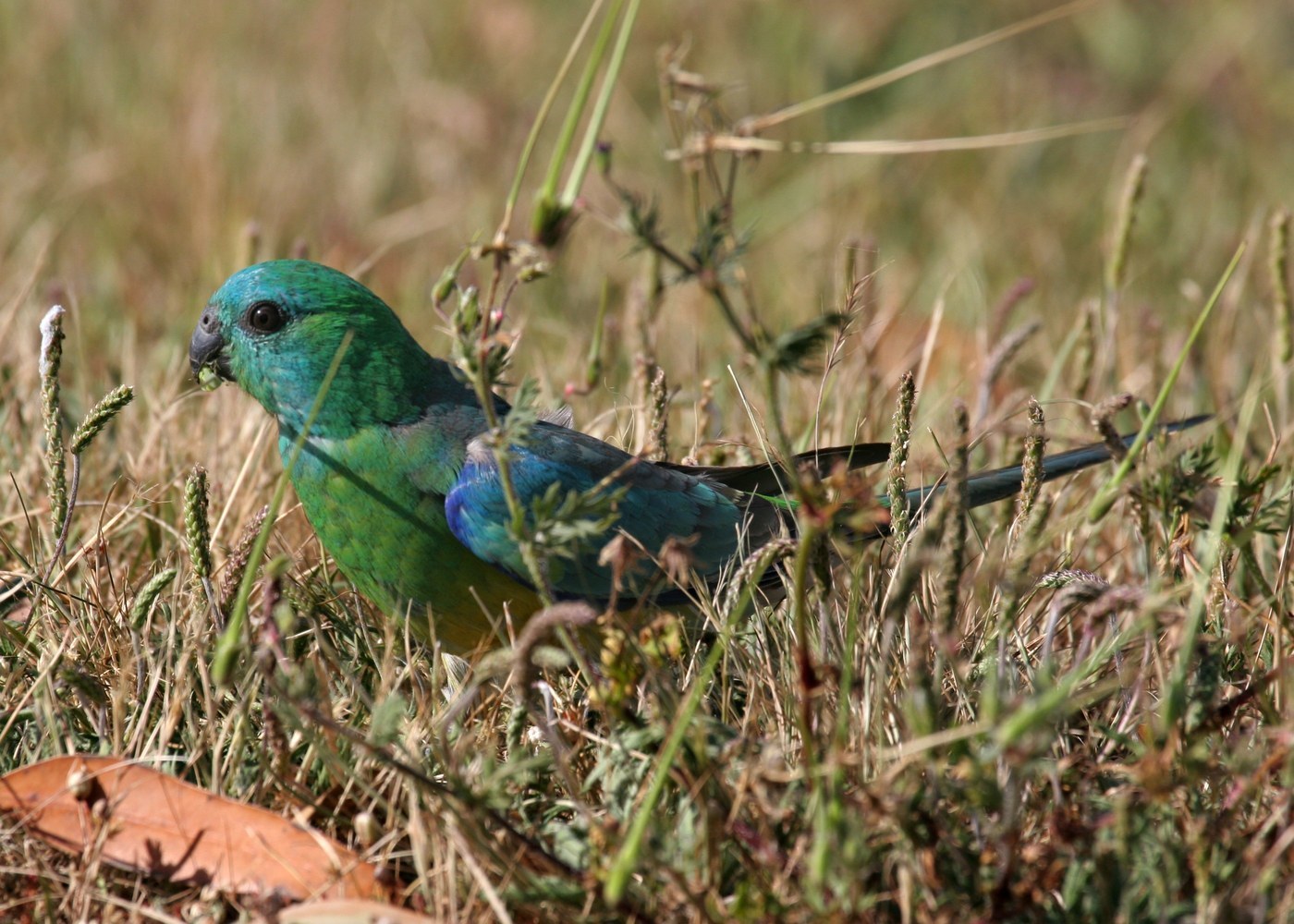
Red-rumped Parrot
Sleek contour feathers with a bright rump patch in males

White-capped Pionus
Compact contour feathers and short, squared tail feathers