
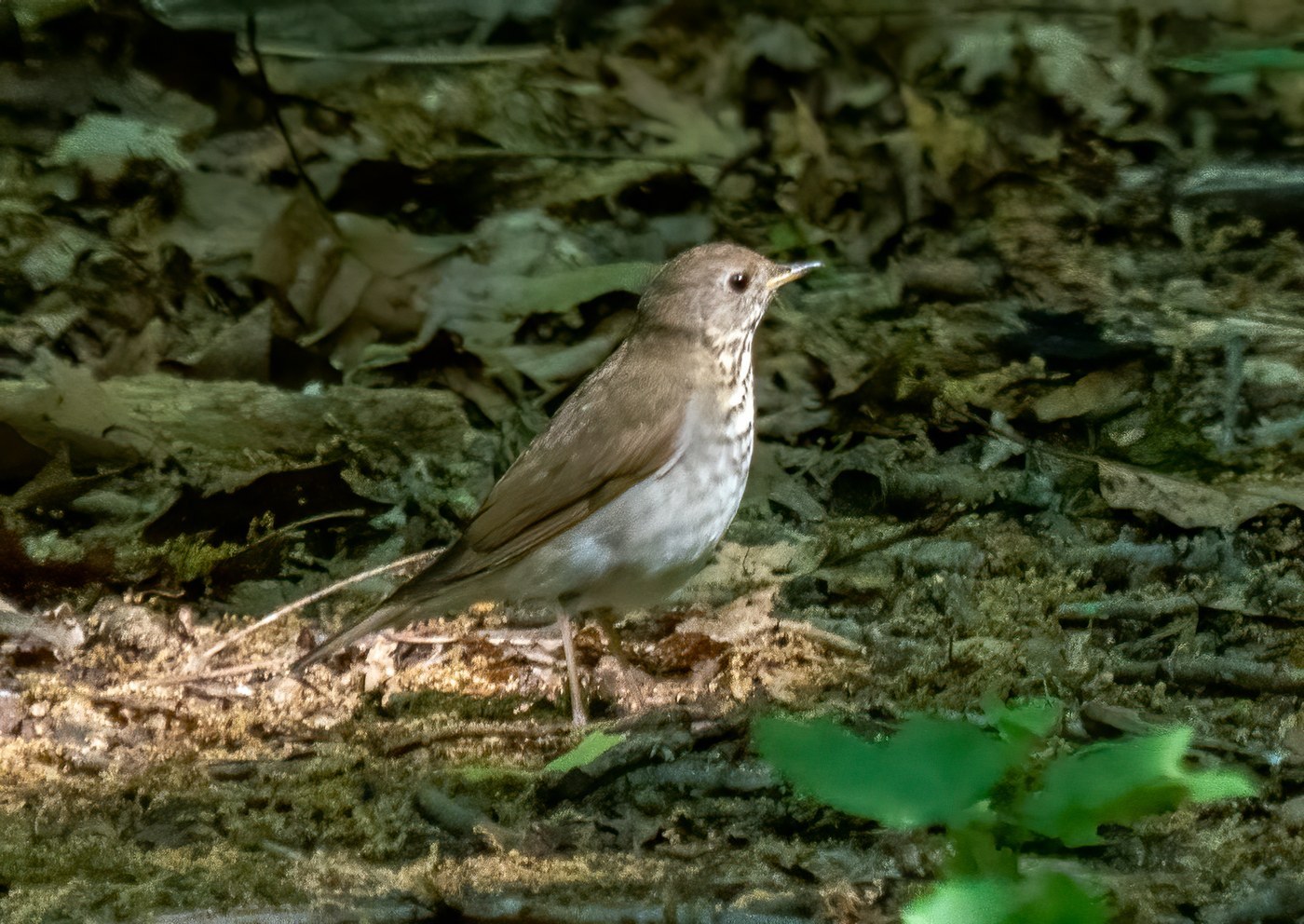
Bicknell's Thrush
Catharus bicknelli
A rare, high-elevation thrush closely resembling the Gray-cheeked Thrush, separated mainly by subtle tail color, bill pattern, and habitat.
- Feather type
- Soft body feathers with subtle rufous tones on tail and wings
- Colours
- Olive-brown body with a slightly rufous-tinged tail and yellow-based lower mandible
- Bird size
- Sparrow-sized, ~16-18 cm
Found a feather like this?
Identify any feather from a photo, free.
Overview
Bicknell's Thrush breeds in a narrow band of stunted, high-elevation conifer forest across the northeastern United States and southeastern Canada, and winters primarily in the Greater Antilles. It was once considered part of the Gray-cheeked Thrush complex and remains one of the most difficult North American thrushes to identify with certainty, relying on subtle plumage and structural differences plus voice.
Identifying the Feather
- Tail feathers: Show a subtle rufous or warm brown tinge, slightly more so than the colder-toned Gray-cheeked Thrush.
- Bill: Often shows more extensive yellow at the base of the lower mandible than the Gray-cheeked Thrush.
- Body feathers: Olive-brown upperparts with a whitish, lightly spotted breast, generally similar to Gray-cheeked Thrush but slightly warmer.
- Compared to similar species: Extremely similar to Gray-cheeked Thrush; reliable separation often depends on combining subtle tail color, bill pattern, size, and especially voice and breeding range/habitat.
Plumage & Molt
Sexes appear alike, with olive-brown upperparts, a faintly rufous-tinged tail, and a whitish breast marked with modest dark spotting. Juveniles show typical thrush spotting on the back before their first molt into adult-like plumage. A single complete molt occurs after the breeding season, and plumage shows little seasonal variation, remaining subdued year-round.
Habitat & Range
This thrush breeds in dense, stunted balsam fir and spruce forest at high elevations in the northeastern United States (including parts of New England and New York) and adjacent Canadian provinces. It winters mainly in mountainous forest of the Greater Antilles, particularly the Dominican Republic. Its narrow, patchy breeding habitat makes it one of the more range-restricted North American thrushes.
Behavior & Field Notes
Bicknell's Thrush forages on the ground and in low vegetation for invertebrates and fruit within dense conifer thickets. Its song is similar to the Gray-cheeked Thrush's thin, nasal phrases but with subtle differences detectable to experienced listeners. It nests low in dense conifers, well hidden from view. Due to its remote high-elevation breeding habitat and skulking habits, it is considered one of the harder North American songbirds to observe closely.
Frequently asked questions
How is Bicknell's Thrush told apart from the Gray-cheeked Thrush?
Subtle differences include a slightly warmer, more rufous-tinged tail and more yellow at the base of the lower mandible, though voice and breeding habitat are often the most reliable clues.
Where does Bicknell's Thrush breed?
It breeds in stunted, high-elevation conifer forest in the northeastern United States and adjacent parts of eastern Canada.
Where does it spend the winter?
Most of the population winters in mountainous forest of the Greater Antilles, especially the Dominican Republic.
Why is this species considered hard to identify?
It is extremely similar in plumage to the Gray-cheeked Thrush, and confident identification often depends on combining subtle physical features with range, habitat, and voice.
Bicknell's Thrush guides
In-depth guides for identifying and understanding Bicknell's Thrush.
Other feathers you may enjoy

Yellow-breasted Bunting
Contour and flight feathers, chestnut-and-yellow breeding pattern
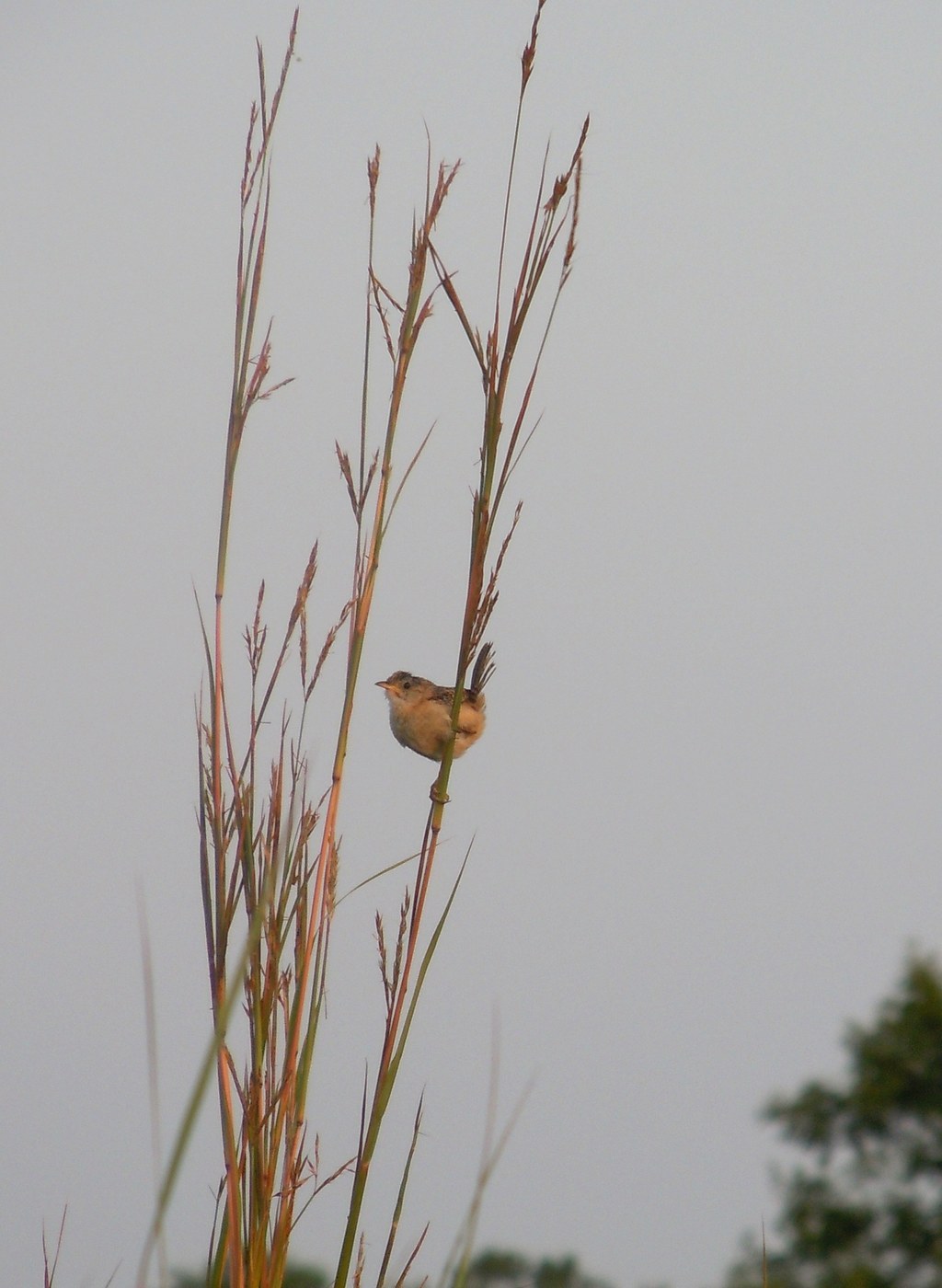
Sedge Wren
Tiny streaked crown and back feathers

Yellow-winged Cacique
Glossy black body feathers, yellow wing patch, shaggy crest

Yellow Warbler
Small contour and flight feathers
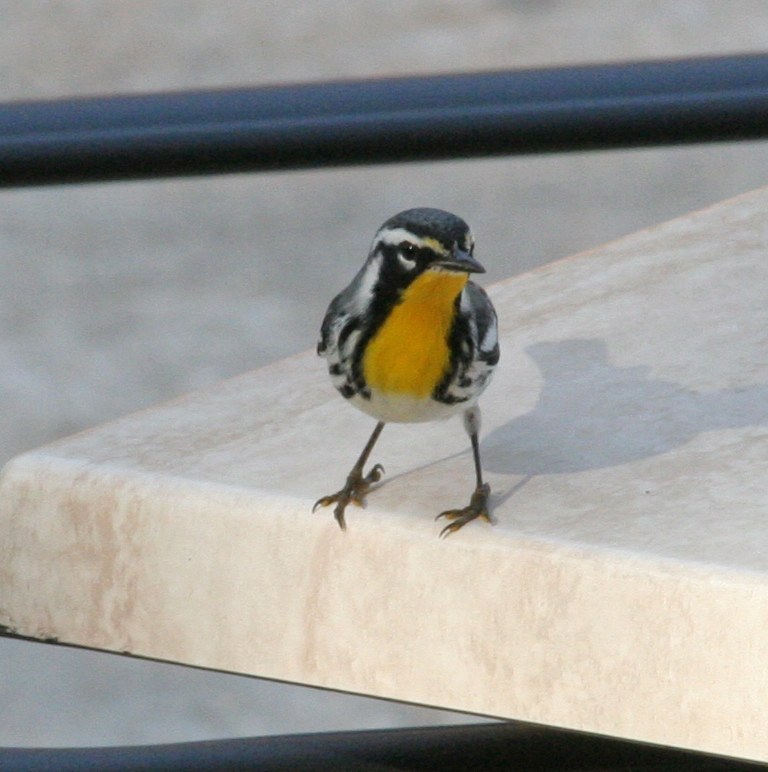
Yellow-throated Warbler
Small contour and flight feathers
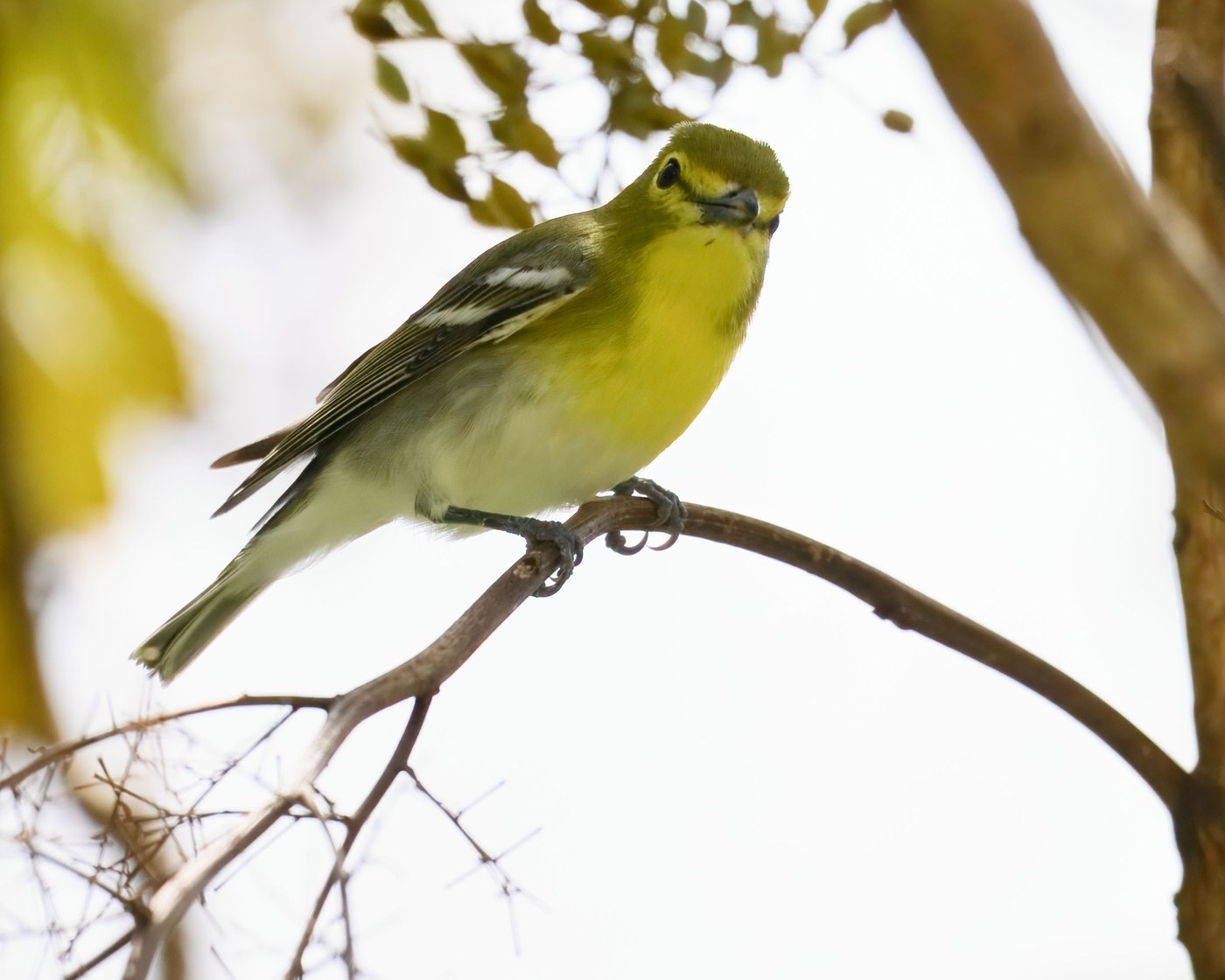
Yellow-throated Vireo
Bright yellow throat and spectacle feathers; olive-green back feathers; two white wing-bar feathers

Yellow-rumped Warbler
Small contour and flight feathers
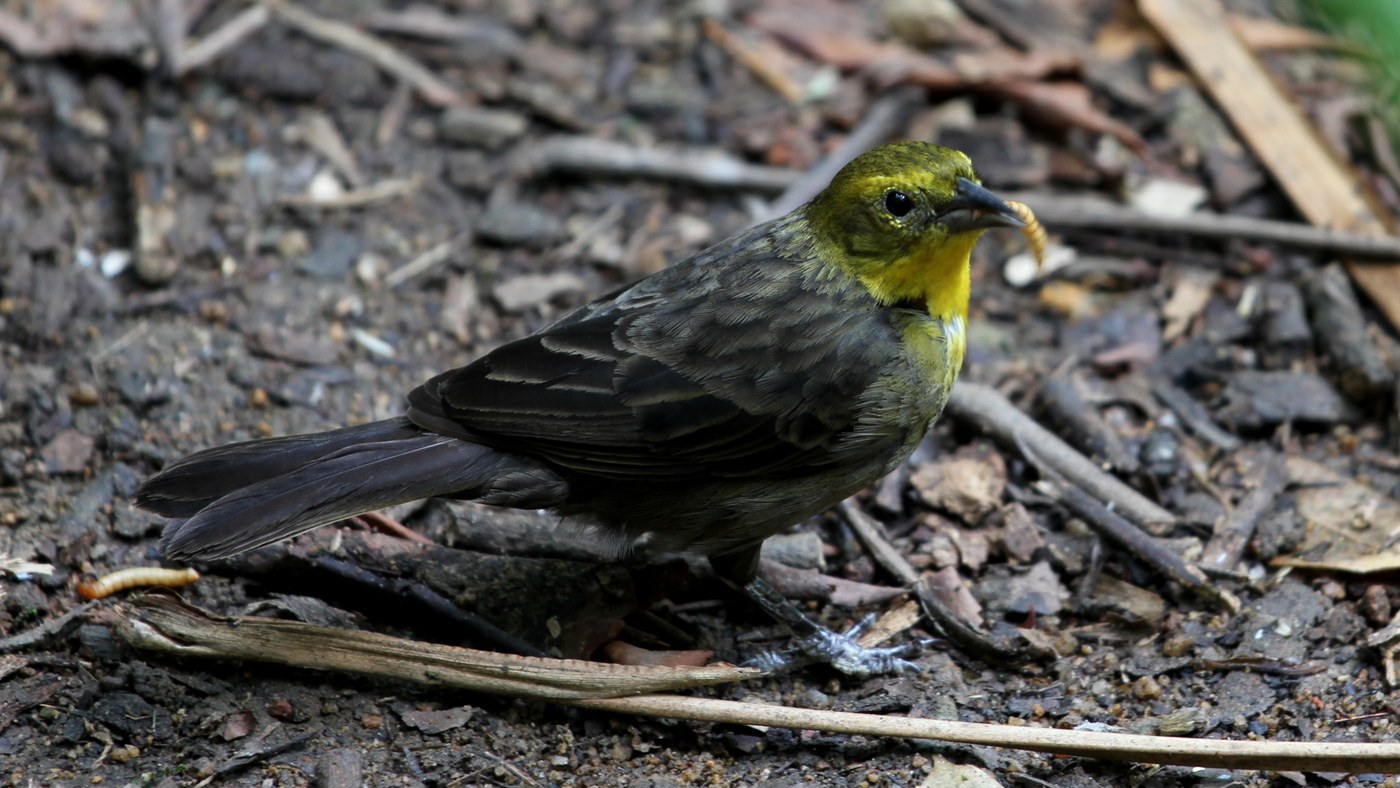
Yellow-hooded Blackbird
Contrasting hood and body feathers
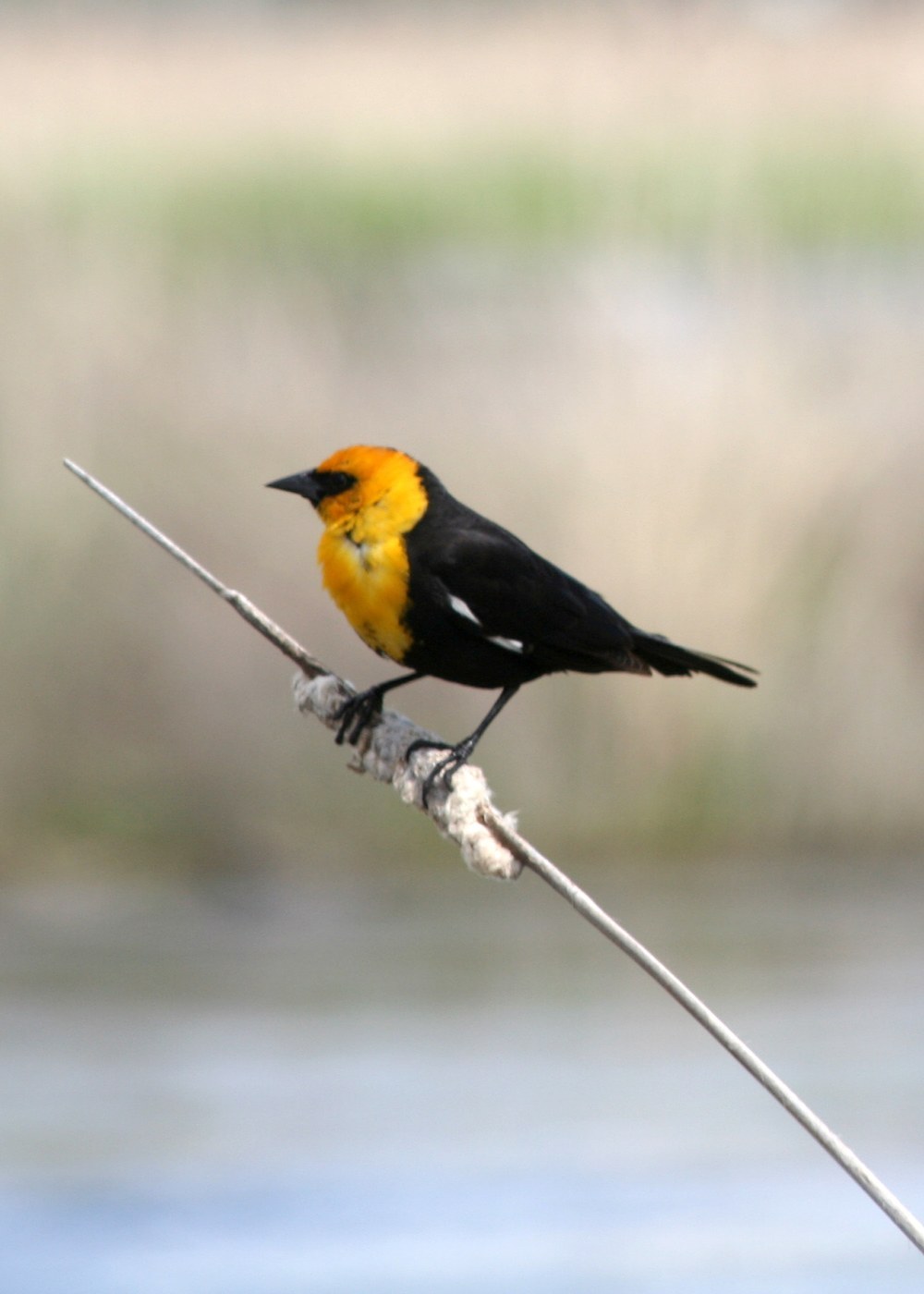
Yellow-headed Blackbird
Glossy black body plumage with a bright yellow head and breast

Yellow-eyed Junco
Contour and flight feathers

Yellow-fronted Canary
Small, smooth body plumage

Yellow-breasted Greenfinch
Compact, smooth body plumage