

Barn Swallow
Hirundo rustica
The classic long-tailed swallow of barns and bridges, with glossy steel-blue upperparts, a rusty throat, and elongated outer tail feathers tipped with white spots.
- Feather type
- Long, deeply forked tail feathers with white spots; pointed iridescent flight feathers
- Colours
- Deep glossy blue above, rufous-buff throat and forehead, pale cinnamon-buff underparts
- Bird size
- Small, ~15-19 cm including tail streamers
Found a feather like this?
Identify any feather from a photo, free.
Overview
The Barn Swallow is one of the most widespread songbirds in the world, breeding across the Northern Hemisphere and nesting almost exclusively on human-made structures such as barns, eaves, and bridges. Its long, deeply forked tail with elegant streamers makes it instantly recognizable in flight.
Because it nests in close association with buildings, Barn Swallow feathers are frequently found around barns, stables, garages, and bridge undersides during the breeding season.
Its tail feathers, in particular, are among the most distinctive of any small songbird due to their length and white spotting.
Identifying the Feather
Identifying Barn Swallow feathers
- Tail feathers: The outer tail feathers are dramatically elongated into thin streamers, deeply forked, glossy blue-black, each with a bold white spot near the tip visible from below.
- Throat and forehead feathers: Distinct rufous to chestnut-orange, unlike any other common swallow in most regions.
- Upperpart feathers: Glossy, iridescent steel-blue to blue-black.
- Underpart feathers: Pale buff to cinnamon-tinted, unmarked.
- Compared to similar species: Cliff Swallow lacks the deeply forked tail and white tail spots, and its throat is darker chestnut with a pale buff forehead patch rather than rufous.
Plumage & Molt
Plumage overview
Adults have glossy blue-black upperparts, a rufous-chestnut throat and forehead, a dark blue breast band, and buffy-cinnamon underparts. The long tail streamers are more pronounced in males, which also tend to have slightly darker underparts than females — a trait linked to mate selection in this species.
Juveniles have shorter tail streamers, paler throats, and duller upperpart gloss until their first complete molt, which typically occurs on the wintering grounds.
Habitat & Range
Habitat and range
Barn Swallows breed across Europe, Asia, and North America, almost always near open farmland, pastures, or water, and nest under eaves, in barns, garages, culverts, and under bridges. They are highly migratory, with Northern Hemisphere breeders wintering in South America, Africa, or Southeast Asia depending on the population.
This adaptability to human structures has made it one of the most successful and widely distributed swallow species globally.
Behavior & Field Notes
Behavior and field notes
Barn Swallows are aerial insectivores, catching flying insects in swooping, agile flight low over fields and water. They build open cup nests of mud pellets mixed with grass, typically attached to a vertical surface under an overhang.
Their voice is a rapid, twittering warble often given in flight or while perched on wires. A useful field note: because Barn Swallows nest colonially on structures, feathers are often found in clusters directly below nest sites on barn floors or ledges.
Frequently asked questions
What is the easiest way to recognize a Barn Swallow feather?
Look for a deeply forked, glossy blue-black tail feather with a white spot near the tip — this shape is unique among common swallows.
Are male and female Barn Swallow feathers different?
Males typically have longer tail streamers and slightly darker underparts than females, though both sexes share the same overall color pattern.
Why do I find Barn Swallow feathers around barns and bridges?
This species nests almost exclusively on human-made structures, so molted feathers commonly accumulate below nest sites.
How does a Barn Swallow tail feather differ from a Cliff Swallow's?
Barn Swallow tail feathers are deeply forked with white spots, while Cliff Swallow tails are square-ended and lack white spotting.
Barn Swallow guides
In-depth guides for identifying and understanding Barn Swallow.

Barn Swallow identified by the community
Real feathers identified with Feather Identifier.


Other feathers you may enjoy

Yellow-breasted Bunting
Contour and flight feathers, chestnut-and-yellow breeding pattern
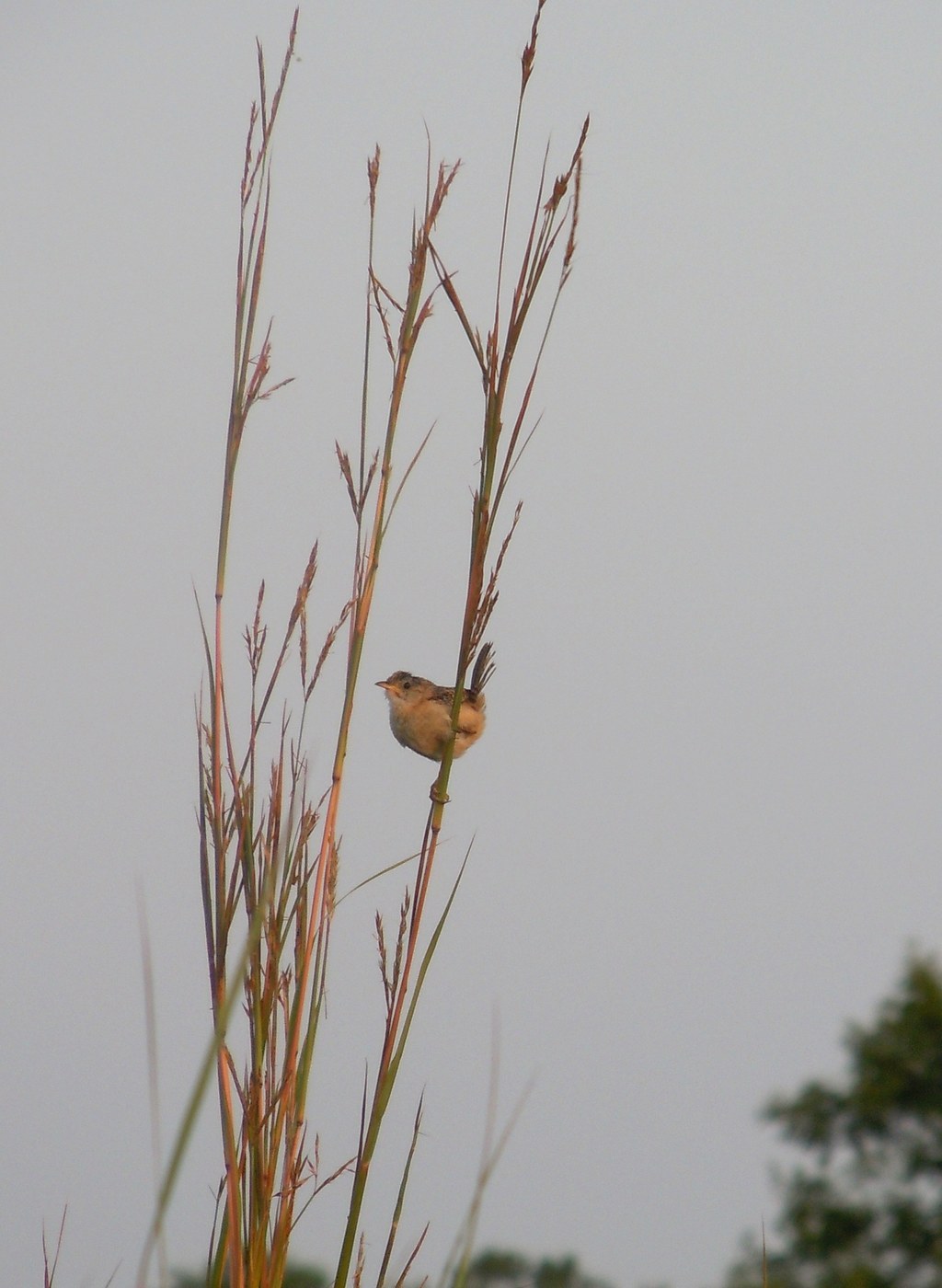
Sedge Wren
Tiny streaked crown and back feathers

Yellow-winged Cacique
Glossy black body feathers, yellow wing patch, shaggy crest

Yellow Warbler
Small contour and flight feathers
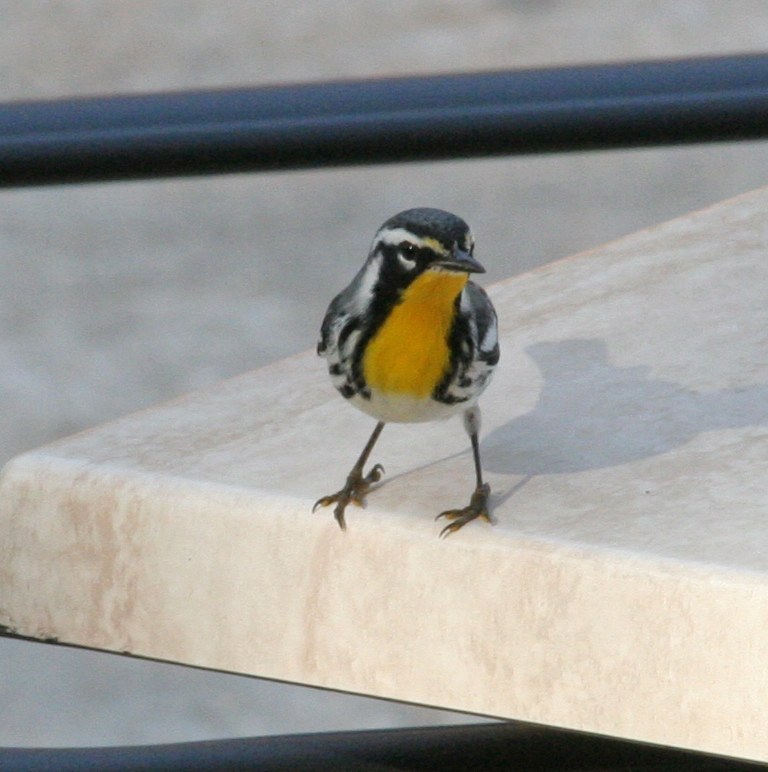
Yellow-throated Warbler
Small contour and flight feathers
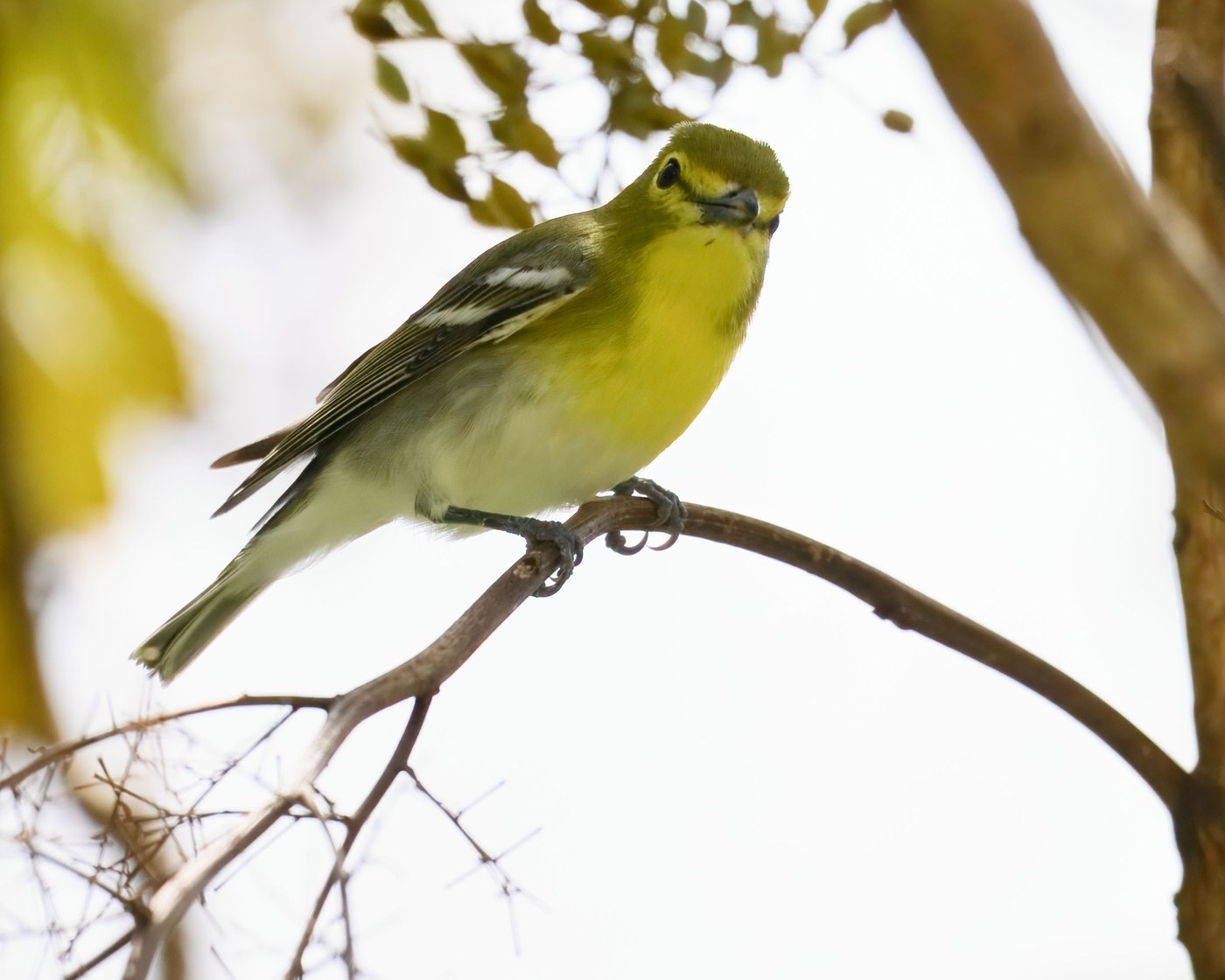
Yellow-throated Vireo
Bright yellow throat and spectacle feathers; olive-green back feathers; two white wing-bar feathers

Yellow-rumped Warbler
Small contour and flight feathers
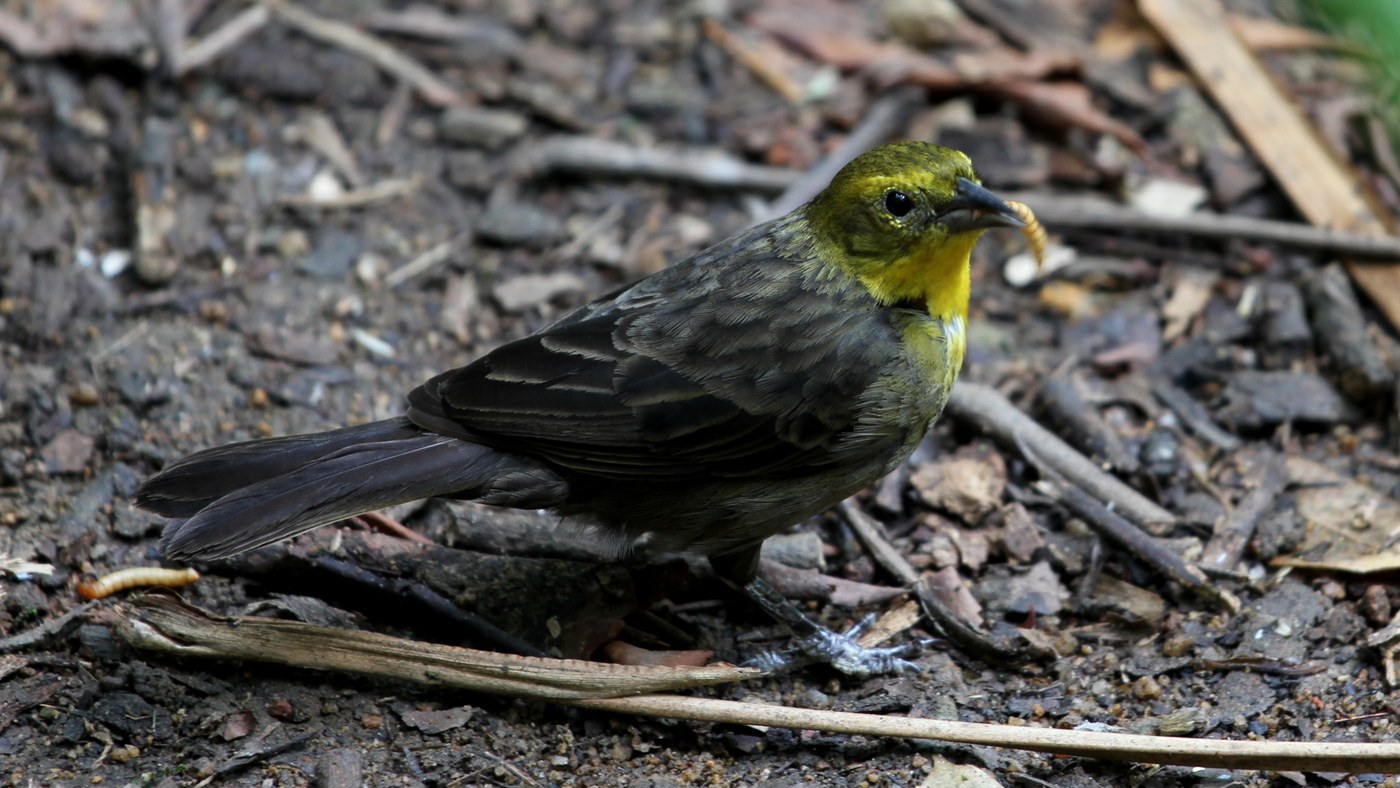
Yellow-hooded Blackbird
Contrasting hood and body feathers
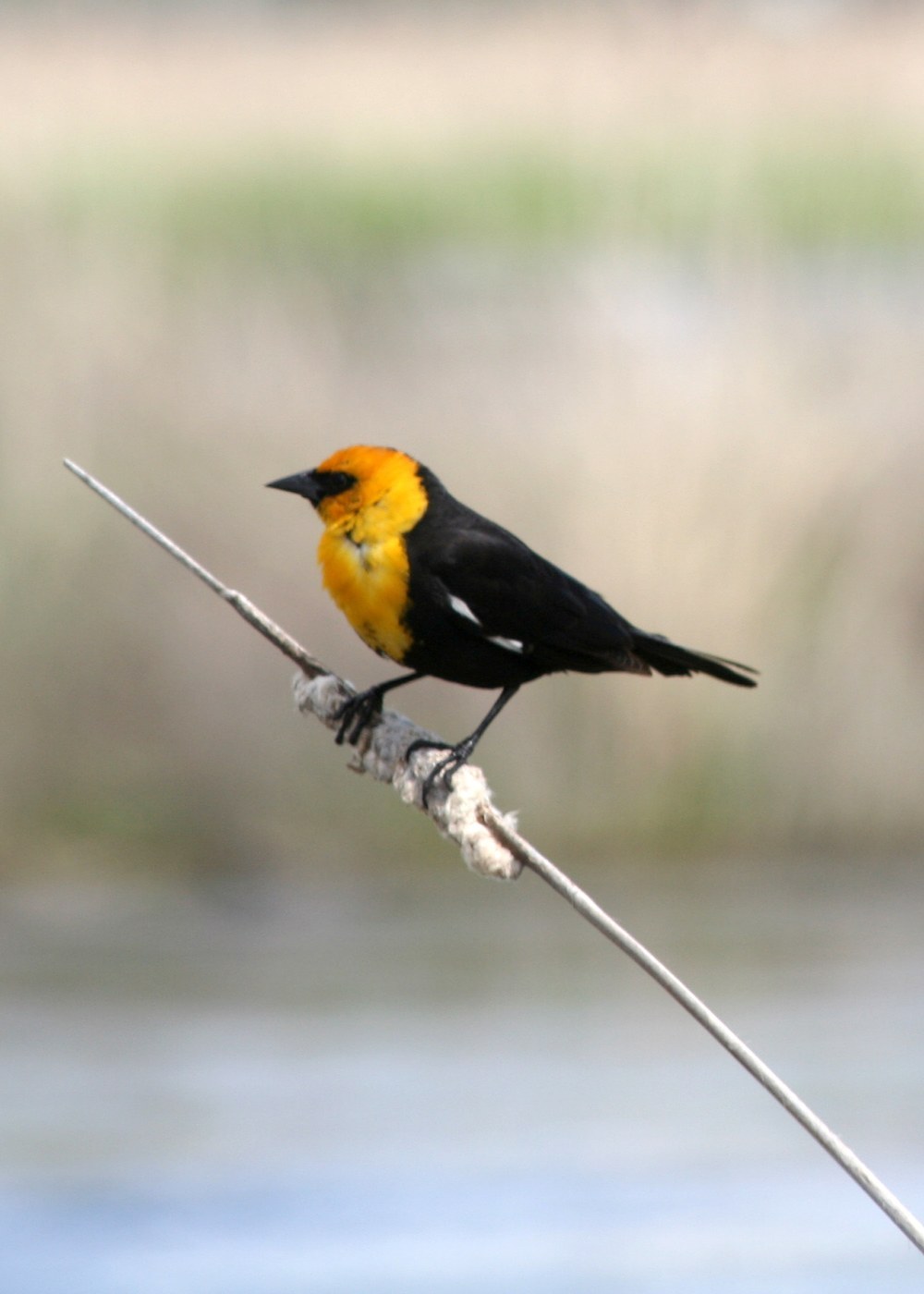
Yellow-headed Blackbird
Glossy black body plumage with a bright yellow head and breast

Yellow-eyed Junco
Contour and flight feathers

Yellow-fronted Canary
Small, smooth body plumage

Yellow-breasted Greenfinch
Compact, smooth body plumage