

Barking Owl
Ninox connivens
An Australian hawk-owl named for its dog-like barking call, gray-brown above and heavily streaked below, favoring open woodland and riverine forest.
- Feather type
- Rounded flight feathers; long banded tail; streaked body plumage
- Colours
- Grayish-brown above; whitish underparts heavily streaked with brown
- Bird size
- Medium, ~35-45 cm
Found a feather like this?
Identify any feather from a photo, free.
Overview
The Barking Owl is a medium-sized hawk-owl found across northern and eastern Australia and parts of New Guinea, named for its distinctive call, which can resemble a dog's bark. It favors open eucalypt woodland and riverine forest, often near watercourses.
As a member of the genus Ninox, it lacks the heart-shaped facial disc of barn owls and instead has a flatter, more hawk-like face with large staring yellow eyes. Its plumage is grayish-brown above and boldly streaked below, differing from the spotted pattern of the Southern Boobook.
It is less common than the Southern Boobook across much of its range and has declined in some agricultural areas due to loss of large old trees needed for nesting hollows.
Identifying the Feather
Size and shape
Medium-sized feathers from a bird 35-45 cm long, with rounded wings and a long tail, larger than the Southern Boobook but smaller than the Powerful Owl.
Color and pattern
- Upperparts are grayish-brown, relatively unmarked or finely mottled.
- Underparts are whitish, heavily marked with bold brown streaking rather than spotting or barring.
- The tail is grayish-brown with several darker bands.
- Shafts are pale brown.
Distinguishing from similar species
Compared to the Southern Boobook, Barking Owl feathers are larger and show bold streaking on white underparts rather than the boobook's combination of spotted upperparts and more buff, streaked underparts. Compared to the Powerful Owl, Barking Owl feathers are considerably smaller and lack the chevron-shaped markings.
Plumage & Molt
Adults are grayish-brown above and white below with heavy brown streaking. Sexes look alike, with females slightly larger. Juveniles are paler and downier with less defined streaking. Molt follows breeding on an annual cycle.
Habitat & Range
This species occurs across northern and eastern Australia and parts of New Guinea, favoring open eucalypt woodland, riverine forest, and farmland with scattered large trees. It is largely resident, though some populations may shift locally with food availability.
Behavior & Field Notes
Barking Owls hunt insects, small mammals, and birds at night, often from a perch at woodland edges or along watercourses. The call is a distinctive dog-like barking or, at times, a more unsettling scream-like call. Nests are placed in large tree hollows, and pairs are known to be faithful to nesting sites over many years where old trees persist. When identifying a feather, look for grayish-brown upperparts and white underparts with bold brown streaking, in a medium overall size.
Frequently asked questions
Why is this owl called the Barking Owl?
Its call can closely resemble a dog's bark, giving rise to the common name, though it is also known for an unsettling scream-like call at times.
How can I tell a Barking Owl feather from a Southern Boobook feather?
Barking Owl feathers are larger and show bold brown streaking on white underparts, while Southern Boobook feathers are smaller with spotted upperparts and buffier, streaked underparts.
Where does the Barking Owl live?
It occurs across northern and eastern Australia and parts of New Guinea, in open eucalypt woodland and riverine forest.
Has the Barking Owl declined in any areas?
Yes, it has declined in some agricultural regions due to loss of the large old trees it needs for nesting hollows.
Barking Owl guides
In-depth guides for identifying and understanding Barking Owl.

Other feathers you may enjoy

Tawny Owl
Wing (flight) and body (contour) feathers
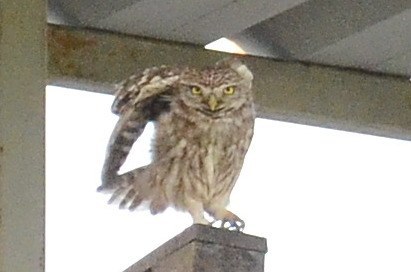
Little Owl
Wing and body feathers

Balsas Screech-Owl
Small ear-tuft feathers; soft, finely vermiculated body feathers

Blakiston's Fish Owl
Massive flight feathers with looser structure; shaggy body plumage; prominent ear-tuft feathers

Barn Owl
Wing and facial-disc feathers
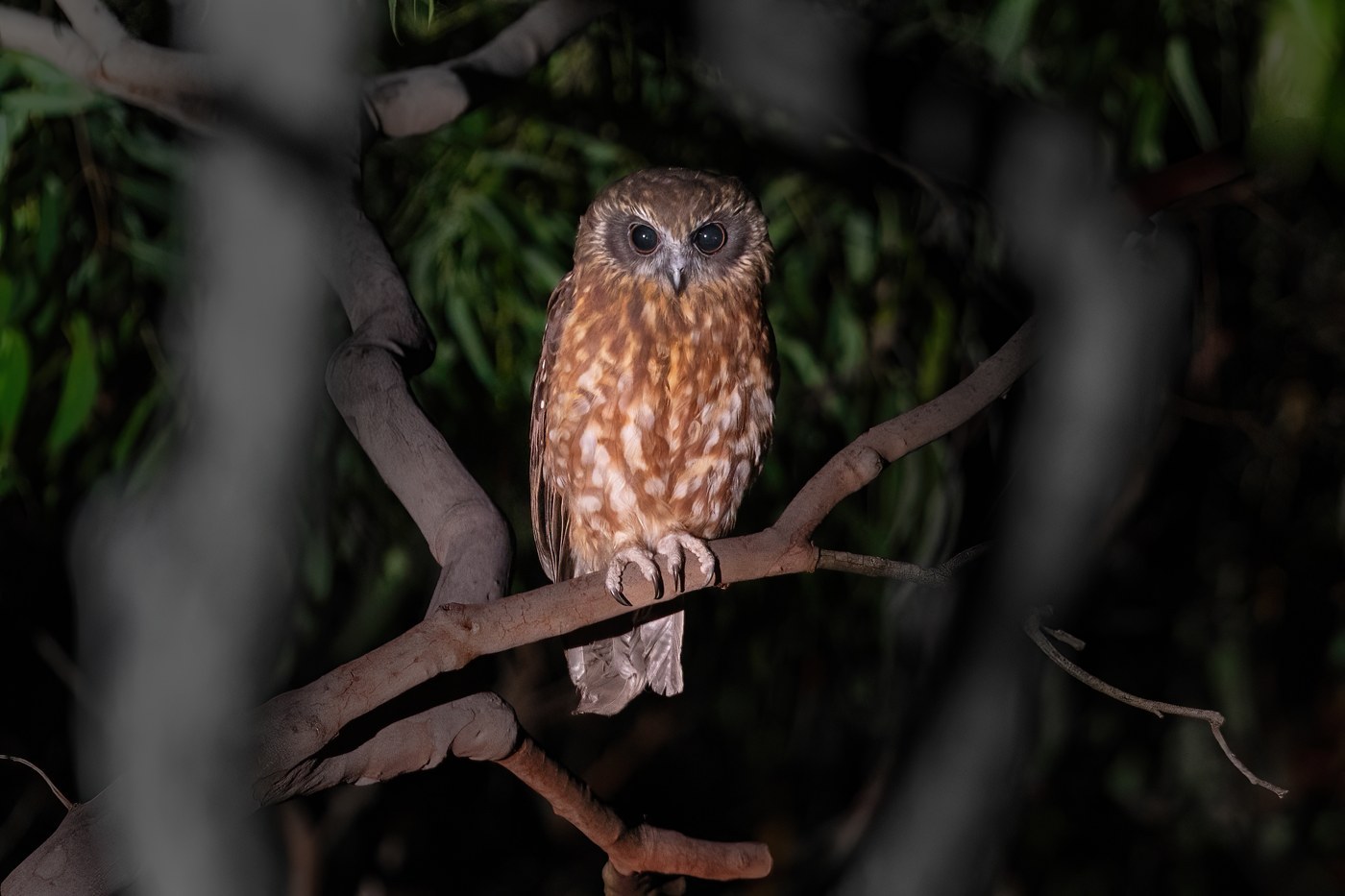
Southern Boobook
Rounded flight feathers; banded tail; spotted body plumage

Sooty Owl
Broad soft-edged flight feathers; heart-shaped facial disc feathers; finely speckled body plumage

Short-eared Owl
Broad soft-fringed flight feathers; streaked body feathers; tiny, rarely visible ear tufts

Stygian Owl
Dark, mottled flight and body feathers with long, closely-set ear tufts
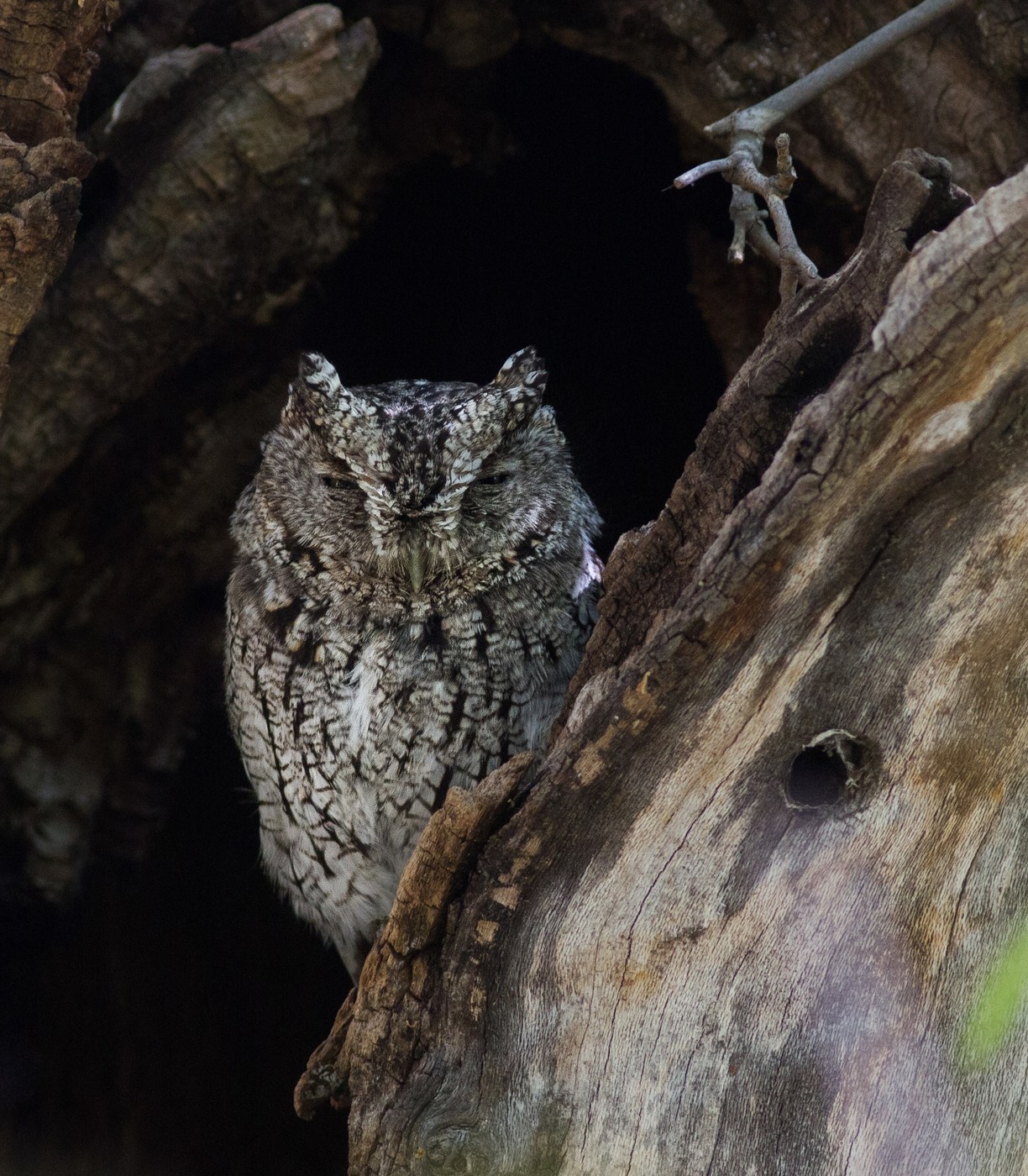
Whiskered Screech-Owl
Small soft-fringed flight feathers; finely mottled body feathers; short ear tufts
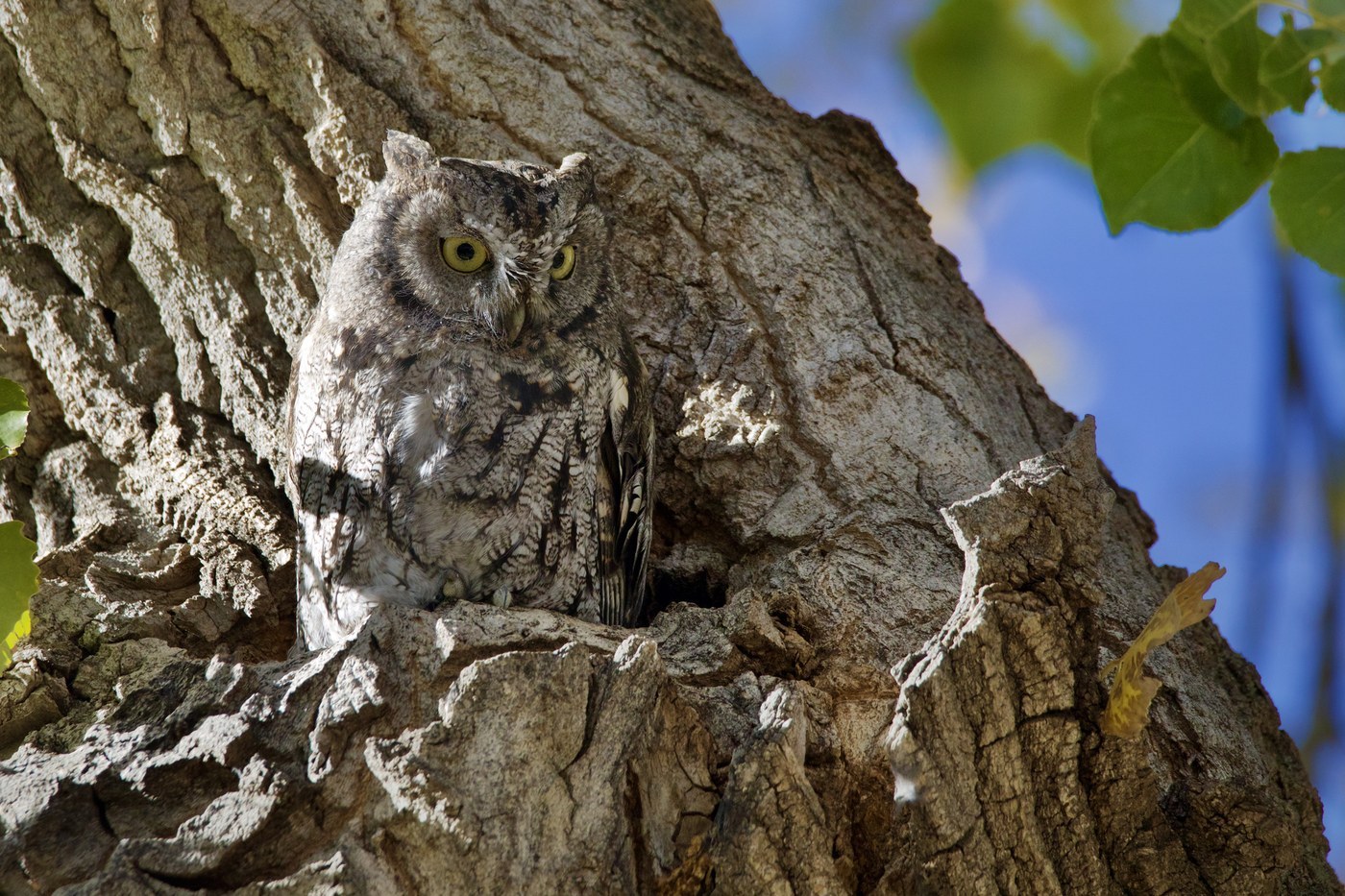
Western Screech-Owl
Small soft-fringed flight feathers; cryptic mottled/streaked body feathers; short ear tufts

White-faced Scops Owl
Small to medium flight feathers with a distinctive whitish facial disc and long ear-tuft plumes