

Baird's Sparrow
Centronyx bairdii
An elusive prairie sparrow with a warm ochre crown stripe and fine necklace-like streaking, tied closely to intact native grassland.
- Feather type
- Contour and flight feathers
- Colours
- Ochre, black, and buff
- Bird size
- Sparrow-sized, ~14 cm
Found a feather like this?
Identify any feather from a photo, free.
Overview
Overview
Baird's Sparrow is a scarce, highly secretive grassland species restricted to native mixed-grass prairie in the northern Great Plains and adjacent Canadian provinces. It closely resembles the more familiar Savannah Sparrow but is distinguished by subtle differences in head and breast pattern.
Because of its dependence on relatively pristine native prairie, it has become increasingly local, and finding one typically requires visiting quality grassland habitat and listening carefully for its distinctive song.
Identifying the Feather
Feather Identification
- Crown feathers: broad ochre-buff central crown stripe bordered by dark lateral stripes, giving a warmer tone than similar grassland sparrows
- Breast feathers: fine, crisp streaking that often converges into a necklace-like band across the upper chest
- Back feathers: streaked black and buff, with a scaled appearance similar to some Ammodramus-type sparrows
- Nape: streaked, without the plain gray nape shown by some similar species
- Compared to Savannah Sparrow: Baird's Sparrow shows a broader, warmer ochre crown stripe and a more distinct necklace of breast streaking, with a flatter overall head profile than the more finely streaked Savannah Sparrow
Plumage & Molt
Plumage Notes
Adults of both sexes show the same ochre-and-black head pattern and necklace-like breast streaking, with relatively little seasonal variation beyond typical wear. Juveniles show a buffier plumage with finer, less organized streaking, gradually acquiring the more defined adult pattern through their first fall molt. A single complete molt follows breeding in adults, refreshing the crisp ochre crown stripe and necklace pattern that can appear duller by late summer prior to this molt.
Habitat & Range
Habitat & Range
Baird's Sparrows breed in native mixed-grass prairie across the northern Great Plains states and southern Canadian prairie provinces, favoring relatively undisturbed grassland with a mix of grass heights. They winter in grassland habitat of the southwestern United States and northern Mexico. The species' reliance on intact native prairie, rather than heavily altered agricultural grassland, has made it increasingly restricted as native prairie has been converted to other uses across its range.
Behavior & Field Notes
Behavior & Field Notes
Baird's Sparrows forage on the ground within grass cover, walking and gleaning seeds and invertebrate food, and are notably reluctant to flush, often running through grass rather than flying. They typically sing from a low perch on a grass stem or shrub. The song begins with a few thin introductory notes followed by a musical trill, distinct from the songs of similar grassland sparrows once learned. Nests are built on the ground, well concealed within grass cover in native prairie habitat.
Frequently asked questions
How can Baird's Sparrow be distinguished from Savannah Sparrow?
Baird's Sparrow shows a broader, warmer ochre crown stripe and a more distinct necklace of breast streaking, along with a flatter head profile compared to Savannah Sparrow.
What habitat is essential for this species?
Relatively intact native mixed-grass prairie, as the species is less tolerant of heavily altered or purely agricultural grassland than some related sparrows.
What does the song sound like?
A few thin introductory notes followed by a musical trill, a pattern that becomes distinctive with practice compared to similar grassland sparrow songs.
Why is Baird's Sparrow considered elusive?
It is reluctant to flush, often running through grass cover rather than flying, and it depends on increasingly limited patches of native prairie habitat.
Baird's Sparrow guides
In-depth guides for identifying and understanding Baird's Sparrow.

Other feathers you may enjoy

Yellow-breasted Bunting
Contour and flight feathers, chestnut-and-yellow breeding pattern
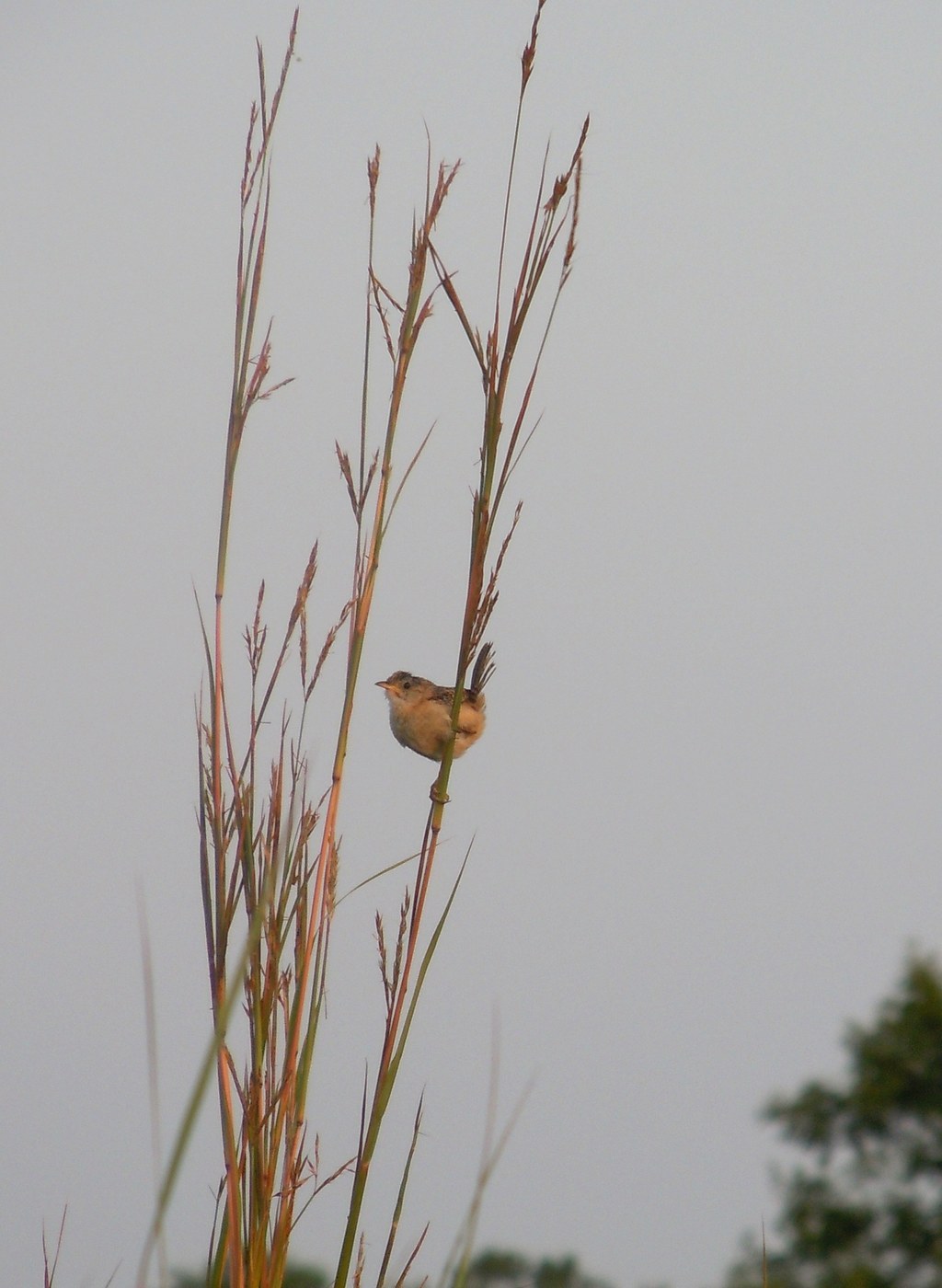
Sedge Wren
Tiny streaked crown and back feathers

Yellow-winged Cacique
Glossy black body feathers, yellow wing patch, shaggy crest

Yellow Warbler
Small contour and flight feathers
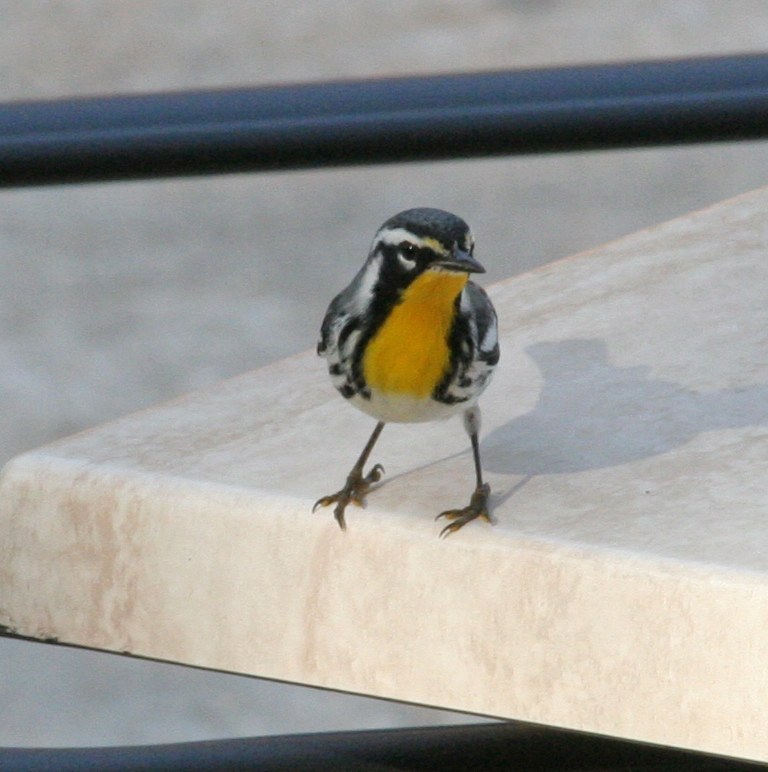
Yellow-throated Warbler
Small contour and flight feathers
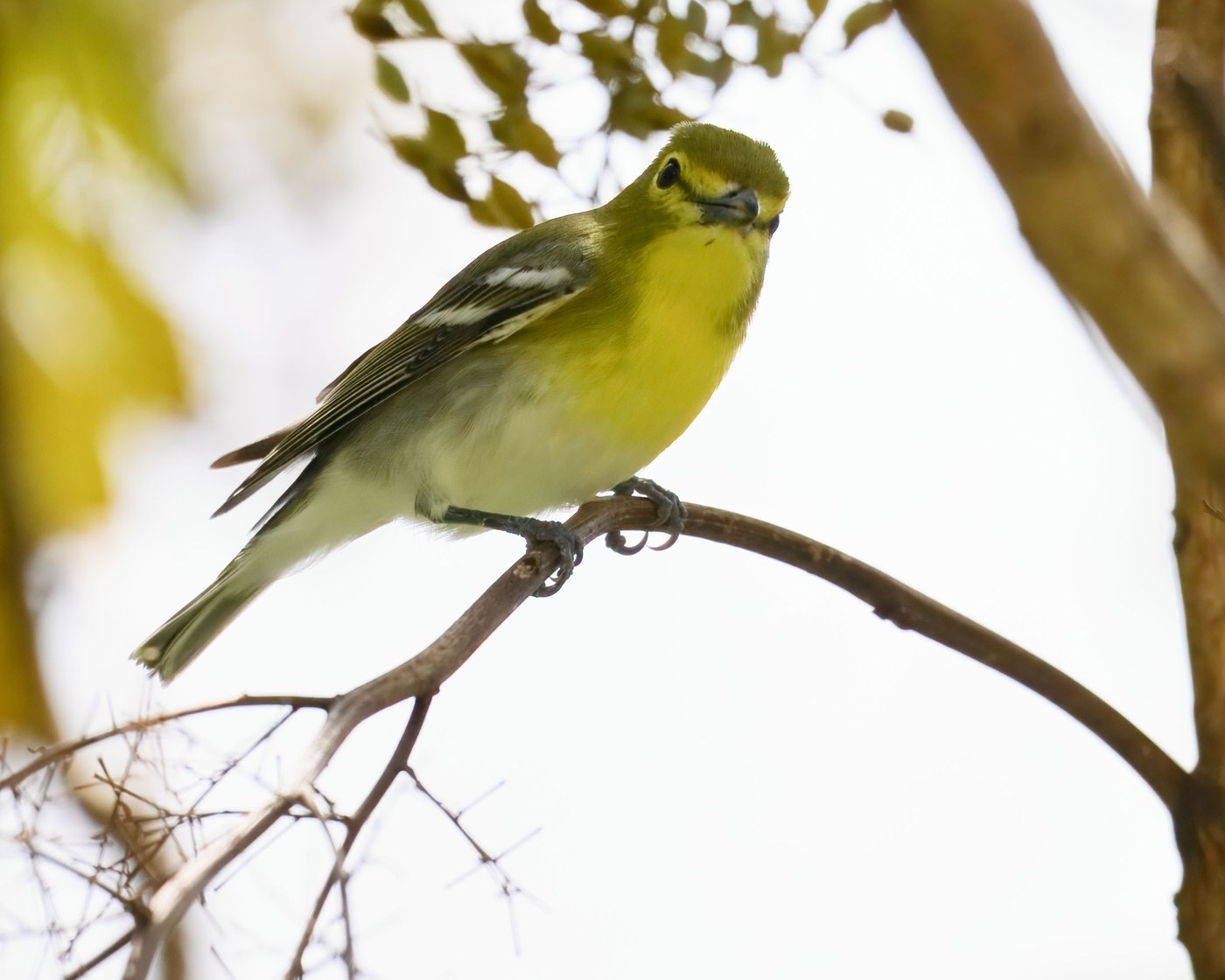
Yellow-throated Vireo
Bright yellow throat and spectacle feathers; olive-green back feathers; two white wing-bar feathers

Yellow-rumped Warbler
Small contour and flight feathers
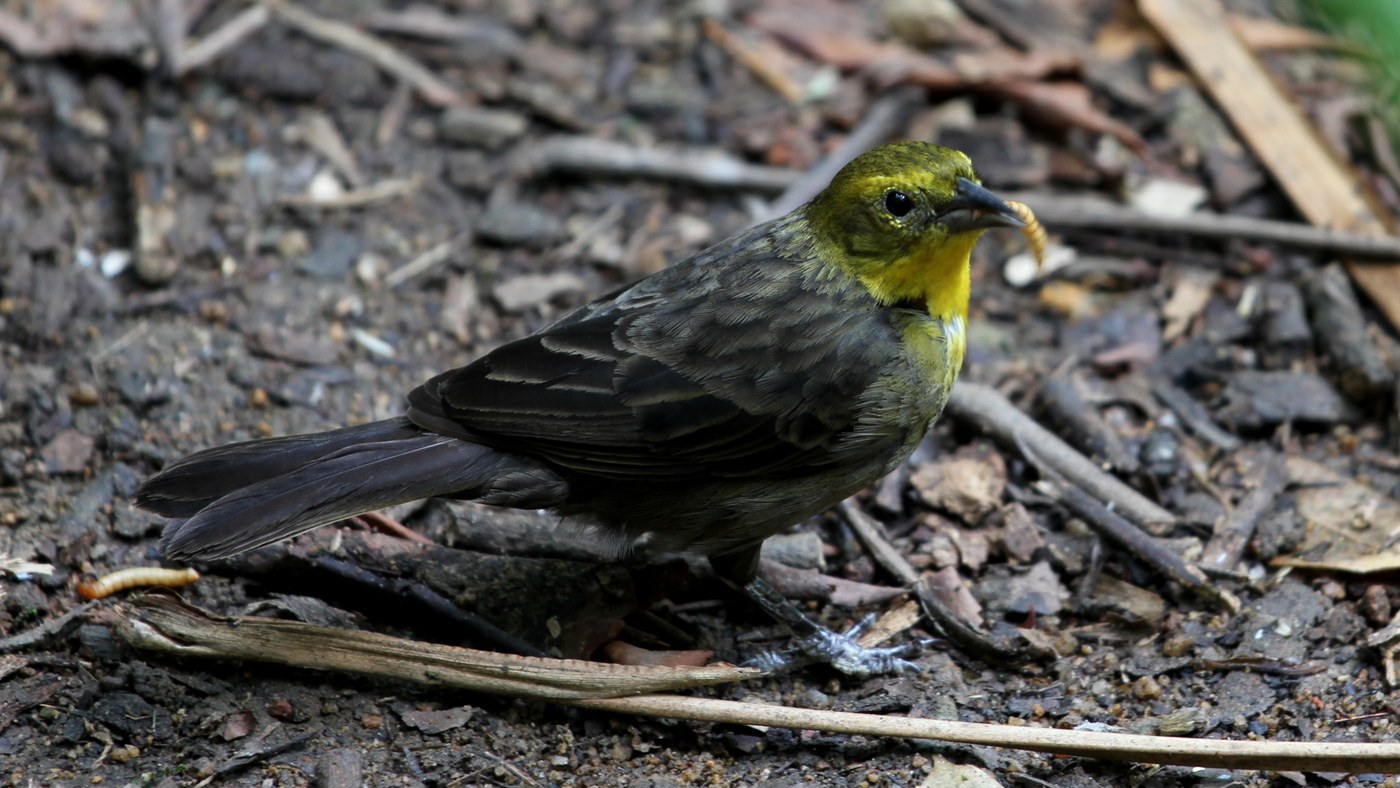
Yellow-hooded Blackbird
Contrasting hood and body feathers
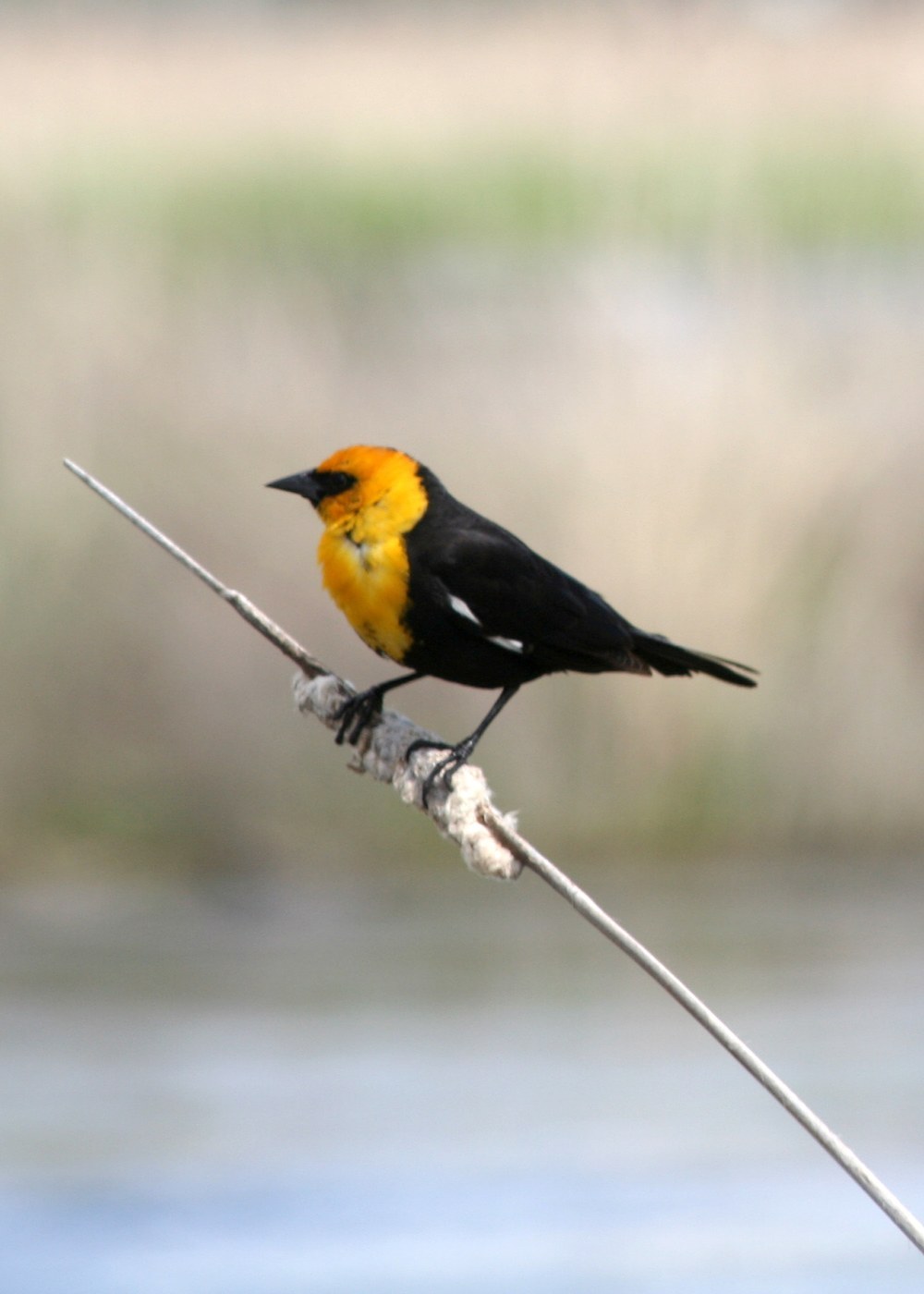
Yellow-headed Blackbird
Glossy black body plumage with a bright yellow head and breast

Yellow-eyed Junco
Contour and flight feathers

Yellow-fronted Canary
Small, smooth body plumage

Yellow-breasted Greenfinch
Compact, smooth body plumage