

Australian Masked Owl
Tyto novaehollandiae
A large, variably colored barn-owl relative of Australian forests, ranging from pale to dark rufous, with a distinctive heart-shaped facial disc and fine spotting on its feathers.
- Feather type
- Broad soft-edged flight feathers; heart-shaped facial disc feathers; spotted body plumage
- Colours
- Variable, from pale gray-brown to dark chestnut above with fine white spotting; white to rufous below with dark spotting
- Bird size
- Large, ~35-50 cm (females larger)
Found a feather like this?
Identify any feather from a photo, free.
Overview
The Australian Masked Owl is a large member of the barn owl family found across parts of Australia, including Tasmania, in forest and woodland habitats. It shows considerable plumage variation, from pale individuals to much darker, richly rufous birds, making color alone an unreliable guide without considering other features.
Like other Tyto species, it has a distinctive heart-shaped facial disc and long, strong legs adapted for hunting terrestrial mammals in more open, forested country than some of its grassland-dwelling relatives. Females are notably larger than males, an unusually pronounced size difference for an owl.
It is generally less common than the widespread Barn Owl across its Australian range and depends on large tree hollows for nesting, making mature forest an important habitat feature.
Identifying the Feather
Size and shape
Large feathers from a bird 35-50 cm long, with females notably larger than males. Facial disc feathers form the characteristic heart-shaped ruff of barn owls, and flight feathers have the soft, finely fringed edge typical of silent-flying Tyto owls.
Color and pattern
- Ground color is highly variable, ranging from pale grayish-brown to dark chestnut or rufous.
- Upperparts show fine white or pale spotting against the darker ground color.
- Underparts range from white to rufous-buff, marked with scattered dark spots.
- Facial disc feathers are pale, often whitish, framed by a darker rim.
- Shafts are pale.
Distinguishing from similar species
Compared to the Sooty Owl, Australian Masked Owl feathers are generally paler and browner rather than sooty gray-black, and show less silvery flecking. Compared to the widespread Barn Owl, Masked Owl feathers tend to be larger and darker overall, though pale individuals can be confusingly similar.
Plumage & Molt
Plumage varies considerably between pale and dark morphs, from grayish-brown to rich chestnut above, always with fine pale spotting, and from white to rufous below with scattered dark spots. The heart-shaped facial disc is pale, typically whitish. Females are markedly larger and often darker than males. Juveniles resemble adults but are downier. Molt follows breeding on an annual cycle typical of barn owls.
Habitat & Range
This species is found in forest, woodland, and forest edge habitats across parts of Australia, including Tasmania, generally favoring areas with large old trees for nesting hollows. It is resident, with pairs holding territories in suitable forest.
Behavior & Field Notes
Australian Masked Owls hunt small to medium mammals, including rodents and small marsupials, at night, using their acute hearing to locate prey in darkness or dense cover. They nest in large tree hollows and are generally quiet, though they can give a range of hissing and screeching calls. Because they depend on old-growth forest features, they can be sensitive to habitat clearing. When identifying a feather, note the heart-shaped facial disc structure typical of barn owls, the variable but generally darker ground color compared to the common Barn Owl, and fine pale spotting throughout.
Frequently asked questions
Why does the Australian Masked Owl vary so much in color?
It shows a wide range of individual variation from pale grayish-brown to dark rufous or chestnut, so color alone is not a reliable way to confirm identification.
How is this owl related to the common Barn Owl?
It belongs to the same family, Tytonidae, and shares the heart-shaped facial disc, but tends to be larger and often darker than the widespread Barn Owl found in the same region.
What kind of habitat does this owl prefer?
It favors forest, woodland, and forest edges with large old trees that provide nesting hollows, rather than open grassland.
Are male and female Australian Masked Owls different sizes?
Yes, females are notably larger than males, a more pronounced size difference than in many other owl species.
Australian Masked Owl guides
In-depth guides for identifying and understanding Australian Masked Owl.

Other feathers you may enjoy

Tawny Owl
Wing (flight) and body (contour) feathers
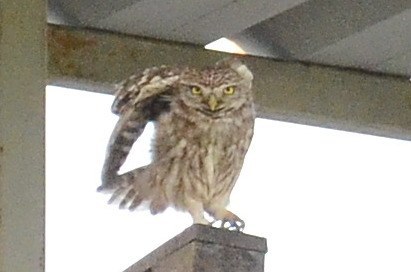
Little Owl
Wing and body feathers

Balsas Screech-Owl
Small ear-tuft feathers; soft, finely vermiculated body feathers

Blakiston's Fish Owl
Massive flight feathers with looser structure; shaggy body plumage; prominent ear-tuft feathers

Barn Owl
Wing and facial-disc feathers
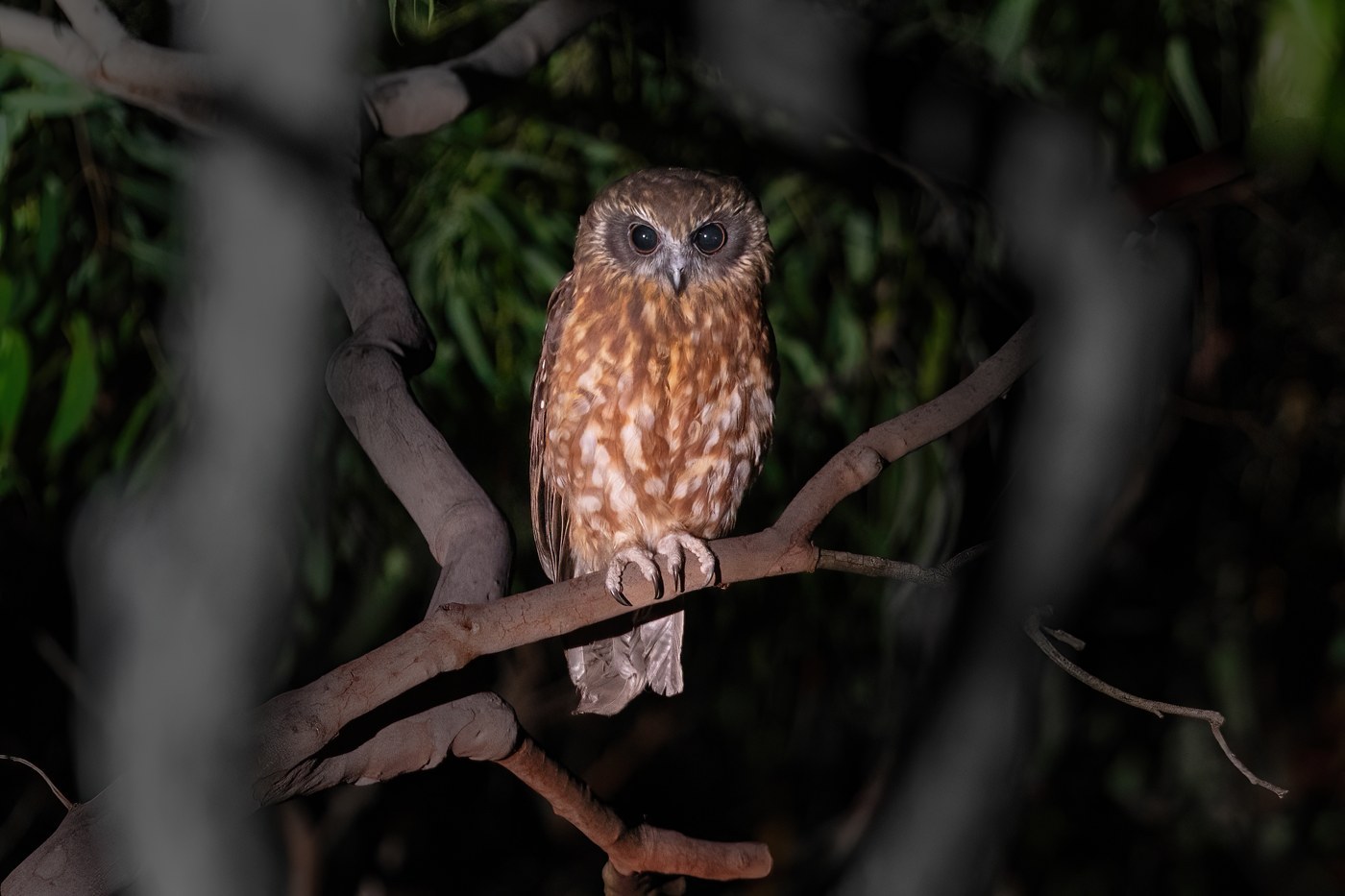
Southern Boobook
Rounded flight feathers; banded tail; spotted body plumage

Sooty Owl
Broad soft-edged flight feathers; heart-shaped facial disc feathers; finely speckled body plumage

Short-eared Owl
Broad soft-fringed flight feathers; streaked body feathers; tiny, rarely visible ear tufts

Stygian Owl
Dark, mottled flight and body feathers with long, closely-set ear tufts
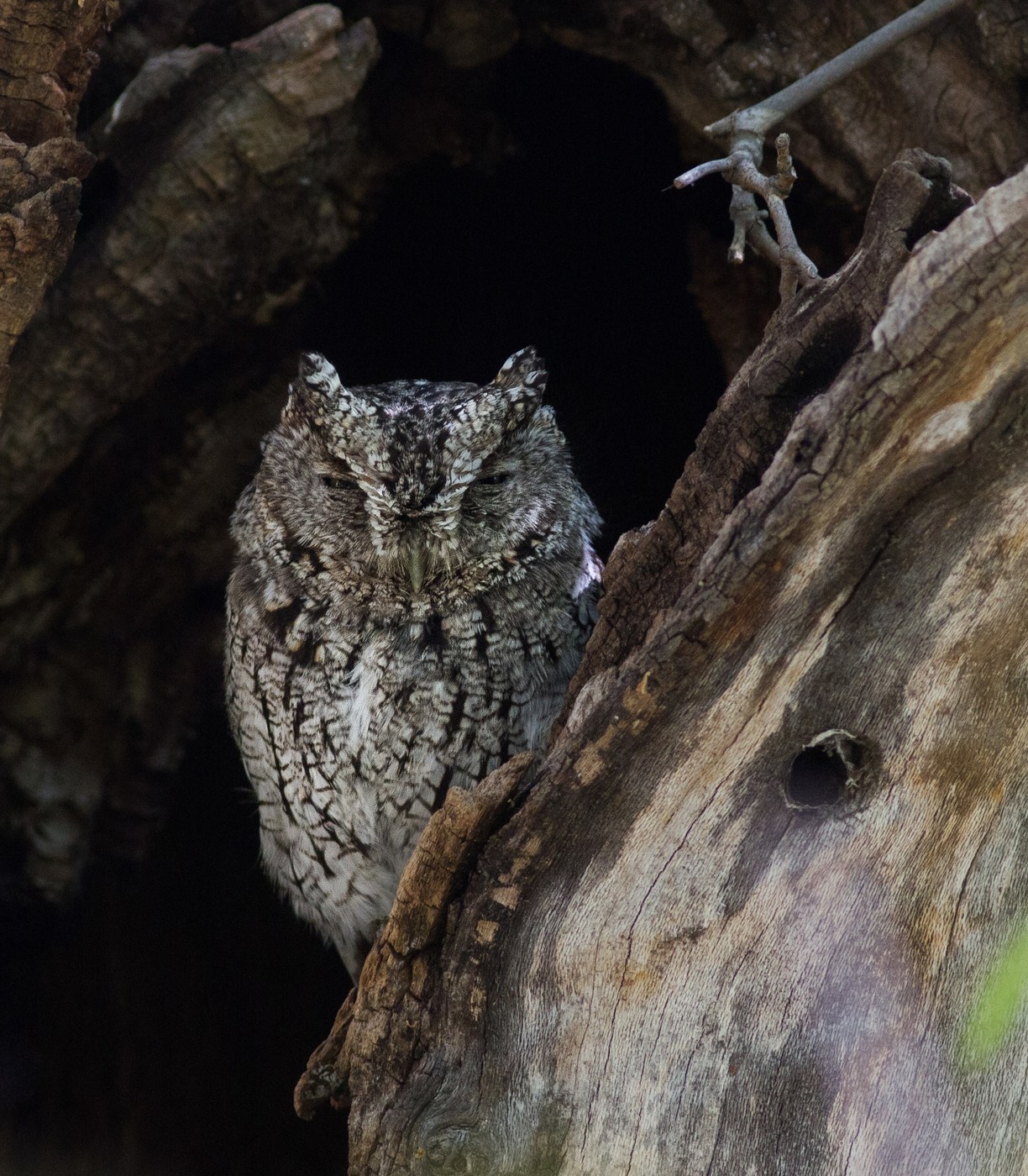
Whiskered Screech-Owl
Small soft-fringed flight feathers; finely mottled body feathers; short ear tufts
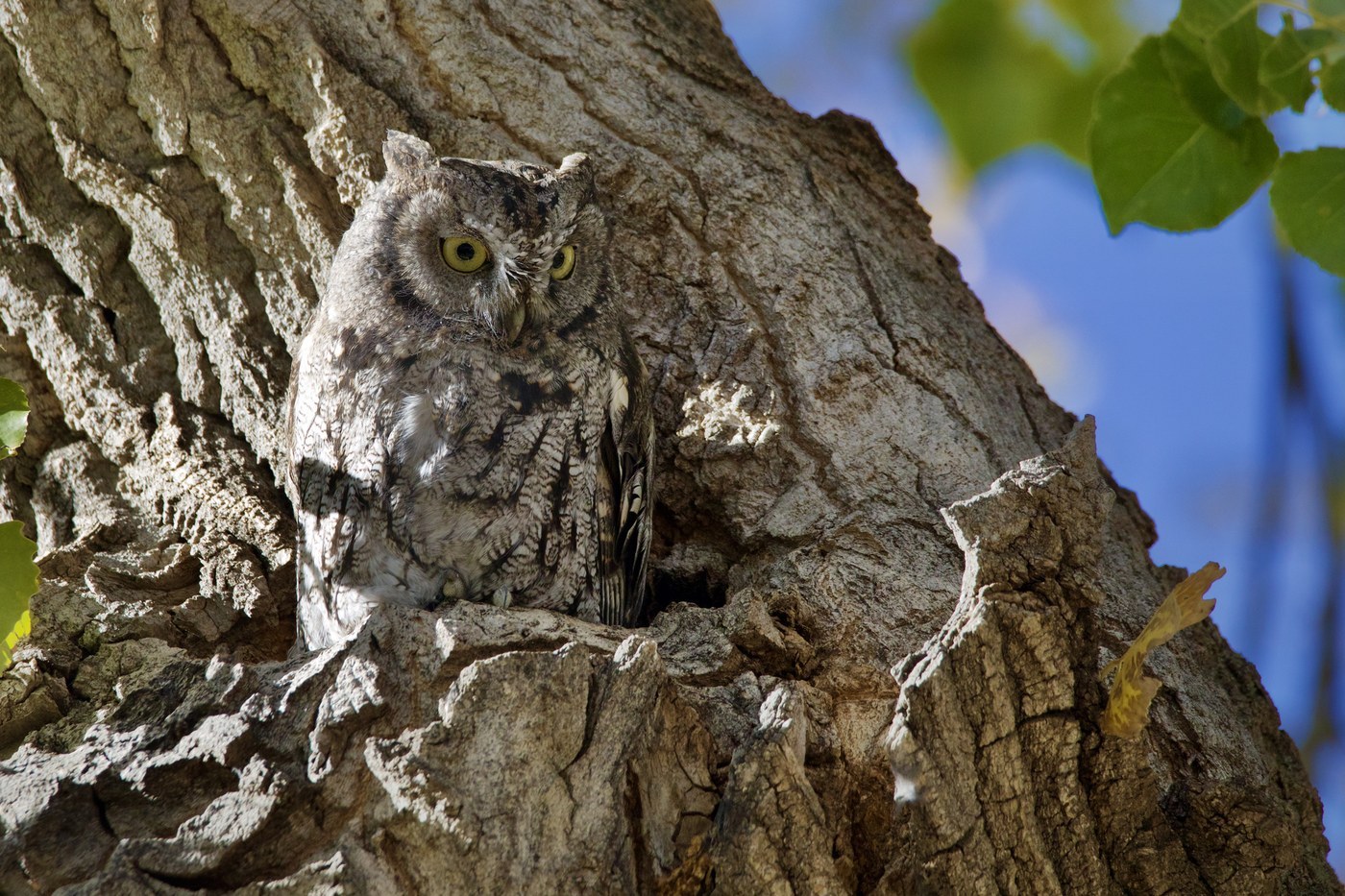
Western Screech-Owl
Small soft-fringed flight feathers; cryptic mottled/streaked body feathers; short ear tufts

White-faced Scops Owl
Small to medium flight feathers with a distinctive whitish facial disc and long ear-tuft plumes